When it comes to portable lighting, flashlights are essential tools that everyone should have on hand. Whether you’re camping, navigating power outages, or simply need some extra light, a flashlight is a go-to solution. However, not all flashlights are created equal. In fact, there are two major types of flashlights: regular flashlights and emergency flashlights. While they may seem similar in their basic function, these two types of flashlights have key differences that can make one more suited to specific situations than the other.
In this article, we’ll explore the differences between emergency flashlights and regular flashlights, looking at their design, features, and intended uses. Understanding these differences will help you make an informed decision when choosing the right flashlight for your needs. As a leading provider of innovative lighting solutions, Shenzhen Tuliang Technology Co., Ltd. offers a range of high-quality emergency flashlights designed to meet the needs of both professionals and everyday users. Let’s dive into the details of what makes an emergency flashlight different from a regular flashlight.
What Is a Regular Flashlight?
Regular flashlights, also known as standard flashlights, are the most common type of flashlight that most people are familiar with. They are widely available, easy to use, and come in various sizes, shapes, and light output levels. Typically, regular flashlights are powered by disposable batteries or rechargeable options, and they feature a simple on/off switch to operate the light.
Key Features of Regular Flashlights:
Basic Design: Regular flashlights typically have a simple, straightforward design. They usually feature a bulb or LED light source housed in a cylindrical body, which is easy to grip and handle. These flashlights can range in size from compact penlights to larger models that offer more illumination.
Power Source: Regular flashlights generally operate on disposable batteries (such as AA or AAA) or rechargeable batteries. The power options are straightforward, making them easy to maintain and replace.
Brightness: The brightness of regular flashlights can vary widely. Some are designed with low to moderate light output, suitable for everyday tasks like finding items in the dark, while others provide higher brightness levels for tasks requiring more illumination, such as outdoor activities.
Usage: Regular flashlights are primarily used for everyday tasks, such as walking at night, searching for items in the dark, or general household use. They are ideal for situations where portability and convenience are the main requirements.
What Is an Emergency Flashlight?
An emergency flashlight is a portable light source specifically designed to provide reliable illumination during emergencies. While emergency flashlights serve the same basic purpose as regular flashlights—offering light when you need it most—they come equipped with a variety of additional features that enhance their performance in crisis situations. These situations could include power outages, natural disasters, or outdoor survival scenarios. The key to an emergency flashlight’s effectiveness is its ability to withstand harsh conditions and provide continuous operation even when conventional flashlights might fail.
Unlike standard flashlights, which are typically designed for everyday use, emergency flashlights are built with durability and versatility in mind, ensuring they perform reliably when conditions are difficult. They often feature higher-capacity batteries, multiple power options, and extra functionalities like strobe lights and built-in sirens to assist in signaling. These features make emergency flashlights indispensable in situations where traditional flashlights may not be sufficient.
Key Features of Emergency Flashlights:
Durability: One of the key features of emergency flashlights is their robust construction. They are often made with shock-resistant materials and are designed to endure harsh conditions like water, dust, extreme temperatures, and drops. This durability ensures they can survive accidents or being exposed to rough environments without losing their functionality.
Long Battery Life: Emergency flashlights are equipped with high-capacity batteries that can provide extended runtime, making them ideal for emergencies. They are often designed to last for several hours or even days on a single charge or battery. Additionally, many models feature low-power modes that help conserve energy, ensuring that the light lasts longer in situations where recharging or replacing batteries is not immediately possible.
Multiple Power Options: A standout feature of emergency flashlights is their ability to run on multiple power sources. In addition to traditional disposable or rechargeable batteries, many emergency flashlights can be powered through solar panels, hand cranks, or backup batteries. This versatility is crucial during extended power outages or in areas where access to electricity may be limited.
Added Features: Emergency flashlights often come with additional functionalities to increase their usefulness in critical situations. These may include strobe lights for signaling, built-in emergency sirens, or even integrated power banks for charging mobile devices. Such features make emergency flashlights more versatile, capable of assisting in various emergency scenarios.
Waterproof and Weatherproof: Emergency flashlights are often waterproof or weather-resistant, making them ideal for use in unpredictable outdoor conditions or during natural disasters. Whether in rain, snow, or extreme heat, these flashlights can be relied upon to provide light when it's most needed.
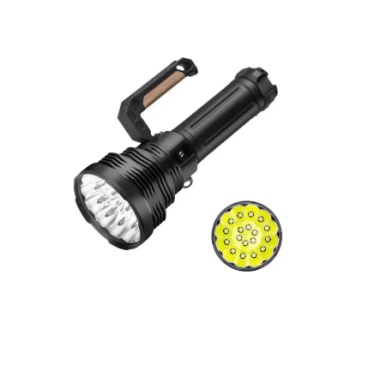
Key Differences Between Emergency Flashlights and Regular Flashlights
While both types of flashlights share the basic function of providing light in the dark, their differences in design, durability, and functionality are significant. Let’s break down the key differences:
Feature | Regular Flashlight | Emergency Flashlight |
Durability | Basic construction, suitable for everyday use | Built to withstand harsh conditions (e.g., waterproof, shockproof) |
Battery Life | Shorter battery life, typically hours | Long-lasting batteries with low-power modes, often days of use |
Power Sources | Disposable or rechargeable batteries | Multiple options, including solar power, hand cranks, or backup batteries |
Special Features | Simple on/off functionality | Often includes features like strobe lights, built-in sirens, or power banks |
Usage | Everyday tasks | Emergency situations, outdoor activities, natural disasters |
Water and Weather Resistance | Typically not water-resistant | Water-resistant, weatherproof for outdoor use |
Why Choose an Emergency Flashlight?
Emergency flashlights are a must-have in any preparedness kit, whether for home, car, or outdoor adventures. Here’s why you might choose an emergency flashlight over a regular flashlight:
1. Reliable in Emergencies
In a power outage, during a storm, or in the event of a natural disaster, a regular flashlight might not offer the same level of reliability. An emergency flashlight, with its extended battery life, multiple power options, and durable construction, ensures that you have a dependable source of light when you need it most.
2. Versatility
Emergency flashlights are equipped with additional features like strobe lighting or emergency sirens, which can be essential during critical situations. Whether you're signaling for help, illuminating a large area, or using your flashlight to charge a mobile device, an emergency flashlight offers enhanced versatility compared to a regular flashlight.
3. Longer Battery Life
The long-lasting battery life of emergency flashlights means you won’t have to worry about running out of power during an emergency. Many models can last several days, providing peace of mind that your light source will continue to work during extended power outages or when access to charging is limited.
4. Durability
Emergency flashlights are built to endure harsh conditions that regular flashlights may not handle. Water-resistant, shockproof, and designed for use in extreme temperatures, these flashlights are built to last, ensuring you won’t be left in the dark even in tough circumstances.
Conclusion
While regular flashlights are suitable for everyday use, emergency flashlights provide the extra features and durability needed during critical situations. Whether you're preparing for a natural disaster, planning an outdoor adventure, or simply want a more reliable light source in case of an emergency, an emergency flashlight offers numerous advantages over a regular flashlight. It’s an investment that ensures you’ll be ready for anything, whether it’s a power outage, a roadside emergency, or an outdoor excursion.
At Shenzhen Tuliang Technology Co., Ltd., we specialize in providing high-quality emergency flashlights designed to meet the demands of both everyday and emergency situations. Our products combine durability, long-lasting battery life, and versatile features, making them ideal for anyone looking to ensure they’re always prepared.
FAQ
1. What makes an emergency flashlight different from a regular flashlight?
Emergency flashlights are designed for reliability in emergencies, featuring long battery life, multiple power options, and rugged construction, unlike regular flashlights, which are generally intended for everyday use.
2. Can I use an emergency flashlight for everyday tasks?
Yes, emergency flashlights are versatile and can be used for everyday tasks, but their added features, like longer battery life and extra durability, make them particularly useful during emergencies.
3. How long do emergency flashlights last?
Emergency flashlights are designed to last much longer than regular flashlights, with some models offering several hours or even days of use depending on the power source and usage settings.
4. Are emergency flashlights waterproof?
Many emergency flashlights are water-resistant or waterproof, making them ideal for use in challenging outdoor conditions or during natural disasters where weather conditions may be unpredictable.


