An emergency flashlight is one of the most essential tools to have in any household, vehicle, or emergency preparedness kit. Whether you’re facing a power outage, navigating through a dark space, or in need of illumination in an emergency situation, an emergency flashlight is invaluable. However, to ensure that it functions when you need it most, proper maintenance and storage are crucial. Flashlights are often designed to be durable and long-lasting, but if not properly cared for, their performance can diminish over time. In this article, we will guide you through the steps to maintain and store your emergency flashlight to keep it in top working condition for years to come.
At Shenzhen Tuliang Technology Co., Ltd., we understand the importance of reliable emergency lighting, and our mission is to provide high-quality flashlights that you can depend on. Proper storage and maintenance of these tools are essential to ensuring they are ready for action when needed. From battery care to cleaning, we’ll explore all aspects of flashlight maintenance and storage to help you make the most of your investment.
1. Why Proper Maintenance and Storage of Your Emergency Flashlight is Essential
A flashlight may be a simple tool, but its reliability is vital in moments of need. Whether you're camping, driving at night, or dealing with an emergency, the last thing you want is to find out that your flashlight isn’t working when you need it the most. Regular maintenance and proper storage can extend the life of your flashlight, improve its performance, and ensure it’s ready to provide light during critical situations.
Key Benefits of Proper Flashlight Maintenance and Storage:
Maximized Lifespan: Regular care can prevent issues such as corrosion or malfunction.
Optimal Performance: Well-maintained flashlights work at full brightness and last longer.
Emergency Readiness: Ensures your flashlight will perform effectively when emergencies arise.
Cost Efficiency: Proper maintenance can reduce the need for frequent replacements or repairs.
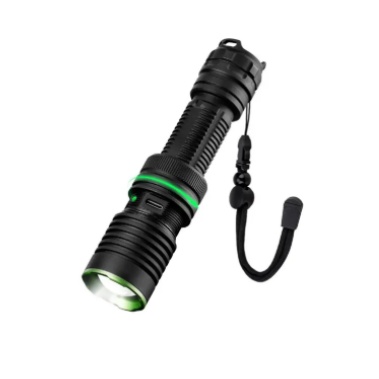
2. Basic Maintenance for Your Emergency Flashlight
Regularly Check the Batteries
The batteries are the heart of your flashlight, and their condition directly affects the performance of the light. Over time, batteries can lose their charge or corrode, which can render the flashlight useless. Regularly checking the batteries is an important aspect of flashlight maintenance. Here are some key steps to ensure that your batteries remain in good condition:
How to Maintain Flashlight Batteries:
Remove Batteries When Not in Use: If you plan to store your flashlight for an extended period or won't be using it, it’s best to remove the batteries. This prevents potential leakage and corrosion that may occur over time, especially with older batteries. Even high-quality batteries can deteriorate if left inside the flashlight.
Replace Batteries Regularly: Even if your flashlight hasn’t been used for a while, it’s a good practice to replace the batteries at least once a year. This ensures that the batteries are fresh and ready for use when needed. This is particularly important for flashlights that are part of an emergency kit, as you don’t want to discover that your flashlight doesn't work during a power outage or an emergency situation.
Use Quality Batteries: Always opt for high-quality, reliable batteries recommended by the flashlight’s manufacturer. While it may be tempting to go for cheaper alternatives, poor-quality batteries may not last as long or provide reliable performance. High-quality batteries enhance the flashlight’s overall performance and longevity, ensuring it works optimally when needed.
Keep the Contacts Clean
Cleaning Tips for Battery Contacts:
Use a Clean Cloth: Gently wipe the battery contacts with a dry cloth to remove dust and dirt that may have accumulated. This is the simplest method and should be done regularly as part of your flashlight maintenance routine.
Use Rubbing Alcohol: If there is stubborn grime or corrosion on the battery contacts, dip a cotton swab in rubbing alcohol and gently clean the contacts. Alcohol is effective in breaking down dirt and grime while preventing damage to the metal contacts. Be sure to avoid using excessive amounts of alcohol, and allow the contact area to dry completely before inserting the batteries back in.
Check for Corrosion: If you notice corrosion on the contacts, clean it immediately. Corroded battery contacts can prevent the flashlight from functioning, even if the batteries are new. A light brush or gentle scrape with a small tool can help remove the corrosion. Regular cleaning can prevent long-term damage to the flashlight’s battery compartment.
Clean the Lens and Reflector
Dirt and grime can accumulate on the lens and reflector over time, diminishing the flashlight's brightness. Cleaning the lens and reflector is essential to maintain optimal performance.
How to Clean the Lens and Reflector:
Wipe with a Soft Cloth: Use a microfiber or soft cloth to gently wipe the lens. Avoid using harsh chemicals or abrasive materials that could scratch the lens.
Inspect for Scratches or Cracks: Check the lens for any damage. If the lens is scratched or cracked, it may be time to replace it to maintain the flashlight’s efficiency.
3. How to Store Your Emergency Flashlight
Proper storage is just as important as maintenance in ensuring that your flashlight remains functional when needed. Storing your flashlight in the right conditions prevents damage to both the flashlight and its batteries, and keeps it ready for use.
Store in a Cool, Dry Place
Flashlights should be stored in a location that is free from extreme temperatures, humidity, and moisture. Excessive heat or cold can damage the internal components of the flashlight and affect battery life.
Best Practices for Storing Flashlights:
Avoid Extreme Temperatures: Store your flashlight in a place that is away from direct sunlight or heat sources. Extreme heat can cause batteries to degrade quickly, while cold temperatures can reduce their ability to hold a charge.
Keep Dry: Ensure the storage area is dry. Humidity can lead to corrosion of both the flashlight and the batteries. Consider using a moisture-absorbing product in your storage area to protect your flashlight.
Store Flashlights in Accessible Locations
During an emergency, the last thing you want to do is scramble to find your flashlight. Store it in an easily accessible location where it can be quickly retrieved in case of an emergency.
Suggestions for Accessible Storage:
Emergency Kit: Store your flashlight in an emergency preparedness kit or a designated place where other important tools are kept.
Car Storage: Consider keeping a flashlight in your car, especially if you’re traveling in areas where you might face power outages or night-time driving.
Keep in a Flashlight Storage Case
To further protect your flashlight, especially when it’s not in use for extended periods, consider storing it in a protective case. This will safeguard the flashlight from physical damage, dust, and dirt.
4. Troubleshooting Common Flashlight Issues
Even with proper maintenance and storage, you might encounter issues with your flashlight. Here’s how to troubleshoot common problems:
Problem | Possible Cause | Solution |
Flickering Light | Dirty or corroded battery contacts | Clean the battery contacts with alcohol and a cloth |
No Light | Dead or corroded batteries | Replace the batteries and clean contacts |
Dim Light | Low battery charge | Replace with fresh batteries |
Water Leakage | Seal damage or missing O-ring | Check the flashlight seal and replace if necessary |
5. Conclusion
Proper maintenance and storage of your emergency flashlight are essential for ensuring that it is ready for use when you need it most. By regularly checking the batteries, cleaning the contacts, and storing your flashlight in a cool, dry place, you can significantly extend its lifespan and maintain its performance. With the right care, your flashlight will be a reliable companion during power outages, emergencies, or any situation requiring illumination.
At Shenzhen Tuliang Technology Co., Ltd., we understand the importance of reliable emergency lighting, and we are committed to providing high-quality flashlights designed to meet your needs. Our products are designed to offer long-lasting performance, and with the right maintenance and storage, they will continue to serve you when you need them most. Contact us today to learn more about our products and how we can help you stay prepared.
FAQ
Q1: How long do the batteries in my emergency flashlight last?
A1: The lifespan of the batteries depends on the type of batteries used and how frequently the flashlight is used. On average, batteries should be replaced every 6 to 12 months, even if the flashlight hasn’t been used.
Q2: Can I leave my flashlight on for extended periods?
A2: It's best to avoid leaving your flashlight on for extended periods unless in an emergency. Prolonged use may drain the batteries and increase wear on the components.
Q3: Why is my flashlight not working, even with new batteries?
A3: Check for dirty or corroded battery contacts, a damaged bulb, or water ingress. Clean the contacts and ensure the bulb is functioning correctly.
Q4: Can I store my flashlight in extreme temperatures?
A4: No, storing a flashlight in extreme temperatures can damage the battery and internal components. Always store it in a cool, dry place for optimal performance.


