What Makes a TRUE Diving Flashlight? Technical Standards Sellers Must Understand

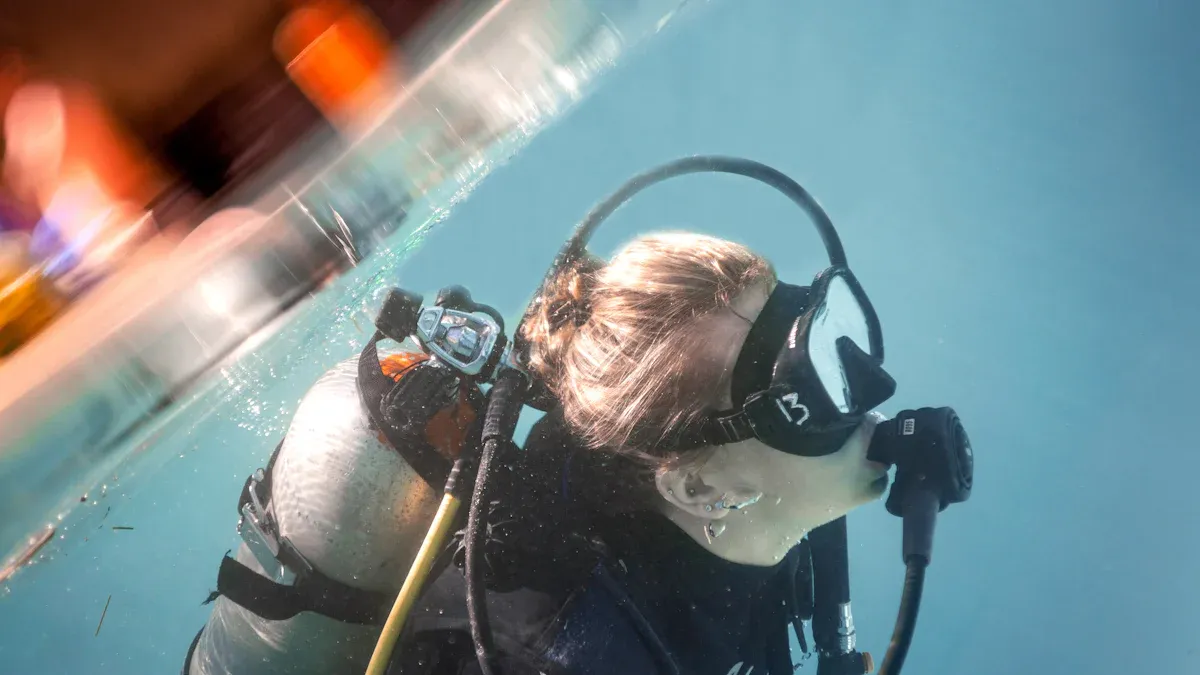
You need a diving flashlight that meets strict technical standards for brightness, beam angle, battery type, waterproof rating, and durability. The right dive light improves your underwater vision and ensures your safety during every dive. Sellers must verify these features before offering any product for underwater use.
Key Takeaways
Choose a diving flashlight with the right lumen rating for your dive depth. For recreational dives, aim for 800-1500 lumens to ensure clear visibility.
Select a dive light with an appropriate beam angle. A wider beam is ideal for exploring large areas, while a narrow beam is better for signaling and inspecting objects.
Always verify the waterproof rating of your dive light. Look for a rating of IPX8 or higher to ensure it can handle deep water pressure safely.
Diving Flashlight Standards
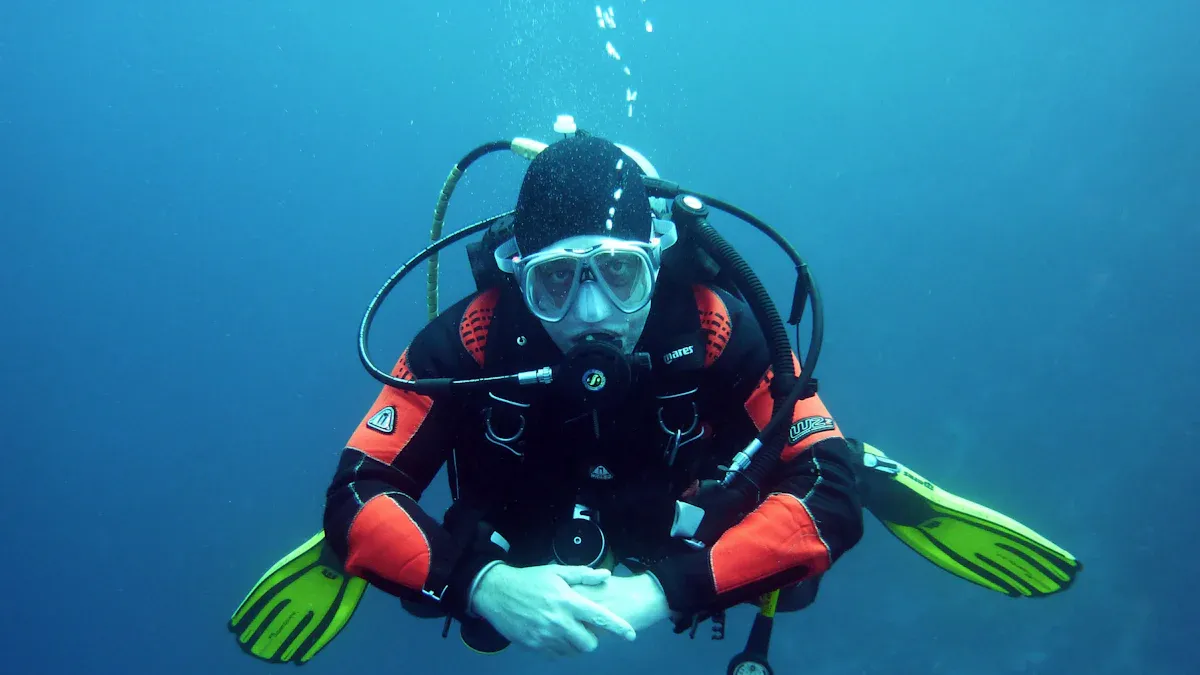
Brightness & Lumens
When you select a diving flashlight, you need to pay close attention to its brightness. The lumen rating tells you how much light the dive light produces. For recreational night diving, experts recommend a range of 800–1500 lumens. Most divers find that a rechargeable LED light with 1000–2000 lumens offers the best balance between power and efficiency.
Shallow dives need 700-1000 lumens for clear water conditions.
Mid-depth dives require 1500-3000 lumens to maintain visibility as natural light fades.
Deep or technical dives demand 2000-5000 lumens or more, especially in caves or at night.
A high lumen rating ensures you see clearly, avoid hazards, and maintain personal safety. The right brightness level directly impacts your underwater visibility and overall performance.
Tip: Always match the lumen output of your dive light to your planned depth and environment for optimal results.
Beam Angle & Focus
The beam angle and focus are important features that determine how your dive torch illuminates the underwater world. Choosing the wrong beam angle can compromise safety. An overly wide beam may create a false sense of brightness, hiding obstacles in shallow water. An overly narrow beam can leave blind spots, making it harder to spot hazards at your sides or below.
Dive Type | Recommended Beam Angle | Use Case |
|---|---|---|
Night/Cave Diving | 90° | Focused beam for macro subjects and navigation |
Underwater Photography | 120° | Floodlight for wide-angle scenes |
Some dive lights offer adjustable beam focus. This feature lets you switch between a narrow spotlight for signaling and a wide floodlight for broader illumination. High-intensity illumination, delivering up to 80,000 LUX at 1 meter, enhances visibility in challenging environments like caves or shipwrecks. A wider beam angle helps you explore large areas, while a focused beam is ideal for signaling or inspecting specific objects.
Battery Type & Life
Battery type and battery life are critical for any diving flashlight. Most professional dive lights use lithium-ion batteries. These batteries provide strong, consistent power and maintain brightness throughout your dive. Alkaline batteries lose energy faster and can leave you with a dim light when you need it most.
Rechargeable lithium-ion batteries typically offer 1 to 2 hours of runtime at full power. For most dives, you should look for a minimum of 2-3 hours of continuous operation. Longer dives may require 4-6 hours or more to prevent interruptions in illumination.
Battery Life Requirement | Description |
|---|---|
Minimum 2-3 hours | Ensures continuous operation for typical dives |
4-6 hours or more | Recommended for longer dives and technical environments |
Note: Always check your dive light’s battery status before each dive to avoid unexpected power loss underwater.
Waterproof Rating & Materials
A true diving flashlight must withstand water pressure and resist corrosion. Waterproof ratings tell you how well a dive light can handle immersion.
IPX6: Protects against powerful water jets, suitable for extreme surface conditions.
IPX7: Can be submerged up to 1 meter for 30 minutes, ideal for wet environments.
IPX8: Designed for continuous immersion beyond 1 meter, perfect for deep-sea diving.
For construction, look for important features like aircraft-grade high strength aluminum and a diamond grade hard-anodized seawater-corrosion-resistance finish. Type III military hard-anodized coatings and toughened 4mm-thick glass lenses also provide excellent resistance to pressure and corrosion.
Choosing the right materials and waterproof rating ensures your dive light performs reliably, even in the harshest underwater conditions.
Switches & Light Modes
Reliable switches are essential for underwater use. Magnetic switches offer excellent reliability and are ideal for diving flashlights. Head or twist switches are also simple and effective in wet environments.
Modern dive lights often include multiple light modes. Strobe and SOS modes enhance diver safety and communication. SOS mode signals distress in emergencies, while strobe mode can disorient threats or signal your location in low-visibility conditions. Flash modes improve visibility in hazardous environments and help you communicate with your dive team.
Pro Tip: Familiarize yourself with your dive light’s switch and modes before entering the water to ensure quick and safe operation.
By understanding these important features—brightness, beam angle, battery type, waterproof rating, and switch design—you can choose a dive light that delivers the visibility, safety, and performance you need for every underwater adventure.
How to Choose the Right Dive Light
Primary vs. Backup Dive Lights
You need to understand the difference between primary dive lights and backup models before you enter the water. Primary dive lights serve as your main source of illumination. These lights offer robust construction, advanced features, and higher performance. You can expect a high lumen rating, dependable switches, and a continuous source of light from a primary diving flashlight. Most primary dive lights use LED technology for maximum brightness and energy efficiency. They tend to be heavier and larger, which can affect comfort during long dives.
Backup dive lights focus on portability and convenience. You can easily attach a backup light to your gear, often using a shoulder D-ring for quick access. Backup models are lightweight and compact, making them ideal for travel or as an emergency option. They may offer fewer control options and lighting modes, but they provide essential redundancy if your primary light fails.
Primary dive lights deliver advanced features and high performance.
Backup lights excel in portability and lightweight design.
You should always carry a dive light for emergencies, especially in overhead environments or night dives.
Diving safety guidelines recommend one primary and two backup lights for cave or night diving.
A Goodman handle on your primary light allows you to keep your hands free and access backup lights quickly. This setup improves your safety and visibility underwater.
Matching Dive Light to Conditions
You must select a dive light that matches your diving environment. Each condition requires specific technical standards to ensure optimal visibility and safety. The table below outlines how to choose the right dive light for different scenarios:
Diving Condition | Recommended Brightness | Beam Type | Additional Features |
|---|---|---|---|
Recreational Diving | 1000–2000 lumens | Wide-flood & Narrow | Rechargeable, IP68 rating, Backup light |
Cave Diving | High lumens | Powerful primary | Extended battery life, Backup light |
Night Diving | High lumens | Focused beam | Reliable O-ring seals |
For recreational diving, you need a dive torch with both wide-flood and narrow beam options. This flexibility helps you adapt to changing water conditions and improves visibility. Cave diving demands a high-quality torch with a powerful beam and extended battery life. Night diving requires a bright dive light with a focused beam to cut through darkness and maintain orientation.
Environmental factors also influence your choice. Manufacturers now use sustainable materials and energy-efficient technologies to reduce environmental impact. You should consider these important features when you select a dive light for any underwater adventure.
Common Misconceptions
Many divers and sellers believe that any waterproof flashlight can serve as a diving flashlight. This misconception can lead to safety risks and equipment failure. You must avoid these common mistakes:
Neglecting regular maintenance checks can cause equipment failure. Debris or contamination in your gear may lead to dangerous situations underwater.
Assuming all dive lights offer the same performance can result in poor visibility or battery failure during a dive.
Overlooking the need for backup lights increases your risk if your primary light fails.
Believing that higher lumens always mean better performance ignores the importance of beam angle, battery life, and construction quality.
You should always inspect your gear and understand the technical standards before you trust your safety to any dive light.
Seller Verification Checklist
If you sell dive lights, you must verify technical standards before marketing your products. A thorough checklist helps prevent product returns and customer dissatisfaction. Use the following steps to ensure your dive lights meet real-world diving needs:
Verify product seals and packaging to prevent counterfeit items.
Ensure products are packaged properly to avoid damage during shipping.
Compare the actual product with the online listing for accuracy.
Use high-quality images to represent the product accurately.
Clearly state return policies to manage customer expectations.
Evidence Description | Explanation |
|---|---|
Examining packaging and verifying seals | Prevents damaged or counterfeit goods, reducing returns. |
Proper packaging ensures safe arrival | Minimizes risk of damage during shipping, aligns with customer expectations. |
Comparing product with listing | Ensures accuracy, prevents dissatisfaction. |
Accurate product photos | Sets correct expectations, reduces returns due to misrepresentation. |
Clear return policy | Manages expectations, reduces disputes. |
You should always check for important features like rugged casing, dependable switches, watertight seals, and lanyard attachments. Optional features such as rechargeable batteries, comfortable handles, multiple power modes, and colored bulbs or filters can enhance the value of your photo/video dive lights. By following this checklist, you help divers choose the right dive light and improve their underwater experience.
You improve underwater safety and visibility when you choose dive lights with proper lumens, LED technology, and rechargeable batteries. Reliable battery life and waterproof construction matter for every dive light. Sellers who verify technical standards gain market trust and benefit from new opportunities as water-resistant, eco-friendly dive lights advance.
FAQ
What is the best way to maintain your diving flashlight?
Rinse your flashlight with fresh water after each dive. Dry it completely. Check O-rings and seals regularly to prevent leaks.
Can you use a regular waterproof flashlight for diving?
No. You need a flashlight rated IPX8 or higher for diving. Regular waterproof flashlights cannot handle deep water pressure.
How often should you replace the batteries in your dive light?
Replace or recharge batteries before every dive. This ensures you always have reliable light and reduces the risk of power loss underwater.
See Also
Decoding Quality Criteria for LED Flashlights from Wholesale Sources
Comprehensive Handbook on Wholesale Flashlights: Brightness and Longevity
Selecting Premium Flashlights for Your Wholesale Buying Needs
Advantages of Buying Wholesale Flashlights for Underwater Use
Assessing Flashlight Vendors: Important Factors and Current Trends