Introduction
Have you ever thought about how to make your flashlight waterproof? Without proper waterproofing, a flashlight can fail in critical moments, especially underwater.
In this article, we will explore practical methods for making a flashlight waterproof, ensuring it remains reliable in wet environments. You’ll learn essential techniques like sealing, material choices, and maintenance tips for long-lasting performance.
Key Considerations Before Making a Flashlight Waterproof
IPX Rating and Its Importance
When choosing a flashlight for diving or other water activities, it's crucial to understand its IPX (Ingress Protection) rating. This rating indicates how resistant a flashlight is to water and dust. The higher the IPX rating, the better it can withstand water exposure, which is essential for diving activities. A flashlight that is not properly rated for water resistance can allow moisture to damage its internal components, rendering it useless.
For a diving flashlight, the IPX8 rating is ideal. Flashlights with an IPX8 rating are designed for continuous submersion in water, ensuring that they can function underwater without issue. IPX8-rated flashlights can be submerged at specified depths for extended periods, making them perfect for deep dives. On the other hand, lower IPX ratings like IPX4 or IPX5 are only suitable for brief exposure to water or splashes, which is fine for general outdoor use but not sufficient for diving.
IPX Rating | Description |
IPX0 | No protection against water |
IPX4 | Protection against splashing water |
IPX6 | Protection against strong water jets |
IPX7 | Protection against immersion in water up to 1 meter |
IPX8 | Protection against continuous submersion, typically at depths specified by the manufacturer |
Choosing a flashlight with an appropriate IPX rating ensures your light will work under the conditions you expect. If you plan to use the flashlight in underwater environments, you should prioritize an IPX8-rated model for the best protection.
Material and Construction
The materials used in the flashlight’s construction play a significant role in its waterproofing capabilities. Marine-grade aluminum is a popular choice for waterproof flashlights due to its strength, corrosion resistance, and lightweight properties. Aluminum is commonly used for the flashlight body because it provides both durability and ease of handling. Additionally, using silicone O-rings around the seams of the flashlight body helps create a tight seal that prevents water from entering.
A well-constructed flashlight should feature sealed threads and high-quality gaskets that provide an airtight seal. These components prevent water from seeping into the internal parts of the flashlight. It’s also essential to ensure that the switches and battery compartments are properly sealed to prevent water damage, as even a small amount of moisture can cause short circuits or corrosion inside the device.
The combination of corrosion-resistant materials and effective sealing mechanisms is key to achieving a waterproof flashlight that can withstand prolonged underwater use. Many waterproof flashlights are made of precision-machined aluminum housing that allows for added strength and protection.
Material Type | Description | Best Use |
Marine-grade Aluminum | Lightweight, corrosion-resistant material | Flashlight body |
Silicone O-rings | Flexible and durable, seals out moisture | Sealing joints |
High-quality Gaskets | Ensures tight seals in compartments and threads | Sealing battery compartments |
Using these materials in the flashlight’s design will help maintain its waterproof capabilities, even after prolonged exposure to water.
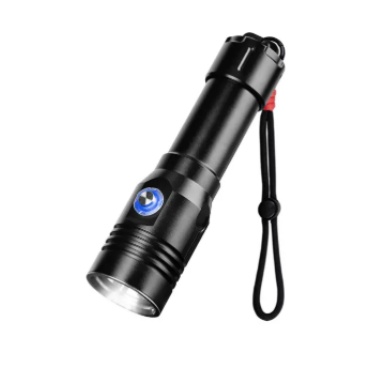
Steps to Make a Diving Flashlight Waterproof
Inspecting and Maintaining O-Rings
O-rings are one of the most important components in a waterproof flashlight. These small rubber seals fit into grooves around the flashlight’s seams and help prevent water from entering the body of the flashlight. O-ring maintenance is essential to ensure that the flashlight stays waterproof. Before each dive, you should inspect the O-rings for cracks, tears, or any other signs of damage. If you notice any wear, it's crucial to replace them immediately to maintain the seal.
In addition to inspecting the O-rings, cleaning them after each use is equally important. Saltwater can degrade the O-rings’ elasticity, so it's necessary to rinse the flashlight with fresh water after each dive. To keep the O-rings in good condition, apply silicone grease regularly. This will help maintain their flexibility and prevent them from drying out, which can compromise their sealing ability.
O-Ring Maintenance Step | Description |
Inspect O-rings | Check for cracks and replace if necessary. |
Clean O-rings | Rinse after use, especially if exposed to saltwater. |
Lubricate O-rings | Apply silicone grease to keep the O-rings in good condition. |
Regular O-ring maintenance is critical to ensuring your flashlight remains waterproof and functional.
Sealing Switch and Openings
Flashlight switches and other openings in the body are areas where water can easily enter if not properly sealed. To prevent this, you need to ensure that all external components, like the switch and charging port, are fully sealed. Use marine-grade epoxy or hot glue to seal any gaps or openings. This step will prevent water from getting inside through these vulnerable areas.
If you're working with a flashlight that uses a traditional physical switch, consider replacing it with a magnetic switch. Magnetic switches eliminate the need for external holes, which reduces the risk of leaks. With a magnetic switch, the light can be turned on or off without breaking the waterproof seal. This is a great DIY modification if you are looking to make your own waterproof diving flashlight.
Sealing Method | Description |
Marine-grade Epoxy | Seal switch holes and any other openings. |
Hot Glue | Fill small gaps and ensure tight seals. |
Magnetic Switch | Use to avoid holes in the flashlight casing. |
These sealing methods ensure that no water can enter the flashlight, especially around the switches and other critical areas.
Filling with Oil (Advanced DIY)
For more advanced DIY enthusiasts, you can fill your flashlight with mineral oil to further enhance its waterproof capabilities. Mineral oil helps protect the internal components, such as the LED and circuitry, from the damaging effects of water. This method is particularly useful for deep-sea divers or those planning to use their flashlight at greater depths where water pressure is more significant.
To implement this, carefully drill small holes in the circuit board of the flashlight and then pump the mineral oil into the housing until it fills up. The oil creates a protective layer around the electrical components, ensuring they remain safe from water damage.
Oil Filling Step | Description |
Drill small holes | Create small openings for oil entry. |
Fill with mineral oil | Pump oil into the flashlight casing to protect the components. |
This method adds another layer of protection for your flashlight, ensuring it remains fully functional even in deep underwater conditions.
Waterproofing Flashlights: Tips and Maintenance
Regular Inspection and Cleaning
After each dive, it’s crucial to rinse your flashlight with fresh water. Saltwater, in particular, can cause corrosion and degrade the materials over time, leading to leaks and other issues. Be sure to inspect the O-rings, switches, and other seals for any signs of wear. This simple routine will help extend the lifespan of your flashlight and maintain its waterproof integrity.
Once you've rinsed your flashlight, allow it to air dry in a cool, dry place. Avoid direct sunlight, which could degrade the materials. To keep your flashlight safe when not in use, store it in a protective case to avoid scratches and physical damage.
Maintenance Task | Description |
Rinse after use | Clean with fresh water after exposure to saltwater. |
Air dry properly | Allow the flashlight to dry in a cool, ventilated area. |
Use a protective case | Store the flashlight in a case to prevent damage. |
Proper maintenance is essential to ensure your flashlight remains waterproof and functional for many dives.
Battery and Switch Maintenance
To maintain the functionality of your diving flashlight, it’s essential to regularly check the battery and switch. Remove the battery after each use and store it in a cool, dry place to prevent leakage or corrosion. Also, test the switch to ensure it hasn’t been damaged by water. A faulty switch can compromise the waterproofing of the flashlight, so it’s important to ensure it is working properly.
Maintenance Task | Description |
Check battery condition | Inspect and store the battery in a dry area. |
Test the switch | Ensure the switch works and hasn’t been damaged by water. |
By regularly inspecting and maintaining the battery and switch, you’ll ensure your flashlight operates optimally for future dives.
Why Shenzhen Tuliang Technology Co., Ltd. (Helius Lights) Offers Reliable Waterproof Flashlights
Customizable Solutions for Diving Needs
Shenzhen Tuliang Technology Co., Ltd. (Helius Lights) is known for providing high-quality, waterproof flashlights designed specifically for diving. Their products feature IPX8 ratings, which allow for continuous submersion in water without compromising performance. Whether you're exploring shallow reefs or deep-sea diving, Helius Lights offers durable and reliable flashlights to meet your needs.
Commitment to Quality and Innovation
Helius Lights offers advanced waterproofing technology that ensures their flashlights remain fully functional in the most challenging underwater conditions. They also provide customizable solutions for different diving environments, making them a trusted brand in the diving community.
Conclusion
In conclusion, ensuring your flashlight is waterproof is crucial for reliability, especially in underwater activities. By following key steps such as maintaining O-rings, sealing openings, and selecting quality materials, you can protect your flashlight from water damage.
Shenzhen Tuliang Technology Co., Ltd. offers high-quality, customizable waterproof flashlights that are perfect for diving and outdoor use. Their commitment to innovation and durability ensures their products provide exceptional value, offering reliable and long-lasting performance for various industries.
FAQ
Q: What makes a flashlight waterproof?
A: A waterproof flashlight has a sealed design that prevents water from entering the body. It’s built with high-quality materials like silicone O-rings and marine-grade aluminum to withstand underwater pressure.
Q: How do I make my flashlight waterproof?
A: To make a flashlight waterproof, inspect O-rings, seal any openings with epoxy or hot glue, and apply silicone grease to maintain flexibility. Choose a flashlight with an IPX8 rating for continuous submersion.
Q: Why is waterproofing important for diving flashlights?
A: Waterproofing ensures that your flashlight can withstand the pressures and risks of underwater environments without malfunctioning. It's essential for reliable performance during diving.
Q: How do I maintain the waterproofing of my flashlight?
A: Regularly clean and lubricate O-rings, seal any gaps, and inspect for damage after each use. Proper storage and maintenance will extend the life of your waterproof flashlight.
Q: What is the cost of waterproof flashlights?
A: The cost varies depending on the features and rating. Basic waterproof flashlights can cost under $50, while high-end models with advanced features and deeper submersion capabilities may range from $100 to $300.


