Introduction
Have you ever thought about designing your own custom flashlight? Whether you're a tactical user or an EDC enthusiast, creating a flashlight tailored to your specific needs can greatly enhance its functionality.
In this guide, we’ll walk you through the process of building a custom flashlight, from selecting the right components to assembling and testing it. You’ll learn how to create a flashlight that fits your preferences, ensuring maximum performance and reliability.
Key Components and Materials for Your Custom Flashlight
Choosing the Right LED for Your Custom Flashlight
The most crucial component of any custom flashlight is the LED. The LED is the source of light, and its performance directly influences the overall efficiency and brightness of the flashlight. When selecting an LED, you need to consider several key factors, including lumens (brightness), color temperature, and efficiency. Here are the most common LED types used in custom flashlights:
● Cree XM-L2: Known for its brightness and efficiency, this LED is often used in high-performance flashlights designed for tactical or outdoor use. The Cree XM-L2 provides excellent light output and is ideal for situations that require a powerful beam.
● Nichia 219C: This LED is celebrated for its color rendering and efficiency, making it a perfect choice for EDC flashlights. The Nichia 219C produces a warmer light and offers great color accuracy, making it ideal for tasks like reading or inspecting materials in natural light.
● UV LEDs: If you plan to use your custom flashlight for specific tasks like fluorescence detection, UV LEDs are essential. These LEDs emit ultraviolet light, enabling you to identify things that would be invisible under normal light, such as pet stains or minerals.
Choosing the right LED also involves considering the lumens output. For most EDC flashlights, a range of 300-1000 lumens is ideal. This provides enough brightness for everyday tasks without being overpowering for close-up work.
LED Type | Lumens Range | Best Use |
Cree XM-L2 | 1000-1600 | High-performance, tactical use |
Nichia 219C | 400-900 | EDC, color accuracy, energy efficiency |
UV LEDs | 200-1000 | UV detection, finding fluorescent materials |
Selecting the Right Battery for Power
The battery is another key component in your custom flashlight. The battery type you choose will depend on the flashlight's size, intended use, and how much runtime you need. Battery technology has come a long way, and the two most common options for custom flashlights are Li-ion rechargeable batteries and disposable batteries:
● Li-ion Batteries (18650, 14500): These rechargeable batteries are commonly used in custom flashlights for their high energy density and long-lasting power. The 18650 battery, in particular, is popular because of its large capacity and ability to power high-output LEDs, making it ideal for tactical flashlights or those requiring long runtimes.
● CR123A and AA Batteries: While not as powerful as Li-ion, these batteries are often used in more compact custom flashlights. They are especially common in smaller flashlights that need to be lightweight and portable. These batteries are easily available, though not as cost-effective in the long run compared to Li-ion.
Li-ion rechargeable batteries are best for frequent use because they offer better efficiency and reduce long-term costs compared to disposable batteries. A 18650 Li-ion battery, for example, is known for its high capacity and long runtime, making it a great choice for custom flashlights that need to perform over extended periods.
Battery Type | Capacity (mAh) | Pros | Cons |
18650 Li-ion | 2500-5000 | Long-lasting, rechargeable | Larger size, requires a charger |
14500 Li-ion | 600-1200 | Compact, rechargeable | Lower capacity compared to 18650 |
CR123A | 1500-2500 | High energy density, compact | Expensive, non-rechargeable |
Flashlight Material Choices
The material used for the body of your custom flashlight is crucial in determining its durability, weight, and overall appearance. The most commonly used materials for flashlight construction are aluminum, titanium, and copper/brass:
● Aluminum: Lightweight, durable, and corrosion-resistant, aluminum is the most popular material for flashlight bodies. It provides a perfect balance of strength and portability, making it ideal for custom EDC flashlights. Aluminum is also relatively cost-effective and easy to machine.
● Titanium: Titanium is a premium option often used in high-end flashlights. It offers incredible strength, lightweight properties, and corrosion resistance. While more expensive than aluminum, titanium flashlights have a premium feel and are highly durable, making them perfect for specialized or high-performance applications.
● Copper/Brass: These materials are chosen for their unique appearance. Copper and brass develop a patina over time, giving the flashlight a distinctive, vintage look. However, they tend to be heavier and more expensive, making them better suited for custom-designed flashlights where aesthetics and exclusivity are important.
Material Type | Characteristics | Best Use |
Aluminum | Lightweight, corrosion-resistant, durable | EDC, tactical flashlights |
Titanium | Premium, strong, corrosion-resistant | High-end, durable flashlights |
Copper/Brass | Unique aesthetic, heavy, corrosion-resistant | Custom designs, unique flashlights |
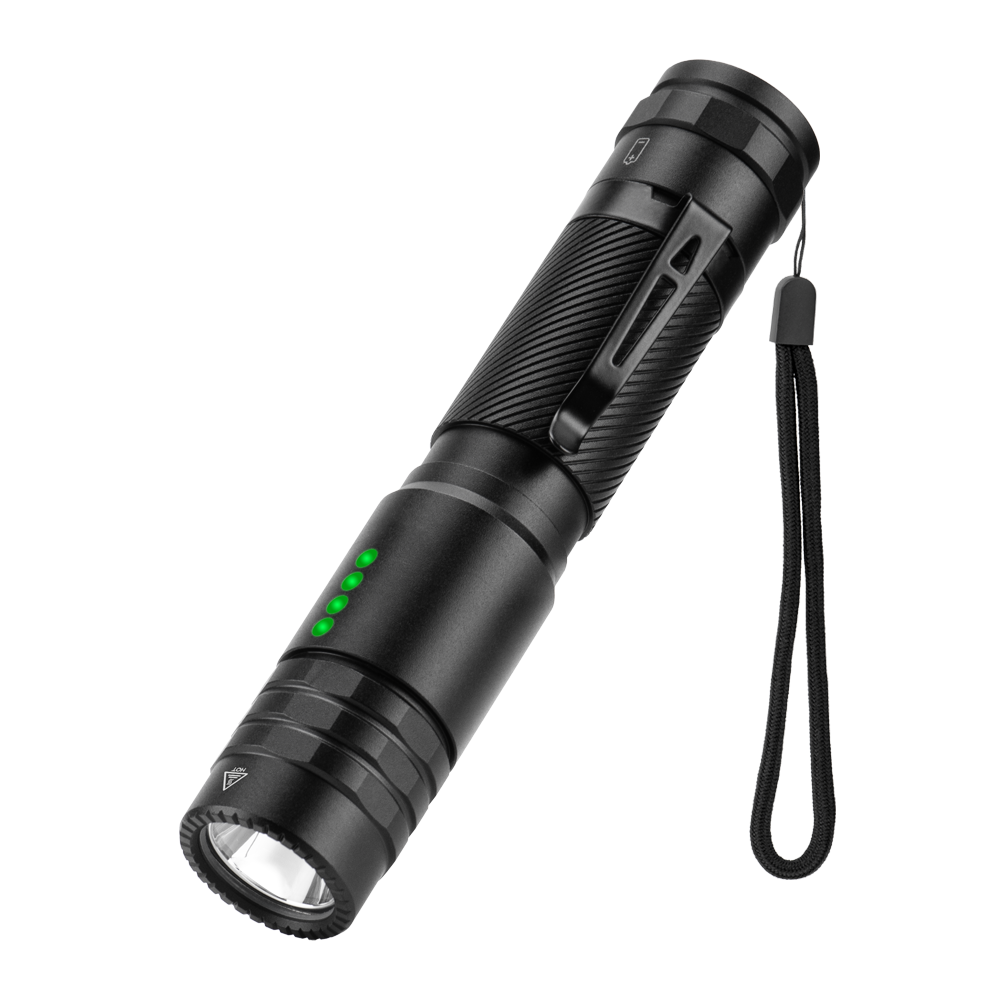
Design and Customization of Your Flashlight
Beam Pattern and Focus Adjustment
When building a custom flashlight, you have the option to design the beam pattern. There are two main types of beam patterns to consider:
● Floodlight: Ideal for general illumination, providing a wide beam that lights up a large area. This is perfect for tasks like camping, reading, or searching a broad area.
● Spotlight: Offers a narrow, focused beam, ideal for long-distance visibility. Spotlights are great for specific tasks like search and rescue, hunting, or highlighting distant objects.
Many flashlights also offer adjustable focus, allowing you to switch between a floodlight and spotlight mode, depending on your needs. This provides flexibility for different lighting situations, ensuring the flashlight is versatile and adaptable.
Selecting the Right Switch for Your Flashlight
The switch of your custom flashlight determines how you will operate it. There are a few common options to choose from:
● Tail Switch: A tail switch allows for one-handed operation, making it ideal for tactical use or when you need quick access to your flashlight.
● Side Switch: A side switch is typically used for multi-mode flashlights, allowing you to toggle between low, high, and strobe modes.
● Rotary Switch: Rotary switches allow for smooth brightness adjustments, offering precision control over the flashlight’s power. This is ideal for users who need to fine-tune their light output for various tasks.
Switch Type | Description | Best Use |
Tail Switch | Located at the end of the flashlight, easy to operate | Tactical, one-handed operation |
Side Switch | Located on the body for mode switching | Everyday carry, multi-mode customization |
Rotary Switch | Provides smooth brightness control | Custom, adjustable brightness |
Personalizing the Body and Adding Engraving
Personalization is a key part of making a custom flashlight. You can customize the body with engraving, such as adding a logo, personal design, or special text. Laser etching is commonly used for this, offering a permanent, high-quality finish. This is especially useful if you're creating a custom flashlight for a brand, as it adds a unique, professional touch.
Additionally, you can customize the grip or bezels for added functionality. Some users prefer textured grips for better handling, or add bezel modifications for tactical use, such as making it strike-capable. Customizing the flashlight’s appearance ensures it’s not only functional but also aesthetically pleasing.
Assembly and Testing of Your Custom Flashlight
Assembling Your Flashlight
Once you have chosen your components, assembling your custom flashlight is the next step. Start by carefully installing the LED module and securing the reflector to ensure proper light distribution. Afterward, insert the battery and connect it to the driver to complete the assembly.
Ensure that all the components fit together securely, and that the flashlight is easy to operate. This is important to prevent any malfunctions or discomfort when using the flashlight in real-world scenarios.
Testing Your Flashlight
After assembly, it’s crucial to test your custom flashlight to ensure it functions properly. Perform the following tests:
● Brightness Testing: Use a lumen meter to measure the lumens and ensure the flashlight delivers the expected brightness. This helps ensure the flashlight meets your needs for both day-to-day and high-demand tasks.
● Beam Pattern and Range: Test the beam pattern to ensure it’s wide (floodlight) or focused (spotlight) as needed. Also, check the range to ensure it meets your expectations.
● Battery Life and Heat Testing: Run the flashlight for several hours to test its battery life and check for heat buildup, ensuring safe operation.
Testing Stage | Description | Best Use |
Brightness Testing | Measure lumen output to ensure correct brightness | Verifies if the flashlight meets brightness expectations |
Beam Pattern Test | Check for even distribution or focus as needed | Ensures the flashlight works for the intended purpose |
Battery Life Test | Test the battery run-time in real-world conditions | Confirms the flashlight will last as required |
Conclusion
In conclusion, making a custom flashlight allows you to tailor the design to your specific needs, whether for tactical, outdoor, or everyday use. By carefully selecting the right components, such as the LED, battery, reflector, and switch, you can ensure optimal performance. Whether you need a powerful beam, a long runtime, or added features like engravings, building a custom flashlight gives you complete control.
For those looking for high-quality custom flashlights, Shenzhen Tuliang Technology Co., Ltd. offers reliable, durable solutions. Their focus on innovation and customer needs ensures top-tier products for all your flashlight requirements.
FAQ
Q: What is a custom flashlight?
A: A custom flashlight is a flashlight that is designed and built according to specific requirements, such as brightness, battery type, size, and features.
Q: Why should I build a custom flashlight?
A: Building a custom flashlight allows you to tailor it to your specific needs, whether for outdoor activities, tactical use, or everyday carry, offering enhanced functionality and personalization.
Q: How do I choose the right LED for my custom flashlight?
A: When selecting the LED for your custom flashlight, consider factors like lumens (brightness), color temperature, and efficiency based on your intended use (EDC, tactical, or outdoor).
Q: How much does a custom flashlight cost?
A: The cost of a custom flashlight depends on components like LED quality, battery type, and additional features. Prices typically range from $20 to $100 or more, depending on customization.
Q: Can I add engraving to my custom flashlight?
A: Yes, engraving is a popular customization option for custom flashlights. It can be done using laser etching to add logos, names, or personal designs to your flashlight.


