Introduction
Have you ever wondered how LED flashlights are made? With advanced technology and a vast supply chain, China is the world's leading manufacturer of these essential tools.
In this article, we will explore how LED flashlights are manufactured in China, the materials used, and the step-by-step process. You’ll learn about the role of Flashlight Wholesale Distributors and how to choose the right manufacturer for your needs.
Key Components and Materials in LED Flashlight Manufacturing
Sourcing LED Chips and Components
The heart of every LED flashlight is the LED chip, which determines the brightness and efficiency of the light. Most high-end LED flashlights use imported chips from CREE, Luminus, or other leading brands known for producing high-performance LEDs. While imported chips are often used for premium models, some manufacturers in China also produce domestic chips, which are more affordable and suitable for budget-friendly flashlights.
In addition to the LED chips, other essential components include reflectors that focus and direct light, optics that control the beam pattern, and printed circuit boards (PCBs) that provide the necessary electrical connections for the flashlight. These components are sourced from a network of specialized suppliers within China, benefiting from the country's well-established electronics supply chain.
Component | Material Options | Best Use |
LED Chips | CREE, Luminus, or domestic chips | High-performance, efficient lighting |
Body Material | Aluminum, aluminum alloy, stainless steel | Durability, corrosion resistance, lightweight |
Plastic | ABS, Polycarbonate | Budget-friendly, lightweight flashlights |
Material Selection for Flashlight Bodies
The materials used for the flashlight body are essential for its strength, weight, and durability. Aluminum is the most common material used, providing an excellent balance of strength, corrosion resistance, and weight. Aluminum alloys are often used for higher-end flashlights, offering superior strength and better resistance to wear and tear. In contrast, plastic options like ABS and polycarbonate are lighter and more cost-effective, making them suitable for budget models.
The choice of material impacts the overall design and performance of the flashlight. For example, flashlights designed for heavy-duty or outdoor use often have an aluminum body, while flashlights aimed at casual use or less extreme environments might use plastic.
Material Type | Description | Best Use |
Aluminum | Lightweight, corrosion-resistant material | Flashlight body |
Aluminum Alloy | Stronger, more durable than regular aluminum | Professional-grade flashlights |
Plastic | Cost-effective and lightweight | Budget flashlights |
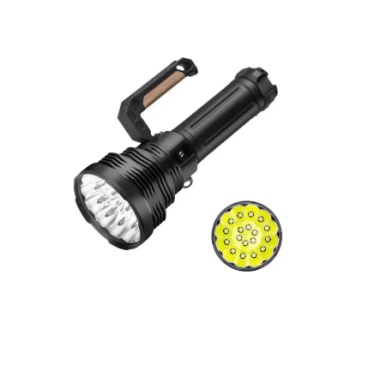
The Manufacturing Process of LED Flashlights
CNC Machining for Metal Flashlights
The production of metal flashlights involves several stages of CNC (Computer Numerical Control) machining. The process begins with raw metal bars, often aluminum, which are shaped into the desired flashlight body. CNC lathes use cutting tools to trim and mold the metal, creating the smooth body of the flashlight.
Once the basic shape is formed, anodizing is applied to the metal to protect it from corrosion and improve its durability. Anodizing also gives the flashlight a sleek, matte finish that enhances its aesthetic appeal.
Injection Molding for Plastic Flashlights
For plastic flashlights, injection molding is the primary manufacturing method. In this process, plastic pellets (such as ABS or polycarbonate) are heated to a high temperature and injected into precision molds. The molds create the various components of the flashlight, such as the lens, tail cap, and housing.
Once the plastic parts have cooled and solidified, they are removed from the molds and undergo finishing processes like polishing or painting. For added durability and protection, a protective coating may be applied to the plastic parts.
Process | Description | Best Use |
CNC Machining | Shaping metal components using automated tools | High-precision, durable metal flashlights |
Injection Molding | Shaping plastic components with precision molds | Lightweight, cost-effective plastic flashlights |
Assembling the Flashlight
Once the components have been fabricated, the assembly process begins. Flashlight factories in China often use a combination of automated production lines and manual labor to assemble the flashlights. Skilled workers install LED modules, connect wiring, and fit reflectors and optics into the flashlight body.
The assembly process is highly precise, ensuring that all components fit securely and the flashlight operates smoothly. After the electrical components are installed, the lens cap is added, and the flashlight is sealed using O-rings and gaskets to ensure it is waterproof.
Testing and Quality Control
After the flashlight is assembled, it undergoes rigorous testing to ensure that it meets the required performance and safety standards. These tests include:
● Lumen Tests: To measure the brightness and ensure the flashlight delivers the desired light output.
● Waterproof Testing: To ensure the flashlight can withstand water exposure, often tested to an IPX6 or IPX8 rating.
● Drop Tests: To assess the durability of the flashlight by subjecting it to drops and impacts.
● Battery Performance Testing: To ensure that the flashlight's battery life meets the specified requirements.
Factories in China also conduct thermal cycling and shock tests to ensure that the flashlight can perform under extreme conditions.
Testing Type | Description | Best Use |
Lumen Testing | Measures light output using integrating spheres | Ensures the flashlight provides the desired brightness |
Waterproof Testing | Verifies water resistance (IPX ratings) | Ensures durability in wet conditions |
Drop Testing | Tests the flashlight’s ability to withstand impacts | Verifies physical durability and toughness |
Advantages of Manufacturing LED Flashlights in China
Cost-Effective Production
China has long been known for its ability to produce high-quality goods at lower costs. The low labor costs in China allow for the efficient and affordable production of LED flashlights, making them more accessible for wholesale distributors. This affordability is a key reason why many companies choose to manufacture their flashlights in China.
High-Volume Production Capabilities
China’s manufacturing capabilities allow for high-volume production, which is a critical factor for flashlights in the consumer market. With advanced manufacturing facilities, companies can quickly scale production to meet demand, ensuring a steady supply of high-quality flashlights for global markets.
Expertise and Technology
China has invested heavily in its manufacturing infrastructure, particularly in electronics and LED technology. With state-of-the-art CNC machines, injection molding equipment, and quality testing labs, Chinese manufacturers are well-equipped to produce top-tier flashlights at scale. The highly skilled workforce ensures that each flashlight meets the highest standards of performance, efficiency, and durability.
How to Choose the Right Flashlight Wholesale Distributor in China
Assessing Quality and Reliability
When choosing a flashlight wholesale distributor in China, it’s essential to ensure that their products meet international standards such as CE and RoHS certifications. Look for distributors who have a proven track record of delivering high-quality products and can provide quality guarantees.
Price and Minimum Order Quantities
Flashlight distributors in China often have different price points based on the flashlight's features and quality. It's crucial to evaluate the minimum order quantity (MOQ) to ensure it aligns with your business needs. Compare prices from multiple distributors and balance cost with quality to get the best deal.
Consideration | Details | Best Use |
Price | Find the right balance between cost and quality | Ensures affordability without sacrificing quality |
MOQ | Assess the distributor’s MOQ requirements | Helps businesses manage inventory and budget |
Certifications | Ensure products meet international safety standards | Guarantees high-quality, safe products |
Conclusion
In conclusion, LED flashlights are manufactured through a precise process in China, which includes sourcing high-quality materials, machining components, and performing rigorous testing. The country’s established infrastructure and supply chain make it a global leader in flashlight production.
For those looking for reliable and durable LED flashlights, Shenzhen Tuliang Technology Co., Ltd. offers top-quality products designed to meet the needs of wholesale distributors. Their flashlights are built for performance, durability, and energy efficiency, ensuring excellent value for any business.
FAQ
Q: What is an LED flashlight and how does it work?
A: An LED flashlight uses light-emitting diodes (LEDs) to produce light. These LEDs are energy-efficient, long-lasting, and provide brighter illumination compared to traditional incandescent bulbs.
Q: Why are LED flashlights more popular than incandescent ones?
A: LED flashlights are more popular because they offer better energy efficiency, longer battery life, and increased durability, making them more cost-effective in the long term.
Q: How do I choose the right LED flashlight?
A: When choosing an LED flashlight, consider the brightness (lumens), battery life, durability, and size. For wholesale distributors, selecting reliable manufacturers is also key.
Q: What are the advantages of buying LED flashlights from a flashlight wholesale distributor?
A: Wholesale distributors offer cost-effective pricing, bulk purchasing options, and reliable product quality, which is beneficial for businesses looking to resell flashlights.
Q: How much does a quality LED flashlight cost?
A: The cost of an LED flashlight varies depending on features like brightness, size, and battery type. Basic models can cost around $10, while high-performance flashlights can range up to $100 or more.


