Warehouse and Logistics Flashlight Solutions for Low-Light Work Environments

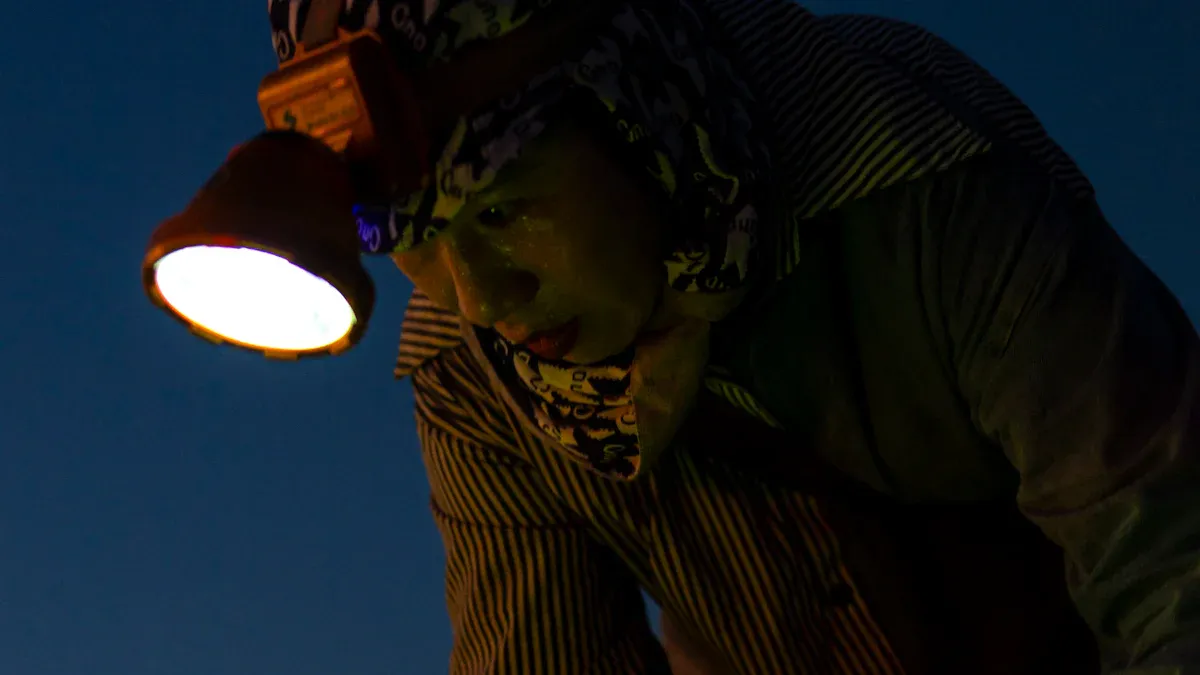
You face unique challenges in warehouse or logistics environments with low-light conditions. Enhanced visibility improves operational efficiency and safety. Recent research shows that digital lighting solutions like LED and induction, including specialized options such as the helius flashlight, lead to cost savings and better inventory tracking.
Implication of Poor Visibility | Impact on Operational Efficiency |
|---|---|
Mismanaged inventory levels | Leads to stockouts and increased holding costs |
Increased labour expenditures | Higher costs for error resolution |
Customer satisfaction | Directly affected by operational inefficiencies |
Key Takeaways
Choose flashlights with at least 1000 lumens for optimal visibility in large warehouse spaces. This brightness level supports tasks like inventory checks and emergency responses.
Select durable flashlights with high IK and IP ratings to withstand impacts and resist dust and moisture. This ensures reliable performance in demanding environments.
Consider hands-free lighting options like headlamps or clip-on lights to improve safety and efficiency. These solutions allow you to focus on tasks without juggling equipment.
Key Flashlight Features
Brightness & Beam Distance
You need a flashlight that delivers powerful illumination to navigate large warehouse spaces. Brightness, measured in lumens, determines how well you can see in dark aisles and corners. For warehouse operations, a minimum output of 1000 lumens is recommended. This level of brightness supports tasks ranging from inventory checks to emergency responses.
Lumen Output Range | Common Uses |
|---|---|
1000 - 3000 lumens | Military, Special Forces, Search and Rescue, Advanced Camping |
Beam distance also plays a critical role in safety and productivity. A focused beam helps you spot hazards and read labels from a distance. Proper beam spacing ensures safe maneuverability for forklifts and improves operational efficiency. Regular assessment of beam distance preserves the integrity of storage rack systems, especially in seismic-prone areas.
Tip: Reducing the distance between pallets and beams can speed up material retrieval by up to 20%. Wider aisles allow forklifts to move safely, while narrower aisles maximize storage capacity.
Durability & Build
You work in environments where flashlights face frequent drops and impacts. Durable construction is essential. Most warehouse flashlights use aluminum or strong plastic for their bodies. These materials resist damage and extend the lifespan of your equipment.
Aluminum offers lightweight strength and resists corrosion.
Strong plastic provides shock absorption and is cost-effective.
The IK rating system measures impact resistance. Ratings range from IK01 to IK10. Higher numbers indicate greater protection against physical shocks. You should select flashlights with high IK ratings for demanding warehouse conditions.
Understanding IP ratings is also crucial. IP ratings indicate protection against dust and moisture. The first digit shows resistance to solid objects, while the second digit shows resistance to liquids. Higher IP ratings mean better durability. In industrial settings, flashlights with high IP ratings last longer and perform reliably, even when exposed to harsh elements.
Battery Life & Charging
Battery life affects how long you can work without interruptions. LED flashlights offer efficient energy use, but battery duration varies by brightness level.
Lumen Output | Battery Life Estimate |
|---|---|
Under 50 lumens | 20-50 hours |
50-150 lumens | 6-12 hours |
Over 150 lumens | 2-8 hours |
You should choose flashlights that balance brightness with battery longevity. Rechargeable models reduce waste and lower long-term costs. The helius flashlight, for example, combines high lumen output with extended battery life, making it suitable for long shifts and demanding tasks.
Note: Always keep spare batteries or charging stations accessible to avoid downtime during critical operations.
Hands-Free Options
Warehouse tasks often require both hands. Hands-free lighting solutions improve safety and efficiency. Industrial headlamps provide wide, diffused beams, ideal for close-up work. You can wear them comfortably for extended periods.
Right angle flashlights offer versatility. Clip them onto clothing for hands-free use, or detach them for handheld tasks. These options let you focus on your work without juggling equipment.
Instant illumination activates with movement, preventing you from entering dark areas.
Reliable brightness minimizes shadows and blind spots.
Hands-free operation keeps lights aligned with your movements, enhancing productivity.
Night shift support reduces fatigue-related risks.
Emergency readiness ensures safety systems activate during unstaffed hours.
Safety Alert: Hands-free lighting solutions help you comply with safety regulations by reducing the risk of accidents and improving visibility during multitasking.
Best Flashlight Types for Warehouses

Handheld Flashlights
You rely on handheld flashlights for their versatility and reliability. These tools offer high brightness, often exceeding 500 lumens, which helps you see clearly in dark or expansive warehouse areas. Most models use durable materials like aluminum or reinforced plastic, so they withstand drops and rough handling. Many handheld flashlights feature rechargeable batteries, saving you money and reducing waste. Look for waterproof ratings such as IPX7 or IPX8 if you work in damp environments. Some models include magnets or clips for hands-free use.
Feature | Description |
|---|---|
Durability and Build Quality | Strong aluminum or reinforced plastic construction |
Brightness | 500+ lumens for clear visibility |
Battery Options | Rechargeable for cost savings |
Waterproof Rating | IPX7/IPX8 for water resistance |
Hands-Free Options | Magnets or clips for safe operation |
Users often praise handheld flashlights for their bright light and reliability. Many models, like the SureFire G2X, receive high satisfaction ratings for performance.
Headlamps
Headlamps keep your hands free while providing focused light. You can choose models with high lumens (300–700) for detailed tasks or 800+ lumens for total darkness. Adjustable headbands and lightweight designs ensure comfort during long shifts. Many headlamps offer both flood and spot beams, letting you switch between wide-area and precision lighting. Rugged construction and high IP ratings protect against dust, water, and impacts.
Adjustable brightness settings
Compatible with hard hats
Motion sensors and red light modes for added functionality
Clip-On & Wearable Lights
Clip-on and wearable lights boost your mobility. You attach them to clothing or equipment, so you move freely without holding a flashlight. Devices like the REFLEX use sensors to monitor your movements and provide real-time alerts, helping you avoid unsafe postures. This technology supports safer, more efficient work throughout your shift.
Tip: Wearable lights reduce the risk of strain and injury by keeping your hands and vision focused on the task.
Area & Work Lights
Area and work lights illuminate large spaces, making them ideal for loading docks or inventory zones. These lights provide broad, even coverage, unlike portable flashlights that focus on specific spots. Area lights use more energy but deliver a wide flood of light, improving visibility for teams working together.
Feature | Area Lights | Portable Flashlights |
|---|---|---|
Coverage | Broad illumination | Focused beam |
Energy Use | Higher | Lower |
Beam Distribution | Wide flood | Concentrated |
Choosing the Right Flashlight Solution
Assessing Your Environment
You must start by evaluating your warehouse or logistics environment. Each facility has unique lighting needs based on its size, layout, and daily activities. Ceiling height, aisle arrangement, and product types all influence your choice of flashlight.
Warehouse layout affects lighting needs:
Dock areas need lighting that avoids obstructions and provides strong ground illumination, usually 200-300 lux.
Shelf areas with narrow aisles benefit from asymmetric lighting to improve visibility and accuracy.
Consider environmental factors that impact your flashlight selection. The table below highlights key considerations:
Environmental Factor | Description |
|---|---|
Sustainable Materials | Choose flashlights made from recycled or renewable materials, such as recycled metals or biodegradable plastics. |
Energy Efficiency | Select energy-efficient designs like LED bulbs that use less power and last longer. |
Solar-Powered Options | Use solar flashlights to harness renewable energy and reduce reliance on disposable batteries. |
Tip: Assess your facility’s lighting needs regularly. Changes in warehouse layout or inventory can affect your requirements.
Matching Features to Tasks
You should match flashlight features to specific job tasks for maximum efficiency. The right features improve safety, reduce fatigue, and boost productivity. Use the table below to guide your selection:
Use Case Description | Benefits for Bulk Buyers | |
|---|---|---|
Large Spaces | High brightness (300-600 lumens), long beam distance | Ensures consistent lighting across wide areas |
Tight Areas | Compact, lightweight designs | Improves maneuverability and reduces fatigue |
Multi-Purpose Tasks | Adjustable brightness, durable materials | Offers versatility and long-term reliability |
For example, if you work in large open spaces, select a flashlight with high brightness and a long beam. In tight or confined areas, a compact and lightweight model works best. Multi-purpose tasks require adjustable brightness and rugged construction. The helius flashlight offers a blend of these features, making it suitable for a variety of warehouse applications.
Safety & Compliance
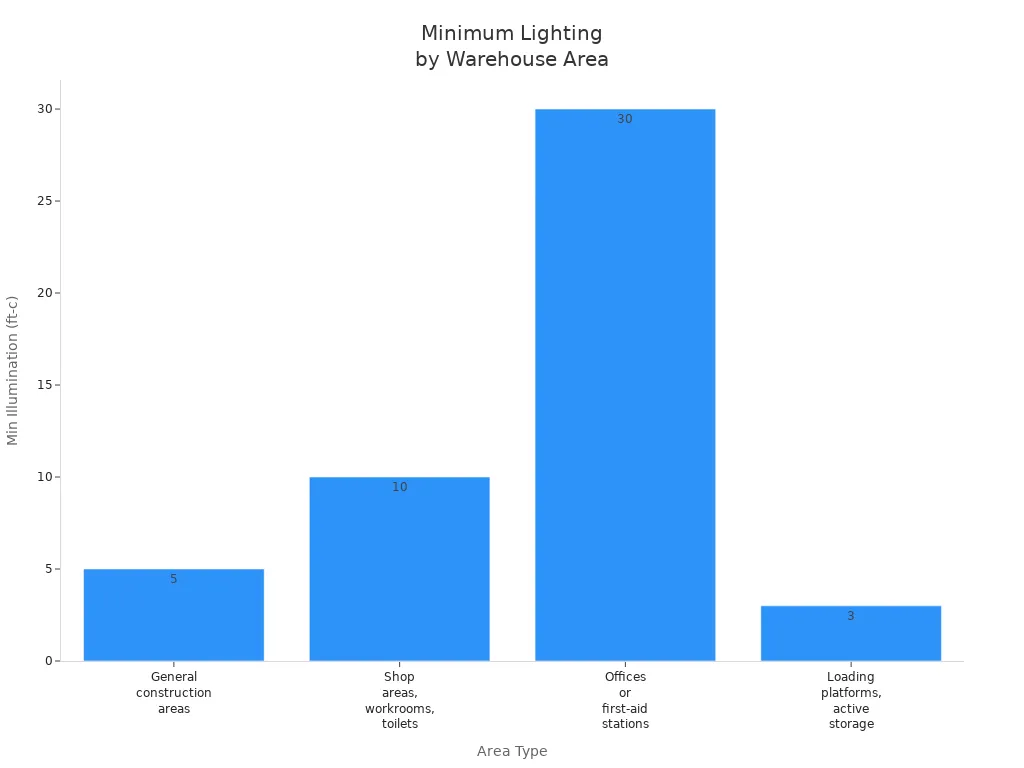
Safety and compliance should always guide your flashlight choices. Warehouses must meet strict lighting standards to protect workers and maintain productivity. Regulations specify minimum illumination levels for different areas:
Area Type | |
|---|---|
General construction areas | 5 |
Shop areas, workrooms, toilets | 10 |
Offices or first-aid stations | 30 |
Loading platforms, active storage | 3 |
You must also follow OSHA requirements for lighting equipment:
All fixtures need protective plates.
Fixtures must be at least 7 feet above work surfaces or have shatterproof shields.
No exposed or live parts.
No openings large enough for a finger.
Fixtures must be firmly mounted.
Flashlights and headlamps help maintain safety during power outages or scheduled shutdowns. Cordless, battery-operated models eliminate tripping hazards from cords. Always select lighting equipment that meets or exceeds OSHA standards to create a safer work environment.
Note: Emergency lighting systems must provide illumination during power outages. Regularly test your flashlights to ensure compliance.
Budget & Value
You need to balance quality, performance, and cost when choosing a flashlight solution. High-quality warehouse flashlights range in price, as shown below:
Product Name | Price Range |
|---|---|
Streamlight ProTac HLX Flashlight | $97.90 – $110.16 |
Streamlight SL SideSaddle USB Helmet Light | $53.20 – $56.81 |
Streamlight SL SideSaddle Helmet Light | $35.18 – $38.88 |
Razor GO LED Flashlight | $38.99 |
Razor Pro LED V1 Flashlight | $45.95 |
Helius F19 Flashlight | $35.50 |
BFL 3000 Lumen LED Area Light | $225.99 |
SureFire UDR Dominator High Output Flashlight | $1,495.00 |
Long-term maintenance affects your total cost of ownership. LED fixtures may cost more upfront, but they save energy and reduce maintenance expenses. Their longer lifespan often leads to a favorable return on investment within a few years. High-quality lighting systems also lower replacement and repair costs over time. Choose products with easy maintenance access and strong warranties to maximize value.
Callout: Total Cost of Ownership (TCO) includes installation, energy use, maintenance, repair, and disposal. Always consider these factors before making a purchase.
When you select a flashlight, look beyond the initial price. Consider energy efficiency, durability, and maintenance needs. The right investment will support your operations and safety for years to come.
Helius Flashlight and Advanced Lighting Solutions
Helius Flashlight Benefits
You need a reliable tool for demanding warehouse tasks. The helius flashlight delivers high brightness and long battery life, making it ideal for extended shifts. Its rugged design withstands drops and harsh conditions, so you can trust it in any environment. You benefit from ergonomic controls that let you adjust settings quickly, even while wearing gloves. The helius flashlight also offers hands-free options, which help you stay productive and safe during complex operations.
LED & Induction Lighting
Advanced lighting technologies improve your work environment. LED lighting uses less power than traditional bulbs and maintains over 90% output at 60,000 hours. You can replace a 400-watt metal halide with a 200-watt LED, cutting energy use in half. Induction lighting lasts up to 100,000 hours and generates more lumens per watt. These lights perform well in cold warehouses and reduce maintenance needs. You save time and money by choosing efficient lighting solutions.
LED lights consume less energy and last longer.
Induction lights provide bright, consistent illumination for years.
Both options lower your maintenance costs and improve safety.
Energy Efficiency & Sustainability
You support sustainability when you choose advanced lighting. Smart systems use sensors to adjust lighting based on occupancy and daylight, reducing waste. These systems can cut lighting energy use by up to 90%, which lowers your carbon footprint. The table below highlights key sustainability advantages:
Aspect | Description |
|---|---|
Energy Consumption | LED lights consume significantly less power compared to traditional incandescent bulbs. |
Operational Efficiency | Advanced lighting control systems adjust lighting based on occupancy and daylight, reducing waste. |
Environmental Impact | Lower energy consumption leads to reduced greenhouse gas emissions, supporting sustainability. |
By implementing energy-efficient lighting, you lower operational costs and show your commitment to responsible business practices. The helius flashlight fits into this strategy, helping you meet both safety and sustainability goals.
Flashlight Use Tips in Warehouses
Maintenance & Care
You extend the life of your flashlights by following a regular maintenance schedule. Inspect each device for cracks, corrosion, or loose parts before every shift. Clean the lens and body with a soft cloth to remove dust and debris. Replace batteries as soon as you notice a drop in brightness. Rechargeable models require you to check charging contacts and cables for wear. Always test the flashlight after maintenance to confirm proper function.
Tip: Mark maintenance dates on a calendar or use a digital log. This habit helps you track performance and spot recurring issues early.
Storage & Accessibility
Proper storage ensures your flashlights remain ready for use. Store devices in a dry, secure location away from direct sunlight and extreme temperatures. Use wall-mounted racks or labeled bins to keep flashlights organized and easy to find. Assign specific storage spots for each team or shift. This system reduces time spent searching for equipment and prevents loss.
Storage Method | Benefit |
|---|---|
Wall-mounted racks | Quick access |
Labeled bins | Organized inventory |
Assigned locations | Accountability |
Staff Training
You improve safety and efficiency by training your team on flashlight use. Begin each session with a clear overview of the topic and its importance. Structure the training logically, starting with basic functions and moving to advanced features. Use hands-on practice so staff become comfortable with the tools. Offer ongoing support through a helpdesk or mentorship program. Vary your training methods to match different learning styles, and keep sessions concise to avoid overload. Summarize key points and encourage questions at the end to reinforce understanding.
Conduct training sessions covering tool functionalities.
Facilitate hands-on practice for comfort and confidence.
Provide ongoing support and encourage open communication.
Well-trained staff use flashlights more effectively, reducing accidents and improving workflow.
You improve warehouse safety and efficiency by choosing the right flashlight. Match features to your tasks and safety needs. Consider advanced options like the helius flashlight. Create a checklist for selection and implementation. Prioritize sustainability and reliability in every lighting decision.
FAQ
What is the best flashlight type for warehouse workers?
You benefit most from headlamps or handheld LED flashlights. These options provide strong illumination, durability, and hands-free operation for daily warehouse tasks.
How often should you maintain warehouse flashlights?
You should inspect and clean flashlights weekly. Replace batteries or recharge devices as needed. Regular maintenance ensures reliable performance and extends lifespan.
Are rechargeable flashlights better for logistics operations?
You save money and reduce waste with rechargeable flashlights. These models offer longer battery life and support sustainable warehouse practices.
See Also
Benefits of XHP360 LED Flashlights for Bulk Purchasers
Enhance Outdoor Security with Wholesale Mini Pocket Flashlights
Boost Your Profits by Buying Flashlights Wholesale