0.1W vs. 1W vs. 5W LED: How to Choose the Right LED Power for Your Flashlight Design

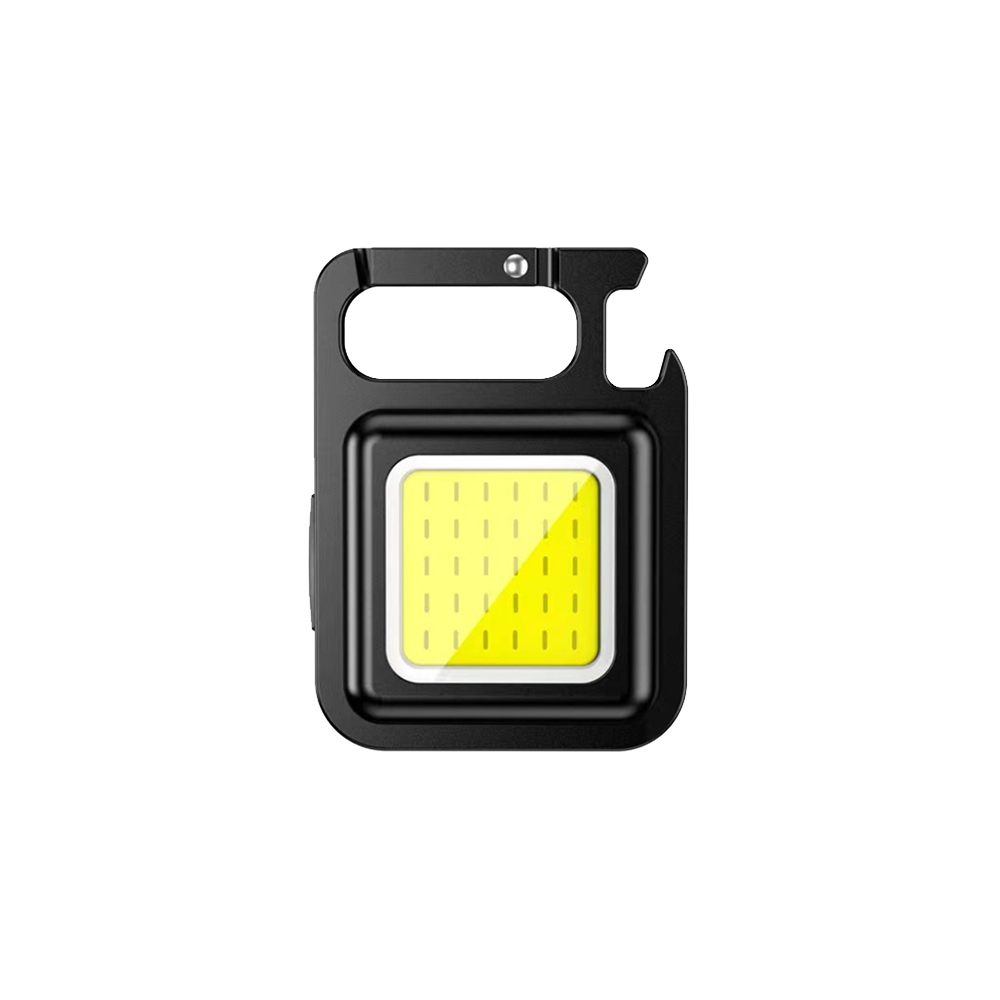
You want the right LED for your flashlight. If you need a simple reading light, a 0.1W LED gives you soft, efficient illumination. For everyday carry, a 1W LED provides a strong balance of brightness and battery life. When you require maximum power for outdoor or tactical use, a 5W LED delivers impressive brightness. LED power influences not just output but also battery drain and heat. You must consider how an LED affects design, longevity, and safety. Choosing the correct LED ensures your flashlight performs as you expect.
Key Takeaways
Select a 0.1W LED for compact flashlights needing gentle light and long battery life. Ideal for reading or emergency use.
Choose a 1W LED for everyday carry. It balances brightness and battery life, making it suitable for various tasks.
Opt for a 5W LED when maximum brightness is essential. Perfect for tactical or professional use, but requires careful heat management.
Always match LED power to your specific needs. Higher wattage means more light but also more heat and battery drain.
Consider battery type and thermal management in your flashlight design. These factors impact performance and longevity.
Quick Guide: Choosing LED Power
Selecting the right LED for your flashlight design depends on your specific needs. You must consider brightness, run time, durability, ergonomics, heat, and extra features. Each watt level offers unique advantages for different lighting scenarios. This guide helps you match LED power to your intended application.
0.1W LED Uses
You choose a 0.1 watt LED when you want minimal output and maximum efficiency. This LED suits tasks that require gentle lighting and extended battery life. You often find 0.1 watt LEDs in compact flashlights, keychain lights, and reading lamps. These devices provide enough illumination for close-up work without draining batteries quickly.
You use 0.1 watt LEDs for reading in bed or navigating dark hallways at night.
You rely on them for emergency backup lighting in small spaces.
You benefit from their low heat generation, which keeps your flashlight cool during prolonged use.
You appreciate their lightweight design, which enhances portability.
A 0.1 watt LED delivers soft output, making it ideal for situations where you do not want to disturb others or attract attention. You prioritize battery life and comfort over intense brightness.
1W LED Uses
A 1 watt LED offers a balanced output for everyday lighting needs. You select this LED for flashlights that require moderate brightness and reasonable run time. The 1 watt LED fits a wide range of applications, from home use to outdoor activities.
Scenario | Description |
|---|---|
Emergency Services | You use 1 watt LEDs for navigation and victim location during crisis situations. |
Campers and hikers trust 1 watt LEDs for safety and convenience during nighttime tasks. | |
Industrial Work | You depend on 1 watt LEDs for inspections and repairs in poorly lit environments. |
Military Operations | Tactical teams use 1 watt LEDs for navigation without compromising stealth. |
Home and Auto Emergencies | You rely on 1 watt LEDs during power outages and mechanical failures in low-light conditions. |
You benefit from the versatility of 1 watt LEDs. These LEDs provide enough output for most daily tasks while maintaining manageable heat and battery consumption. You find them in EDC flashlights, work lights, and emergency kits. The 1 watt LED gives you reliable lighting without excessive power drain.
5W LED Applications
You choose a 5 watt LED when you need maximum output and high-performance lighting. This LED suits flashlights designed for demanding environments and specialized tasks. The 5 watt LED produces intense brightness, making it suitable for professional and tactical use.
Application | Description |
|---|---|
Investigations | You use 5 watt LEDs for searching and examining areas for evidence. |
Evidence Collection | You rely on 5 watt LEDs for gathering and documenting evidence in low-light. |
Spot Illumination | You benefit from focused lighting on specific areas or objects. |
Emergency Situations | You depend on 5 watt LEDs for visibility and safety during crises. |
A 5 watt LED delivers powerful output, but you must manage heat and battery life carefully. You find these LEDs in searchlights, tactical flashlights, and professional-grade lighting tools. You use them when you need to illuminate large areas or perform detailed inspections. The 5 watt LED provides superior lighting performance, but you must consider thermal management and battery capacity in your design.
Tip: Always match LED power to your flashlight’s intended use. Higher watt LEDs offer more output but require better heat dissipation and larger batteries. Lower watt LEDs maximize efficiency and portability.
You improve your flashlight design by understanding the strengths of each LED watt level. You select the right LED to achieve the desired output, power efficiency, and lighting quality for your application.
0.1W vs. 1W vs. 5W LED Comparison
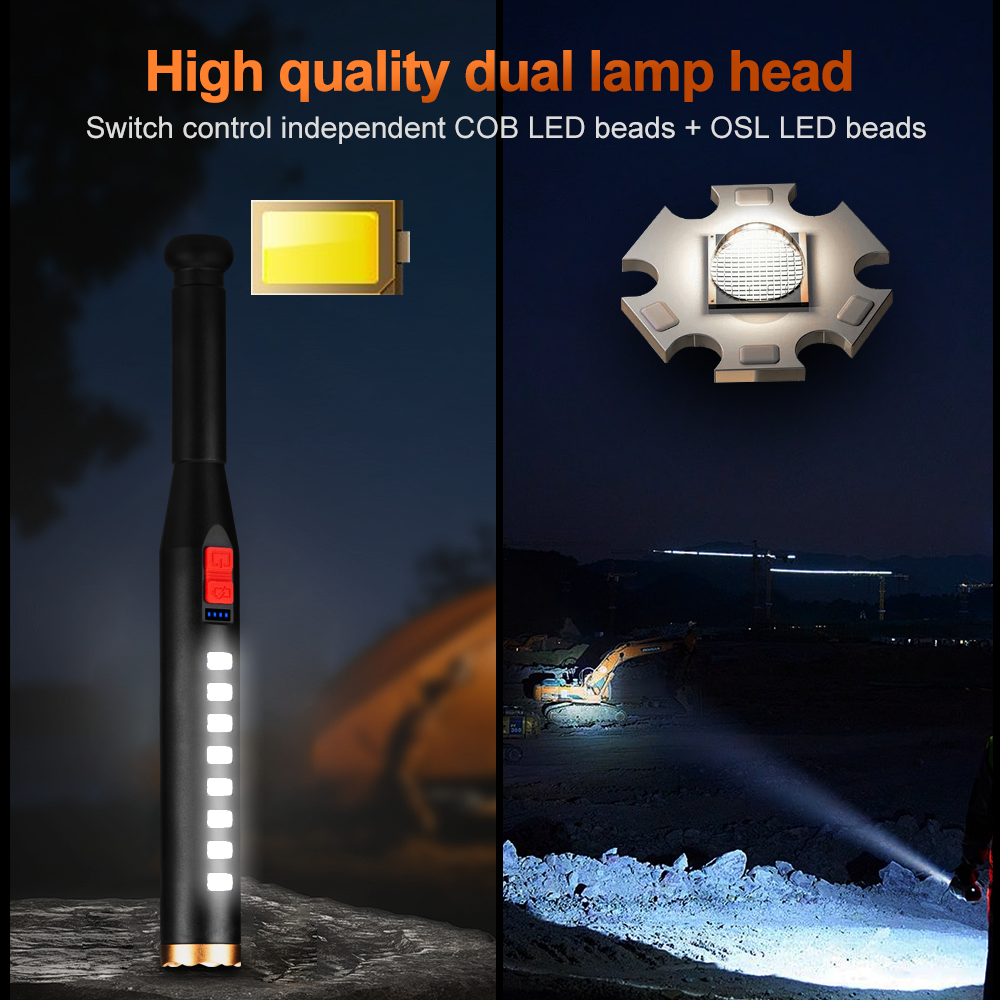
Key Specs and Output
You need to compare the main specifications before choosing the right lighting for your flashlight. The table below shows how each LED power level affects output, efficiency, battery life, and heat:
LED Power | Lumen Output | Efficiency | Battery Life | Heat Generation |
|---|---|---|---|---|
0.1W | Very Low (N/A) | Very High | Extremely Long | Minimal |
1W | 100–130 lumens | High | Long | Manageable |
5W | 400–500 lumens | Moderate | Short | High |
A 0.1W LED gives you gentle lighting with almost no heat. You get the longest battery life, but the output is limited. A 1W LED offers a strong balance. You receive enough lighting for most daily tasks, and you do not need to worry much about heat or battery drain. The 5w led stands out for its high output. You get intense lighting, but you must manage heat and battery life carefully.
Pros and Cons
You should weigh the advantages and disadvantages of each LED power level to match your lighting needs:
0.1W LED:
You benefit from low power consumption and cool operation.
You can use it in small flashlights for reading or emergency lighting.
You face limited output, which may not suit outdoor or tactical use.
1W LED:
You get a good balance of output and thermal control.
You can rely on it for general lighting, EDC, and work tasks.
You may find the brightness moderate for some demanding applications.
5w led:
You enjoy high output, perfect for search, rescue, or tactical lighting.
You must address heat buildup and shorter battery life.
You need better thermal management and larger batteries for safe performance.
LED flashlights use electronic controls to deliver consistent lighting. These controls can fail before the LED itself, so the quality of components matters for long-term performance. Turbo modes on high-power LEDs, like the 5w led, can increase heat and reduce lifespan if not managed well. Different manufacturers use various heat sinking methods, which affect how well your flashlight handles heat. Your behavior, such as leaving the light on, also impacts the lifespan and performance of your lighting tool.
Note: LEDs provide high efficiency and long lifespan compared to incandescent bulbs. They use semiconductors to create light, which means less energy wasted as heat and more reliable lighting for your needs.
You improve your flashlight design by understanding how each LED power level affects output, efficiency, and performance. You can select the right lighting for your application by considering these factors.
LED Output and Brightness

Understanding Lumen Output
You need to understand how lumens measure the total visible light produced by an LED. Lumens give you a clear way to compare the lighting performance of different flashlights. When you look at LED power, you see that higher power usually means more lumens. For example, a 0.1W LED produces very low lumens, while a 5W LED can reach several hundred lumens.
The efficiency of the LED also plays a big role in output. Some LEDs convert more power into light, which means you get more lumens for the same wattage. You should also consider the design of your flashlight. The lens and reflector can focus or spread the lighting, which changes how bright the output appears to your eyes.
Higher LED power increases lumens.
LED efficiency affects how much light you get from each watt.
Flashlight design impacts perceived brightness and luminosity.
You should not judge lighting only by power. Always check the lumens rating to know the real output and luminosity.
Matching Output to Use
You want to match the output of your LED to your specific needs. For reading or close-up tasks, you need only a few lumens. A 0.1W LED gives you gentle lighting with low output and minimal brightness. For everyday carry, you may want 100 to 130 lumens from a 1W LED. This level of lighting covers most daily tasks and offers good luminosity.
If you need to light up a large area or work outdoors, you should choose a 5W LED. This LED can deliver 400 to 500 lumens, giving you high output and strong brightness. You must remember that more lumens mean more power use and heat.
Application | Recommended Lumens | LED Power Example |
|---|---|---|
Reading/Keychain | 1–10 | 0.1W |
EDC/General Use | 100–130 | 1W |
Outdoor/Tactical | 400–500 | 5W |
You improve your flashlight design by matching the right LED output and luminosity to your lighting needs. You get the best performance when you balance power, lumens, and application.
Power Use and Battery Life
Run Time by LED Power
You must consider how led power affects run time and efficiency. A 0.1W led uses very little power, so you get the longest battery life. This led works well for tasks that need low output and high efficiency. You can expect many hours or even days of use from a single battery. A 1W led draws more power but still offers good efficiency. You get a balance between brightness and run time. Most users find this led suitable for daily use because it provides enough light without draining the battery too quickly. A 5W led delivers high output but uses much more power. You see a shorter run time, especially if you use the led at full brightness. High power leds generate more heat, which can reduce efficiency and battery life if not managed well.
LED Power | Typical Run Time (AA Battery) | Efficiency Level |
|---|---|---|
0.1W | 50+ hours | Very High |
1W | 5–10 hours | High |
5W | 1–2 hours | Moderate |
Tip: Lower power leds give you longer run time and better efficiency, while higher power leds offer more brightness but need larger batteries or frequent recharging.
Battery Selection Tips
You improve your flashlight’s performance by choosing the right battery for your led and power needs. Battery type has a direct impact on run time, efficiency, and overall user experience.
Different batteries have unique capacities and lifespans, which affect how long your led can run at each power level.
Rechargeable batteries often boost efficiency and reduce long-term costs. You may find them heavier, but they work well for frequent use.
Disposable batteries are lighter and ideal for emergency kits. They hold charge longer when stored, making them reliable for infrequent use.
Battery type also influences the weight, cost, and environmental impact of your flashlight. You should weigh these factors when selecting a battery for your led design.
You maximize efficiency by matching your battery choice to your led power and usage habits. Always check the compatibility of your led, power requirements, and battery type to ensure optimal performance.
Heat and Thermal Management
Why Heat Matters
You must pay close attention to heat when you design a flashlight with any led. Heat affects the performance and lifespan of your led. When you use higher power, such as a 5W led, the chip produces more heat. Excessive heat can lower light output and shorten the life of your led. You want your flashlight to work reliably, so you need to control temperature. If you ignore heat, your led may fail early or lose brightness over time. You should always consider heat management as a key part of your design process.
Tip: Heat not only impacts the led itself but also affects other components inside your flashlight. Good thermal management keeps your device safe and efficient.
Managing Heat for 5W LED
You face greater challenges with heat when you use a 5W led. High power means more heat, so you must use effective techniques to keep your led cool. You can improve heat dissipation and maintain performance by following these steps:
Use quality aluminum PCBs or ceramic substrates. These materials help transfer heat away from the led quickly.
Apply thermal interface materials, such as epoxy or grease, between the led and the heat sink. This step enhances heat transfer and prevents hot spots.
Maintain ambient air temperature around your led within recommended limits. Cooler air helps your led stay efficient.
Ensure proper spacing between leds if you use more than one. Good airflow reduces temperature rise and keeps each led operating safely.
Technique | Benefit |
|---|---|
Aluminum PCB | Fast heat dissipation |
Ceramic substrate | Stable thermal performance |
Thermal grease/epoxy | Improved heat transfer |
Airflow spacing | Lower temperature rise |
You protect your led and maximize output by using these thermal management strategies. When you design for high power, you must plan for heat control from the start. Your flashlight will deliver strong performance and longer life if you manage heat effectively.
Size and Portability
LED Power vs. Flashlight Size
You must consider how led power affects the size of your flashlight. Higher power leds require larger batteries to deliver enough energy. This increase in battery size leads to a bigger and heavier flashlight. You may notice that a 5W led flashlight often feels bulky in your hand. The need for better heat dissipation also adds to the overall size. Manufacturers use larger heat sinks and thicker materials to keep the led cool during operation. If you want a compact flashlight, you should choose a lower power led. A 0.1W or 1W led allows for a slim, lightweight design. These models fit easily in your pocket or attach to your keychain. You gain convenience but sacrifice some brightness and run time.
Portability Trade-Offs
You face important trade-offs when you select the led power for your flashlight. Portability and performance often pull in opposite directions. Consider these factors:
Size and Weight: Smaller flashlights use lower power leds. You can carry them easily, but they provide less brightness and shorter range.
Battery Life: Compact designs limit battery capacity. You get less run time with higher power leds in small bodies.
Heat Management: High power leds generate more heat. You need larger cases and better materials to prevent overheating.
Application: If you need a flashlight for everyday carry, a lower power led offers better portability. For outdoor or tactical use, you may accept a larger size for increased output.
Tip: Always balance your need for portability with your performance requirements. You improve your user experience by matching the led power to your daily tasks.
You make the best choice when you understand how led power influences size and portability. Select the right combination to meet your lighting needs without adding unnecessary bulk.
Application Scenarios
Keychain and Compact
You want a flashlight that fits on your keychain or slips into a pocket. In this case, you should choose a low-power led. A 0.1W led works well for these compact designs. You get enough light to find keyholes, read maps, or move through dark spaces without disturbing others. These flashlights often use AAA batteries or button cells, which keep the size and weight low. You can expect long battery life and cool operation. For most keychain lights, a lumen range of 1 to 20 is ideal.
Tip: Choose a compact led flashlight for everyday convenience. You will always have light when you need it.
EDC and General Use
You need a flashlight for daily carry or general household tasks. A 1W led gives you a strong balance of brightness and efficiency. You can use this type of flashlight for garage work, home repairs, or outdoor activities like hiking and camping. Most EDC flashlights use AA, CR123, or 16340 batteries. These options provide enough power for moderate output without making the flashlight too large.
Here is a quick reference for common EDC and general use flashlights:
Lumens Range | Use Case Description |
|---|---|
1-20 | Keyholes, navigating dark spaces, reading maps |
20-35 | General garage and home use |
35-100 | Outdoors, hiking, camping |
101-999 | Tactical duties, law enforcement, security |
D-cell flashlights work well for shared household use.
AAA models fit keychains.
CR123 or 16340 flashlights suit casual use.
AA batteries are a solid second choice.
You get flexibility and reliability from a 1W led in these scenarios.
Tactical and High Output
You require maximum performance for tactical, professional, or emergency use. A 5W led delivers the high output you need. These flashlights can reach 500 lumens or more, making them suitable for search and rescue, law enforcement, or outdoor missions. You often see these models powered by 18650 or multiple CR123 batteries to support the higher energy demand.
Environment Type | Preferred Lumens Range |
|---|---|
Urban | 500-1500 lumens |
Rural/Outdoor | 1500-3000+ lumens |
Close-quarters work | Variable output with low modes |
You must manage heat and battery life carefully with a high-power led. These flashlights often include advanced features like variable output modes and robust thermal management. You gain superior visibility and performance in demanding environments.
Matching LED to Your Needs
User Profiles
You should start by identifying your primary use case before selecting a flashlight. Different users have unique requirements for brightness and runtime. The table below helps you match your needs to the ideal lumen output:
User Profile | Preferred Lumen Output |
|---|---|
Everyday Use | 100-300 lumens |
Outdoor Adventures | 300-1000 lumens |
Tactical or Professional Use | 1000+ lumens |
If you use a flashlight for daily tasks, you will find that a moderate output works best. Outdoor enthusiasts often need higher brightness for safety and visibility. Tactical users require maximum output for demanding environments. You should choose an led that aligns with your profile to ensure the best performance.
Balancing Output and Efficiency
You must balance brightness with battery life when choosing an led. High output gives you more light but drains batteries faster. Lower output extends runtime but may not provide enough illumination for every task. You need to consider several factors to optimize your flashlight:
Understand how led efficiency interacts with battery type to maximize runtime.
Select output levels that fit your most common tasks.
Choose efficient leds and quality driver designs for better overall performance.
Match battery chemistry to your needs for reliability.
Plan for effective thermal management to maintain consistent output.
Consider the total cost of ownership, including battery replacement and maintenance.
When you select a flashlight, you weigh the relationship between lumen output and battery life. You want a compromise that delivers enough light without sacrificing runtime. By understanding these factors, you can pick the right led for your needs and enjoy reliable, efficient lighting every time.
You improve your flashlight design by selecting the right led power rating for your needs. Choose a 0.1W led for compact design, long lifetime, and high efficacy. A 1W led suits daily tasks, balancing efficacy, design, and battery life. For tactical use, a 5W led offers maximum output, but you must manage heat and battery drain. Recent trends show users prefer rechargeable, eco-friendly design and lithium-ion batteries for longer lifetime and better efficacy. Advancements in led technology increase efficacy and extend lifetime, making your design more reliable. Always match led power rating, efficacy, and design to your intended use. Experiment with different design options to find the best balance of efficacy, lifetime, and power rating. If you have questions or want to share your design experience, join the conversation below!
FAQ
What does luminous efficacy mean for flashlight LEDs?
You measure luminous efficacy to see how well your LED converts power into visible light. High luminous efficacy means your flashlight shines brighter with less energy. You improve performance and reduce wasted power by choosing LEDs with higher luminous efficacy.
How does energy efficiency affect flashlight battery life?
You increase battery life by selecting LEDs with high energy efficiency. Energy efficiency shows how much power your flashlight uses to create light. You get longer run times and less heat when you focus on energy efficiency in your design.
Why should you care about led chip efficacy?
You want led chip efficacy to be high for better flashlight performance. Led chip efficacy tells you how much light the chip produces from the power supplied. You get brighter output and improved energy efficiency with high led chip efficacy.
Can a high-power LED still have good energy efficiency?
You can find high-power LEDs with strong energy efficiency. Manufacturers improve led chip efficacy and luminous efficacy to balance output and power use. You should check specifications to ensure your high-power LED does not waste energy.
How do you choose the right luminous efficacy for your needs?
You select luminous efficacy based on your application. For reading lights, you want moderate luminous efficacy and long battery life. For tactical use, you need high luminous efficacy for maximum brightness. You always match luminous efficacy to your lighting goals.
See Also
Understanding Lumens: Selecting The Perfect Flashlight For You
How To Select LED Flashlights For Bulk Buying Needs
Finding The Best Wholesalers For LED Flashlights For Business