How to Track and Forecast Flashlight Inventory for Long-Term Success

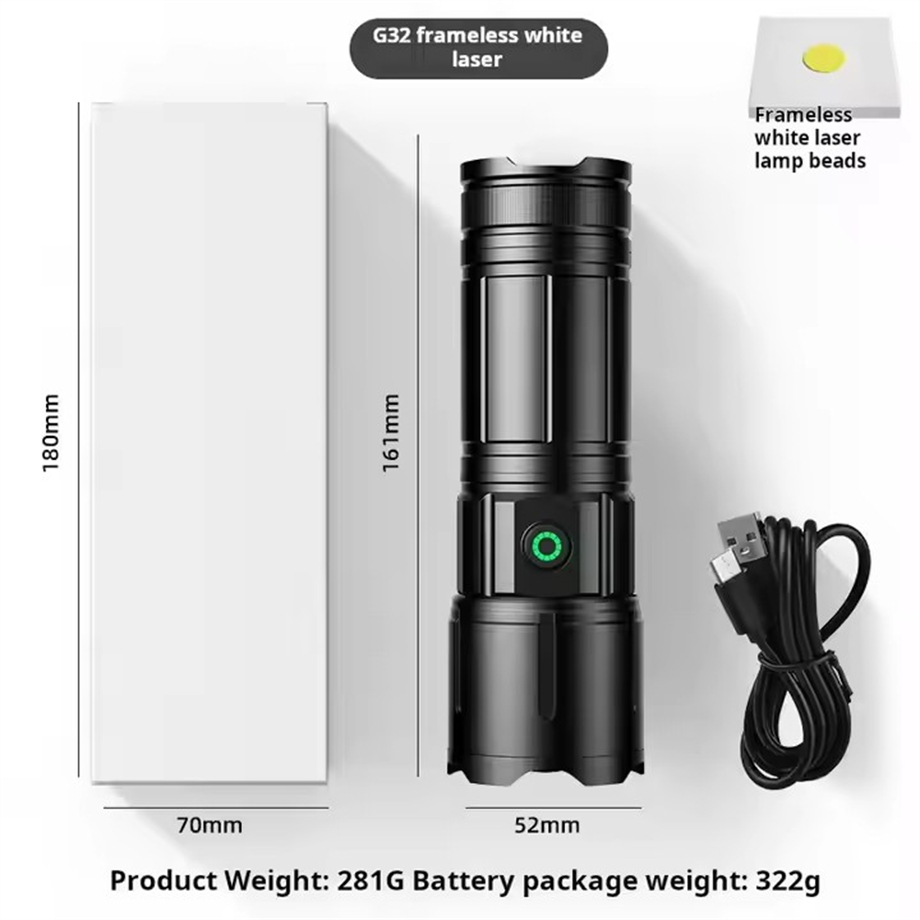
Accurate inventory tracking and forecasting play a vital role in flashlight businesses. These processes help you maintain the right stock levels, ensuring smooth operations and satisfied customers. Poor inventory management can lead to serious risks. Overstocking ties up your capital, reduces cash flow, and increases operational inefficiencies. Excess inventory may also become outdated, forcing you to sell at a loss. On the other hand, stockouts result in lost sales and damage customer trust, as buyers may turn to competitors. By mastering how to track and forecast flashlight inventory for long-term success, you can avoid these pitfalls and build a thriving business.
Key Takeaways
Keeping track of inventory stops having too much or too little. This keeps things running well and customers happy.
Use numbers and opinions to guess future needs and handle changes.
Check your inventory often to keep it correct and find items that don’t sell fast. This helps balance stock.
Use software to make tracking and planning easier, saving time and avoiding mistakes.
Learn about market trends and what customers like to change your plan and stay ahead.
The Basics of Inventory Tracking and Forecasting
What is Inventory Tracking?
Inventory tracking involves monitoring the movement of your products, from the moment they enter your warehouse to when they reach your customers. For flashlight businesses, this process ensures you know exactly how much stock you have at any given time. You can use methods like barcoding or RFID technology to streamline tracking and reduce errors. Regular audits also play a key role in maintaining accurate records. By tracking inventory effectively, you can avoid issues like misplaced stock or discrepancies in your records.
What is Inventory Forecasting?
Inventory forecasting is the process of predicting future stock needs based on historical data, market trends, and customer behavior. This helps you plan your inventory levels to meet demand without overstocking or running out of products. Techniques like demand forecasting and ABC analysis can help you prioritize critical items and allocate resources efficiently. For flashlight businesses, forecasting ensures you stay prepared for seasonal trends or sudden spikes in demand, especially on platforms like Amazon or other ecommerce channels.
Why Are These Processes Crucial for Flashlight Businesses?
Inventory tracking and forecasting are essential for maintaining a healthy supply chain. Flashlight businesses often face challenges like demand variability, supply chain disruptions, and obsolete inventory. Accurate tracking helps you identify slow-moving items and optimize your warehouse layout for efficiency. Forecasting allows you to anticipate demand and adjust your stock levels accordingly. By mastering these processes, you can minimize holding costs, avoid stockouts, and adapt to market changes. Whether you sell through ecommerce platforms or physical stores, these practices ensure your inventory management supports long-term success.
Methods to Track Inventory Effectively
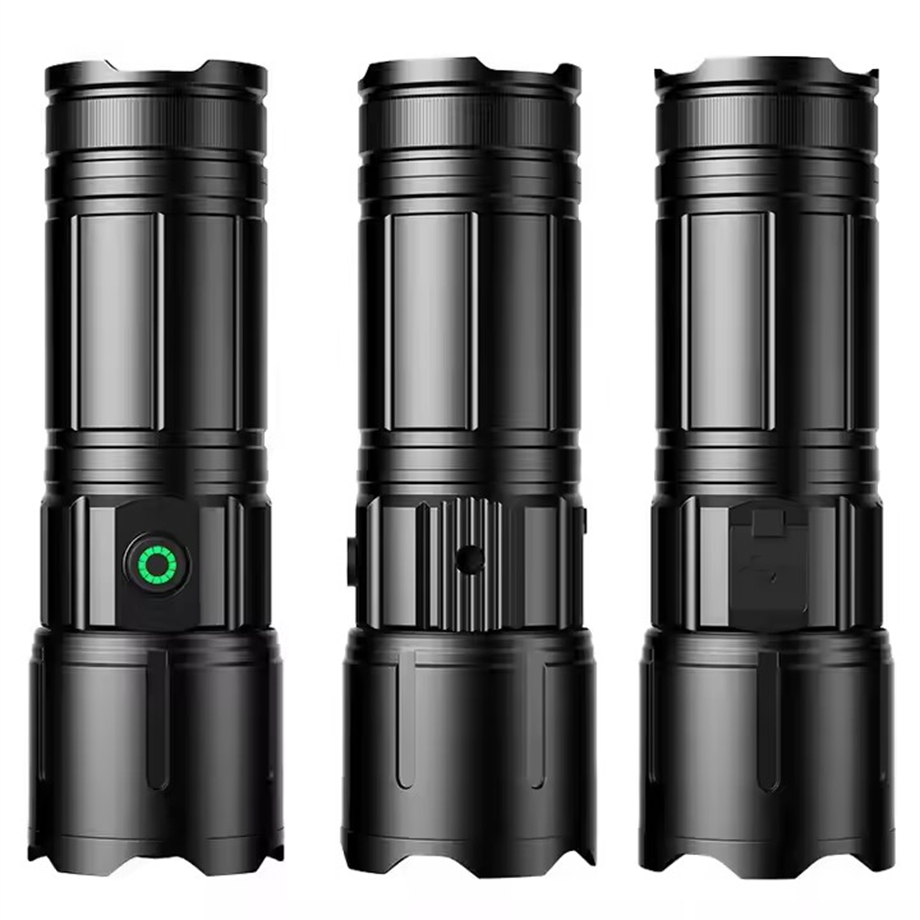
Manual Inventory Tracking
Manual inventory tracking involves recording stock levels and movements by hand. You can use tools like spreadsheets, notebooks, or printed forms to document your flashlight inventory. This method works well for small businesses with limited stock. It allows you to maintain control over your records without relying on technology. However, manual tracking requires time and attention to detail. You must regularly update your records to avoid errors or discrepancies.
To make manual tracking more efficient, create a system for organizing your data. For example, you can group flashlights by product type or storage location. Regularly reviewing your records helps you identify trends and adjust your inventory levels as needed. While this method may seem simple, it provides a solid foundation for understanding how to track and forecast flashlight inventory for long-term success.
Automated Inventory Tracking
Automated inventory tracking uses software or technology to monitor stock levels and movements. This method saves time and reduces human error. You can use barcode scanners, RFID systems, or inventory management software to streamline the process. These tools provide real-time updates, helping you track inventory accurately and efficiently.
For flashlight businesses, automated tracking offers several advantages. It allows you to monitor stock across multiple locations, set reorder alerts, and generate detailed reports. You can also integrate your tracking system with sales platforms to ensure accurate inventory data. By adopting automation, you can focus on growing your business while maintaining control over your inventory.
Tip: Start with a basic inventory management tool if you're new to automation. As your business grows, you can upgrade to more advanced systems.
Tracking Flashlight Inventory by Product Type and Seasonality
Tracking flashlight inventory by product type and seasonality helps you meet customer demand. Group your products into categories, such as tactical flashlights, camping flashlights, or rechargeable models. This approach makes it easier to monitor stock levels and identify popular items.
Seasonality also plays a significant role in flashlight inventory management. For example, demand for camping flashlights may increase during summer, while tactical models might sell better in winter. Analyze past sales data to identify seasonal trends and adjust your stock levels accordingly. By tracking inventory this way, you can avoid overstocking or running out of key products.
Note: Keep an eye on market trends and customer preferences. This information helps you refine your tracking methods and stay ahead of the competition.
Forecasting Flashlight Inventory for Long-Term Success

Quantitative Forecasting Techniques
Quantitative forecasting relies on numerical data to predict future inventory needs. This method uses historical sales data, demand patterns, and mathematical formulas to forecast stock on hand. For flashlight businesses, quantitative techniques help you maintain appropriate stock levels and avoid unnecessary overstock. Below are some effective methods:
Technique | Description | Formula |
|---|---|---|
Lead Time Demand | Estimates the quantity sold during the supplier's order fulfillment time. | Lead time demand = average lead time (days) × average daily sales |
Reorder Point (ROP) | Indicates when to restock inventory to avoid stockouts. | ROP = (average daily sales × lead time) + safety stock |
Safety Stock | Extra inventory to manage unexpected demand or delays. | Safety stock = (maximum daily sales × maximum lead time) – (average daily sales × average lead time) |
Using these techniques ensures you have enough inventory on hand to meet current demand while minimizing overstocking and stockouts. For example, calculating safety stock helps you prepare for sudden spikes in demand, especially during peak seasons or promotional events on platforms like Amazon.
Qualitative Forecasting Techniques
Qualitative forecasting focuses on expert opinions, market trends, and customer insights to predict inventory needs. This method is particularly useful when historical data is limited or when external factors, like market disruptions, influence demand. For flashlight inventory forecasting, qualitative techniques include customer surveys, focus groups, and expert consultations.
Combining qualitative methods with quantitative data enhances effective demand planning. For instance, during the pandemic, businesses used qualitative insights to navigate sudden changes in demand. This approach improves flexibility and adaptability, helping you respond to market shifts. By integrating qualitative forecasting, you can better align your inventory with customer preferences and seasonal trends.
Applying Forecasting to Flashlight Inventory Management
To apply forecasting effectively, start by analyzing your historical sales data and identifying patterns. Use quantitative methods to calculate the quantity of stock on hand and set reorder points. Then, incorporate qualitative insights to refine your predictions. For example, if you notice an increase in demand for rechargeable flashlights during the holiday season, adjust your inventory accordingly.
Combining both methods improves forecast accuracy by up to 22%, ensuring your inventory management aligns with market needs. This mixed approach is especially valuable for ecommerce businesses selling on platforms like Amazon. It helps you avoid overstocking and stockouts while maintaining enough inventory on hand to meet customer demand. By mastering forecasting, you can optimize your inventory tracking and achieve long-term success.
Step-by-Step Guide to Implementing Inventory Tracking and Forecasting
Collecting and Organizing Inventory Data
Start by gathering accurate data about your inventory. This includes details like product types, quantities, and storage locations. For flashlight businesses, categorize your products into groups such as tactical, camping, or rechargeable flashlights. This organization helps you track inventory more efficiently and identify trends. Use tools like spreadsheets or inventory management software to store this data in an accessible format.
Regularly update your records to reflect changes in stock levels. Conduct physical counts to verify the accuracy of your data. This step ensures your tracking system remains reliable. If you sell on ecommerce platforms like Amazon, integrate your sales data to maintain consistency across channels. Accurate data collection forms the foundation for effective inventory forecasting.
Analyzing Data to Identify Trends and Patterns
Once you have organized your inventory data, analyze it to uncover trends and patterns. Look at historical sales data to identify which products sell the most and during which seasons. For example, camping flashlights may see higher demand in summer, while rechargeable models might peak during the holiday season. Use this information to forecast future inventory needs.
Pay attention to slow-moving items as well. These products can tie up your capital and take up valuable storage space. By identifying them, you can adjust your purchasing strategy to focus on high-demand items. Analyzing data helps you make informed decisions and align your inventory levels with customer needs.
Using Inventory Management Software
Inventory management software simplifies tracking and forecasting. It offers features like real-time inventory tracking, demand forecasting, and centralized order management. These tools help you avoid stockouts and maintain consistent service across platforms like Amazon. Choose software that integrates with your existing systems to streamline operations.
Scalability is another key feature to consider. As your business grows, your software should accommodate more products and markets. User-friendly interfaces reduce training time and improve efficiency. Cost is also important. Evaluate the total ownership expenses to ensure the software fits your budget. By using inventory management software, you can optimize your processes and focus on growing your business.
Monitoring and Adjusting Inventory Processes
Monitoring and adjusting your inventory processes ensures your flashlight business stays efficient and responsive to changes. Regular evaluation helps you identify inefficiencies, adapt to demand shifts, and maintain optimal stock levels. Here’s how you can stay on top of your inventory management:
Track Key Performance Indicators (KPIs)
Use KPIs to measure the effectiveness of your inventory processes. Metrics like inventory turnover, order accuracy, and stockout rates provide valuable insights. For example, a high inventory turnover indicates strong sales, while frequent stockouts suggest the need for better forecasting.Conduct Routine Inventory Reviews
Schedule regular reviews to assess your stock levels and identify discrepancies. Compare physical counts with your records to ensure accuracy. These reviews help you spot slow-moving items, overstocked products, or potential stock shortages.Set Alerts for Critical Stock Levels
Use inventory management software to set alerts for low stock levels or reorder points. These notifications prevent stockouts and ensure you replenish inventory on time. For flashlight businesses, this is especially useful during peak seasons or promotional events.Evaluate Supplier Performance
Monitor your suppliers’ delivery times and order accuracy. Delays or errors can disrupt your inventory processes. If issues arise, consider negotiating better terms or finding alternative suppliers.
Tip: Keep a buffer stock of your best-selling flashlights to handle unexpected demand spikes. This ensures you meet customer needs without delays.
Adjust Based on Market Trends
Stay informed about market trends and customer preferences. If rechargeable flashlights gain popularity, adjust your inventory to stock more of these models. Flexibility allows you to respond quickly to changes and stay competitive.
By monitoring and adjusting your inventory processes, you can improve efficiency, reduce costs, and meet customer expectations. These practices ensure your flashlight business remains prepared for both challenges and opportunities.
Best Practices for Flashlight Inventory Management
Conduct Regular Inventory Audits
Regular inventory audits are essential for maintaining accuracy and efficiency in your flashlight business. These audits allow you to verify stock levels, identify discrepancies, and ensure your records match physical inventory. By conducting audits, you can streamline your inventory tracking process and reduce errors.
Modern inventory management systems simplify this task. They save time and labor by automating data collection and analysis. Advanced technologies like barcode scanners and RFID systems enhance accuracy, giving you a competitive edge. Regular audits also help you spot slow-moving items, enabling you to adjust your inventory forecasting strategies. This proactive approach ensures your inventory aligns with customer demand and market trends.
Tip: Schedule audits quarterly or monthly, depending on your business size and sales volume. Consistent reviews keep your inventory tracking system reliable.
Set Reorder Points and Safety Stock Levels
Setting reorder points and safety stock levels ensures you never run out of key flashlight models. Reorder points indicate when to replenish stock, while safety stock acts as a buffer for unexpected demand or supply chain delays. Calculating these levels requires accurate data on sales rates and lead times.
Use the following formulas to determine optimal levels:
Safety Stock = (maximum daily sales × maximum lead time) – (average daily sales × average lead time)
Reorder Point = (average sales rate × lead time) + safety stock
These calculations help you maintain sufficient inventory without overstocking. For example, if you sell on Amazon, setting precise reorder points ensures you meet customer expectations during peak seasons. Accurate safety stock levels also protect against sudden demand spikes, keeping your business prepared.
Note: Regularly update these calculations as your sales patterns and lead times change.
Adapt to Market Trends and Customer Needs
Adapting to market trends keeps your flashlight business competitive. Start by analyzing customer preferences and adjusting your marketing strategy. For instance, if rechargeable flashlights gain popularity, focus your campaigns on their benefits. Use social media and other ecommerce platforms to engage with your audience effectively.
Revise your sales approach to match evolving market dynamics. Personalized selling and online platforms like Amazon can boost your reach. Implementing new technologies, such as automation and data analytics, enhances your inventory forecasting accuracy. These tools help you predict demand and adjust your inventory levels accordingly.
Innovation is another key strategy. Continuously improve your flashlight offerings based on customer feedback and emerging trends. This approach differentiates your business from competitors and builds customer loyalty. By staying flexible and proactive, you can align your inventory management with market demands and achieve long-term success.
Callout: Keep an eye on industry reports and competitor strategies. Staying informed helps you anticipate changes and adapt quickly.
Mastering how to track and forecast flashlight inventory for long-term success is essential for your business. Accurate inventory tracking ensures you maintain optimal stock levels, while inventory forecasting helps you anticipate demand and avoid costly mistakes. Together, these practices prevent overstocking and stockouts, keeping your operations efficient and your customers satisfied.
Effective inventory management directly contributes to your success. Consider the following benefits:
Benefit | Explanation |
|---|---|
Improved Cash Flow | Efficient inventory management ensures that capital is not tied up in excess stock, freeing up cash for other investments. |
Enhanced Customer Satisfaction | Having the right products available minimizes stockouts and ensures timely delivery, leading to happier customers. |
Reduced Holding Costs | Optimizing inventory levels reduces costs associated with storage, insurance, and obsolescence, improving profitability. |
By implementing these strategies, you can streamline your processes, adapt to market trends, and position your flashlight business for sustained growth.
FAQ
What is the best way to start tracking flashlight inventory?
Begin by organizing your inventory data. Categorize flashlights by type, such as tactical or rechargeable models. Use tools like spreadsheets or inventory management software to record stock levels. Regularly update your records to maintain accuracy.
Tip: Start small with manual tracking if you're new, then upgrade to automation as your business grows.
How often should I conduct inventory audits?
Perform audits at least quarterly. For businesses with high sales volume, monthly audits ensure better accuracy. Regular audits help you identify discrepancies, track slow-moving items, and maintain reliable inventory records.
Note: Use barcode scanners or RFID systems to speed up the auditing process and reduce errors.
What tools can help with inventory forecasting?
Inventory management software is the most effective tool. It offers features like demand forecasting, reorder alerts, and real-time tracking. You can also use spreadsheets for basic forecasting if your business is small.
Callout: Choose software that integrates with your sales platforms for seamless operations.
How do I calculate safety stock for my flashlight business?
Use this formula:
Safety Stock = (Maximum daily sales × Maximum lead time) – (Average daily sales × Average lead time)
This ensures you have extra inventory to handle unexpected demand or delays.
Example: If your maximum daily sales are 50 units and lead time is 7 days, calculate accordingly to avoid stockouts.
Why is seasonality important in flashlight inventory management?
Seasonality affects demand for specific flashlight types. For example, camping flashlights sell more in summer, while tactical models peak in winter. Tracking seasonal trends helps you adjust stock levels and meet customer needs.
Emoji Insight: 📊 Analyze past sales data to identify seasonal patterns and plan inventory effectively.
See Also
Mastering Quality Assurance in Flashlight Wholesale Buying
Proven Marketing Tactics for Your Flashlight Wholesale Venture
Boosting Profits by Sourcing Flashlights from Wholesalers
Exploring Future Trends in Flashlight Demand Across Markets
Essential Advice for Sourcing Wholesale Flashlights Effectively