How to Select Adjustable Brightness Levels for Different Industries

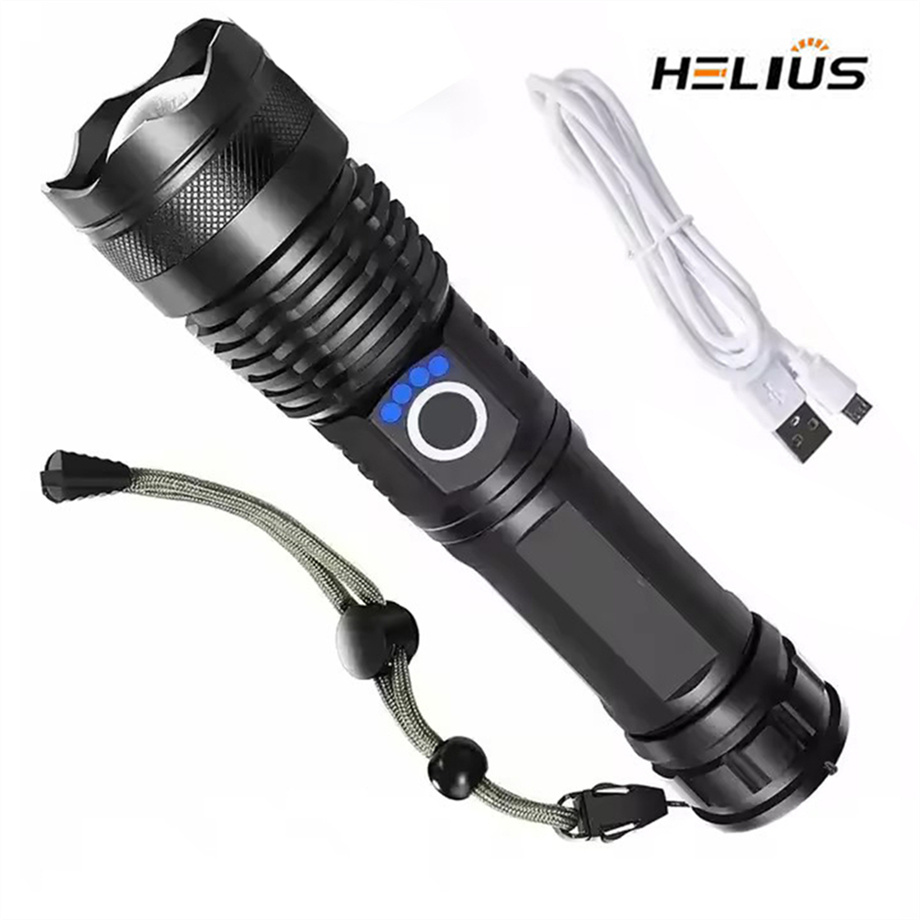
Adjustable brightness levels play a vital role in meeting the unique demands of different industries. Proper lighting enhances productivity by creating comfortable environments for workers and customers. It also improves safety by reducing risks in hazardous areas. Energy efficiency becomes achievable when you tailor brightness to specific tasks, minimizing waste. Whether you work in healthcare, retail, or manufacturing, understanding how to select adjustable brightness levels for different industries ensures operational success. By adapting lighting to your needs, you can optimize performance and create sustainable solutions.
Key Takeaways
Adjustable brightness helps people work better and feel comfortable. Change lighting to cut glare and stay focused, especially in offices.
Safety is very important in places like hospitals and factories. Right brightness helps workers see dangers and avoid accidents.
Saving energy is possible with adjustable lights. Use dimmers and smart tools to save energy and cut costs.
Different jobs need different lighting. Stores need fun lighting for shoppers, while hospitals need bright lights for tasks.
Checking your lighting can show what’s needed. Look at current lights and ask for feedback to improve brightness.
Understanding Brightness Adjustment
What Is Brightness Adjustment
Brightness adjustment refers to the ability to modify the intensity of light to suit specific needs. It allows you to control the brightness range, ensuring the lighting matches the requirements of your environment. This feature is essential in creating spaces that are both functional and comfortable. Whether you need dim lighting for relaxation or high-intensity light for detailed tasks, brightness adjustment provides the flexibility to achieve the desired effect.
Importance of Adjustable Brightness Across Industries
Adjustable brightness plays a critical role in various industries. It ensures that lighting conditions align with the unique demands of each sector. For example, in retail, suitable brightness enhances product displays and attracts customers. In healthcare, appropriate brightness supports precision during medical procedures. By tailoring lighting to specific tasks, you can improve efficiency and create environments that promote audience comfort. Adjustable brightness also helps businesses adapt to changing conditions, such as natural light variations or operational shifts.
Key Benefits of Brightness Adjustment
Boosting Productivity and Comfort
Proper lighting directly impacts productivity. Adjustable brightness allows you to create an environment where employees can focus on their tasks without strain. For instance, in office settings, you can adjust the lighting to reduce glare on screens, improving comfort and concentration. In retail, dynamic lighting can enhance customer experiences, encouraging longer visits and increased sales.
Enhancing Safety in Work Environments
Safety is a top priority in industries like manufacturing and healthcare. Brightness adjustment ensures that workspaces are well-lit, reducing the risk of accidents. In hazardous areas, suitable brightness levels help workers identify potential dangers. By providing the right amount of light, you can create safer environments for everyone.
Promoting Energy Efficiency
Brightness adjustment contributes to energy efficiency by allowing you to use only the light you need. Dimming lights during non-peak hours or in low-traffic areas reduces energy consumption. This approach not only lowers operational costs but also supports sustainability efforts. Using energy-efficient technologies, such as LEDs, further enhances the benefits of adjustable lighting.
Industry-Specific Brightness Needs
Retail and Commercial Applications
Dynamic Lighting for Customer Engagement
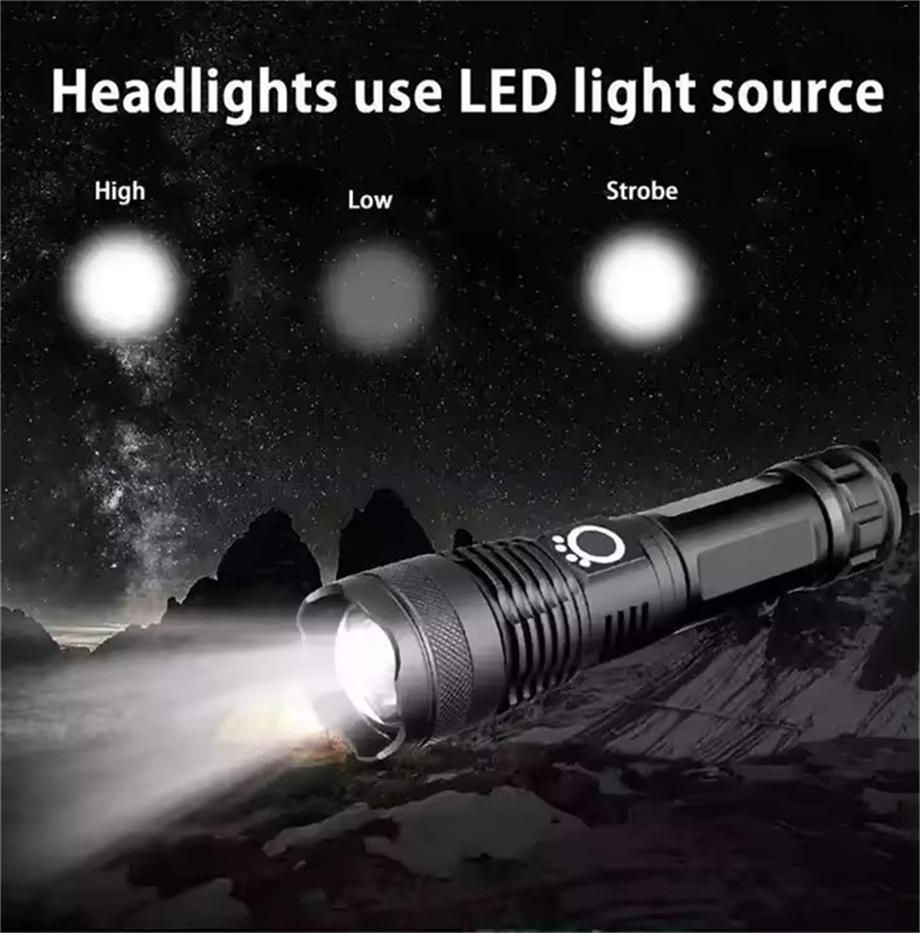
In retail spaces, lighting plays a pivotal role in attracting and retaining customers. You can use dynamic lighting to create visually appealing environments that encourage customer engagement. Adjusting the brightness of an LED screen or display helps highlight specific products, drawing attention to promotions or new arrivals. For effective results, vary brightness levels to emphasize key areas. Install adjustable recessed lights or track lighting for flexibility. A neutral color temperature of 3000-3500K creates an inviting atmosphere, while a high CRI (95+) ensures accurate color representation of products. These strategies enhance interactive digital experiences and boost sales.
Appropriate Brightness for Displays and Ambiance
The brightness of an LED screen or display must align with the store's ambiance. For ambient lighting, assign lumens based on the area: 20 lumens for circulation zones, 30 for tables, and 50-70 for workspaces. High brightness displays ensure visibility without overwhelming the space. Volumetric lighting provides general illumination, while adjustable brightness allows you to adapt to changing needs. By tailoring the lighting, you can create a comfortable shopping environment that enhances customer satisfaction.
Healthcare and Medical Settings
Precision Lighting for Procedures
In healthcare, precision lighting is essential for medical procedures. You need fixtures that provide consistent brightness and minimize glare. Downlighting solutions in corridors and nurse stations improve functionality. Panel and troffer fixtures offer efficient illumination in common areas. These lighting options ensure accuracy during procedures and support staff efficiency. Selecting fixtures with a low Unified Glare Rating (UGR) reduces discomfort, creating a safer and more effective workspace.
Adjustable Brightness for Patient Well-Being
Adjustable brightness contributes significantly to patient well-being. It creates a soothing atmosphere that promotes healing. Dynamic lighting can enhance mood and reduce stress for patients and staff. Tailored lighting also supports circadian rhythms, aiding sleep-wake cycles and improving overall health. Specific wavelengths of light at certain times help synchronize biological rhythms. By incorporating these features, you can foster a calming and restorative environment.
Manufacturing and Industrial Workspaces
Task-Specific Brightness for Efficiency
In industrial settings, task-specific brightness improves productivity. Proper lighting reduces errors and enhances efficiency during detailed tasks. High-performance lighting minimizes eye strain and fatigue, allowing workers to maintain focus during long shifts. You can use adjustable LED screen brightness to ensure optimal visibility for precision work. This approach supports employee well-being and boosts overall output.
Safety Lighting in Hazardous Areas
Safety lighting is critical in hazardous industrial areas. High brightness displays and LED screens ensure visibility in spaces with heavy machinery or potential risks. Adjustable brightness allows you to adapt to different tasks and conditions, reducing accidents. By providing the right amount of light, you can create a safer environment for workers and improve operational efficiency.
Office and Corporate Environments
Lighting for Focus and Collaboration
In office environments, lighting plays a crucial role in fostering focus and collaboration. Adjustable brightness allows you to create a workspace that supports different tasks. For focused work, brighter lighting reduces eye strain and enhances concentration. In contrast, dimmer lighting can create a relaxed atmosphere for brainstorming sessions or informal meetings. You can use task lighting, such as desk lamps with adjustable settings, to provide direct illumination for specific activities. Overhead lighting with dimming capabilities ensures the entire workspace remains adaptable to changing needs. By tailoring brightness levels, you can improve productivity and employee satisfaction.
Adjusting Brightness for Flexible Workspaces
Modern offices often feature flexible workspaces designed for various activities. Adjustable brightness ensures these spaces meet diverse requirements. For example, shared workstations benefit from moderate lighting that suits multiple users. Conference rooms require dynamic lighting to accommodate presentations, discussions, or video calls. You can integrate smart lighting systems to automate brightness adjustments based on the time of day or occupancy. This approach not only enhances functionality but also reduces energy consumption. By prioritizing adaptable lighting solutions, you can create a versatile and efficient office environment.
Outdoor and Sunlight Readable Applications
High Brightness for Daylight Visibility
Outdoor environments demand lighting solutions that remain effective under direct sunlight. Sunlight readable displays, such as outdoor touchscreen displays, require high brightness levels to ensure visibility. These displays often feature anti-glare coatings and advanced backlighting technologies to combat harsh lighting conditions. For outdoor LED walls, brightness levels exceeding 2,500 nits provide clear visibility even in bright daylight. You can use these solutions for advertising, public information, or interactive kiosks. High brightness ensures your content remains legible and impactful, regardless of the time of day.
Adapting to Changing Outdoor Conditions
Outdoor lighting and displays must adapt to varying weather and light conditions. Durable outdoor displays with adjustable brightness settings offer flexibility for different environments. For instance, during overcast days, lower brightness levels conserve energy while maintaining visibility. At night, dimmer settings reduce glare and enhance readability. Smart systems with ambient light sensors automatically adjust brightness based on surrounding conditions. This ensures optimal performance and energy efficiency. By selecting adaptable solutions, you can maintain functionality and durability in outdoor applications.
Methods for Brightness Adjustment
Manual Brightness Controls
Using Dimmers and Switches
Manual brightness control methods, such as dimmers and switches, offer simplicity and reliability. Switches provide a straightforward on/off function, making them easy to use and cost-effective. However, they lack flexibility and require manual operation, which can be inconvenient in large spaces. Dimmers, on the other hand, allow you to customize light levels, promoting energy savings and extending the lifespan of fixtures. Despite their versatility, dimmers may experience flickering or compatibility issues, especially in critical environments.
Type | Advantages | Limitations |
|---|---|---|
Switches | - Simplicity and ease of use | - Limited functionality (only on/off) |
- Low cost compared to other controls | - Requires manual operation, which can be inconvenient in large areas | |
Dimmers | - Energy savings and extended lifespan of fixtures | - Potential flickering and compatibility issues, which can be problematic in critical settings |
- Versatile, allowing customization of light levels |
User-Friendly Adjustment Systems
User-friendly systems enhance manual brightness control by adapting to your preferences. These systems learn your habits and adjust settings accordingly, creating a personalized experience. They also consider contextual factors, such as time of day or activity, to optimize brightness levels. This approach improves usability, increases satisfaction, and ensures efficient energy use.
Adaptive systems learn user preferences and adjust settings automatically.
Contextual factors, like time or activity, personalize the lighting experience.
Improved usability leads to higher satisfaction and better energy efficiency.
Automated Brightness Technologies
Ambient Light Sensors and Timers
Automated technologies, such as ambient light sensors and timers, optimize brightness adjustment in real-time. Sensors use photodiodes to detect light levels and adjust brightness accordingly. Programmable thresholds allow you to set specific conditions for brightness changes. Features like interrupt pins notify the system only when significant changes occur, conserving processing resources. Persist timers prevent false triggers from brief fluctuations, ensuring meaningful adjustments. These technologies maintain consistent lighting while reducing energy waste.
Sensors detect light levels with precision using photodiodes.
Programmable thresholds enable tailored brightness adjustments.
Interrupt pins and persist timers ensure efficient and accurate responses.
Smart Systems with AI Integration
AI-powered systems represent the latest advancement in automated brightness control. These systems use machine learning to optimize brightness levels and improve energy efficiency. For example, AI enhances the performance of Brightness Enhancement Films (BEF) in high-performance displays. By analyzing data, AI improves material properties and reduces waste during production. This innovation supports consistent quality and lowers costs, making it ideal for industries requiring advanced lighting solutions.
Combining Manual and Automated Options
Hybrid Solutions for Flexibility
Hybrid systems combine manual and automated brightness adjustment methods, offering flexibility for diverse needs. You can use manual controls for specific tasks while relying on automation for routine adjustments. This combination ensures you maintain control while benefiting from the convenience of automation. Hybrid solutions are particularly useful in environments with varying lighting requirements, such as offices or retail spaces.
Customizable Settings for Specific Needs
Customizable hybrid systems allow you to tailor brightness settings to your unique requirements. For instance, you can program automated systems to adjust brightness based on time or occupancy while retaining manual override options. This approach ensures optimal lighting for every scenario, enhancing both functionality and user satisfaction.
Environmental and Operational Considerations
Adapting to Ambient Lighting
Managing Natural Light Variations
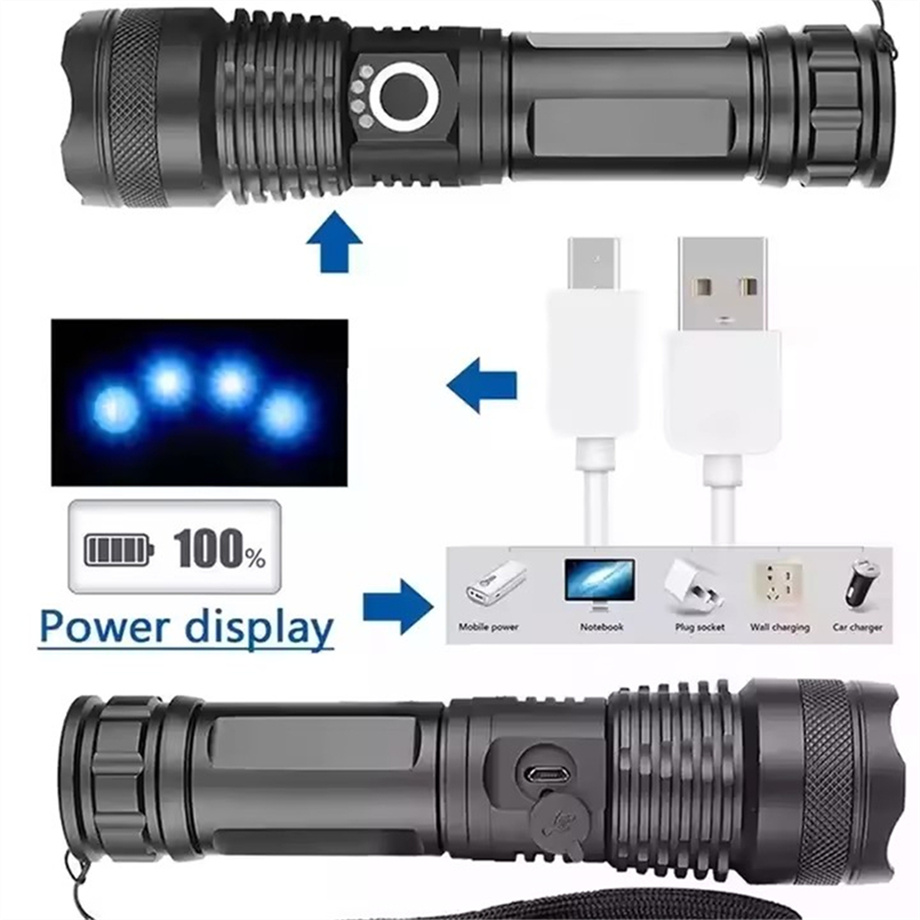
Natural light changes throughout the day, impacting indoor and outdoor environments. You can use brightness adjustment to adapt to these variations effectively. For instance, in offices, dimming artificial lights during peak daylight hours reduces energy consumption. Outdoor displays with ambient light sensors automatically adjust brightness to maintain visibility under direct sunlight or cloudy skies. This ensures consistent performance while conserving energy.
Reducing Glare and Shadows
Glare and shadows can disrupt the effectiveness of lighting systems. Reducing glare improves visual comfort, helping employees focus better on their tasks. It also decreases eye strain, creating a more pleasant working environment. Minimizing harsh shadows enhances productivity by providing evenly lit spaces. You can achieve this by using diffused lighting or fixtures with anti-glare coatings, ensuring a balanced and comfortable atmosphere.
Durability and Temperature Factors
Selecting Lighting for Extreme Conditions
Lighting systems in extreme environments face unique challenges. They must withstand temperature fluctuations, which can cause thermal stress and degrade components. Corrosive conditions, such as salt, dust, or humidity, can damage traditional lighting, leading to failures in critical situations. Vibrations from heavy machinery can also harm fragile components. Choosing durable lighting solutions, like LEDs, ensures reliable performance in these demanding conditions.
Ensuring Longevity in Harsh Environments
To ensure longevity, lighting systems must be designed for resilience. LEDs function across a wide temperature range, maintaining performance even in extreme conditions. Corrosion-resistant materials make them ideal for moisture-prone areas. Solid-state components reduce the risk of failure from vibrations or impacts. Effective sealing protects against dust and water, while maintenance-free designs enhance reliability in hard-to-reach locations. These features make LEDs a dependable choice for harsh environments.
Energy Efficiency and Sustainability
Leveraging LED Technology
LED technology plays a crucial role in energy efficiency. LEDs consume less power than traditional lighting, making them an eco-friendly option. Their long lifespan reduces waste, while their ability to integrate with brightness adjustment systems ensures optimal energy use. By combining LEDs with ambient light sensors, you can create a sustainable lighting solution that minimizes energy consumption without compromising performance.
Balancing Brightness with Eco-Friendly Practices
Balancing brightness with sustainability requires thoughtful practices. For example, ambient light sensors automatically adjust brightness based on environmental conditions, reducing energy use and light pollution. Manual control options allow you to customize settings for specific needs, ensuring appropriate brightness levels. Many cities now regulate light pollution from digital signage to protect the environment. By complying with these standards, you can promote sustainability while maintaining effective lighting.
Tips for Selecting Appropriate Brightness Levels
Evaluating Industry-Specific Requirements
Understanding your industry’s unique lighting needs is the first step in selecting appropriate brightness levels. Each sector has specific tasks and environments that demand tailored lighting solutions. For example, healthcare facilities require precision lighting for procedures, while retail spaces benefit from dynamic lighting to enhance customer engagement. Start by identifying the primary activities in your workspace. Consider how lighting impacts productivity, safety, and energy efficiency.
Tip: Create a checklist of your industry’s lighting priorities. This ensures you address all critical factors when evaluating brightness requirements.
Conducting Comprehensive Lighting Audits
A thorough lighting audit helps you assess current conditions and identify areas for improvement. Begin by determining your objectives, such as reducing energy costs or improving light quality. Use tools like a light meter, digital camera, and tape measure to collect accurate data. Walk through the site to observe existing lighting and gather insights from participants. Discuss their needs and motivations to ensure the audit aligns with operational goals.
Follow these steps for an effective audit:
Check landscaping and exterior lighting conditions.
Meet with participants to understand their needs.
Walk the site to gather observations.
Collect documentation like utility bills and photos.
Note: A detailed audit provides a clear roadmap for implementing effective lighting solutions.
Choosing Cost-Effective Technologies
Selecting cost-effective lighting technologies ensures you achieve optimal brightness without overspending. LED lighting is a popular choice due to its energy efficiency and long lifespan. Pair LEDs with smart systems like ambient light sensors to reduce energy consumption further. Evaluate the initial investment against long-term savings to make informed decisions.
Tip: Look for lighting solutions that balance upfront costs with durability and energy efficiency. This approach maximizes value while minimizing operational expenses.
Testing and Fine-Tuning Brightness Settings
Testing and fine-tuning brightness settings ensures your lighting system performs optimally. This process helps you achieve the right balance between functionality, comfort, and energy efficiency. By following a structured approach, you can identify the ideal brightness levels for your specific needs.
Steps to Test Brightness Levels
Evaluate Lighting in Real Conditions
Test your lighting system during actual working hours. Observe how the brightness impacts tasks, visibility, and overall comfort. For example, in an office, check if the lighting reduces screen glare or eye strain.Use Measurement Tools
A light meter helps you measure brightness levels accurately. Compare the readings to industry standards or recommended levels for your workspace. This ensures your lighting meets safety and productivity requirements.Gather Feedback from Users
Ask employees or customers about their experience with the lighting. Their input can reveal issues like uneven brightness or discomfort. Use this feedback to make necessary adjustments.
Fine-Tuning for Optimal Performance
Adjust Gradually
Make small changes to brightness levels and observe the results. Sudden adjustments can disrupt the environment or cause discomfort.Test Different Scenarios
Simulate various conditions, such as changes in natural light or task requirements. This helps you identify settings that work best for each situation.Document Your Findings
Keep a record of the adjustments and their outcomes. This documentation helps you maintain consistency and simplifies future updates.
Testing and fine-tuning brightness settings ensures your lighting adapts to your needs. It also enhances user satisfaction and energy efficiency. By taking a systematic approach, you can create a well-lit and productive environment.
Selecting the right adjustable brightness levels for your industry ensures optimal performance and safety. You must consider environmental factors, operational needs, and available technologies when making your choice. Energy-efficient and adaptable lighting solutions not only reduce costs but also support sustainability goals. By understanding how to select adjustable brightness levels for different industries, you can create a productive and comfortable environment. For the best results, consult lighting experts who can provide tailored recommendations for your specific needs.
Tip: Partnering with professionals ensures you maximize the benefits of your lighting system.
FAQ
What is the ideal brightness level for office work?
The ideal brightness level for office work ranges between 300-500 lux. This range reduces eye strain and improves focus. Use adjustable lighting to adapt to tasks like reading or screen work. Brightness should also minimize glare on monitors for a comfortable workspace.
How can you ensure energy efficiency with adjustable lighting?
You can ensure energy efficiency by using LED lights with dimming features. Pair them with ambient light sensors to adjust brightness automatically. This reduces energy waste during daylight hours or in low-traffic areas. Smart systems further optimize energy use.
Why is adjustable brightness important in healthcare?
Adjustable brightness supports precision during medical procedures and creates a calming environment for patients. Bright lighting ensures accuracy for staff, while dimmer settings promote relaxation and recovery. This flexibility improves both operational efficiency and patient well-being.
What factors should you consider when selecting brightness levels for retail?
Consider the store layout, product displays, and customer experience. Use dynamic lighting to highlight key areas and create an inviting ambiance. Ensure displays have sufficient brightness to showcase products clearly. Adjustable lighting helps adapt to changing needs, like promotions or seasonal themes.
Can outdoor displays maintain visibility in direct sunlight?
Yes, outdoor displays with high brightness levels (2,500+ nits) ensure visibility in direct sunlight. Anti-glare coatings and ambient light sensors enhance readability. These features allow displays to adapt to changing outdoor conditions, maintaining clarity and impact throughout the day.
See Also
Discovering Top Wholesale LED Flashlights for Your Company
Boosting Revenue by Sourcing Flashlights from Wholesalers
Exploring Future Trends: Demand for Various Flashlight Types
Evaluating Quality in Headlamp Wholesale and Tool Providers
Finding Premium Flashlights at Wholesale for Your Import Venture