Building Reliable Flashlight Supplier Relationships in the Middle East

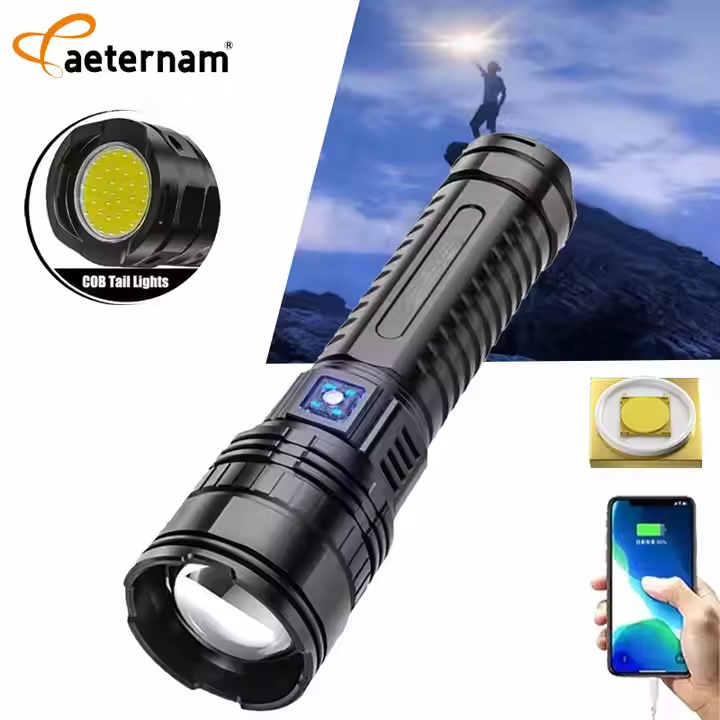
Building reliable flashlight supplier relationships in the Middle East is essential for ensuring consistent product quality and long-term success. The flashlight market is growing rapidly, with its global value projected to reach $3.53 billion by 2034, driven by a compound annual growth rate of 6.8%. Strong supplier relationships allow you to secure better pricing and streamline procurement, reducing costs and enhancing efficiency. By consolidating your supplier pool, you can achieve up to a 9.18% cost reduction for general equipment. These partnerships also help you stay competitive by tailoring solutions to meet your specific needs.
Key Takeaways
Build strong supplier connections to get better prices and work faster. This helps save money and improve product quality.
Look for important things like good products, certifications, and production ability when picking suppliers. Trustworthy suppliers keep quality steady and meet your needs.
Good communication is key. Be clear about what you want and respect cultural differences to build trust and work well with Middle East suppliers.
Use technology to make supplier tasks easier. Digital tools can help track orders, manage inventory, and check quality for better teamwork and openness.
Check products often and have quality checks in place. This finds problems early and ensures only good products go to your customers.
Understanding Supplier Reliability
Establishing supplier reliability is crucial for ensuring consistent product quality and maintaining a competitive edge in the flashlight market. Reliable suppliers help you avoid disruptions, reduce costs, and build trust with your customers. To identify dependable partners, you need to evaluate several key attributes.
Key Attributes of a Reliable Supplier
Product Quality and Consistency
Product quality is the foundation of supplier reliability. High-quality flashlights ensure durability and reliability, which reduces returns and builds customer trust. Poor-quality products can harm your reputation and lead to customer dissatisfaction. Consistency in quality across batches is equally important. A reliable supplier will maintain strict quality control measures to meet your expectations every time.
Certifications and Standards
Suppliers that comply with industry standards demonstrate their commitment to quality and safety. Certifications like ISO and CE indicate adherence to global benchmarks. These certifications also ensure that the products meet regulatory requirements, reducing risks for your business.
Production Capacity and Scalability
A reliable supplier must have the capacity to meet your current and future demands. Scalability is essential, especially when your business grows or seasonal demand spikes. Suppliers with robust production capabilities can adapt to your needs without compromising quality or delivery timelines.
After-Sales Support
After-sales support is another critical factor. Reliable suppliers provide assistance with product issues, warranty claims, and technical support. This ensures that you can address customer concerns quickly and maintain your reputation for excellent service.
Certifications and Standards in the Middle East
Certifications play a vital role in ensuring supplier performance and product quality. In the Middle East, several certifications and standards are highly valued:
Certification/Standard | Purpose |
|---|---|
ETL Certification | Ensures compliance with electrical and fire safety standards. |
IECEx and NEC Standards | Critical for safety in hazardous environments. |
RoHS Compliance | Ensures products are free from hazardous substances. |
REACH Compliance | Regulates chemicals used in manufacturing. |
CE Certification | Confirms compliance with European safety standards. |
ISO Certifications | Ensures adherence to quality management systems. |
Compliance with these certifications ensures that your supplier meets both global and regional standards. Staying informed about regulatory changes in the Middle East is essential. Non-compliance can disrupt supplier performance and affect your operations. Building strong relationships with suppliers helps you navigate these challenges effectively.
Tip: Always verify a supplier’s certifications during the vetting process. This step ensures that their products meet the required safety and performance standards.
By focusing on these attributes and certifications, you can build a reliable supplier network that supports your business goals.
Key Steps for Building Reliable Flashlight Supplier Relationships
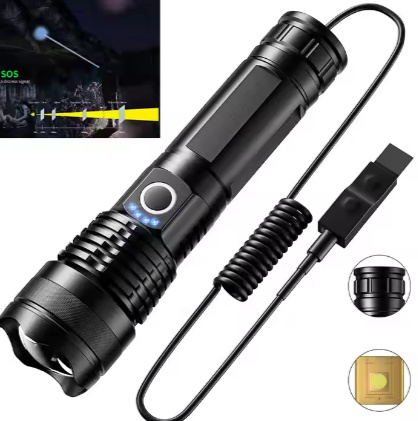
Research and Vetting
Thorough research and vetting are essential for identifying reliable suppliers in flashlight sourcing. Following best practices ensures you select partners who meet your quality and operational needs.
Evaluating supplier reviews and reputation
Start by reviewing feedback from other businesses. Look for consistent praise regarding product quality, delivery reliability, and customer service. Suppliers with a strong reputation often demonstrate better performance and reliability. Transparent communication about their capabilities also builds trust.
Verifying certifications and compliance
Request documentation such as ISO certifications, CE markings, or RoHS compliance reports. These certifications confirm adherence to safety and quality standards. Use third-party assessments to validate compliance and inspect manufacturing processes. This step ensures the supplier aligns with your requirements.
Conducting site visits or virtual audits
Visit the supplier’s facilities to evaluate their production capacity and quality control measures. If travel is not feasible, conduct virtual audits. These inspections help you verify operational standards and ensure the supplier can scale production to meet your demands.
Tip: Efficient sourcing practices reduce costs, enhance supplier quality, and mitigate risks.
Effective Communication
Strong communication fosters trust and ensures smooth flashlight sourcing operations. Clear and respectful dialogue strengthens supplier relationships.
Establishing clear communication channels
Set up dedicated communication platforms like email or messaging apps. Regular updates on orders and production schedules prevent misunderstandings. Open dialogue also helps address challenges promptly.
Setting expectations and building trust
Define your expectations for quality, delivery timelines, and pricing upfront. Honoring agreements builds trust, which is crucial for long-term success. Suppliers who trust you are more likely to prioritize your orders.
Addressing cultural differences
Respect cultural norms in the Middle East. For example, a handshake often holds more value than a written contract. Demonstrating cultural awareness, such as using Arabic greetings, fosters goodwill and credibility.
Note: Trust is the cornerstone of business in the Middle East. Misunderstanding cultural practices can harm relationships.
Negotiation Strategies
Effective negotiation secures favorable terms and strengthens flashlight sourcing partnerships.
Bulk pricing and payment terms
Negotiate discounts for large orders. Suppliers often offer better pricing for bulk purchases. Establish predictable payment terms, such as net-30 or net-60, to build trust and encourage prioritization of your orders.
Customization options
Discuss customization opportunities to meet specific market demands. Suppliers who offer tailored solutions add value to your business.
Long-term collaboration agreements
Develop long-term contracts to stabilize pricing and ensure consistent supply. These agreements reduce uncertainties and foster innovation. Reliable suppliers often prioritize partners with whom they have strong relationships.
Tip: Long-term agreements improve quality, mitigate risks, and enhance your competitive advantage.
Quality Assurance
Ensuring the quality of flashlights is essential for maintaining customer satisfaction and protecting your brand reputation. A robust quality assurance process helps you identify defects early and ensures that only high-quality flashlights reach your customers.
Testing flashlight quality (e.g., lumen testing, drop tests)
Testing is a critical step in evaluating flashlight performance and durability. You can follow these methods to ensure reliable results:
Research and verify supplier credentials to confirm compliance with quality standards.
Request product samples and test key performance indicators like brightness (lumen output) and impact resistance through drop tests.
Understand the supplier’s manufacturing processes to assess their quality control measures.
Conduct regular inspections during production to catch defects before they escalate.
These steps help you identify high-quality flashlights that meet your expectations. Testing also ensures that the flashlights perform well under real-world conditions, such as rough handling or low-light environments.
Ensuring water resistance and durability
Durability is a key factor when sourcing flashlights, especially for regions with extreme weather conditions. Water resistance testing ensures that flashlights can withstand exposure to rain or accidental submersion. Look for suppliers who provide IPX-rated flashlights, as these ratings indicate the level of water resistance.
Durability testing involves simulating real-world scenarios. For example, drop tests assess the flashlight’s ability to endure impacts, while prolonged use tests evaluate battery life and structural integrity. These tests ensure that the flashlights can handle daily wear and tear without compromising performance.
Regular inspections
Regular inspections are vital for maintaining consistent quality across all orders. They help you identify gaps in quality early in the production lifecycle. Inspections also prevent product recalls and regulatory issues, which can harm your business.
Key benefits of inspections include:
Standardizing manufacturing steps to ensure uniform results.
Detecting defects in raw materials before production begins.
Conducting safety checks post-production to protect customers.
Aspect | Explanation |
|---|---|
Standardization | Inspections ensure uniformity across batches by standardizing manufacturing steps. |
Early Detection | Checking raw materials early maintains high quality from the start. |
Safety Checks | Post-production inspections identify potential hazards to ensure safety. |
By conducting inspections at various stages, you can ensure that bulk orders meet your quality standards. This process enhances customer satisfaction and strengthens your supplier relationships.
Tip: Collaborate with your suppliers to establish a clear inspection schedule. This ensures transparency and accountability throughout the production process.
Adapting to Market Trends in Flashlight Sourcing
Regional and Seasonal Demand
Popular flashlight features in the Middle East
Consumers in the Middle East value durability and reliability in flashlights. High-quality flashlights with advanced features are especially sought after for outdoor and emergency use. Tactical flashlights are a popular choice due to their ability to endure harsh conditions and deliver powerful illumination. These features make them ideal for activities like camping, hiking, and emergency preparedness.
Seasonal purchasing patterns
Flashlight demand in the Middle East often aligns with seasonal changes. Winter months see increased purchases due to longer nights and the need for reliable lighting during emergencies. Spring and summer bring a surge in demand for outdoor activities like camping and desert excursions. Additionally, the region’s frequent emergencies contribute to steady year-round demand for flashlights.
Tip: Understanding these seasonal patterns helps you plan inventory and align with supplier production schedules.
Industry Trends
Smart features and technology integration
Flashlights with smart features are transforming the market. Consumers now prefer models with Bluetooth connectivity and smartphone apps for enhanced control. Some flashlights even offer customizable brightness levels and beam patterns. These innovations improve user experience and make flashlights more versatile.
Compact and lightweight designs
Compact and lightweight flashlights are gaining popularity. Consumers appreciate their portability and ease of use for everyday carry. Suppliers are responding to this trend by focusing on designs that balance size with performance. These flashlights are ideal for both casual users and outdoor enthusiasts.
Dual-functionality flashlights
Flashlights with dual functionality are becoming a favorite among consumers. Many models now double as power banks, allowing users to charge devices via USB ports. This feature adds convenience and makes these flashlights indispensable for emergencies and outdoor adventures.
Note: Staying updated on these trends ensures your flashlight sourcing strategy remains competitive and aligned with consumer preferences.
Leveraging Technology for Supplier Relationships

Tools for Flashlight Sourcing
Digital platforms for supplier communication
Digital platforms simplify the process of finding and communicating with flashlight suppliers. Platforms like Alibaba and Global Sources allow you to connect with a wide range of suppliers, compare offerings, and negotiate terms. These tools provide a centralized space for inquiries, quotations, and updates, ensuring smoother communication and faster responses.
Order tracking and inventory management
Order tracking and inventory management tools enhance your ability to maintain a steady supply of quality flashlights. Inventory management software provides real-time data on stock levels and demand trends, helping you plan more effectively. Tools like Inventory Planner enable collaborative forecasting with suppliers, ensuring synchronized production schedules. Automated reordering systems notify suppliers of restocking needs, reducing delays and improving communication. Performance tracking features also allow you to evaluate suppliers based on delivery accuracy and timeliness.
Quality monitoring software
Quality monitoring software ensures that the flashlights you source meet your standards. These tools help you track key performance metrics, such as durability and brightness, throughout the production process. By identifying potential issues early, you can address them before they affect your supply chain. This proactive approach strengthens your relationships with suppliers and ensures consistent product quality.
Benefits of Technology
Streamlining processes
Technology streamlines your interactions with suppliers by automating routine tasks. Platforms like ProQsmart help you manage supplier relationships, track performance, and ensure compliance with agreements. Automation frees up time for you to focus on strategic activities, such as building long-term partnerships or exploring new market opportunities.
Enhancing transparency
Digital tools improve transparency by enabling better communication and data sharing with suppliers. Cloud-based platforms allow you to monitor supplier performance and ensure accountability. Broader visibility into the supply chain fosters trust and helps you make informed decisions about sourcing quality flashlights.
Improving collaboration
Technology enhances collaboration by breaking down barriers between you and your suppliers. Cloud computing facilitates joint planning and project management, even for small businesses. Digital platforms empower you to work closely with suppliers, respond quickly to changes, and adapt to market trends. This level of collaboration ensures a reliable supply of high-quality flashlights.
Tip: Leveraging technology not only improves efficiency but also strengthens your supplier relationships, giving you a competitive edge in the flashlight market.
Overcoming Challenges in the Middle East Market
Navigating the Middle East market presents unique challenges. Understanding these obstacles and addressing them effectively ensures smoother operations and stronger supplier relationships.
Cultural Differences
Business etiquette and practices
Business etiquette in the Middle East often differs from Western norms. For example, verbal agreements and personal relationships carry significant weight. You should prioritize face-to-face meetings whenever possible. A handshake often holds more value than a written contract. Respect for Islamic practices, such as prayer times and holidays, also demonstrates cultural awareness.
Relationship-focused interactions
Building trust is essential in the Middle East. Relationships often take precedence over transactions. A multinational technology firm entering the UAE market faced difficulties securing contracts due to insufficient local connections. By collaborating with a local consultancy and investing in cultural intelligence training, the company successfully navigated the business landscape. You can adopt similar strategies:
Attend workshops on Middle Eastern business culture.
Spend time in the region to experience local customs firsthand.
Partner with local experts to enhance cultural understanding.
Cultural intelligence helps you build trust, negotiate effectively, and resolve conflicts, all of which are vital for maintaining strong supplier relationships.
Logistical Issues
Shipping and delivery timelines
Geopolitical instability and infrastructure gaps can disrupt supply chains. Limited transportation access in some areas may delay shipments. You should work closely with your supplier to establish realistic timelines and contingency plans.
Customs and import regulations
Customs regulations in the Middle East require strict compliance. Accurate documentation, such as invoices and certificates of origin, ensures smooth processing. Misclassification of products can lead to delays or increased costs. Proper documentation reduces compliance risks and fosters better supplier interactions.
Strong relationships with your manufacturers are essential for smooth operations. Regular communication fosters trust and ensures alignment on goals. By building these relationships, you can ensure consistent production quality and timely delivery of your flashlights to global markets.
Regulatory Compliance
Adhering to local laws
Suppliers must comply with regional standards to avoid legal and financial consequences. Non-compliance can result in fines, product recalls, or lawsuits. Standards like ANSI/NEMA FL1 and IEC 60529 ensure product reliability and safety.
Standard | Impact on Quality |
|---|---|
ANSI/NEMA FL1 | Guidelines for performance testing, enhancing reliability. |
IEC 60529 (IP Code) | Classifies protection against dust and water. |
CE Marking | Signifies compliance with safety and health directives. |
UL Listing | Indicates independent safety testing. |
Staying updated on regulations
Regulations in the Middle East can change frequently. Use compliance management tools to track updates in real time. Collaborate with local legal experts to stay informed. Continuous monitoring systems also help detect potential violations early, ensuring your supplier remains compliant.
Building reliable supplier relationships is essential for achieving consistent quality and operational efficiency. These relationships reduce risks, improve delivery timelines, and ensure dependable supply chains. Long-term partnerships also offer significant benefits, such as lower administrative costs, volume discounts, and streamlined inventory management.
Benefit | Explanation |
|---|---|
Lower Administrative Costs | Reduces repetitive onboarding and contract negotiations. |
Volume Discounts | Sustained collaboration leads to better pricing and bulk discounts. |
Streamlined Inventory Management | Enhances visibility into demand forecasts, reducing carrying costs. |
To foster trust and collaboration, focus on clear communication, fair negotiations, and long-term commitments. Use digital tools to streamline processes and promote transparency. Regularly monitor supplier performance and align on shared goals. By taking these steps, you can build strong relationships that enhance quality, cost-efficiency, and market competitiveness.
Strong supplier relationships not only ensure consistent quality but also position your business for long-term success.
FAQ
What should you look for in a flashlight supplier?
Focus on product quality, certifications, and production capacity. A good supplier offers consistent quality, meets safety standards, and scales production to match your needs. After-sales support is also essential for resolving issues quickly.
How can you verify a supplier’s reliability?
Check reviews and certifications. Conduct site visits or virtual audits to assess their operations. Reliable suppliers maintain transparency and meet compliance standards. These steps ensure they align with your business goals.
Why is communication important in supplier relationships?
Clear communication prevents misunderstandings and builds trust. It ensures both parties align on expectations, delivery timelines, and quality standards. Strong communication also helps resolve issues faster, strengthening your partnership.
How do you handle cultural differences with Middle Eastern suppliers?
Respect local customs and business practices. Build trust through face-to-face meetings and relationship-focused interactions. Understanding cultural nuances, such as valuing verbal agreements, fosters stronger connections with your supplier.
What are the benefits of long-term agreements with suppliers?
Long-term agreements stabilize pricing and ensure consistent supply. They reduce uncertainties and encourage innovation. Suppliers often prioritize partners with whom they have established trust and collaboration.
See Also
Transforming Challenges Into Triumphs: Finding Dependable Flashlight Suppliers
Essential Strategies for Finding Trustworthy Wholesale Flashlights
Assessing Flashlight Suppliers: Important Factors and Current Trends
Discovering Trustworthy Wholesale Suppliers for Flashlight Chargers
Selecting The Ideal Flashlight Supplier For Your Business Needs