Rechargeable vs. Battery-Powered Flashlights for First-Aid Retailers

Choosing the best flashlights for your store is important. The right flashlight can make a big difference in emergencies. You need flashlights that work well even when the power is out. You can choose between rechargeable or battery-powered flashlights. Many first-aid kits now include hand-crank flashlights. Some flashlights are small and easy to carry, which helps you stay prepared for any situation. Some flashlights come in kits with candles and first aid items, making them cost-effective and simple to use. These kits help you follow emergency plans. When buying flashlights for your store, consider how well they perform and look for flashlights with multiple functions. Purchasing wholesale flashlights bulk or helius lights can save you money. These options help you stick to your budget and ensure you’re always ready.
Key Takeaways
Pick rechargeable flashlights because they are dependable. They give steady light and work for a long time. This makes them great for emergencies.
Think about how much they cost over time. Rechargeable flashlights might cost more at first. But you save money later because you do not need to buy new batteries.
Focus on what is easy for you. You can charge rechargeable flashlights at night. This means they are ready to use. You do not have to worry about extra batteries.
Check if the flashlight works well in emergencies. Pick flashlights that are good during power outages and disasters. Make sure they fit what you need.
Keep both kinds of flashlights. Having rechargeable and battery-powered flashlights helps you get ready for anything.
Key Factors
Reliability
You want flashlights that work well in emergencies. Rechargeable flashlights keep their power longer, which is important for first-aid retailers. These flashlights use lithium-ion batteries. They give off bright light and last a long time. Non-rechargeable flashlights can get dim when the battery gets low. This can be a problem if you need them right away. It is important to pick flashlights that are strong and have good battery life. You want to feel sure your flashlight will work every time.
Rechargeable flashlights keep working when you need them.
Non-rechargeable batteries run out fast and may fail.
Good rechargeable flashlights stay bright and steady.
Cost
Cost is a big part of your choice. Rechargeable flashlights cost more at first. But you save money later because you do not buy new batteries. Battery-powered flashlights are cheaper to buy. But you spend more on batteries over time. The table below shows the costs:
Feature | Rechargeable Flashlight | Disposable Battery Flashlight |
|---|---|---|
Initial Cost | Higher ($25–$60) | Lower ($10–$25) |
Total Cost Over 2 Years | $25–$60 (one-time) | $60–$120+ (with batteries) |
You can recharge good flashlights many times. This makes them a smart buy for your store.
Convenience
Convenience matters for first-aid retailers. You can charge rechargeable flashlights at night. They will be ready to use the next day. You do not need to keep extra batteries. This means you do not worry about running out of power. These flashlights give steady power all day. This helps you avoid problems. Some flashlights have extra features and can power themselves. This is helpful in emergencies. Good flashlights are made to last and can handle water.
Rechargeable flashlights mean you do not need extra batteries.
Steady battery life means fewer problems.
Extra features and self-power make things easier.
Emergency Use
Flashlights are very important in emergencies. You need good light during power outages and disasters. Both rechargeable and battery-powered flashlights turn on right away. How long they last depends on the battery. LED flashlights can last up to 50 hours on low. Lithium-ion batteries can last up to 650 hours. Pick flashlights that fit your emergency needs. Make sure they help you see and give first aid safely.
Emergency Scenario | Importance of Flashlight Performance |
|---|---|
Power Outages | Gives light right away so you can move safely |
Natural Disasters | Helps you see dangers and things in your way |
Damage Assessment | Needed for first aid and checking damage |
Good rechargeable flashlights help you stay ready for any emergency.
Rechargeable Flashlights
Advantages
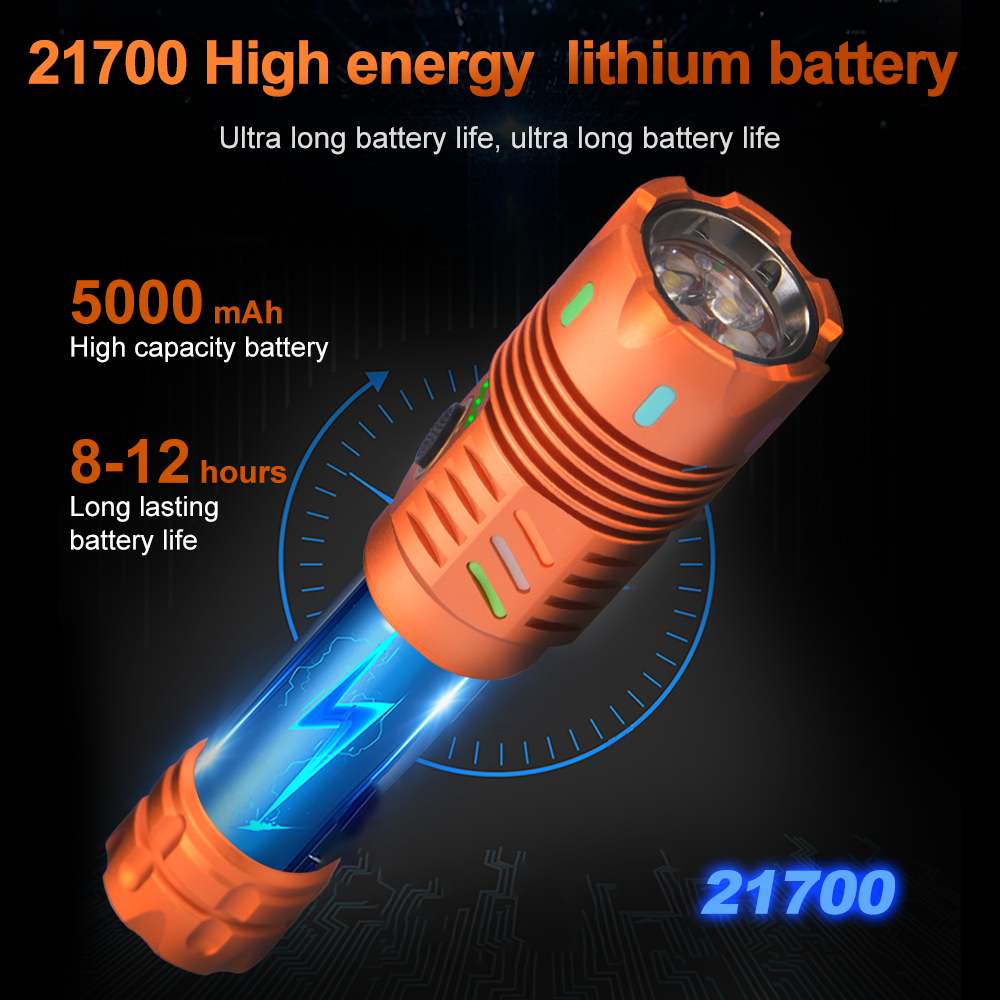
Rechargeable flashlights have many good points for first-aid stores. They work well and are very reliable. These flashlights use lithium-ion batteries. The batteries last a long time and give steady light. You can use them for 6 to 24 hours after charging once. The batteries work for 2 to 3 years or about 500 charges. It is easy to recharge them, which helps in emergencies. Many rechargeable flashlights have simple features. You can change the brightness, use SOS modes, and they resist water. You can use these flashlights for camping, first-aid kits, and in your store every day. The table below shows new improvements:
Advancement Type | Description |
|---|---|
Smart Flashlight Technology | You can control flashlights with phone apps. |
Enhanced Battery Technologies | New batteries last longer and charge faster. |
Advanced Lighting Modes | You get many modes, like SOS and color changes. |
Improved Durability and Design | Strong materials make flashlights tough and easy to use. |
Disadvantages
There are some problems with rechargeable flashlights.
You need power to charge them, which is hard if the lights go out.
Most rechargeable flashlights are bigger than aa flashlights, so they are harder to carry and store.
They cost more at first than aa flashlights, which can be tough for your budget.
How long they work depends on the battery and how you use them, so you need to charge them often.
Tip: Always keep extra flashlights or ways to charge them for emergencies.
Best Uses
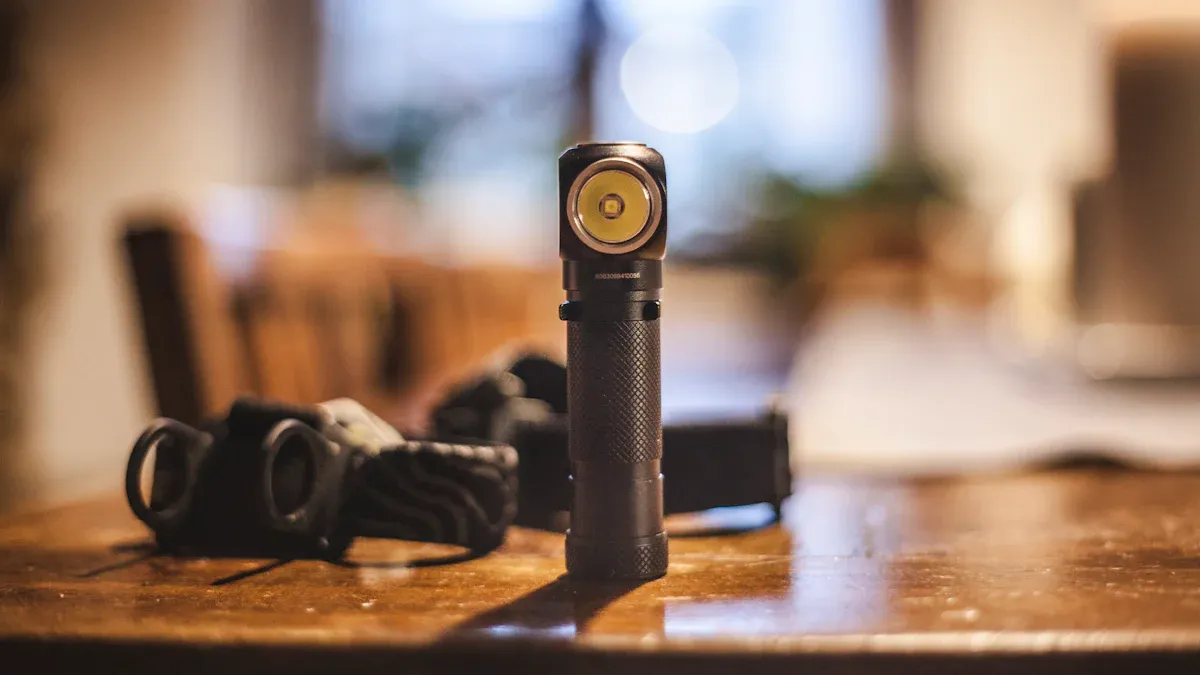
Rechargeable flashlights are best where you can charge them easily. You can use them in first-aid stations, stores, and for camping. They are good for long use and have strong batteries. These flashlights have easy controls and last a long time, so they are great for daily use. If you want a flashlight that is easy to use and lasts long, rechargeable flashlights are a smart pick.
Battery Operated Flashlights
Advantages
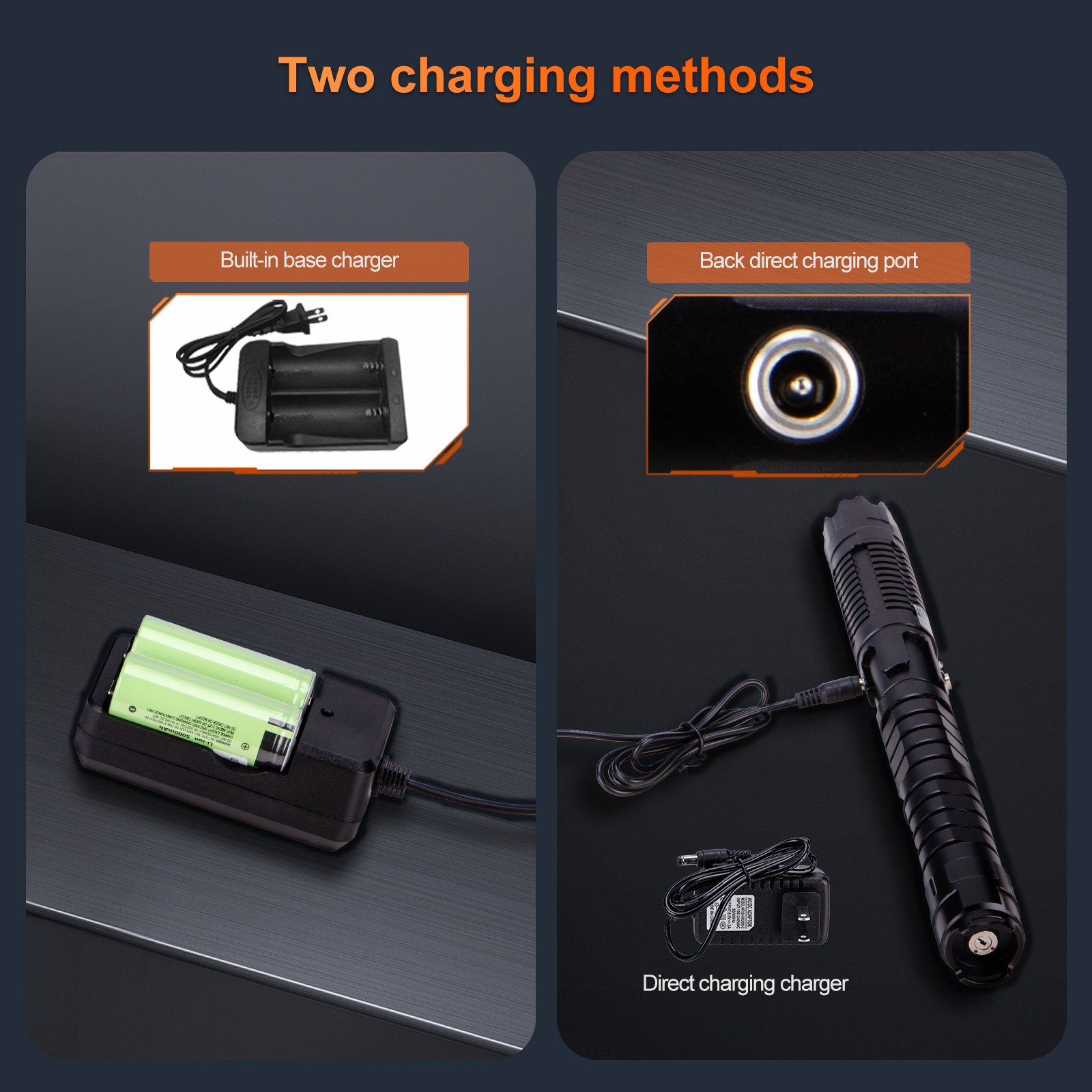
Battery operated flashlights are ready to use right away. You do not have to wait for them to charge. AA and AAA batteries are easy to buy at most stores. This makes these flashlights a good choice for first-aid retailers. You can change the batteries fast. This keeps your flashlight working with little delay. These flashlights shine bright when you need them most.
Non-rechargeable flashlights work instantly.
AA batteries are cheap and simple to get.
You can swap batteries without any special tools.
Battery operated flashlights save money for first-aid kits.
You can use these flashlights in places with no power.
Tip: Always keep extra batteries in your store. This helps your non-rechargeable flashlights stay ready for emergencies.
Feature | Description |
|---|---|
Power Source | Uses AA, AAA, or lithium-ion batteries. You do not need electricity. |
Convenience | No wires needed. You can use flashlights anywhere. |
Application | Great for faraway places and outdoor use. |
Disadvantages
Non-rechargeable flashlights cost more over time. You have to buy new batteries often. This adds up and makes them more expensive. Most battery operated flashlights use batteries you throw away. This creates more trash. The EPA says billions of batteries go to landfills every year. These batteries can leak chemicals like lead and mercury. This hurts the earth and can make people sick. Non-rechargeable flashlights are not as good for the planet as rechargeable flashlights.
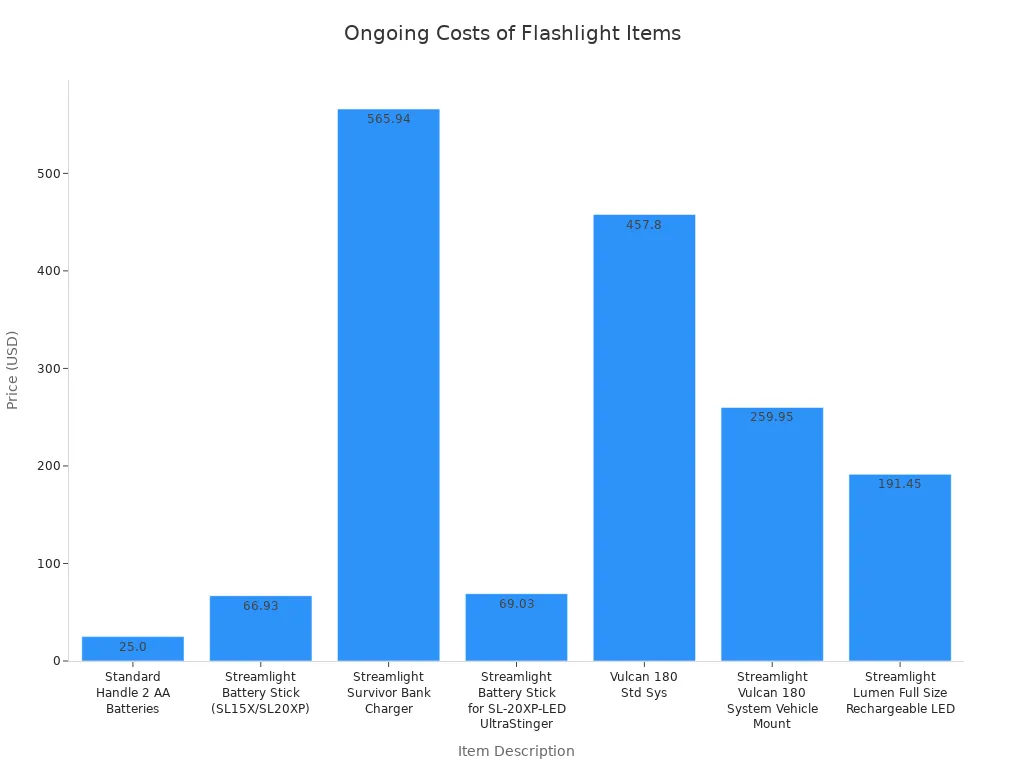
Disposable batteries make non-rechargeable flashlights cost more.
You should handle battery trash to help the earth.
Rechargeable flashlights make less toxic waste and are better for nature.
Best Uses
Non-rechargeable flashlights are best where there is no electricity. They work well in faraway places, outside, and during blackouts. You can count on battery operated flashlights for quick light in sudden events. First-aid retailers should keep both types of flashlights in stock. Battery-powered flashlights are good backups when rechargeable ones cannot be used.
Non-rechargeable flashlights are best for faraway places.
You can use these flashlights for outdoor trips and emergencies.
Rechargeable flashlights are better for everyday use and the environment.
Wholesale Flashlights Bulk
Helius Lights
If you buy wholesale flashlights bulk for your store, you want flashlights that work well every time. Helius Lights is a good choice for first-aid retailers. Their flashlights meet strict rules for safety and strength. Helius Lights sells rechargeable flashlights with batteries that last a long time. These flashlights are made from strong aluminum and tough plastic. They have rubber seals and hard buttons so they work in rough places.
You should look for certifications when picking flashlights. The table below lists important standards:
Standard | What It Checks For |
|---|---|
ANSI/NEMA FL1 | Checks how bright the flashlight is and how long it works |
IEC 60529 (IP Code) | Checks if dust or water can get inside |
CE Marking | Shows the flashlight is safe and follows rules |
UL Listing | Means Underwriters Laboratories tested it for safety |
Helius Lights knows how to handle big orders of flashlights. They understand what first-aid retailers need. You can count on them to deliver fast and let you order the amount you want. Many customers say their rechargeable flashlights are high quality and dependable.
Retailer Considerations
Think about a few things before you buy wholesale flashlights bulk. First, check how bright the flashlight is. Pick flashlights with at least 200-300 lumens for inside use. For outside emergencies, you need even brighter flashlights. How long the battery lasts is important too. Rechargeable flashlights with long battery life and different modes help you save power during long emergencies.
Durability matters. Choose flashlights made from strong materials that can take a hit. Size and how easy it is to carry are important for emergency kits. Small rechargeable flashlights fit well in first-aid bags. Water resistance is important. Look for an IP rating of IPX4 or higher. Simple features like tail switches make flashlights easy to use when you are stressed.
Buying wholesale flashlights bulk helps you save money and get ready for emergencies. You get enough rechargeable flashlights for your workers and customers. You also make less trash by picking rechargeable flashlights instead of ones with throwaway batteries. Helius Lights gives you choices for big orders, so you can be ready for anything.
Tip: Check what other customers say before you buy wholesale flashlights bulk. Good reviews mean you can trust the company.
Comparison Table
It can be hard to pick between rechargeable and battery-powered flashlights. You want to choose the best one for your first-aid store. The table below helps you see how each type is different in important ways.
Factor | Rechargeable Flashlights | Battery-Powered Flashlights |
|---|---|---|
Reliability | Stays bright, lasts long, breaks less often | Starts bright, but gets dim as batteries run out |
Cost | Costs more at first, saves money later, better for earth | Cheaper at first, costs more later, makes more trash |
Convenience | Easy to charge, no need for extra batteries | Change batteries fast, but need to keep extras |
Emergency Readiness | Lasts long, steady light, good for many uses | Good backup, works right away, best for far places |
Reliability
You need flashlights that work every time you use them. Rechargeable flashlights stay bright for a long time. They do not get dim after hours of use. You do not have to worry about the light fading when you need it. Many rechargeable flashlights use lithium-ion batteries. These batteries keep their power for years.
Rechargeable flashlights work well and are reliable in emergencies.
Battery-powered flashlights lose brightness as batteries get weak.
You might need to change batteries often to keep them working.
Rechargeable flashlights stay bright and ready to use. This makes them a great choice for first-aid stores that need tools they can trust.
Cost
Cost is important for every store. Rechargeable flashlights cost more when you buy them. But you save money later because you do not buy new batteries. You also help the earth by making less battery trash. If you use flashlights a lot, rechargeable ones save you money over time.
Rechargeable flashlights cost more at first but save money later.
They are better for the earth because they make less battery waste.
In emergencies, rechargeable flashlights are good because you do not need extra batteries.
Battery-powered flashlights look cheaper at first. But you spend more on batteries over five years. You also have to store and throw away old batteries, which adds to your costs and trash.
Convenience
You want flashlights that are simple to use. Rechargeable flashlights let you charge them overnight. You do not need to keep lots of spare batteries. Many rechargeable flashlights use USB charging, so you can use a power bank or wall plug. Some even have solar or hand-crank charging for more options.
Rechargeable flashlights are easy to charge and keep ready.
You do not have to worry about running out of batteries.
Many have extra features like changing brightness and SOS signals.
Battery-powered flashlights are easy to use too. You just put in new batteries and they work. This helps if you cannot charge your flashlight right away. You must remember to keep enough batteries. If you run out, your flashlight will not work.
Emergency Readiness
In emergencies, you need flashlights you can trust. Rechargeable flashlights give you light for a long time. They work well during blackouts, storms, and disasters. Many have strong cases and can handle water. You can use them in tough places without worry.
Fenix flashlights are strong and work well in emergencies.
They are made with tough materials for hard conditions.
Rechargeable flashlights give light for a long time, and AA-powered ones are good backups.
They are very bright and you can change the settings.
Rechargeable flashlights are useful for many things.
Battery-powered flashlights are good as backups. You can use them right away if you have extra batteries. They work well in places where you cannot charge things. It is smart to keep both types in your store. This way, you always have a flashlight ready.
Tip: Keep both rechargeable and battery-powered flashlights in your emergency kits. This helps you be ready for anything.
Choosing Flashlights
Store Needs
You need flashlights that work for every situation. Think about how your team uses flashlights in emergencies. Check the size of your store and how many people work there. Also, think about what kinds of emergencies can happen. Some stores need flashlights for blackouts. Others need them for outdoor rescues or first-aid kits.
Look at the features that matter most when you pick flashlights. Waterproof ratings show if a flashlight works in wet places. LED bulbs are bright and save energy. You can choose flood beams for big spaces or spot beams for small tasks. Rechargeable flashlights are good if you have power. Battery-powered flashlights help if you need light fast or work where there is no electricity.
Here is a table to help you compare important things:
Criteria | Description |
|---|---|
Waterproof Ratings | Shows how well flashlights handle water. Look for IPX4 or higher. |
Bulb Types | LED bulbs last longer and shine brighter than other types. |
Beam Types | Choose flood, spot, or adjustable beams for different needs. |
Battery Types | Decide between disposable, rechargeable, or renewable batteries. |
Modes | Extra settings like SOS or strobe help in emergencies. |
Controls | Easy-to-use switches and safety locks make flashlights safer. |
Materials | Aluminum and tough plastic give flashlights more durability. |
Size and Weight | Pick flashlights that balance power and portability. |
Accessories | Lanyards and holsters make flashlights easier to carry and use. |
Tip: Test flashlights before you add them to your store. Make sure they work with your emergency plans.
You should pick the right flashlight for your store. Think about how reliable it is, how much it costs, and if it works in emergencies. Rechargeable flashlights are a great choice for most first-aid stores. Every emergency kit needs to have a flashlight inside. Make sure you test your flashlights often. Teach your workers how to use them the right way. Check what flashlights you have and add both rechargeable and battery-powered ones. This helps you be ready for anything. Your team should know how to use flashlights in all situations.
Put flashlights in every emergency kit
Check flashlights and batteries often
Show staff how to use flashlights
FAQ
What type of flashlight should you keep in your first-aid kit?
Every first-aid kit needs a small, dependable flashlight. Pick one that lasts a long time and is easy to use. Rechargeable flashlights are great for using every day. Battery-powered flashlights are good to have as backups.
How often should you check your store’s flashlights?
Check your flashlights once a month. Turn each one on to see if it works and is bright. Change or charge the batteries if you need to. Doing this helps your store stay ready for emergencies.
Can you use both rechargeable and battery-powered flashlights together?
Yes! Having both types gives you more choices. Rechargeable flashlights help save money and make less trash. Battery-powered flashlights are helpful when you cannot charge things. Using both kinds means you will always have light.
What features matter most for emergency flashlights?
Bright LED bulbs
Water resistance
Easy-to-use switches
Long battery life
Choose flashlights with these features so your team can act fast and stay safe.
See Also
Rechargeable Flashlights Versus Traditional: Which One Reigns Supreme?
Wholesale Flashlights Compared To Retail: Which Model Prevails?
Guidelines For Finding Dependable Wholesale Flashlights
Selecting Top Flashlights For Your Wholesale Needs
Enhancing Efficiency: Selecting Premium Batteries For Wholesale Flashlights