The Role of Quality Control in Flashlight Manufacturing in China

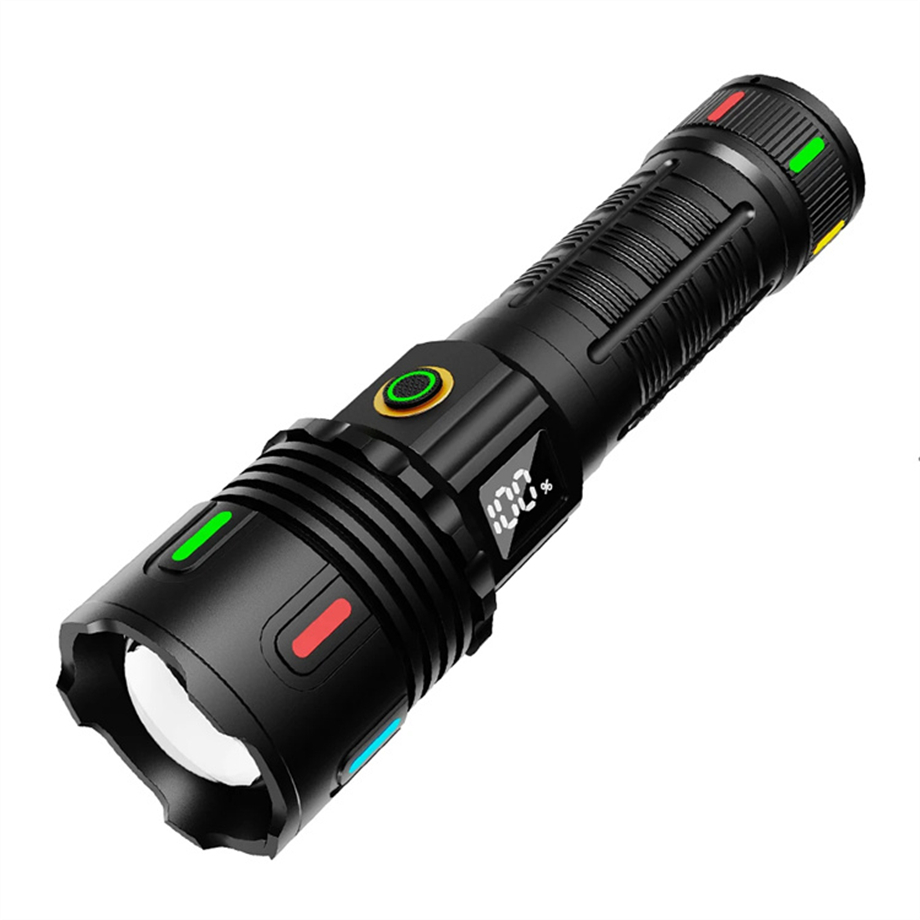
You rely on a flashlight to perform consistently, whether for outdoor adventures or emergency situations. This reliability stems from rigorous quality control processes, highlighting the role of quality control in flashlight manufacturing in China. In China, manufacturers implement strict QC measures to ensure flashlights meet international standards like ISO and RoHS. These certifications guarantee safety, durability, and environmental compliance. With China holding a 67.9% share in East Asia's flashlight market in 2024, maintaining high-quality standards is essential for global competitiveness. Proper inspection and defect rectification not only enhance product reliability but also build trust, making Chinese torches a preferred choice worldwide.
Key Takeaways
Quality control makes sure flashlights are safe and work well. Careful testing stops problems and makes them more dependable.
China's flashlight industry is the best because of strict checks and following global rules like ISO and RoHS.
Strong quality control lowers returns and complaints, making customers happy and loyal to the brand.
Checking suppliers often and using better tests improve materials and make production smoother.
Getting global certifications builds trust and improves China's image in the world flashlight market.
Understanding the Role of Quality Control in Flashlight Manufacturing
Defining Quality Control in Flashlight Production
Quality control in flashlight manufacturing ensures that every product meets performance, safety, and durability standards. It involves several key practices:
Functional testing evaluates components like bulb alignment and switch assembly to ensure proper operation.
Visual inspections detect defects such as scratches or misaligned parts.
Batch sampling selects random samples from production batches for rigorous testing.
These steps help manufacturers identify and address issues early in the flashlight manufacturing process. For example, a switch test evaluates the resistivity of the flashlight's switch through repeated pressing, ensuring reliability. Similarly, a temperature test analyzes heat dissipation using a thermal camera, preventing overheating during use.
Test Name | Purpose |
|---|---|
Luminous Intensity Test | Measure the luminous intensity of a light source in a particular direction. |
Shakeout Test | Assess the durability and scratch-resistant abilities of the flashlight's surface. |
Salty Spray Test | Evaluate corrosion resistance by exposing the flashlight to salt and humidity. |
Vibration Test | Check for damage after placing the flashlight on a vibration table. |
These tests ensure that flashlights meet high standards of quality and functionality.
Importance of Quality Control in LED Flashlights
LED flashlights require more rigorous quality control compared to traditional models. Key factors include:
Light output measured in lumens.
Run time, indicating how long the flashlight operates before dimming.
Impact resistance and water resistance ratings for reliability in various conditions.
High-quality LED flashlights also adhere to certifications like ANSI/NEMA FL 1 Standard, which validates performance and durability. RoHS compliance ensures these flashlights are free from harmful materials, reflecting a commitment to environmental standards. Without proper QC, defective LED flashlights can lead to customer dissatisfaction and reputational damage. Testing for brightness, durability, and safety features ensures these products meet customer expectations.
China's Leadership in Flashlight Manufacturing
China leads the global flashlight industry due to its advanced technology, skilled workforce, and adherence to international standards. Manufacturers implement strict quality control systems to test durability, water resistance, and shock resistance. These measures enhance product reliability and safety.
Chinese manufacturers also leverage economies of scale to produce high-quality flashlights at competitive prices. Significant investments in research and development drive innovation, ensuring that products meet evolving market demands. By maintaining rigorous QC processes, China continues to dominate the flashlight manufacturing market, offering reliable and affordable products worldwide.
Key Stages of Quality Control in China’s Flashlight Industry
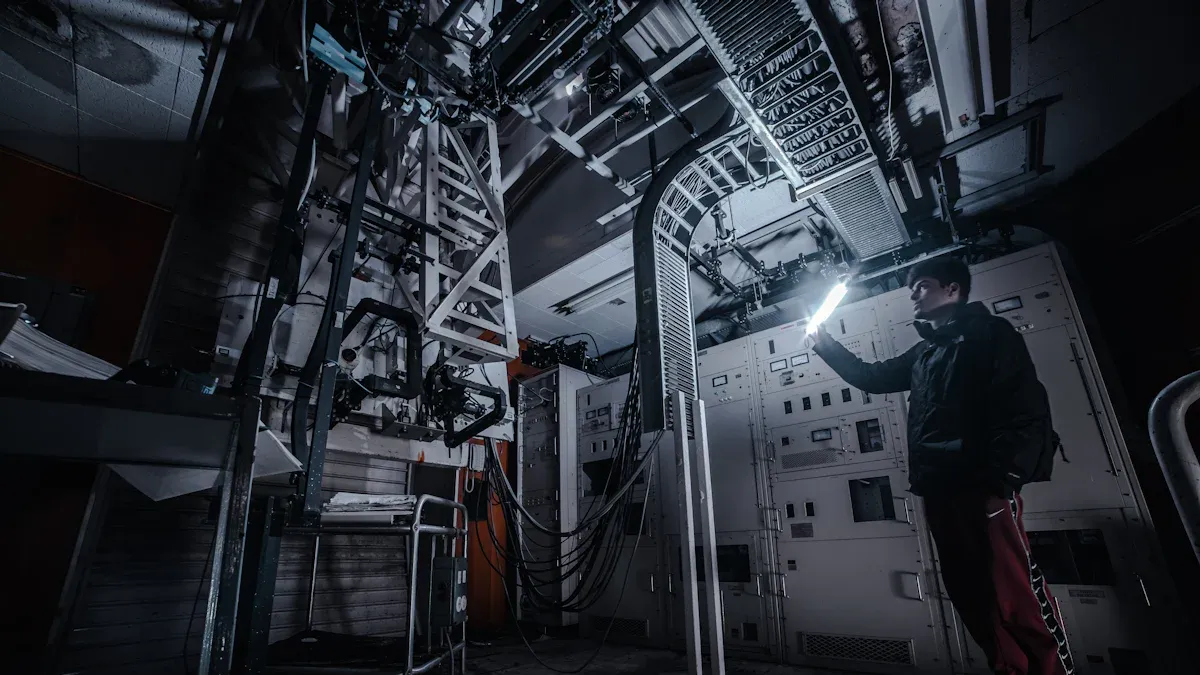
Incoming Quality Control (IQC)
Inspection of Raw Materials
Incoming materials quality control is the first step in ensuring the reliability of flashlights. You must inspect raw materials like lenses, batteries, and LED components to confirm they meet the required standards. For example, beam distance tests evaluate how far the flashlight's light can reach, while peak beam intensity tests measure the brightness of the beam. These tests ensure that the materials used in production will result in high-quality flashlights.
Supplier Compliance Verification
Verifying supplier compliance is another critical aspect of IQC. Manufacturers assess whether suppliers adhere to agreed specifications and quality standards. This process includes visual inspections to identify surface defects and physical inspections to confirm structural integrity. By ensuring compliance, you can avoid issues like overheating or quick LED light burnouts caused by substandard materials.
In-Process Quality Control (IPQC)
Monitoring Assembly and Production
In-process quality control focuses on maintaining consistency during flashlight production. Technicians perform functional testing to check components like the control switch and LED alignment. Visual inspections at every stage help identify defects early. Batch sampling ensures that randomly selected units meet quality standards, preventing widespread issues in the final product.
Functionality and Durability Testing
During production, you must test the flashlight's functionality and durability. For instance, shakeout tests assess scratch resistance, while vibration tests ensure components remain intact under stress. These tests confirm that the flashlight can withstand real-world conditions, enhancing its reliability.
Final Quality Control (FQC)
Comprehensive Testing Before Packaging
Final quality control involves rigorous testing to ensure the flashlight meets all performance criteria. Tests like bulb alignment and battery compartment seal checks verify that the flashlight operates correctly and resists moisture. Waterproof and dustproof performance tests further confirm the flashlight's durability in challenging environments.
Identifying and Addressing Defects
Before packaging, you must identify and address any defects. Power output and beam distance tests ensure the flashlight performs as expected. By resolving issues at this stage, manufacturers can deliver high-quality products that meet customer expectations.
Outgoing Quality Control (OQC)
Ensuring Export Standards Compliance
Outgoing quality control plays a crucial role in ensuring that flashlights meet export standards. You must verify that each product complies with international regulations like CE, FCC, or RoHS. These certifications confirm that the flashlight is safe, reliable, and environmentally friendly.
To achieve this, manufacturers conduct a series of tests. For instance, they check for proper labeling, including wattage, voltage, and safety warnings. They also inspect packaging to ensure it meets shipping requirements. If a flashlight fails to meet these standards, it cannot proceed to the next stage. By adhering to these guidelines, you can avoid costly penalties or product recalls.
Tip: Always stay updated on the latest export regulations for your target markets. This helps you maintain compliance and avoid delays.
Final Inspection Before Shipment
Before shipping, you must perform a thorough inspection of the flashlights. This step ensures that only defect-free products reach customers. Inspectors examine the flashlights for physical damage, such as scratches or dents. They also test functionality, including brightness, battery life, and water resistance.
Batch sampling is a common practice at this stage. Inspectors randomly select units from each batch and subject them to rigorous testing. For example, they might perform drop tests to confirm durability or waterproof tests to ensure the flashlight can withstand wet conditions. If any defects are found, you must address them immediately.
By conducting a final inspection, you can guarantee that your products meet customer expectations. This step not only enhances your reputation but also reduces the risk of returns or complaints.
Challenges in Quality Control in China’s Flashlight Manufacturing
Common Issues in Flashlight Production
Variability in Material Quality
Material quality plays a critical role in flashlight performance and durability. However, variability in materials often leads to issues like overheating, buzzing noises, or quick LED burnouts. For instance, low-grade materials can cause LED lights to fail prematurely or result in inappropriate LED drivers that overheat during use. High-quality materials, such as aluminum alloy, are essential for heat dissipation and lightweight designs. Stainless steel is another preferred option for its strength and corrosion resistance, especially in heavy-duty flashlights. Ensuring consistent material quality is vital for producing reliable flashlights.
Inconsistent Manufacturing Processes
Inconsistent processes during production can lead to defects in flashlights. Errors in assembly, such as improper wiring, may cause wrong color displays or malfunctioning control switches. Overloaded circuits can result in buzzing noises, indicating potential failures. Standardizing work instructions and reducing human errors are effective ways to address these inconsistencies. Predictive maintenance, enabled by Industry 4.0 technologies, can also help maintain steady production flow and minimize downtime.
Quality Control Challenge | Description |
|---|---|
Overheating | Can lead to illumination failure. |
Buzzing noise | Indicates overloaded circuits. |
Quick LED light burnouts | Often caused by low-grade materials. |
Inappropriate LED drivers | May cause malfunctioning due to overheating. |
Wrong color displays | Result from wiring issues or LED controller problems. |
Overcoming Quality Control Challenges
Supplier Audits and Compliance Checks
Regular supplier audits ensure that materials meet industry standards. These audits hold suppliers accountable for their performance and identify areas for improvement. By fostering transparency and improving communication, you can strengthen relationships with suppliers. This approach safeguards the supply chain and reduces the risk of disruptions.
Advanced Testing Equipment and Techniques
Using advanced testing equipment enhances the reliability of flashlight inspections. Robotic testing systems improve the speed and consistency of QC processes. For example, vibration and temperature tests ensure flashlights perform well under extreme conditions. AI-powered predictive analytics can also identify patterns in manufacturing data, preventing defects before they occur. These technologies streamline production and improve efficiency.
Benefit | Description |
|---|---|
Improved Quality Control | Robotic testing systems enhance inspection reliability and speed. |
Enhanced Durability | Tests ensure flashlights withstand extreme conditions. |
Increased Efficiency | Automated systems reduce errors and improve production flow. |
Workforce Training and Development
A well-trained workforce is essential for maintaining high-quality standards. Training programs should focus on reducing human errors and improving technical skills. Educating workers about advanced testing techniques and QC protocols ensures consistency in flashlight production. Continuous development helps your team adapt to new technologies and maintain competitive standards in the industry.
Tip: Investing in workforce training not only improves product quality but also boosts employee morale and productivity.
Benefits of Robust Quality Control in Flashlight Manufacturing
Enhanced Product Reliability
Improved Performance and Durability
Robust quality control ensures that every flashlight you produce meets high performance and durability standards. Manufacturers use advanced inspections and testing processes to maintain consistent quality, even in bulk orders. For example, rigorous testing of the lens, LED alignment, and control switch ensures that the flashlight operates reliably under various conditions. This consistency builds trust with your customers and protects your profit margins by reducing product failures.
Reduced Returns and Complaints
When you implement strong QC measures, you minimize the chances of defects reaching your customers. Comprehensive testing of components like the battery and lens ensures that flashlights perform as expected. This reduces the likelihood of returns and complaints, saving you time and resources. Reliable products also enhance your reputation, encouraging repeat business and positive word-of-mouth.
Increased Customer Satisfaction
Building Trust and Brand Loyalty
High-quality flashlights that meet customer expectations foster trust and loyalty. When your LED flashlights consistently deliver on promises of brightness, durability, and safety, customers are more likely to choose your brand over competitors. Meeting safety standards also reassures buyers, strengthening their confidence in your products.
Positive Customer Feedback
Satisfied customers often share their experiences, leading to positive feedback and recommendations. Reliable LED flashlights with durable lenses and long-lasting batteries encourage customers to spread the word about your brand. This not only boosts your reputation but also attracts new buyers, further solidifying your market position.
Note: Product reliability, durability, and safety are key factors that drive customer satisfaction and loyalty. Ensuring these aspects through robust QC processes is essential for success.
Competitive Edge for Chinese Manufacturers
Meeting International Standards
Adhering to international standards like ISO and RoHS gives you a competitive advantage. These certifications confirm that your flashlights are safe, environmentally friendly, and reliable. For example, RoHS compliance ensures that your LED flashlights are free from harmful substances, while ISO standards guarantee consistent production processes. Meeting these requirements enhances your credibility in global markets.
Strengthening China’s Reputation in Manufacturing
China dominates the flashlight industry by combining advanced technology with strict QC measures. By meeting international standards, Chinese manufacturers reinforce their reputation for producing high-quality LED flashlights. Certifications like CE and UL further demonstrate a commitment to safety and reliability. This focus on quality helps China maintain its leadership in the global flashlight market.
The role of quality control in flashlight manufacturing in China remains critical for ensuring product reliability and customer satisfaction. By adhering to international standards like ISO and RoHS, you can guarantee safety and environmental compliance. Rigorous inspection processes, including tests for durability, water resistance, and shock resistance, ensure that each flashlight meets the required standards before shipment. These measures not only enhance product reliability but also protect your brand's reputation.
Effective quality control is especially vital when purchasing flashlights in bulk. It ensures that you receive durable and reliable products, reducing the risk of financial losses and customer dissatisfaction. Without proper inspection, defective items can harm your business and erode consumer trust. By maintaining strict quality control, you can meet growing demand and sustain China's leadership in the global flashlight industry.
FAQ
What makes quality control important in flashlight manufacturing?
Quality control ensures flashlights meet performance and safety standards. It helps identify defects early, preventing faulty products from reaching customers. This process improves reliability, reduces returns, and builds trust in your brand.
How does China maintain its leadership in flashlight manufacturing?
China excels in flashlight production through advanced technology, skilled labor, and strict quality control. Manufacturers adhere to international standards, ensuring reliable and affordable products. This approach strengthens their global reputation.
What are common quality control tests for flashlights?
Key tests include vibration tests for durability, waterproof tests for resistance, and luminous intensity tests for brightness. These tests ensure flashlights perform well under various conditions, meeting customer expectations.
How can manufacturers overcome quality control challenges?
You can address challenges by conducting supplier audits, using advanced testing equipment, and training your workforce. These steps improve material quality, streamline production, and reduce defects.
Why is customer satisfaction linked to quality control?
High-quality flashlights meet customer expectations for performance and durability. This builds trust, encourages repeat purchases, and generates positive feedback. Satisfied customers strengthen your brand's reputation and market position.
See Also
Comprehensive Overview of Flashlight Production and Quality in China
Key Quality Criteria for LED Flashlights from Chinese Suppliers
Mastering Quality Assurance in Flashlight Wholesale Buying
Exploring Manufacturing Techniques and LED Innovations in Flashlights