How to Handle Packaging and Labeling for Bulk Imports from China

Proper packaging and labeling play a vital role in ensuring the success of bulk imports from China. Without them, you risk shipment delays, damaged goods, or even legal penalties. Common issues include goods being misplaced due to mislabeling or fragile items suffering damage during transit. By adhering to regulations, you can streamline customs clearance, protect product quality, and build consumer trust. Compliance also opens doors to global markets and enhances supply chain efficiency. Whether you're importing electronics or working with flashlight wholesale distributors, prioritizing these steps safeguards your business and reputation.
Key Takeaways
Learn and follow labeling rules to avoid shipping delays.
Talk clearly with makers to stop packaging and labeling mistakes.
Check products carefully before shipping to meet rules and keep them safe.
Key Packaging and Labeling Requirements for Bulk Imports
Understanding Product Labeling Requirements
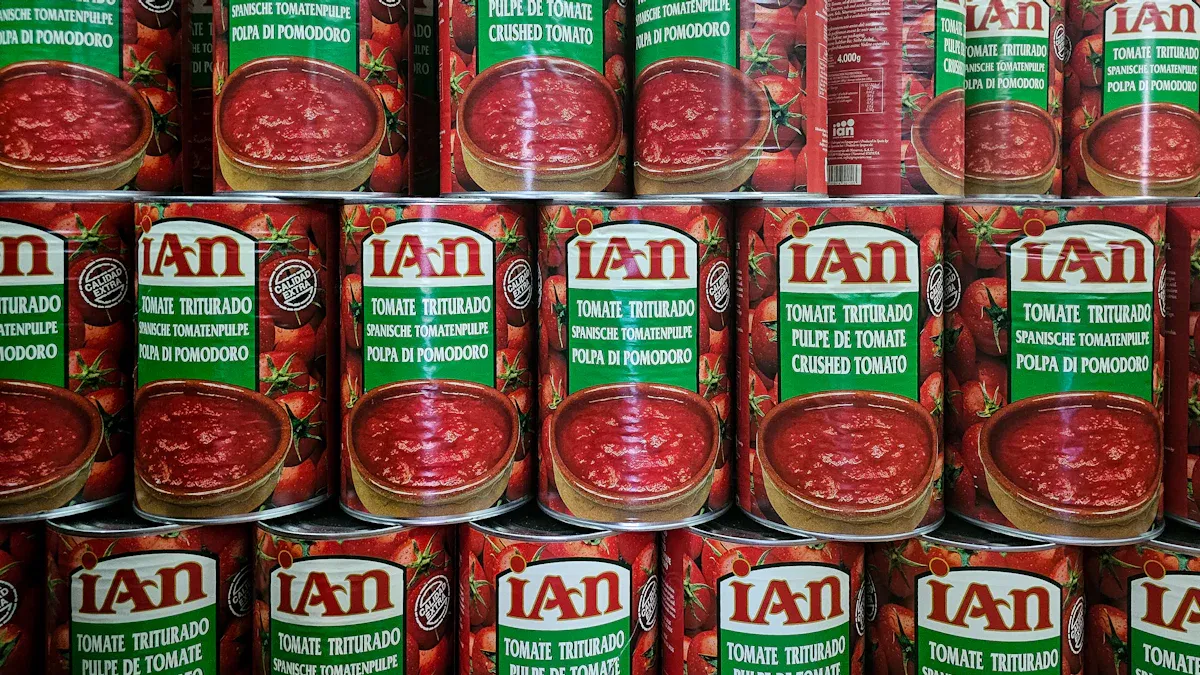
When importing goods from China, understanding product labeling requirements is essential to avoid shipment delays and ensure smooth customs clearance. Labels must provide accurate and detailed information about the product. For instance, food products require a clear list of ingredients in descending order, net content, and both manufacture and expiry dates. Additionally, pre-packaged food must display product standard numbers and any genetically modified (GM) food labeling if applicable.
For non-food items, labels should include the product name, specifications, and producer information, such as the name, address, and contact details. Storage requirements, shelf life, and production license numbers are also mandatory. These details not only meet regulatory standards but also help build trust with your customers.
Country-Specific Labeling Rules (e.g., U.S. vs. EU)
Labeling requirements vary significantly between countries. In the U.S., the Food and Drug Administration (FDA) mandates that food labels comply with the Food Safety Modernization Act (FSMA). Importers must register facilities, verify food safety standards, and submit prior notices for shipments. Labels must include the country of origin, nutritional information, and allergen declarations.
In the EU, labeling rules are governed by the European Food Safety Authority (EFSA). Labels must be in the official language(s) of the destination country and include detailed ingredient lists, allergen information, and storage conditions. Non-compliance can lead to fines, rejected shipments, or additional shipping costs. Collaborating with a customs broker or freight forwarder can help you navigate these complex regulations.
Ensuring Compliance with Labeling Requirements
To ensure compliance, you should take a systematic approach. Start by researching the specific labeling requirements for your target market. Use tools like Compliance AI to verify labels against established criteria and identify errors. These tools can scan for missing allergens, misleading claims, or incorrect barcodes.
Work closely with your freight forwarder and customs broker to ensure all import documentation, including the bill of lading and commercial invoice, aligns with labeling regulations. Conduct quality inspections before shipment to confirm that labels meet the required standards. This proactive approach minimizes risks and ensures a seamless customs clearance process.
Step-by-Step Guide to Packaging and Labeling

Designing Labels and Packaging for Bulk Imports
Designing effective labels and packaging for bulk imports requires careful planning. Start by ensuring that your labeling complies with the regulations of your target market. Include essential details such as the product name, country of origin, and safety information. For instance, if you are shipping an Amazon FBA product, ensure the label meets their specific requirements, including barcodes and SKU numbers.
Collaborate with your marketing team to align packaging with your brand identity. This ensures consistency across all products. Work with your distribution team to design packaging that withstands transportation and storage conditions. Use standardized materials to reduce shipping costs and optimize designs to minimize waste. Clear and accurate labeling not only meets compliance standards but also builds trust with your customers.
Communicating Effectively with Manufacturers
Effective communication with manufacturers is crucial for successful packaging and labeling. Provide detailed instructions about your requirements, including the bill of lading and commercial invoice details. Share clear timelines to account for the lead time for planning and production.
Regularly follow up with your manufacturers to ensure they understand your specifications. Discuss safety testing compliance and confirm that all materials meet the required standards. Collaborating with a freight forwarder or customs broker can help bridge communication gaps and ensure smooth operations. This proactive approach minimizes errors and avoids unnecessary shipping costs.
Conducting Quality Inspections Before Shipment
Quality inspections are essential to verify that your packaging and labeling meet the required standards. Inspect labels to ensure they are clear, accurate, and not deceptive. Misleading packaging can lead to consumer complaints or legal issues. Check that the labeling accurately represents the product’s quantity and complies with safety regulations.
During inspections, confirm that the packaging protects the product during transit. Fragile items should have adequate cushioning to prevent damage. Collaborate with your customs broker to ensure all import documentation, including the bill of lading, aligns with regulatory requirements. Addressing these issues before shipment reduces delays and additional shipping costs.
Overcoming Common Challenges in Packaging and Labeling
Avoiding Errors in Product Labeling
Errors in product labeling can disrupt your supply chain and lead to costly delays. Common mistakes include misplaced or distorted graphics, inconsistent colors and fonts, and translation errors that confuse consumers. Manual proofing processes often fail to catch these issues, resulting in improper inspections. Additionally, poor documentation, such as incorrect addresses or product descriptions, can cause shipment delays or even rejected goods.
To avoid these pitfalls, implement a rigorous quality control process. Use digital tools to standardize your labels and ensure consistency across all products. Double-check that the labeling includes accurate information, such as the country of origin and safety details. Collaborate with your customs broker to verify that the bill of lading and other import documentation align with regulatory requirements. These steps will help you maintain compliance and reduce shipping costs.
Managing Miscommunication with Suppliers
Miscommunication with suppliers often leads to errors in packaging and labeling. To minimize this risk, establish clear guidelines from the start. Share detailed instructions about your requirements, including the bill of lading and import documentation. Develop a standardized template for product labels that can be adapted for different regions. This ensures consistency, especially when dealing with multi-language or regional labeling.
Regularly follow up with your suppliers to confirm their understanding of your specifications. Work closely with your packaging design team to ensure the packaging accurately reflects the product’s contents. Consider integrating advanced technologies, such as RFID, to streamline the labeling process. These strategies will help you avoid unnecessary shipping costs and maintain smooth operations.
When to Seek Help from Flashlight Wholesale Distributors or Experts
Sometimes, managing packaging and labeling challenges requires external expertise. Flashlight wholesale distributors, for example, often have extensive experience navigating complex regulations and supply chain logistics. They can provide valuable insights into designing compliant labels and selecting durable packaging materials. Their expertise can also help you reduce shipping costs by optimizing packaging for bulk imports.
If you encounter persistent issues, consult a customs broker or industry expert. They can guide you through regulatory requirements and ensure your labeling meets the standards of your target market. Seeking professional help can save you time and prevent costly mistakes, allowing you to focus on growing your business.
Adhering to packaging and labeling requirements ensures smooth operations and protects your business from costly mistakes. To stay compliant:
Regularly update product labels to meet the latest guidelines.
Use high-quality materials to prevent damage and reduce shipping costs.
Standardize templates for multi-language labeling to meet regional needs.
Avoid common pitfalls like poor documentation or overloading packages. Proactive measures, such as integrating RFID technology, enhance tracking and compliance. Long-term benefits include improved supply chain efficiency, consumer trust, and access to global markets. Consulting experts can further optimize your processes and minimize shipping costs.
Staying proactive safeguards your reputation and ensures your products reach customers safely and efficiently.
FAQ
What should you include on product labels for bulk imports?
Labels must include the product name, country of origin, manufacturer details, safety warnings, and any regulatory information specific to your target market.
How can you ensure packaging meets international shipping standards?
Use durable materials, secure fragile items with cushioning, and test packaging for transit conditions. Collaborate with manufacturers to confirm compliance with shipping regulations.
Do you need a customs broker for labeling compliance?
A customs broker simplifies compliance by verifying labels meet import regulations. Their expertise reduces errors and ensures smoother customs clearance.
💡 Tip: Always double-check your labels and packaging before shipment to avoid costly delays or penalties.
See Also
Key Strategies for Finding Custom Flashlights as Gifts
Effective Negotiation Techniques for Working with Suppliers
Comprehensive Tips for Importing Flashlights from China
Finding Premium Flashlights for Your Import Business Affordably