The Best Ways to Optimize Your Flashlight and Headlamp Purchases

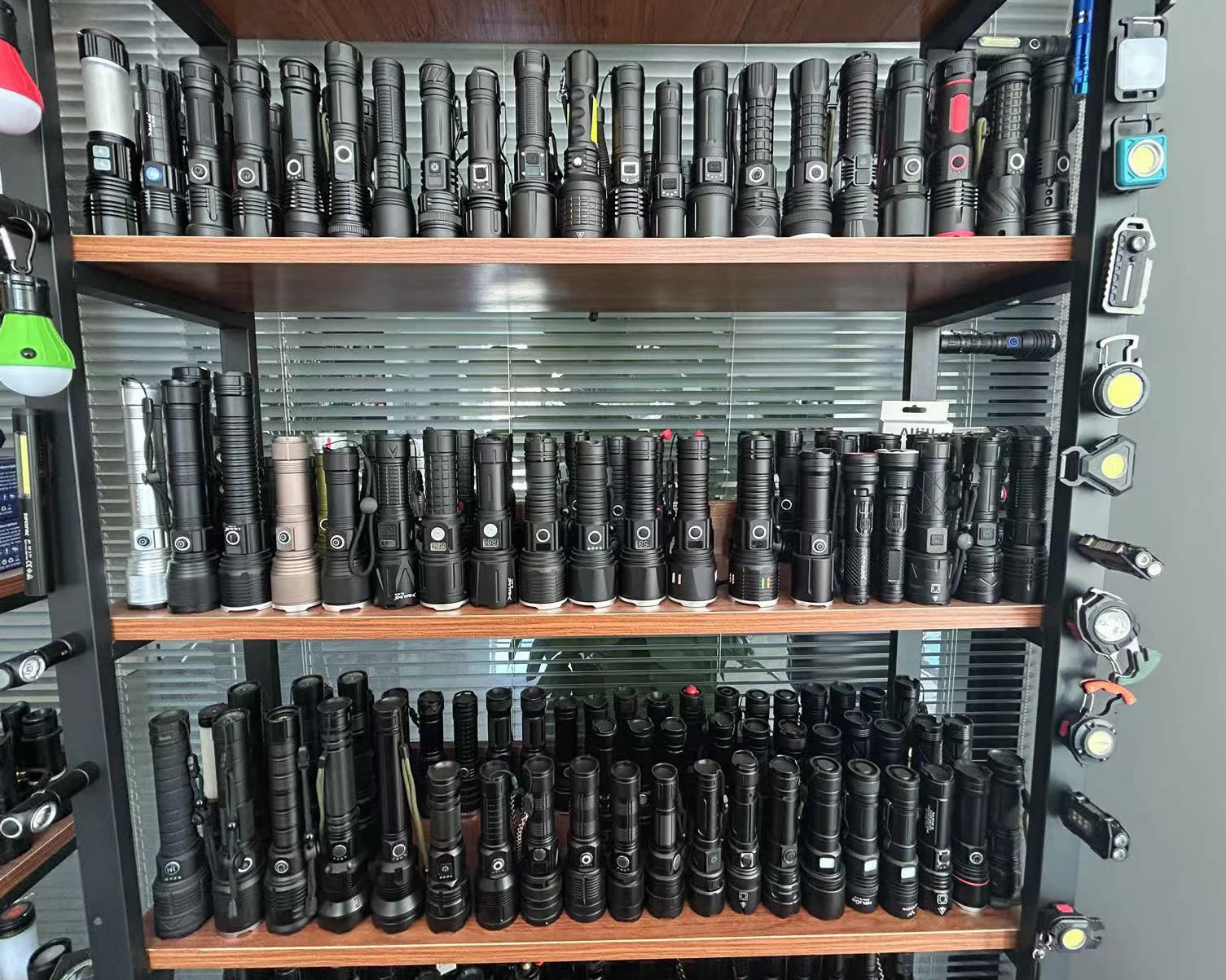
Choosing the right flashlight and headlamp purchases ensures you stay prepared for any situation. Headlamps provide hands-free lighting, which is essential for camping or hiking. They often include adjustable beam patterns, enhancing visibility in diverse environments. Flashlights, while requiring one hand, offer focused illumination. Rechargeable models deliver extended use, making them ideal for long activities.
Key Takeaways
Pick the right brightness for what you’re doing. Outside, 500-1000 lumens work well for clear sight.
Think about which lighting tool fits your needs. Flashlights give focused light, and headlamps let you use your hands freely.
Use rechargeable batteries to save money and cut waste. They’re great for regular use and keep your light powered.
Identifying Your Needs for Flashlight and Headlamp Purchases
Outdoor Adventures (Camping, Hiking, Hunting)
When you venture outdoors, your flashlight and headlamp purchases should align with the demands of your activities. For camping or hiking, prioritize brightness levels between 500-1000 lumens to ensure clear visibility in low-light conditions. Lightweight and compact designs reduce the burden during long treks. Opt for models with durable, weather-resistant materials to withstand harsh environments. Multiple lighting modes, such as high and low beams, provide flexibility for tasks like setting up tents or navigating trails. Rechargeable batteries or carrying spares can prevent power shortages during extended trips. User-friendly controls also make adjustments easier, even in complete darkness.
Emergency and Home Use
In emergencies, a reliable flashlight or headlamp can make a significant difference. Look for versatile models that adapt to various situations, such as power outages or roadside repairs. Durability ensures the device withstands wear and tear, while long battery life guarantees extended use. Rechargeable options save costs over time. Brightness levels should be sufficient to illuminate large areas effectively. Some models even offer environment-specific lighting, tailored for unique conditions like fog or rain.
Feature | Description |
|---|---|
Versatility | Ability to adapt to various situations |
Durability | Resistance to wear and tear |
Battery Life | Duration of use before needing a recharge |
Re-chargeability | Capability to be recharged for extended use |
Lumen Strength | Brightness level for effective illumination |
Environment-Specific | Tailored lighting for specific conditions |
Professional and Industrial Applications
Professionals in fields like construction, security, and firefighting require specialized lighting tools. For hazardous environments, such as oil and gas or mining, ATEX-approved headlamps ensure safety. Craftsmen and mechanics benefit from uniform illumination and robust designs that function well in confined spaces. Security personnel need wide-area illumination, long battery life, and high resistance to dust and water. Firefighters often rely on headlamps capable of penetrating smoke and operating in explosive atmospheres.
Everyday Carry and Personal Use
For daily use, your flashlight and headlamp purchases should focus on convenience and practicality. Compact and lightweight designs fit easily in pockets or bags. Moderate brightness levels are ideal for common tasks like finding keys or walking at night. Rechargeable options or easily replaceable batteries enhance usability. Integrated charging features add an extra layer of convenience for frequent users.
Key Consideration | Description |
|---|---|
Size | Small and compact is best for everyday carry, ensuring easy access and comfort in handling. |
Brightness | EDC flashlights should emit a moderate amount of light, suitable for frequent use. |
Battery Type | Consider ease of replacement or recharging; integrated charging options are beneficial. |
Key Features to Look for in the Best Headlamp or Flashlight
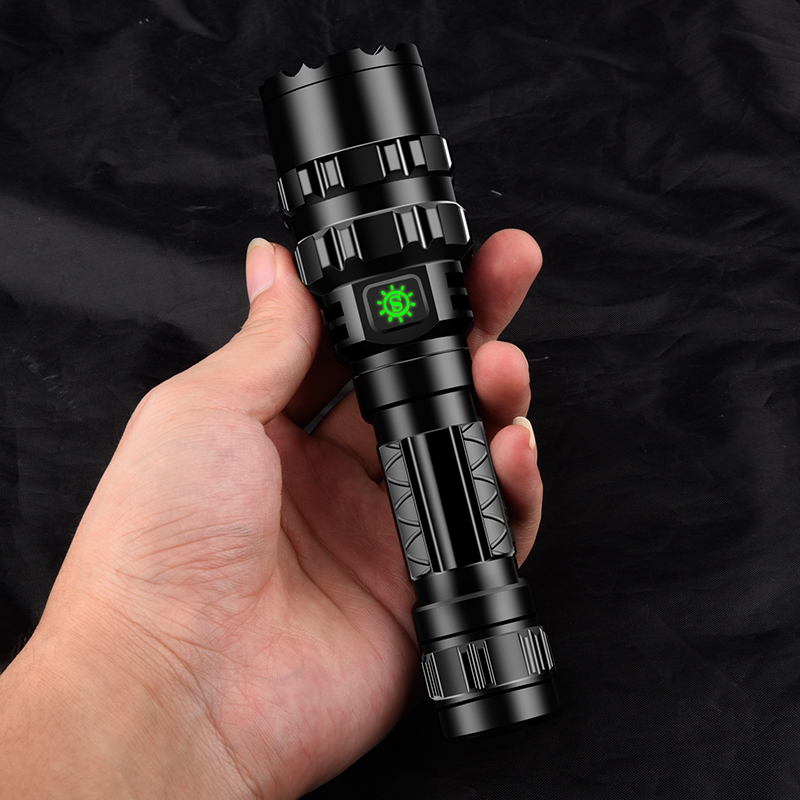
Brightness and Lumens
The brightness of a flashlight or head torch is measured in lumens. Choosing the right lumens depends on your activity. For example:
Activity Description | Recommended Lumens |
|---|---|
Simple tasks | 1 |
Close proximity tasks requiring detail or color | 10 |
Following established trails | 30 |
Cross country travel with focused beam | 100 |
Moderate speed urban cycling | 200 |
Cycling at speed and long-range navigation | 500 |
Brightness also depends on factors like candela (light intensity), optics, and battery strength. A flashlight with adjustable modes allows you to adapt to different conditions effectively.
Battery Life and Type
Battery life is crucial for uninterrupted use. Rechargeable batteries, such as lithium-ion, offer long-term savings and compatibility with solar chargers. Nickel-metal hydride (NiMH) batteries provide high energy capacity but discharge faster when unused. Disposable batteries are more affordable upfront but less eco-friendly. Choose a battery type that aligns with your usage frequency and budget.
Weight and Comfort
A lightweight head torch ensures comfort during extended use. For headlamps, adjustable straps and ergonomic designs reduce strain. Compact flashlights fit easily in your pocket or bag, making them ideal for everyday carry.
Durability and Build Quality
Durable materials like aluminum or reinforced plastic enhance longevity. Look for impact resistance and shockproof designs, especially for outdoor or industrial use.
Waterproof and Weather Resistance
Waterproof ratings, such as IPX4 (splash-resistant) or IPX7 (submersion up to 1 meter), ensure reliability in wet conditions. Sealed casings and corrosion-resistant materials improve performance in extreme weather.
Special Features (Beam Modes, Red Light, Rechargeable Options)
Special features enhance functionality. For example:
Beam Mode | Benefits for Activities |
|---|---|
Red Light Mode | Preserves night vision, ideal for astronomy or military operations. |
Adjustable Beam | Offers flexibility for spotlight and floodlight functionality. |
Lantern Mode | Provides ambient illumination for camping or reading. |
Rechargeable options and memory functions add convenience, while tactical modes cater to professional needs.
Flashlights vs. Headlamps: Making the Right Choice
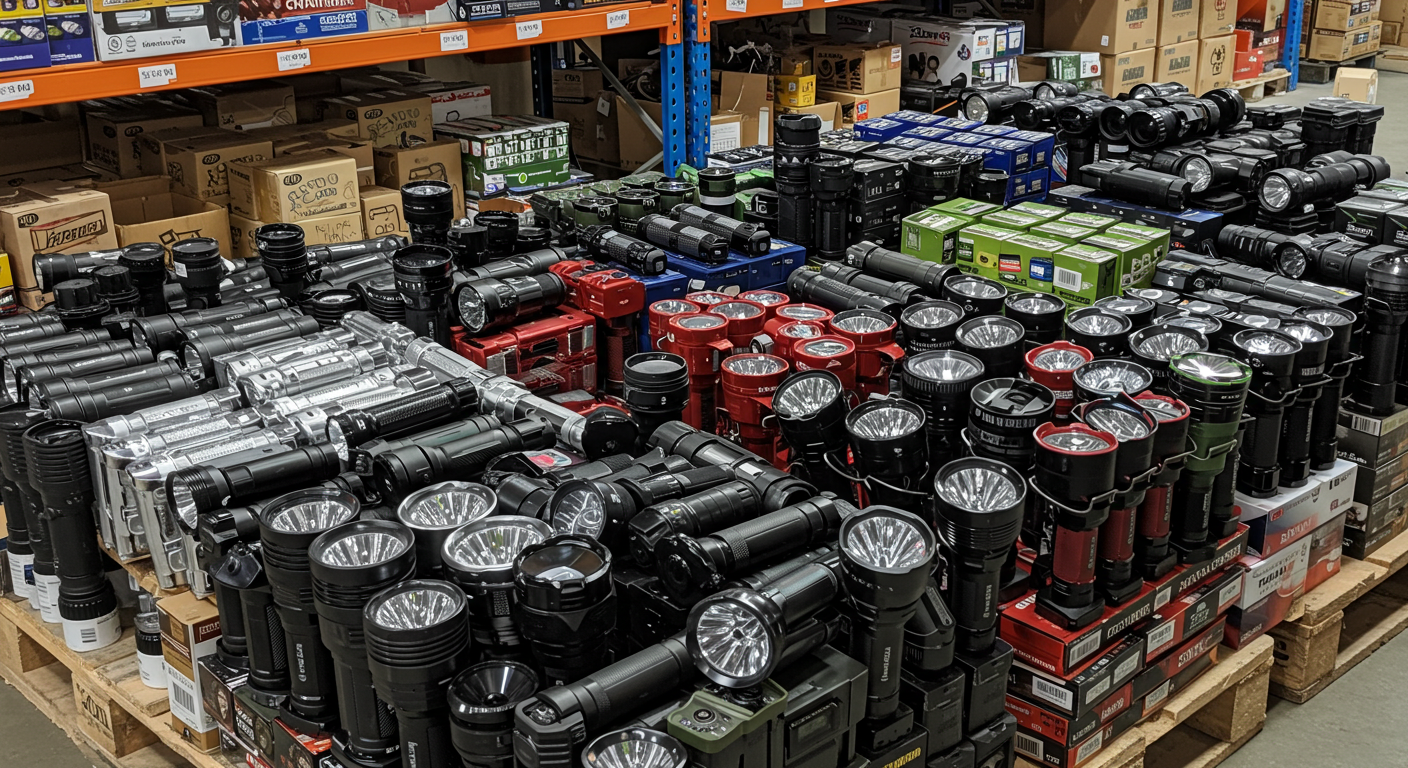
Benefits of Flashlights
Flashlights offer unmatched versatility and power. Their design allows for a stronger beam, making them ideal for long-distance illumination. You can find models with high lumen output, perfect for search-and-rescue operations or outdoor exploration. Flashlights also accommodate larger batteries, providing extended runtime compared to headlamps.
Their handheld nature gives you precise control over the direction of light. This feature proves useful in situations requiring focused illumination, such as inspecting tight spaces or signaling for help. Flashlights come in various sizes, from compact everyday carry options to heavy-duty tactical models. Whether you need a flashlight for home use or professional tasks, their adaptability ensures they meet your needs.
Feature | Flashlight |
|---|---|
Operation | Requires hand to hold |
Brightness | Can be more powerful |
Use Case | Versatile in different settings |
Size | Can be bulkier depending on design |
Battery Life | Can accommodate powerful batteries |
Advantages of Headlamps
Headlamps excel in hands-free operation, making them indispensable for tasks requiring both hands. They allow you to direct light with simple head movements, ensuring the beam always follows your line of sight. This convenience proves invaluable during activities like hiking, climbing, or working on projects.
For outdoor enthusiasts, headlamps provide a lightweight and compact solution. They are the best headlamp choice for camping, as they free up your hands for setting up tents or cooking. Adjustable brightness settings let you tailor the light to your needs, whether navigating trails or reading maps. Many models also include red light modes, which preserve night vision during stargazing or wildlife observation.
Key advantages of headlamps:
Hands-free operation for multitasking.
Light follows head movements for precise illumination.
Compact and lightweight for easy portability.
Working on projects: Keeps your hands free for tools and materials.
Walking or hiking: Improves balance and safety in low-light conditions.
Setting up camp: Essential for nighttime tasks requiring both hands.
Feature | Headlamp |
|---|---|
Operation | Hands-free operation |
Brightness | Adjustable brightness for various tasks |
Use Case | Ideal for survival situations |
Size | Compact and lightweight |
Battery Life | Limited by weight of batteries |
Hybrid Options for Versatility
Hybrid lighting tools combine the strengths of flashlights and headlamps. These devices offer the flexibility to switch between handheld and hands-free modes. For example, some models include detachable straps or clips, allowing you to use them as either a flashlight or a headlamp.
Hybrid options are particularly useful for those who need versatility in their lighting tools. Professionals working in dynamic environments, such as mechanics or outdoor guides, benefit from this adaptability. LED technology enhances these devices, providing energy efficiency and bright illumination. If you want a single tool for multiple scenarios, hybrid designs deliver the best of both worlds.
Tip: When choosing a hybrid option, consider the weight and ease of transitioning between modes. A well-designed hybrid tool should feel comfortable in both configurations.
Practical Tips for First-Time Buyers
Testing and Familiarizing Yourself with the Device
Before using a new flashlight or head lamp, take time to understand its features and components. Start by removing any protective stickers from the battery to ensure proper contact. Check the battery’s charge level, especially if it’s rechargeable, to avoid disappointment during first use. Familiarize yourself with the device’s parts, such as the battery compartment, switch, and optics. Testing the flashlight’s modes, including brightness levels and beam settings, helps you understand its functionality.
When testing, consider key factors like lumens for brightness, candela for beam intensity, and the quality of the optics. Devices adhering to ANSI FL1 standards provide reliable performance metrics. Avoid shining the light directly into someone’s eyes and always handle the device responsibly.
Understanding Waterproof Ratings and Maintenance
Waterproofness is crucial for outdoor and emergency use. Flashlights and headlamps come with IP ratings that indicate their protection level against water. For example:
Level | Protection Against | Description |
|---|---|---|
4 | Splashing Water | Resistant to splashes from any direction. |
7 | Immersion up to 1 Meter | Can handle temporary immersion in water up to 1 meter for 30 minutes. |
8 | Continuous Immersion, 1 Meter or More | Suitable for prolonged underwater use under manufacturer-defined conditions. |
After exposure to water, rinse the device with fresh water to prevent corrosion. Dry it thoroughly before storing. Proper maintenance ensures your flashlight or headlamp remains functional for years.
Adjusting for Comfort and Proper Setup
Comfort is essential when buying headlamps. Adjust the straps to fit snugly without causing pressure. For flashlights, choose a size and weight that feels comfortable in your hand. Test the setup in real-world scenarios, such as walking or working in low-light conditions. A well-fitted headlamp enhances usability during common uses for headlamps, like hiking or camping.
Storing and Caring for Your Flashlight or Headlamp
Proper storage extends the lifespan of your lighting tools. Follow these steps:
Store the device in a cool, dry place to avoid damage from extreme temperatures.
Remove batteries if you won’t use the device for an extended period to prevent leaks.
Use a protective case to shield it from impacts and dust.
Regular care is equally important. Wipe the exterior with a dry cloth and inspect the battery contacts for corrosion. Clean the lens with a microfiber cloth to maintain optimal performance. Following these practices ensures your flashlight or headlamp remains reliable when you need it most.
Identifying your needs and evaluating features ensures you choose the right flashlight or headlamp for your activities. Consider the following key takeaways:
Key Takeaway | Description |
|---|---|
Strength and Brightness | Ensure adequate brightness for tactical or outdoor needs. |
Types of Flashlights | Match the type (handheld, headlamp, or hybrid) to your specific requirements. |
Battery Selection | Opt for rechargeable batteries for urban use or disposables for remote areas. |
Trusted Sellers | Work with reputable sellers for quality assurance and better long-term value. |
Prioritizing quality and functionality delivers unmatched benefits:
Reliable lighting reduces risks by helping you navigate obstacles safely.
Waterproof models ensure consistent performance in adverse weather.
High-lumen output and SOS features enhance emergency preparedness.
Investing in high-quality products saves money over time. Durable flashlights last longer, reducing replacement costs. Advanced LED technology provides consistent illumination, boosting confidence during outdoor adventures. Choose wisely to ensure safety, efficiency, and peace of mind.
Tip: A reliable flashlight or headlamp is more than a tool—it’s an investment in your safety and preparedness.
FAQ
What is the ideal lumen range for outdoor activities?
The ideal range is 500-1000 lumens. This brightness ensures clear visibility for hiking, camping, or hunting in low-light conditions.
How do I maintain my flashlight or headlamp?
Store it in a cool, dry place. Remove batteries during long storage. Clean the lens and battery contacts regularly to ensure optimal performance.
Are rechargeable batteries better than disposable ones?
Rechargeable batteries save money over time and are eco-friendly. Disposable batteries work better for remote areas where recharging isn’t possible.
Tip: Always carry spare batteries or a power bank for emergencies.
See Also
Essential Tips for Selecting Your Ideal Flashlight or Headlamp
Finding The Best Flashlight Or Headlamp For Outdoor Fun
How To Select The Top Flashlights For Wholesale Buying
Guidelines For Picking Quality Flashlights For Wholesale Deals