What Makes Middle Eastern Flashlight Manufacturers Competitive in Global Markets

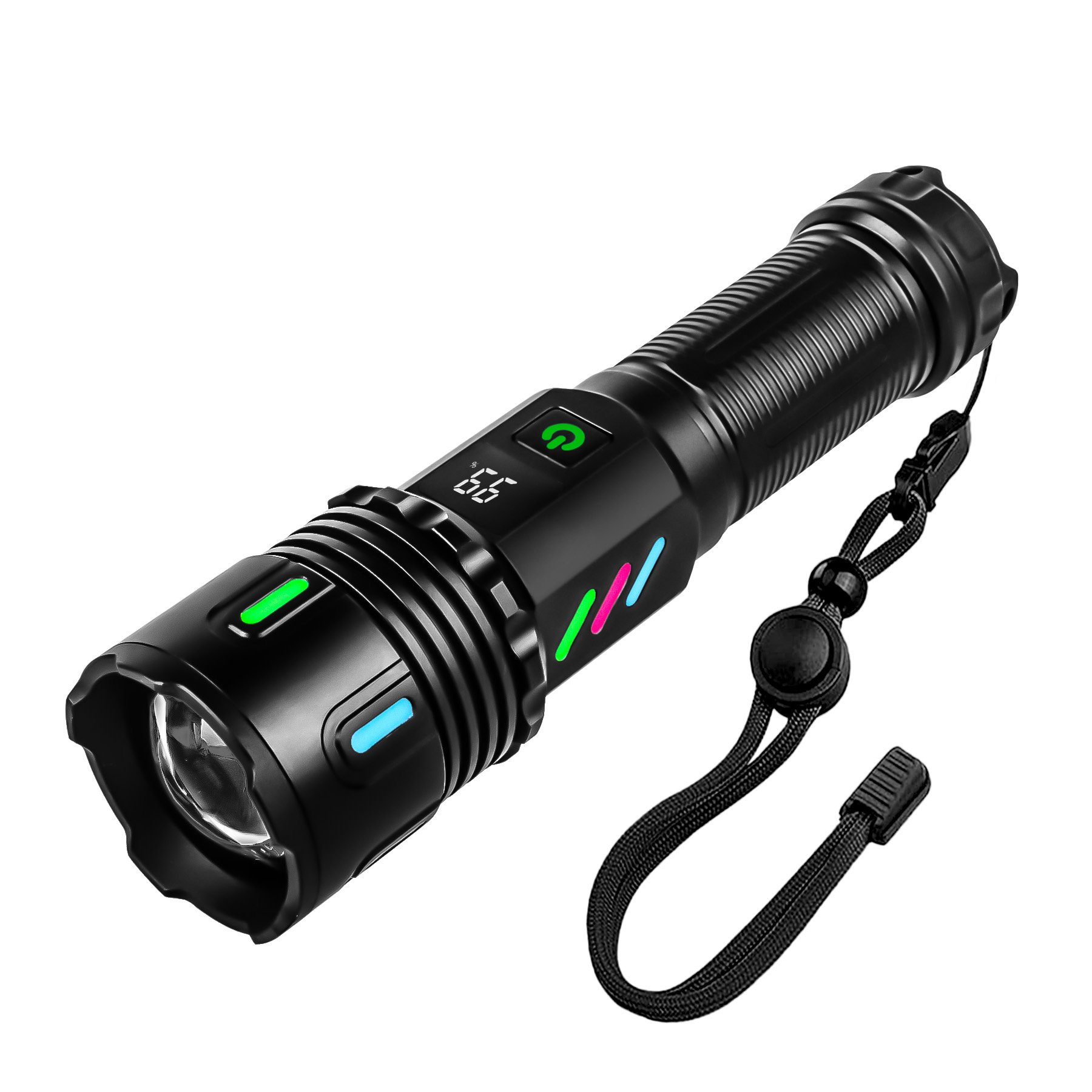
Middle Eastern flashlight manufacturers have emerged as global leaders by embracing cutting-edge lighting technologies and prioritizing quality. What makes Middle Eastern flashlight manufacturers competitive in global markets is their focus on innovation, which has led to the adoption of advanced features, including compact LED designs, USB charging ports, and solar-powered options. Smart features like Bluetooth connectivity and geolocation tracking further enhance their appeal. Sustainability remains a key priority, with durable LED bulbs and eco-friendly materials gaining traction. The table below highlights some of these advancements:
Advancement Type | Description |
|---|---|
LED Technology | Compact and lightweight designs for portability, USB charging ports, and solar-powered options. |
Smart Features | Bluetooth connectivity, geolocation tracking, voice activation, and biometric authentication. |
Sustainability | Solar-powered flashlights and durable LED bulbs that resist shocks and impacts. |
By leveraging these innovations, manufacturers in the region have positioned themselves as pioneers in the flashlight market, meeting global demand for high-quality and sustainable lighting solutions.
Key Takeaways
Flashlight makers in the Middle East use new tech like LED and smart tools to make their products better.
They care about the planet by using green materials and solar power to create eco-friendly flashlights.
Knowing what local buyers want helps them design products that fit different markets well.
Teaming up with others and having good delivery plans keeps prices low and spreads products worldwide.
Training workers and working with schools helps fix skill gaps and grow the industry.
Technological Innovations in the Flashlight Market
Advancements in LED Technology
Energy efficiency and durability
LED technology advancements have revolutionized the flashlight market by offering unmatched energy efficiency and durability. Compact and lightweight designs enhance portability, making these flashlights ideal for outdoor and industrial use. Superior durability ensures resistance to shocks and impacts, outperforming traditional incandescent bulbs. Intelligent circuitry further improves functionality by providing adjustable lighting modes and battery level indicators. These features cater to diverse user needs, solidifying the role of LED technology in modern lighting solutions.
Customizable lighting solutions
Customizable lighting solutions have become a hallmark of product innovation in the flashlight industry. Advanced technologies enable users to adjust brightness levels and beam patterns, ensuring optimal performance in various scenarios. Whether for camping, emergency use, or professional applications, these features enhance user satisfaction. Manufacturers leverage these innovations to meet consumer demand for versatile and efficient lighting products.
Rechargeable and Solar Battery Integration
Cost-effectiveness and sustainability
Rechargeable flashlights have gained popularity due to their cost-effectiveness and sustainability. By reducing reliance on disposable batteries, these products align with consumer preferences for eco-friendly solutions. Solar-powered flashlights offer an additional layer of sustainability, providing renewable energy options for outdoor enthusiasts. These innovations not only lower operational costs but also contribute to environmental conservation.
Meeting consumer demand for eco-friendly products
The flashlight market has seen a surge in demand for eco-friendly products. Rechargeable and solar-powered options address this need by combining energy efficiency with environmental responsibility. These solutions reflect a broader trend toward sustainable lighting, positioning manufacturers as leaders in green technology.
Smart Flashlight Features
Integration of IoT and smart controls
Smart flashlights are transforming the lighting industry through IoT integration and advanced controls. Bluetooth connectivity allows users to manage their devices remotely via smartphone apps. Features like geolocation tracking and voice activation enhance convenience, making these flashlights indispensable for tech-savvy consumers.
Enhanced user experience through innovation
Innovative smart features elevate the user experience by offering customizable brightness levels and beam patterns. Integration with smartphone apps provides seamless control, ensuring that users can adapt their lighting to specific needs. These advancements highlight the potential of smart technology to redefine the flashlight market.
Market Strategies in the Middle East and Africa LED Flashlight Market
Focus on Eco-Friendly Solutions
Use of sustainable materials
Middle Eastern flashlight manufacturers prioritize sustainability by incorporating eco-friendly materials into their products. These materials, such as recycled plastics and biodegradable components, reduce environmental impact while maintaining durability and performance. By adopting sustainable practices, manufacturers align with global market trends and appeal to environmentally conscious consumers. This approach not only enhances product quality but also strengthens the brand's reputation in the competitive flashlight market.
Marketing to environmentally conscious consumers
Targeting environmentally conscious consumers requires strategic marketing efforts. Manufacturers in the Middle East and Africa LED flashlight market employ several effective strategies:
Think Like Your Target Consumer: Align product messaging with consumer values, emphasizing sustainability.
Make It Your Mission: Showcase a commitment to transparency and positive environmental impact.
Make It Accessible and Valuable: Highlight the affordability and long-term benefits of eco-friendly flashlights.
Educate the Consumer for Stronger Social Impact: Provide information on how sustainable choices contribute to environmental conservation.
Always Innovate: Continuously develop creative solutions to address environmental challenges.
These strategies resonate with consumers who prioritize sustainability, driving market growth and fostering loyalty.
Regional Market Insights
Understanding local consumer needs
Manufacturers in the Middle East and Africa LED flashlight market focus on understanding regional preferences to meet diverse consumer demands. Key preferences include durability, energy efficiency, long lifespan, and advanced features tailored to specific applications such as residential, industrial, and outdoor use. The growing demand for eco-friendly and rechargeable models, along with interest in smart features, reflects evolving market trends. By addressing these needs, manufacturers unlock significant market opportunities.
Tailoring products for diverse markets
Tailoring products to regional markets enhances their appeal and competitiveness. Manufacturers adapt packaging designs to reflect local cultures, incorporating Arabic text and culturally relevant visuals. Rugged designs suited to harsh environmental conditions and improved battery efficiency further cater to regional demands. Competitive pricing and targeted marketing efforts also play a crucial role in capturing market share. These strategies ensure that products resonate with local consumers while maintaining high-quality standards.
Export and Distribution Strategies
Building strong international partnerships
Middle Eastern flashlight manufacturers excel in export and distribution by forming robust international partnerships. Negotiating favorable terms with suppliers, such as bulk discounts and predictable payment schedules, strengthens these relationships. Tailoring packaging to local cultures, including Arabic text, enhances brand perception in foreign markets. Advanced tracking systems improve shipment visibility, ensuring timely deliveries and boosting customer satisfaction.
Competitive pricing and logistics efficiency
Manufacturers maintain competitive pricing by leveraging e-commerce platforms to access a broader range of suppliers. These platforms streamline purchasing processes, reduce negotiation time, and enhance pricing transparency. Partnering with reliable logistics providers ensures efficient distribution, minimizing delays and damage. These strategies optimize costs while maintaining high-quality standards, driving market growth in the flashlight market.
Regional Advantages in the Middle East and Africa LED Lighting Market

Geographic Location
Proximity to key global markets
The Middle East's strategic location provides a significant advantage in the middle east and africa led lighting market. Countries like the UAE serve as central hubs for trade, connecting major global economies such as China, India, and Europe. This proximity reduces shipping times and costs, enhancing the region's competitiveness in the flashlight market. Additionally, the Gulf Standard Time (GST) zone facilitates seamless communication with international partners, ensuring efficient business operations.
Access to trade routes and resources
The region's access to vital trade routes and abundant resources strengthens its position in the middle east and africa led flashlight market.
Aluminum alloy, a lightweight and corrosion-resistant material, is readily available and ideal for manufacturing durable flashlight bodies.
Advanced LED technology, such as high-lumen 4x 519A LEDs, meets the growing demand for innovative lighting solutions.
Reliable suppliers with robust production capacities ensure consistent delivery of high-quality materials, supporting manufacturers in maintaining world-class quality standards.
Economic Factors
Government support and incentives
Governments in the Middle East actively support the lighting industry through incentives such as tax breaks, subsidies, and infrastructure development. These measures encourage investment in advanced technology and sustainable practices, fostering growth in the flashlight market. By creating a business-friendly environment, regional governments help manufacturers compete on a global scale.
Cost-effective manufacturing processes
The middle east and africa led lighting market benefits from cost-effective manufacturing processes. Affordable labor and access to raw materials reduce production costs without compromising quality. This efficiency allows manufacturers to offer competitively priced flashlights while adhering to world-class quality standards, meeting both local and international market demands.
Cultural and Historical Influence
Strong tradition of craftsmanship
The Middle East has a long-standing tradition of craftsmanship, which contributes to the high quality of its lighting products. Manufacturers leverage this heritage to produce flashlights that combine durability with aesthetic appeal. This focus on craftsmanship enhances their reputation in the flashlight market.
Reputation for quality and reliability
Middle Eastern manufacturers prioritize quality assurance to maintain their reputation for reliability. Rigorous testing processes identify defects early, ensuring only high-quality products reach consumers. Compliance with international certifications like ISO and CE further demonstrates their commitment to safety and quality, solidifying their position in the middle east and africa led flashlight market.
Challenges and Solutions for Middle Eastern Flashlight Manufacturers
Skills Shortages
Investing in workforce training
The middle east and africa led lighting market faces challenges related to workforce skills shortages. Manufacturers address this issue by investing in comprehensive training programs. These initiatives focus on equipping employees with the technical expertise required to operate advanced manufacturing equipment and implement automation. Training programs also emphasize continuous improvement, ensuring that workers stay updated with evolving market trends and lighting technology. This proactive approach enhances workforce productivity and supports the industry's growth.
Collaborating with educational institutions
Collaboration with educational institutions plays a pivotal role in addressing workforce gaps. Manufacturers partner with universities and technical schools to develop specialized courses tailored to the lighting industry. These programs focus on practical skills, such as designing energy-efficient flashlights and implementing proactive quality management systems. By fostering a skilled workforce, manufacturers strengthen their position in the flashlight market and ensure long-term sustainability.
Competition from Global Players
Differentiating through innovation
Middle Eastern flashlight manufacturers face intense competition from global players. To stand out, they prioritize innovation by integrating smart features and eco-friendly solutions into their products. Advanced lighting technology, such as IoT-enabled flashlights, enhances functionality and appeals to tech-savvy consumers. This focus on innovation allows manufacturers to meet diverse consumer needs and maintain a competitive edge in the flashlight market.
Building brand recognition
Building brand recognition is essential for competing in the global flashlight market. Manufacturers employ several strategies to achieve this goal:
Adapting Packaging Design: Tailoring packaging to local cultures, including Arabic text, fosters familiarity and respect for regional languages.
Emphasizing Visual Appeal: Vibrant colors and sleek designs help products stand out in a crowded market.
Ensuring Product Quality: A robust quality assurance process identifies defects early, ensuring high-quality products reach consumers.
These efforts enhance brand reputation and foster customer loyalty, enabling manufacturers to thrive in the competitive middle east and africa led lighting market.
Supply Chain Disruptions
Diversifying suppliers
Supply chain disruptions pose significant challenges for manufacturers in the middle east and africa led lighting market. To mitigate risks, nearly 52% of companies diversify their supplier base. This strategy reduces dependency on single suppliers and ensures a steady flow of raw materials. By sourcing from multiple regions, manufacturers minimize the impact of geopolitical instability and logistical issues on production timelines.
Strengthening local production capabilities
Strengthening local production capabilities offers another solution to supply chain challenges. Manufacturers invest in local infrastructure to reduce reliance on imports and improve production efficiency. This approach addresses issues such as customs delays and import regulations while supporting continuous improvement in manufacturing processes. By focusing on local production, manufacturers enhance their resilience and maintain consistent product quality in the flashlight market.
Case Studies of Success in the Flashlight Market
Successful Middle Eastern Flashlight Manufacturers
Company A: Pioneering LED technology
Company A has established itself as a leader in the middle east and africa led lighting market by focusing on cutting-edge LED technology. Its products feature high-lumen output and energy-efficient designs, catering to both industrial and outdoor applications. The company’s commitment to durability and performance has made it a preferred choice for consumers seeking reliable lighting solutions. By integrating advanced battery efficiency and rugged designs, Company A has set a benchmark for quality in the flashlight market. Its success reflects the growing demand for innovative and high-performance lighting products in the region.
Company B: Leading in eco-friendly solutions
Company B has gained recognition for its eco-friendly approach to flashlight manufacturing. By utilizing sustainable materials such as recycled plastics and incorporating solar-powered options, the company addresses the increasing consumer demand for environmentally responsible products. Its focus on reducing environmental impact without compromising quality has resonated with global markets. The company’s ability to align its offerings with market trends has positioned it as a pioneer in sustainable lighting solutions, contributing significantly to the middle east and africa led lighting market.
Lessons from Regional Success Stories
Strategies that worked in global markets
Middle Eastern flashlight manufacturers have achieved global success by adopting several effective strategies. These include:
Developing durable and high-performance products tailored to consumer needs.
Investing in advancements in LED technology and battery efficiency.
Highlighting unique features such as brightness, beam distance, and tactical applications.
Adapting packaging designs to reflect local cultures, including the use of Arabic text.
These approaches have enabled manufacturers to differentiate their offerings and build strong connections with diverse markets.
Insights for emerging manufacturers
Emerging manufacturers can learn valuable lessons from the segmentation of the flashlight market. By analyzing product types, applications, and regional preferences, they can identify growth opportunities and target specific customer needs. Emulating the digital transformation strategies of successful companies can also enhance operational efficiency and customer engagement. Additionally, focusing on R&D investments, as seen in North America, can drive innovation and ensure long-term success in the competitive lighting industry.
Middle Eastern flashlight manufacturers have demonstrated remarkable growth in the global flashlight market by embracing innovation, eco-friendly practices, and leveraging regional strengths. The market is projected to grow significantly, with tactical flashlights and smart features driving demand. Investments in LED technology and battery efficiency ensure these manufacturers meet evolving consumer expectations. Their adaptability and focus on quality position them as strong competitors. With continued strategic planning and advancements in lighting solutions, the region is poised to lead the global flashlight industry, capitalizing on opportunities in outdoor recreation, defense, and sustainability.
FAQ
What makes Middle Eastern flashlight manufacturers stand out in global markets?
Middle Eastern manufacturers excel by integrating advanced LED technology, eco-friendly materials, and smart features. Their focus on quality, innovation, and regional advantages, such as access to resources and trade routes, positions them as competitive players in the global flashlight market.
How do Middle Eastern manufacturers address sustainability in flashlight production?
They prioritize sustainability by using recycled materials, incorporating solar-powered options, and designing rechargeable flashlights. These practices align with global trends and appeal to environmentally conscious consumers, enhancing their market reputation.
What challenges do Middle Eastern flashlight manufacturers face?
Key challenges include workforce skill shortages, competition from global brands, and supply chain disruptions. Manufacturers address these issues by investing in training, fostering innovation, and diversifying suppliers to ensure consistent production and quality.
How do manufacturers tailor products for diverse markets?
They adapt designs to meet regional preferences, such as rugged flashlights for harsh environments or culturally relevant packaging. Competitive pricing and targeted marketing strategies further enhance their appeal in diverse markets.
What role does government support play in the flashlight industry?
Governments in the Middle East provide incentives like tax breaks and subsidies. These measures encourage investment in advanced technologies and sustainable practices, fostering growth and enabling manufacturers to compete globally.
See Also
Essential Factors to Consider When Choosing Flashlight Suppliers
Understanding Flashlight Production in China: Quality and Supply Insights
Boosting Revenue by Sourcing Flashlights from Wholesale Vendors
Complete Overview of EDC Flashlights in the Wholesale Sector
Exploring Manufacturing Processes and LED Innovations in Flashlights