Building Long-Term Partnerships with Flashlight Suppliers


Building long-term partnerships with flashlight suppliers is essential for your business's success. These relationships create a foundation for reliability and mutual growth. When you work closely with your partners, you unlock opportunities for consistent supply, innovation, and market leadership. Trust plays a vital role in fostering collaboration, encouraging suppliers to prioritize your needs. Open communication ensures transparency and helps resolve issues quickly. Shared goals align your objectives with your suppliers, driving strategic success. By focusing on these elements, you can strengthen supplier relationships and achieve sustainable results.
Key Takeaways
Earn suppliers' trust by keeping promises and meeting deadlines. Being reliable builds strong partnerships.
Communicate clearly and set common goals with suppliers. Working together improves teamwork and efficiency.
Use technology, like supplier websites, to make tasks easier. Sharing live data helps quick decisions.
Care about the environment and act ethically in partnerships. Shared values make relationships stronger and last longer.
Plan ahead for possible supply problems with backup plans. Being prepared keeps things running smoothly with suppliers.
Understanding the Importance of Long-Term Partnerships
Defining Long-Term Partnerships in the Flashlight Industry
Long-term partnerships in the flashlight industry go beyond transactional relationships. They involve consistent collaboration between you and your suppliers to achieve shared goals. These partnerships are built on trust, mutual respect, and a commitment to long-term success. By fostering these relationships, you create a reliable supplier network that supports your business growth and ensures supply chain efficiency. This approach helps you stay competitive in a fast-changing market.
Why Long-Term Partnerships Are Vital for Supply Chain Collaboration
Long-term partnerships are essential for effective supply chain collaboration. They provide the flexibility needed to adapt to disruptions and maintain operational flow. When you work closely with your partners, you build trust and resilience, which are critical for navigating challenges. These partnerships also encourage innovation and mutual growth, allowing you to stay ahead of market trends.
A flexible supply chain can adjust to disruptions by modifying its flow.
Long-term partnerships with multiple businesses enhance this flexibility.
Collaborative partnerships enable the sharing of critical information, helping you anticipate disruptions and create contingency plans.
Better communication and shared goals improve efficiency across the supply chain.
By prioritizing these partnerships, you strengthen your supply chain collaboration and position your business for long-term success.
Key Benefits of Supplier Collaboration
Enhanced Supply Chain Stability
Strong supplier relationships ensure a stable supply chain. When you collaborate with reliable partners, you reduce the risk of delays and disruptions. This stability allows you to meet customer demands consistently, building trust and loyalty with your end-users.
Cost Efficiency and Predictable Pricing
Long-term partnerships help you achieve cost efficiency. Suppliers often offer predictable pricing and discounts to loyal partners, reducing your operational costs. This predictability allows you to plan budgets more effectively and allocate resources strategically.
Opportunities for Innovation and Co-Development
Supplier collaboration fosters innovation. By working closely with your suppliers, you can leverage their expertise to develop new products and improve existing ones. This co-creation accelerates time-to-market, giving you a competitive edge. It also encourages a culture of innovation, helping you stay ahead of industry trends.
Building long-term partnerships with flashlight suppliers unlocks these benefits, ensuring your business thrives in a competitive market.
Strategies for Building Long-Term Partnerships with Flashlight Suppliers

Establishing Effective Communication
Setting Clear Expectations and Goals
Effective communication is the backbone of any successful partnership. Start by setting clear expectations and goals with your flashlight suppliers. Define project requirements, timelines, and deliverables upfront. This clarity ensures that both you and your partners are aligned from the beginning. Open and transparent communication channels foster trust and prevent misunderstandings. Collaborative planning also plays a key role. Involve your suppliers early in discussions to leverage their expertise and create a sense of shared ownership. When you prioritize these practices, you lay the foundation for strong supply chain collaboration.
Maintaining Regular Feedback and Updates
Regular feedback and updates strengthen supplier relationships. Evaluate supplier performance periodically and provide constructive feedback to help them improve. This approach not only enhances their performance but also demonstrates your commitment to the partnership. Keep your suppliers informed about changes in market demand or project requirements. Adaptability and flexibility in communication ensure that both parties can adjust to evolving circumstances. Recognizing and rewarding excellence further motivates your suppliers to maintain high standards.
Building Trust and Transparency
Honoring Agreements and Deadlines
Trust is essential for building long-term partnerships with flashlight suppliers. Honor your agreements and meet deadlines consistently. Reliability on your part encourages your suppliers to reciprocate, creating a high-performing partnership. Studies show that trust can transform low-performing relationships into collaborative and efficient ones. By prioritizing trust, you ensure smoother supply chain collaboration and long-term planning.
Sharing Business Insights and Data
Sharing business insights and data strengthens supplier relationships. Provide real-time performance tracking to help your suppliers optimize their operations. Use AI-powered predictive analytics to manage risks and improve decision-making. Automated workflows can streamline processes, helping you and your suppliers achieve procurement goals. Transparency in data sharing fosters mutual growth and enhances supply chain collaboration.
Aligning on Shared Values and Objectives
Collaborating on Sustainability and Ethical Practices
Aligning on shared values is crucial for strategic partnerships. Collaborate with your suppliers to promote sustainability initiatives and ensure compliance with ethical standards. Engage in joint sustainability projects to enhance your relationship while contributing to environmental goals. Encourage your suppliers to adopt eco-friendly innovations and practices. Transparency in supply chain operations ensures ethical compliance and builds trust with your partners.
Focusing on End-User Needs and Market Trends
A successful partnership focuses on meeting end-user needs and staying ahead of market trends. Work with your suppliers to understand customer preferences and develop products that address those demands. Monitor industry trends together to identify opportunities for innovation. This alignment not only strengthens your supplier relationships but also positions your business as a market leader.
Building long-term partnerships with flashlight suppliers requires strategic communication, trust, and shared values. By implementing these strategies, you can create a resilient supply chain and achieve sustainable growth.
Addressing Challenges in Supplier Collaboration
Common Obstacles in Maintaining Partnerships
Misaligned Expectations and Priorities
Misaligned expectations often create friction in supplier relationships. When you and your flashlight suppliers have different priorities, it leads to misunderstandings and inefficiencies. For example, your supplier might focus on cost-cutting, while you prioritize quality. This disconnect can result in delays, subpar products, or missed opportunities. Clear communication and mutual understanding are essential to bridge these gaps.
Supply Chain Disruptions and Delays
Supply chain disruptions are inevitable. Natural disasters, geopolitical issues, or sudden demand spikes can throw your operations off track. These delays not only affect your ability to meet customer needs but also strain your relationship with suppliers. Without a robust system in place, recovering from such disruptions becomes challenging. Proactive planning and collaboration are key to mitigating these risks.
Solutions for Overcoming Challenges
Implementing Flexible Contracts and Agreements
Flexible contracts provide the adaptability needed to address unforeseen challenges. By including clauses for variable pricing or delivery schedules, you can accommodate market fluctuations and supply chain disruptions. This approach fosters trust and ensures that both parties can adapt without jeopardizing the partnership. Flexibility in agreements also encourages innovation, as suppliers feel more confident in proposing new ideas or solutions.
Building a diverse supplier base and maintaining a strong communication system ensures that suppliers can quickly adapt to any disruptions, which is crucial for effective collaboration.
Developing Risk Management and Contingency Plans
Risk management is essential for maintaining supply chain efficiency. Develop contingency plans with your suppliers to prepare for potential disruptions. For instance, identify alternative suppliers or transportation routes to ensure continuity. Use technology to enhance your planning process. Supply chain collaboration software facilitates real-time communication and information sharing, making your operations more agile and resilient.
Implementing supply chain collaboration software can drive efficient collaboration.
It facilitates real-time communication and information sharing.
Enhances agility and flexibility within procurement teams.
To overcome challenges effectively, combine proactive management with advanced technology. This strategy transforms your supply chain into a robust and adaptable ecosystem, ensuring long-term success.
Leveraging Technology for Supply Chain Collaboration
The Role of Supplier Portals in Partnership Management
Streamlining Communication and Order Processes
Supplier portals revolutionize how you manage communication and order processes with your flashlight suppliers. These platforms centralize essential information, making it easier for you to access real-time updates on supplier performance, payment statuses, and inventory levels. This streamlined approach reduces administrative burdens and improves decision-making. In fact:
92% of businesses using real-time data from supplier portals report better decision-making.
58% of companies implementing supplier portals experience lower administrative costs.
By adopting supplier portals, you enhance supply chain collaboration and create a more efficient procurement process.
Providing Real-Time Data and Insights
Supplier portals also provide real-time data and insights, giving you a competitive edge. With instant access to critical metrics, you can monitor order statuses, track inventory, and identify potential bottlenecks. This visibility allows you to make proactive adjustments, ensuring supply chain efficiency. Real-time insights empower you to anticipate challenges and maintain seamless operations.
Benefits of Real-Time Data Sharing
Enhancing Forecasting and Inventory Management
Real-time data sharing transforms how you manage inventory and forecast demand. By sharing sales and customer behavior data with your suppliers, you enable them to make accurate demand forecasts. This prevents overstocking or stockouts, ensuring optimal inventory levels. Retailers also use this data to plan promotions based on shopping trends, avoiding stock shortages during peak periods. Immediate updates on order backlogs further streamline inventory management, keeping your supply chain agile.
Improving Responsiveness and Decision-Making
Real-time data sharing improves your responsiveness to market changes. Suppliers can quickly adapt to customer needs, enhancing service quality. This collaboration fosters better strategies for sales and customer experience. Additionally, access to real-time data helps suppliers align product development with market demands, ensuring your offerings remain competitive.
Examples of Technology-Driven Collaboration Tools
Technology-driven tools play a pivotal role in improving supplier collaboration. For instance:
Supplier portals and shared dashboards enhance communication and efficiency.
Data analytics tools identify areas for improvement in supplier interactions.
Collaborative platforms like Toyota's Supplier Center demonstrate how involving suppliers in the design phase maximizes value and reduces costs.
These tools not only strengthen supplier relationships but also boost supply chain efficiency, ensuring long-term success.
Case Study: A Successful Flashlight Supplier Partnership
Overview of the Partnership and Its Goals
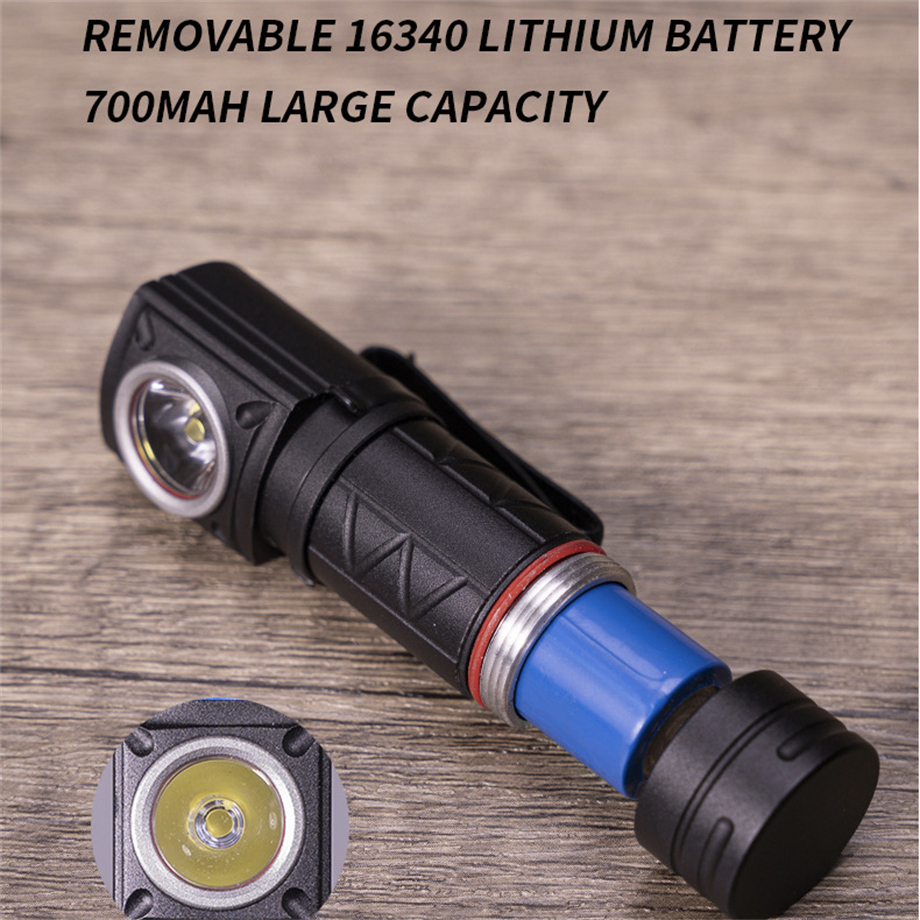
Imagine a flashlight manufacturer struggling to meet growing customer demand due to inconsistent supply. They partnered with a reliable supplier to solve this issue. The goal was clear: create a seamless supply chain that ensured timely delivery, cost efficiency, and product innovation. Both parties aimed to align their operations and focus on delivering high-quality flashlights to the market. This partnership also prioritized sustainability and ethical practices, reflecting shared values. By working together, they sought to achieve long-term growth and market leadership.
Strategies That Contributed to Success
The success of this partnership stemmed from strategic collaboration. First, they established open communication channels. Regular meetings and updates allowed both sides to stay aligned on goals and address challenges quickly. Second, they built trust by honoring commitments and sharing critical business insights. This transparency fostered a sense of mutual respect and reliability. Third, they focused on joint planning to anticipate market trends and customer needs. By co-developing innovative flashlight designs, they stayed ahead of competitors. Finally, they embraced technology. Tools like supplier portals and real-time data sharing streamlined operations and improved decision-making.
Key Takeaways and Lessons for Other Businesses
This case study highlights valuable lessons for building strong supplier partnerships. First, prioritize communication and trust. These elements create a foundation for collaboration and problem-solving. Second, align on shared goals and values, such as sustainability or customer satisfaction. Third, invest in technology to enhance efficiency and responsiveness. Lastly, focus on planning to anticipate market changes and innovate together. By applying these strategies, you can create a resilient supply chain and achieve long-term success.
Building long-term partnerships with flashlight suppliers is essential for your business's success. These relationships foster trust, collaboration, and innovation, ensuring mutual growth. By prioritizing clear communication, aligning on shared values, and leveraging technology, you create a foundation for success. Strong partners help you achieve cost efficiency, improve product quality, and mitigate risks during disruptions. Strategic planning and sustainability efforts further strengthen these bonds. When you invest in these partnerships, you unlock long-term value, positioning your business as a leader in the market.
FAQ
What are the key benefits of partnering with flashlight suppliers long-term?
Long-term partnerships ensure consistent supply, cost efficiency, and innovation opportunities. You gain access to predictable pricing, reliable delivery, and collaborative product development. These benefits help you stay competitive and meet customer demands effectively.
How can I build trust with my flashlight suppliers?
Honor your commitments and meet deadlines consistently. Share business insights and data to foster transparency. Open communication and reliability on your part encourage suppliers to reciprocate, creating a strong foundation for trust.
Why is technology important for supplier collaboration?
Technology streamlines communication, improves decision-making, and enhances supply chain efficiency. Tools like supplier portals and real-time data sharing provide instant updates, helping you manage inventory, forecast demand, and address challenges proactively.
How do I align my goals with flashlight suppliers?
Focus on shared values like sustainability and customer satisfaction. Collaborate on ethical practices and innovative projects. Regularly discuss market trends and end-user needs to ensure your goals align with your suppliers’ objectives.
What should I do if supply chain disruptions occur?
Develop contingency plans with your suppliers. Use flexible contracts to adapt to market changes. Leverage technology for real-time communication and risk management. These strategies help you recover quickly and maintain strong supplier relationships.
💡 Tip: Proactive planning and collaboration with your suppliers minimize the impact of disruptions on your business.
See Also
Building Strategic Alliances with Flashlight Wholesale Suppliers
Assessing Flashlight Suppliers: Important Factors and Current Trends
Boosting Profits by Sourcing Flashlights from Wholesalers
Selecting the Ideal Flashlight Supplier for Your Business Needs
Transforming Challenges into Triumphs: Finding Trustworthy Flashlight Suppliers