The Importance of Local Manufacturing for Flashlights in the Middle East Market

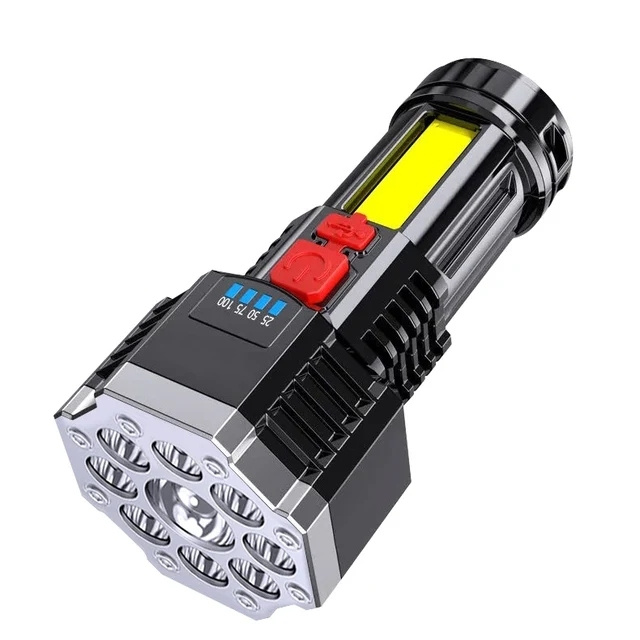
Have you ever thought about how local manufacturing can transform the flashlight market in the Middle East? It’s not just about making products closer to home. It’s about creating jobs, boosting economies, and meeting the unique needs of the region. For example, local manufacturing already contributes 24% of Saudi Arabia’s GDP and 16% in the UAE. That’s a big deal! Plus, with the growing demand for flashlights, the region can’t rely on imports forever. Did you know the Middle East and Africa flashlight market is expected to hit USD 6.83 million by 2024? Check out the breakdown below:
Region | Market Size (2024) | CAGR (%) |
|---|---|---|
Middle East & Africa | USD 6.83 million | 5.2 |
GCC Countries | USD 2.92 million | 12.5 |
Egypt | USD 0.72 million | 12.0 |
South Africa | USD 1.08 million | 12.7 |
Turkey | USD 0.59 million | 11.2 |
Nigeria | USD 0.72 million | 10.8 |
Rest of MEA | USD 0.81 million | 10.7 |
This growing market shows the importance of local manufacturing for flashlights in the Middle East market. It’s not just about numbers; it’s about building a sustainable future for the region.
Key Takeaways
Making flashlights locally creates jobs and helps the economy. It supports workers and encourages spending in the community.
Producing locally means less need for imports and faster delivery. It keeps the supply steady and money stays in the region.
Designing products for local needs makes customers happier. Local makers can create flashlights that handle the Middle East's tough weather.
Local production helps the planet. Using green energy and recyclable parts lowers pollution and attracts eco-friendly buyers.
New ideas help businesses grow. Local factories can add cool flashlight features, stay competitive, and meet what customers want.
Economic Benefits of Local Manufacturing for Flashlights

Job Creation and Economic Growth
When you think about local manufacturing, one of the first benefits that comes to mind is job creation. By producing flashlights locally, you’re not just making products—you’re creating opportunities. Factories need workers, and workers need training. This process boosts employment and helps families thrive. Plus, when people have jobs, they spend more in their communities. This spending fuels economic growth. For example, in the GCC countries, where the flashlight market is growing at a rate of 12.5%, local production could lead to thousands of new jobs. Imagine the ripple effect this could have on the region’s economy.
Reducing Import Dependency
Relying on imports can be risky. Shipping delays, rising costs, and global disruptions can leave you waiting for products. Local manufacturing solves this problem. By producing flashlights within the region, you reduce dependency on foreign suppliers. This means you can get products faster and at a more stable price. It also keeps money circulating within the local economy instead of sending it overseas. With the Middle East flashlight market projected to grow significantly, reducing import dependency becomes even more critical. You’ll have a more secure supply chain and a stronger economy.
Supporting the Growing Flashlight Market
The growing demand for flashlights in the Middle East is undeniable. With a projected market size of USD 6.83 million by 2024, the flashlight market is booming. Local manufacturing can help meet this demand. It allows you to produce flashlights tailored to the region’s needs, ensuring quality and availability. For instance, Egypt’s flashlight market is expected to grow at a rate of 12%, while South Africa’s is slightly higher at 12.7%. By investing in local production, you can support this growth and stay ahead of the competition. It’s a win-win for businesses and consumers alike.
Supply Chain Reliability in the Flashlight Market
Faster Market Responsiveness
When you rely on local manufacturing, you can respond to market demands much faster. Imagine a sudden spike in flashlight demand due to a regional event or emergency. If you depend on global suppliers, delays in shipping or customs could leave you scrambling. Local production eliminates these hurdles. You can quickly ramp up production and get flashlights to your customers without waiting weeks for imports. This speed gives you a competitive edge in the flashlight market, where timing often makes all the difference.
Local manufacturing also allows you to adapt to changes in consumer preferences. For example, if customers in the Middle East prefer flashlights with specific features, you can tweak your designs and roll out updated products faster than competitors relying on overseas production. This agility helps you stay ahead in a rapidly growing market.
Mitigating Global Supply Chain Risks
Global supply chains come with their own set of risks. Customs inspections, documentation errors, and import regulations can cause delays and increase costs. These challenges are especially common in the Middle East, where compliance requirements often slow down supply chain operations. Local manufacturing helps you sidestep these issues. By producing flashlights within the region, you reduce your reliance on international suppliers and avoid many of the risks tied to global supply chains.
Local production also improves transparency. You can oversee every step of the process, ensuring compliance with environmental and safety standards. This level of control not only reduces risks but also builds trust with your customers. Plus, diversifying your suppliers within the region makes your operations more resilient to disruptions, whether they’re caused by global events or regulatory changes.
Simplifying Logistics and Distribution
Logistics can be a headache when you’re dealing with international shipments. Long shipping times, customs delays, and high transportation costs can complicate your operations. Local manufacturing simplifies everything. You can produce flashlights closer to your customers, cutting down on shipping times and costs. This streamlined approach makes it easier to distribute products across the Middle East.
You’ll also find it easier to manage inventory. With local production, you can maintain a steady supply of flashlights without worrying about delays from overseas suppliers. This reliability ensures that your customers always have access to the products they need. Simplified logistics not only save you money but also improve customer satisfaction, giving you a stronger foothold in the flashlight market.
Regional Customization for the Middle East Flashlight Market

Adapting to Environmental Conditions
The Middle East has unique environmental challenges. High temperatures, sandstorms, and humidity can affect the performance of flashlights. Local manufacturing allows you to design products that can handle these conditions. For example, you can create flashlights with heat-resistant materials or sealed designs to keep out dust and moisture. These features ensure durability and reliability, even in extreme weather.
You also have the chance to innovate. Think about rechargeable flashlights with solar panels. These would be perfect for areas with abundant sunlight. By adapting to the environment, you’re not just meeting customer needs—you’re building trust and loyalty in the flashlight market.
Meeting Cultural and Consumer Preferences
Every region has its own preferences, and the Middle East is no different. Customers here often look for flashlights that are both functional and stylish. You can cater to this by offering sleek designs with vibrant colors or metallic finishes. Some consumers may also prefer compact models that are easy to carry during outdoor activities or emergencies.
Another important factor is affordability. Many customers in emerging markets are price-sensitive. By manufacturing locally, you can control costs and offer competitively priced flashlights. This approach helps you reach a wider audience and strengthens your position in the growing flashlight market.
Tip: Consider adding features like adjustable brightness or longer battery life. These small touches can make a big difference in customer satisfaction.
Addressing Market-Specific Challenges
The Middle East flashlight market faces several challenges. Intense competition from low-cost manufacturers is one of them. You can overcome this by focusing on quality and innovation. Counterfeit and substandard products also flood the market, making it harder for customers to trust brands. Local manufacturing gives you control over quality, helping you stand out.
Other challenges include fluctuating raw material prices and limited awareness of modern flashlight technology. Educating customers about the benefits of advanced flashlights can help. For instance, many people still think fuel-based lighting is cheaper. You can dispel this myth by highlighting the long-term savings of durable, energy-efficient flashlights.
By addressing these challenges, you’re not just solving problems—you’re creating opportunities to grow and thrive in the flashlight market.
Sustainability and Innovation in Local Flashlight Manufacturing
Promoting Eco-Friendly Practices
You’ve probably noticed how much the world is shifting toward sustainability. Local flashlight manufacturing can play a big role in this movement. By producing flashlights closer to home, you reduce the carbon footprint tied to long-distance shipping. That’s a win for the environment. Plus, you can use renewable energy sources in your factories. Solar or wind power can cut down on greenhouse gas emissions while keeping production costs low.
Another way to go green is by using recyclable materials. Imagine flashlights made from aluminum or other metals that can be reused. This approach not only reduces waste but also appeals to eco-conscious consumers. You can even design packaging that’s biodegradable or made from recycled paper. These small changes add up, helping you build a brand that stands out in the market.
Driving Technological Advancements
Innovation is the key to staying ahead in the flashlight market. Local manufacturing gives you the freedom to experiment with new technologies. For example, you can develop flashlights with longer battery life or energy-efficient LED bulbs. These features save energy and make your products more appealing to customers.
You can also explore smart flashlights. Think about models with built-in sensors that adjust brightness automatically or connect to mobile apps. These high-tech options can set you apart from competitors. By focusing on innovation, you’re not just meeting current demand—you’re driving growth and shaping the future of the market.
Aligning with Global Sustainability Goals
Sustainability isn’t just a trend; it’s a global priority. Local flashlight manufacturing can align with key goals like reducing greenhouse gas emissions and improving waste management. Here’s how you can contribute:
Lower energy consumption by using renewable energy in your facilities.
Reduce waste by reusing scraps and recycling materials.
Improve operational safety by minimizing exposure to harmful chemicals.
Monitor water usage to ensure efficient production processes.
By adopting these practices, you’re not only helping the planet but also building a reputation as a responsible manufacturer. Customers value brands that care about sustainability, and this can give you a competitive edge in the growing flashlight market.
Local manufacturing is your key to unlocking the full potential of the flashlight market in the Middle East. It drives economic growth, stabilizes supply chains, and delivers products tailored to regional needs. By meeting the growing demand for flashlights, you can foster innovation and sustainability while staying competitive. This approach doesn’t just benefit businesses—it strengthens the entire market. Policymakers and businesses like yours should prioritize local production. It’s the smartest way to secure a leading position in this rapidly expanding industry.
FAQ
What makes local manufacturing important for flashlights in the Middle East?
Local manufacturing ensures flashlights are designed to handle the region’s unique conditions, like heat and sand. It also reduces reliance on imports, speeds up delivery, and supports the local economy. You get products that are reliable, affordable, and tailored to your needs.
How does local production improve flashlight quality?
When flashlights are made locally, manufacturers can focus on quality control. They can test products for durability in extreme weather and ensure they meet safety standards. This results in better-performing flashlights that last longer and build trust with customers.
Can local manufacturing help reduce flashlight costs?
Yes! Producing flashlights locally cuts shipping and import fees. It also allows manufacturers to source materials nearby, saving money. These savings can be passed on to you, making high-quality flashlights more affordable.
How does local manufacturing support innovation in the flashlight segment?
Local production encourages innovation by allowing manufacturers to experiment with new designs and technologies. For example, they can create flashlights with advanced features like solar charging or smart sensors. This keeps the flashlight segment competitive and exciting.
Are locally made flashlights more sustainable?
Absolutely. Local manufacturing reduces the carbon footprint by cutting down on long-distance shipping. Factories can also use renewable energy and recyclable materials. This makes flashlights more eco-friendly and aligns with global sustainability goals.
See Also
Essential Advice for Finding Trustworthy Wholesale Flashlights
Important Factors to Consider When Choosing Flashlight Suppliers
Strategies for Acquiring Quality Wholesale Flashlights for Importing
In-Depth Overview of EDC Flashlights in Wholesale Sector
Boosting Profits by Sourcing Flashlights from Wholesale Vendors