Understanding International Shipping for Bulk Flashlight Orders

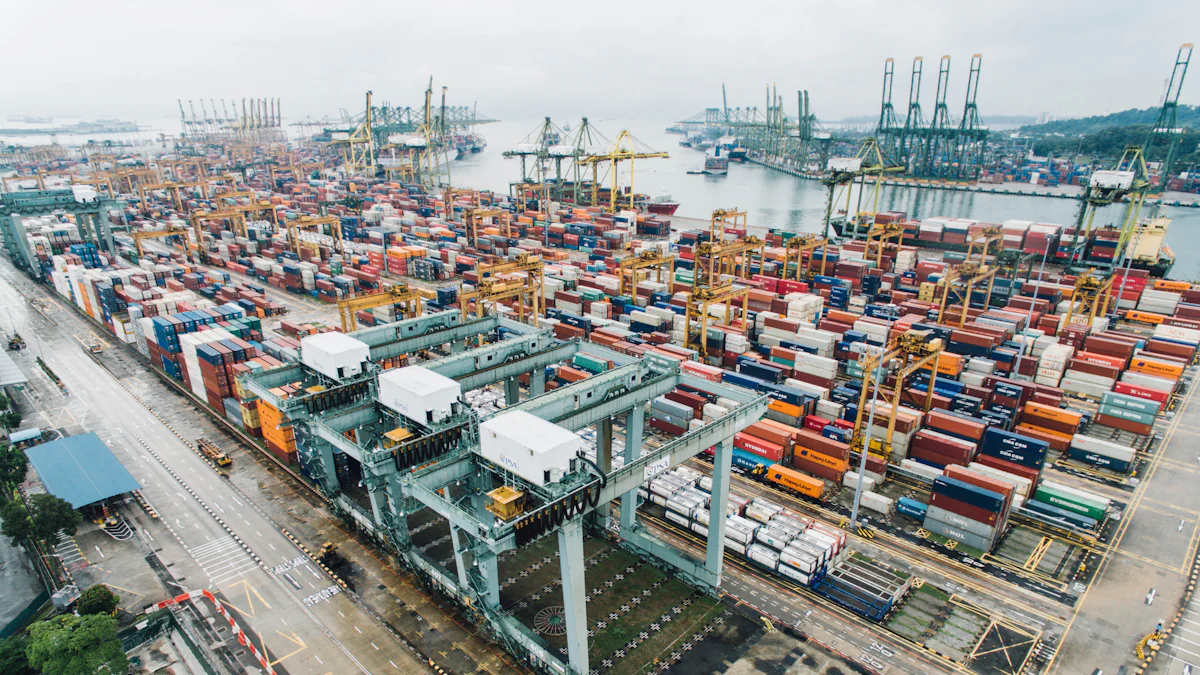
Understanding international shipping for bulk flashlight orders is essential for businesses aiming to expand globally. You must navigate complex processes to ensure smooth delivery. Costs, compliance, and delivery timelines often create significant hurdles. For instance, unexpected fees or delays can disrupt your operations and impact customer satisfaction.
How can you streamline these processes to make bulk flashlight shipping efficient and cost-effective? By addressing these challenges head-on, you can optimize your shipping strategy and achieve seamless international trade.
Key Takeaways
Learn shipping costs by checking weight, size, and location. Pack smart to save money.
Pick the best carrier for your needs. Compare prices and speed to find a good balance.
Get all needed papers ready for customs. Correct forms stop delays and extra charges.
Have a clear return policy to keep customers happy. Share rules to build trust with them.
Use tracking tools to check shipments. Updating customers about orders makes them feel better.
Key Factors Influencing International Shipping Costs
Understanding the factors that influence shipping costs is crucial for managing expenses effectively. These factors can vary significantly depending on the nature of your bulk flashlight orders and the destination.
Weight and Dimensions
The weight and dimensions of your shipment play a significant role in determining shipping costs. Carriers often use dimensional weight (DIM weight) pricing to calculate charges for large but lightweight packages. This method ensures fair billing and encourages businesses to optimize their packaging strategies. For example:
Bulky packages with low weight may incur higher costs due to their size.
Additional handling surcharges may apply if the package exceeds specific dimensions.
DIM weight is especially critical for international shipping, as it directly impacts cross-border logistics expenses.
By selecting compact and efficient packaging, you can minimize these costs and avoid unnecessary surcharges.
Destination and Shipping Zones
The destination of your shipment also affects shipping costs. Carriers divide regions into shipping zones based on the distance from the point of origin. Here's a breakdown of typical zones:
Zone | Mileage from Point of Origin |
|---|---|
Zone 1 | 0-50 miles |
Zone 2 | 51-150 miles |
Zone 3 | 151-300 miles |
Zone 4 | 301-600 miles |
Zone 5 | 601-1,000 miles |
Zone 6 | 1,001-1,400 miles |
Zone 7 | 1,401-1,800 miles |
Zone 8 | Over 1,800 miles |
Higher-numbered zones usually result in increased shipping costs due to the greater distance. For instance, Zone 2 shipments may arrive within 1-2 days, while Zone 8 deliveries can take up to a week. Each carrier structures its pricing differently. USPS offers flat-rate options, while UPS and FedEx adjust costs based on zones and delivery speed. Understanding these structures helps you select the most cost-effective option for your bulk flashlight orders.
Carrier Selection
Choosing the right carrier is another critical factor in managing shipping costs. Major carriers like USPS, UPS, and FedEx offer various services tailored to different needs. USPS provides affordable flat-rate shipping for smaller packages, while UPS and FedEx specialize in expedited and bulk shipping. However, additional fees may apply, such as:
Fuel surcharges to cover fluctuating fuel costs.
Delivery area surcharges for remote locations.
Oversize and overweight package fees for shipments exceeding size or weight thresholds.
By comparing carrier services and understanding their fee structures, you can balance cost and delivery speed effectively.
Additional Fees and Surcharges
When shipping bulk flashlight orders internationally, you must account for additional fees and surcharges. These costs can significantly impact your budget if you overlook them during planning.
Common Surcharges to Watch For
Carriers often apply extra fees based on specific conditions. Here are some common surcharges you might encounter:
Fuel Surcharges: Carriers adjust these fees based on fluctuating fuel prices. They apply to almost all shipments and vary by carrier.
Remote Area Surcharges: Deliveries to rural or hard-to-reach locations often incur extra charges.
Oversize Package Fees: Large shipments exceeding standard size limits result in higher costs.
Residential Delivery Fees: Delivering to a residential address instead of a business location may add extra charges.
Saturday Delivery Fees: If you request weekend delivery, carriers often charge a premium.
Tip: Review your carrier’s surcharge policies before finalizing your shipping plan. This helps you avoid unexpected expenses.
How to Minimize These Costs
You can take steps to reduce the impact of surcharges on your shipping expenses. Consider these strategies:
Consolidate Shipments: Combine multiple orders into one shipment to reduce handling fees.
Choose Business Addresses: Ship to commercial locations whenever possible to avoid residential delivery fees.
Plan Delivery Dates: Schedule shipments during weekdays to eliminate weekend surcharges.
Negotiate with Carriers: If you ship in high volumes, ask for discounted rates or waived fees.
Example of Surcharge Impact
Fee Type | Cost per Shipment | Impact on 100 Shipments |
|---|---|---|
Fuel Surcharge | $5 | $500 |
Remote Area Surcharge | $10 | $1,000 |
Oversize Package Fee | $15 | $1,500 |
Understanding these fees allows you to budget effectively and avoid surprises. By planning ahead, you can keep your shipping costs under control and ensure smooth delivery of your bulk flashlight orders.
Choosing the Right Carrier for Bulk Flashlight Orders
Selecting the right international carrier is essential for ensuring cost-effective and timely delivery of your bulk flashlight orders. Each carrier offers unique advantages, so understanding their services can help you make an informed decision.
Comparing Major Carriers
Major carriers like USPS, UPS, FedEx, and DHL dominate the international shipping market. Each carrier specializes in different aspects of shipping, making it important to compare their offerings.
USPS: Known for affordable rates, especially for smaller packages. However, delivery times may be slower for international shipments.
UPS: Offers reliable tracking and expedited services, making it ideal for time-sensitive orders.
FedEx: Excels in express shipping and provides robust customer support for international deliveries.
DHL: Specializes in international shipping with extensive global coverage and fast delivery options.
When comparing carriers, consider their strengths and how they align with your shipping needs. For instance, if speed is your priority, FedEx or DHL might be better options. For cost savings, USPS could be more suitable.
Evaluating Services for Bulk Orders
Bulk orders require specialized services to ensure smooth delivery. Many carriers offer discounts or tailored solutions for high-volume shipments. Look for features like:
Freight Services: Ideal for large shipments, reducing per-unit costs.
Consolidation Options: Combine multiple packages into one shipment to save on handling fees.
Customizable Solutions: Some carriers provide flexible options for packaging, labeling, and delivery.
You should also evaluate the carrier’s ability to handle international shipping complexities, such as customs clearance and compliance with trade regulations.
Balancing Cost and Delivery Speed
Balancing cost and delivery speed is a common challenge in international shipping. While 23% of businesses prioritize cost, 70% consider speed somewhat important. To achieve this balance, consider these strategies:
Use multi-carrier shipping software to compare rates and delivery times.
Negotiate lower rates with carriers based on your shipping volume.
Consolidate shipments to reduce costs and improve efficiency.
Optimize packaging to minimize dimensional weight fees.
Explore zone skipping to avoid extra handling charges.
By implementing these strategies, you can reduce expenses without compromising delivery speed. For example, consolidating shipments not only lowers costs but also simplifies logistics, ensuring faster transit times.
Tip: Regularly review your shipping strategy to adapt to changing business needs and carrier policies.
Customs Clearance and Legal Requirements
Navigating customs clearance is a critical step in international shipping. Understanding the requirements ensures your bulk flashlight orders reach their destination without unnecessary delays or penalties.
Essential Documentation
Proper documentation is the foundation of smooth customs clearance. Missing or incorrect paperwork can lead to shipment delays or additional customs fees. You should prepare the following key documents:
Commercial Invoice: This outlines the value and description of the goods. Customs officials use it to calculate import duties.
Packing List: This provides details about the shipment's contents, including weight and dimensions.
Bill of Lading (BOL): This serves as a contract between you and the carrier, confirming the shipment's terms.
Certificate of Origin: This verifies where the goods were manufactured, which may affect customs fees and import duties.
Working with a customs broker can simplify this process. They ensure all documents comply with customs regulations and reduce the risk of errors.
Duties, Taxes, and Tariffs
Import duties and customs fees significantly impact your shipping budget. These charges vary by country and depend on the product's classification under the Harmonized System (HS) code. For example, flashlights may fall under a specific HS code that determines the applicable import duties.
To estimate these costs, research the destination country's tariff rates. Many governments provide online calculators for this purpose. You can also consult a customs broker for accurate cost projections. Paying duties and taxes promptly prevents delays during customs clearance.
Tip: Include these costs in your pricing strategy to avoid unexpected expenses and maintain profitability.
Compliance with Trade Regulations
Adhering to customs regulations is essential for avoiding fines and shipment delays. Non-compliance can result in:
Fines and penalties that reduce your profits.
Shipment delays that disrupt your supply chain.
Legal issues that harm your reputation and customer trust.
To ensure compliance, you should:
Stay updated on changing regulations by reviewing official sources like the Federal Register.
Conduct regular audits to identify and address compliance gaps.
Train your staff on customs clearance procedures and trade laws.
Use technology to streamline compliance management.
Maintain open communication with your customs broker and supply chain partners.
Proactively managing compliance reduces risks and ensures your shipments move through customs efficiently.
Packaging and Labeling for Bulk Shipments

Proper packaging and labeling are essential for ensuring your bulk flashlight shipments arrive safely and comply with international shipping standards. By focusing on these aspects, you can reduce risks, avoid delays, and enhance customer satisfaction.
Selecting Packaging Materials
Choosing the right packaging materials protects your flashlights during transit. Start by selecting durable materials that can withstand the rigors of international shipping. Corrugated boxes, bubble wrap, and foam inserts are excellent options for safeguarding your products. For added protection, consider using moisture-resistant materials, especially if your shipment will pass through humid regions.
To meet international standards, follow guidelines like ASTM D3951 for commercial packaging or ISTA protocols for safe transit. These standards ensure your packaging is robust enough to handle long-distance shipping. Additionally, using eco-friendly materials aligns with ISO 14001 for environmental management, promoting sustainability in your shipping practices.
Labeling for International Shipping
Accurate labeling is critical for smooth customs clearance and efficient handling. Each package should display clear and legible labels that include the recipient’s address, return address, and any required shipping codes. For international shipments, you may need additional labels indicating the contents, weight, and handling instructions.
Compliance with international standards, such as UN recommendations for transporting dangerous goods, ensures your shipment meets regulatory requirements. Proper labeling also reduces the risk of mishandling, which can lead to delays or damage. Always double-check the labeling requirements for your destination country to avoid fines or rejected shipments.
Ensuring Safe Transit
Safe transit begins with secure packaging and proper labeling, but it doesn’t end there. Reinforce your packages with strong tape to prevent accidental openings. Use pallets or crates for bulk shipments to keep your packages stable during transport. For fragile items, include “Handle with Care” labels to alert handlers.
Adhering to ISO 9001 for quality management systems ensures your shipping process maintains high standards. This reduces the likelihood of damage and enhances the overall safety of your shipments. By taking these precautions, you can minimize risks and ensure your flashlights reach their destination in perfect condition.
Tip: Following international packaging and labeling standards not only prevents delays but also improves the efficiency of your shipping operations.
Insurance and Risk Management in Shipping
Shipping bulk flashlight orders internationally involves risks that can disrupt your operations. Theft, damage, delays, and environmental hazards are common challenges. Insurance provides a safety net, protecting your business from financial losses and ensuring peace of mind.
Importance of Insurance
Insurance is essential for mitigating risks during international shipping. It safeguards your investment by covering potential losses or damages. For example, theft or damage to goods during transit can result in significant financial setbacks. Insurance ensures you recover these losses without impacting your bottom line. It also protects against unforeseen events like political instability or natural disasters. By securing insurance, you can focus on growing your business without worrying about unpredictable shipping risks.
Types of Coverage
Different types of insurance coverage cater to various shipping needs. Choosing the right one depends on your shipment's value and the risks involved. Common options include:
All-Risk Coverage: Offers comprehensive protection against most causes of loss or damage, including theft and natural disasters.
Named Perils Coverage: Covers specific risks listed in the policy, such as fire or collision. This option is cost-effective but limited.
General Average Coverage: Protects you from shared losses under maritime law when sacrifices are made to save the vessel and cargo.
Selecting the appropriate coverage ensures your shipment remains protected, no matter the circumstances.
Filing Claims for Loss or Damage
If your shipment suffers loss or damage, filing a claim is crucial. Follow these steps to ensure a smooth process:
File a freight transportation damage claim with the transportation service provider (TSP) according to your agency's policy.
Submit a written claim with sufficient details for the TSP to investigate.
Identify the shipment and assert liability for the loss or damage.
Demand a specific monetary amount in your claim.
Accurate documentation and prompt action increase the likelihood of a successful claim. Keep all shipping records and photographs of the damaged goods to support your case.
Tip: Review your insurance policy thoroughly to understand what is covered and excluded. This knowledge helps you avoid surprises during the claims process.
By prioritizing insurance and risk management, you can protect your shipments and maintain smooth operations, even in the face of unexpected challenges.
Delivery Timelines and Tracking for International Shipping

Factors Impacting Delivery Times
Several factors can influence the delivery time of your bulk flashlight shipments. Transportation modes play a significant role. Air freight offers speed but comes at a higher cost, while ocean freight is slower yet more economical for bulk goods. The complexity of the shipping route and the geographical distance also affect transit times. Longer routes or those involving multiple stops may lead to delays.
Port congestion, especially during peak seasons, can slow down the process. Customs clearance is another critical factor. Missing or incorrect documentation often causes bottlenecks. Weather conditions, such as storms or extreme temperatures, can disrupt schedules unpredictably. Lastly, the reliability of your chosen carrier impacts the overall efficiency of the delivery process. Dependable carriers ensure fewer delays and smoother operations.
Tracking Tools and Technologies
Tracking tools are essential for monitoring your shipment’s progress. Many carriers provide advanced tracking systems that allow you to follow your package in real time. These tools often include GPS tracking, automated updates, and estimated delivery times. Choosing a carrier with robust tracking technology ensures you stay informed about your shipment’s location and status. This transparency helps you anticipate potential delays and take proactive measures to address them.
Communicating Updates to Customers
Keeping your customers informed about their shipment’s progress is vital for maintaining trust. Use automated notifications to share updates on delivery time, delays, or changes in the shipping schedule. Email and SMS alerts are effective ways to communicate these updates. Providing customers with tracking numbers also allows them to monitor their orders independently. Clear and timely communication reduces uncertainty and enhances customer satisfaction.
Tip: Regular updates reassure customers and demonstrate your commitment to reliable service.
Handling Returns and Ensuring Customer Satisfaction
Setting Up a Return Policy
A clear and customer-friendly return policy is essential for managing international returns. It sets expectations and builds trust with your customers. Start by outlining the conditions under which returns are accepted, such as defective products or incorrect shipments. Specify the timeframe for returns, ensuring it aligns with international shipping timelines. For instance, extending the return period can accommodate delays caused by customs or transit.
Providing multiple return options enhances flexibility. Allow customers to choose their preferred method, such as returning items via mail or dropping them off at a local partner. Outsourcing returns to local partners simplifies the process and reduces costs for both you and your customers. Clear communication about your return policy prevents misunderstandings and ensures a smooth experience.
Tip: Display your return policy prominently on your website to make it easily accessible to customers.
Managing Expectations
Managing customer expectations is crucial for maintaining satisfaction. International shipping often involves longer delivery times and additional fees. You can address these challenges by offering multiple delivery options to meet diverse needs. For example, provide both standard and expedited shipping choices.
Transparency is key. Inform customers about potential extra fees, such as duties or taxes, before they place an order. This avoids unpleasant surprises upon delivery. Additionally, ensure your return policy is easy to understand and hassle-free. A seamless process encourages repeat business and strengthens customer loyalty.
Strategies to Manage Expectations:
Offer flexible delivery and return options.
Communicate return policies clearly.
Provide hassle-free return processes to enhance satisfaction.
Resolving Shipping Issues
Shipping issues, such as delays or damaged goods, can frustrate customers. Address these problems promptly to maintain trust. Start by choosing reliable carriers that understand international regulations. Proper package preparation ensures your shipments clear customs efficiently.
Understanding return rules in different countries helps you navigate complex regulations. For example, some regions may require specific documentation for returns. Inform customers about potential extra fees during the return process to avoid confusion. Offering returns, even in markets where it’s not standard, can set your business apart from competitors.
Note: Customs regulations change frequently. Stay updated to avoid delays and ensure compliance.
By proactively addressing these challenges, you can resolve shipping issues effectively and keep your customers satisfied.
Successfully managing international shipping for bulk flashlight orders requires a structured approach. Start by preparing thoroughly. Stay updated with changing regulations, conduct regular audits, and train your staff on compliance. Use technology to streamline processes and maintain open communication with stakeholders. These steps ensure your shipments meet legal requirements and avoid costly delays.
Adopting proactive strategies enhances efficiency. For example, load consolidation reduces costs, while compliance management prevents fines and improves operations. Transportation Management Systems (TMS) help forecast costs and optimize routing, ensuring smooth delivery. By integrating these methods, you can build a resilient shipping strategy.
Tip: Consistent preparation and clear communication with partners strengthen your supply chain and improve customer satisfaction.
FAQ
What is the best way to estimate international shipping costs?
You can estimate costs by considering factors like package weight, dimensions, destination, and carrier fees. Use online shipping calculators provided by carriers. Include additional charges like customs duties and surcharges to get an accurate estimate.
How can I avoid delays during customs clearance?
Prepare all required documents, such as the commercial invoice and packing list, accurately. Work with a customs broker to ensure compliance with regulations. Double-check the HS code and include all necessary details to prevent errors.
Are there eco-friendly packaging options for bulk shipments?
Yes, you can use recyclable materials like corrugated cardboard and biodegradable packing peanuts. Opt for reusable pallets or crates. Eco-friendly packaging aligns with sustainability goals and reduces environmental impact.
How do I choose the right carrier for my shipment?
Compare carriers based on cost, delivery speed, and services. Consider their expertise in handling bulk orders and international shipments. Evaluate tracking tools and customer support to ensure reliability.
What should I do if my shipment gets damaged?
File a claim with your carrier immediately. Provide detailed documentation, including photos of the damage and shipping records. Review your insurance policy to confirm coverage and follow the carrier’s claims process for resolution.
Tip: Always document your shipments thoroughly to simplify the claims process in case of damage or loss.
See Also
Top Suppliers for Purchasing Flashlights in Large Quantities
Selecting Ideal LED Flashlights for Bulk Buying Needs
Comprehensive Guide to Buying Flashlights in Bulk Wholesale
Essential Guide for Purchasing Flashlights at Wholesale Prices
Finding Quality Flashlights for Your Import Business Wholesale