What You Need to Know About Importing Flashlights: A Step-by-Step Guide

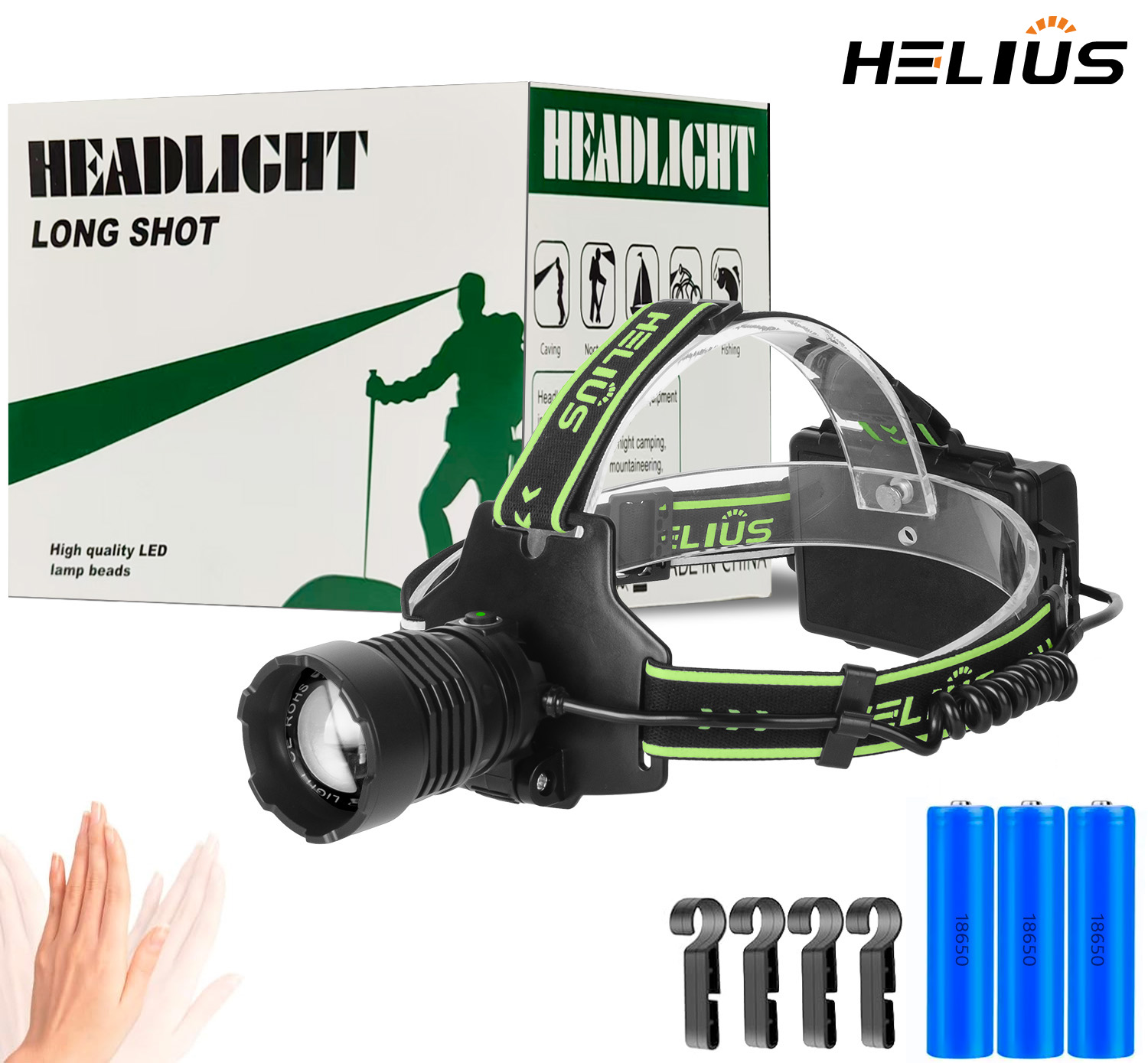
Importing flashlights can seem overwhelming, but understanding the process makes it manageable. Did you know the U.S. imported 3,420 flashlight shipments between March 2023 and February 2024? That’s a significant volume, even with a recent decline. To succeed, you need to navigate customs compliance, avoid shipping delays, and meet safety standards. These steps are crucial for setting up an import business. In this article, we will cover 'What You Need to Know About Importing Flashlights: A Step-by-Step Guide,' where you’ll learn techniques to simplify the process and ensure your shipments arrive on time and hassle-free.
Key Takeaways
Learn import rules to avoid expensive errors. Know tariffs, customs papers, and safety rules before you start importing.
Get an importer number, like an EIN or SSN, for easy customs checks. This number helps track shipments and follow rules.
Pick trustworthy suppliers by checking their background and reviews. Ask for product samples to check quality before buying in bulk.
Figure out the total cost by adding product prices, shipping, and taxes. Use online calculators to plan costs and avoid surprises.
Check your shipment when it arrives to confirm quality and rules are met. Write down any problems right away to solve them with suppliers.
Understanding What You Need to Know About Importing Flashlights
Researching Import Laws and Regulations
Before you dive into the importing process, you need to familiarize yourself with the laws and regulations that govern flashlight imports. These rules vary by country, but some common factors apply globally:
Tariffs and Trade Policies: Tariffs can significantly impact the cost of your flashlights. They influence both sourcing decisions and final pricing.
Customs Regulations and Documentation: Accurate paperwork is essential. Missing or incorrect documents can lead to delays, fines, or even confiscation of your shipment.
Forced Labor and Ethical Sourcing Laws: Many countries, including the U.S., enforce strict laws like the Uyghur Forced Labor Prevention Act. You’ll need to ensure your supply chain is free from forced labor.
Environmental and Safety Standards: Flashlights must meet safety and sustainability requirements. These regulations often dictate the materials and manufacturing processes you can use.
By staying informed about these import requirements, you can avoid costly mistakes and ensure a smooth import process.
Obtaining an Importer Number
To legally import goods into most countries, you’ll need an importer number. In the U.S., this is typically your Employer Identification Number (EIN). Don’t have one? You can apply for it through the IRS website. If you’re importing as an individual, your Social Security Number (SSN) may suffice.
This number is crucial for customs clearance. It helps authorities track your shipments and ensures you comply with import regulations. Without it, your goods could get stuck at the border. Make sure you have this step covered before placing any orders.
Identifying Flashlight-Specific Restrictions
Not all flashlights are created equal, and some may face additional restrictions. For example, flashlights with built-in lithium-ion batteries often require special handling due to safety concerns. These batteries are classified as hazardous materials, so you’ll need to follow strict shipping guidelines.
Additionally, some countries have specific rules about the brightness or wattage of flashlights. Always check the regulations in your target market to avoid surprises. Ignoring these details could result in your shipment being rejected or delayed.
Pro tip: Look for suppliers who are already familiar with these restrictions. They can help you navigate the complexities and ensure your products meet all necessary standards.
Ensuring Compliance with Safety Standards
When importing flashlights, you can’t overlook safety standards. These regulations ensure your products are safe for consumers and meet legal requirements in your target market. Ignoring them could lead to fines, rejected shipments, or even harm to users. So, how do you stay compliant?
In the United States, flashlights must meet Underwriters Laboratories (UL) standards. Specifically, UL 913 applies to equipment used in hazardous locations. If your flashlights are designed for industrial or high-risk environments, this standard is non-negotiable. In Europe, the ATEX Directive governs safety for flashlights used in explosive atmospheres. Products that comply with this directive carry the 'EX' symbol, which signals they’re safe for such conditions. These certifications aren’t just legal requirements—they’re also a mark of quality that builds trust with your customers.
Tip: Always ask your supplier if their products meet these standards. Request documentation to verify compliance before placing an order.
Beyond certifications, you should also check for general safety features. Look for flashlights with durable casings, reliable switches, and proper insulation. If the product includes lithium-ion batteries, ensure they meet international shipping and safety guidelines. Faulty batteries can overheat or catch fire, creating serious risks during transport or use.
To make things easier, create a checklist of safety requirements based on your target market. This helps you stay organized and ensures you don’t miss any critical details. By prioritizing safety compliance, you protect your business and your customers while avoiding unnecessary headaches.
Remember: Safety isn’t just about meeting regulations. It’s about delivering a product you can stand behind with confidence.
Finding Reliable Suppliers for Flashlights

Searching for Suppliers Online and Offline
Finding the right supplier is one of the most critical steps in the importing process. You can start your search online by exploring platforms like Alibaba, Global Sources, or Made-in-China. These websites host a wide range of flashlight manufacturers and allow you to compare options easily. Don’t stop there—attend trade shows or industry expos in your region. Meeting suppliers in person helps you build trust and evaluate their products firsthand.
When searching online, test a supplier’s responsiveness by contacting their support team. Quick and clear communication is a good sign of reliability. Also, check their years in business and read customer testimonials. These steps give you a better idea of their track record. Offline, ask for referrals from industry peers or local business networks. Personal recommendations often lead to trustworthy suppliers.
Tip: Always request product samples before committing to bulk orders. This ensures the quality matches your expectations.
Evaluating Supplier Credibility
Not all suppliers are created equal, so you need to dig deeper to assess their credibility. Start by looking at their track record. How long have they been in business? A supplier with years of experience is more likely to deliver consistent results. Next, research their reputation. Read reviews, testimonials, and even case studies if available. These insights help you gauge their reliability.
Delivery consistency is another key factor. Ask about their on-time delivery rates and ability to handle bulk orders. Reliable suppliers will have no problem sharing this information. Communication is equally important. Clear and timely responses prevent misunderstandings and make collaboration smoother. Finally, check if they offer after-sales support like warranties or repair services. This shows they stand behind their products.
Assessing Product Quality and Certifications
Quality is non-negotiable when importing flashlights. Before placing an order, request samples to evaluate the product firsthand. Compare samples from different suppliers to identify the best value. Look for certifications that prove compliance with safety and quality standards.
Here’s a quick guide to the most common certifications:
Certification | Purpose |
|---|---|
CE Marking | Ensures compliance with EU consumer safety, health, and environmental requirements. |
RoHS Compliance | Reduces hazardous substances in electronic products, promoting environmental safety. |
ISO 9001 | Emphasizes quality management systems for consistent product quality. |
ANSI FL1 Standards | Provides a framework for evaluating flashlight performance. |
These certifications not only ensure compliance but also build trust with your customers. Always verify the supplier’s claims by asking for documentation. This step protects you from potential issues down the line.
Remember: High-quality products and reliable suppliers are the foundation of a successful import business.
Calculating the Total Cost of Importing Flashlights
Understanding the total cost of importing flashlights is essential for planning your budget and avoiding surprises. Let’s break it down step by step so you can stay on top of your expenses.
Breaking Down Import Costs
When you import goods for resale, several costs come into play. Here’s a breakdown of the key expenses you’ll encounter:
Product Costs: This includes the price you pay to the supplier for the flashlights. Always request a detailed invoice to ensure transparency.
Shipping Fees: These vary depending on the shipping method you choose, such as air freight or sea freight. Remember, shipping fees often include handling charges and insurance.
Duties and Taxes: You’ll need to pay duties and taxes based on the customs value of your shipment. This value includes the product cost, shipping fees, and insurance. Additional taxes like VAT or GST may also apply.
Tip: Always ask your supplier for a complete cost breakdown. This helps you avoid hidden fees that could disrupt your budget.
Using Online Tools to Estimate Costs
Estimating import costs can feel overwhelming, but online tools make it easier. These tools provide accurate data and help you calculate expenses quickly. Here’s a look at some features you should consider:
Feature/Benefit | Description |
|---|---|
Free Trade Agreements | Identifies countries with minimal import duties on flashlights. |
HSN Codes | Provides codes to determine duty rates and import benefits. |
Authentic Data | Uses real shipment data from over 1,469 ports worldwide for accuracy. |
These tools simplify the import process and give you a clear picture of what to expect. By using them, you can plan better and avoid unexpected costs.
Remember: Accurate cost estimation is key to managing your import business effectively. Take advantage of these tools to stay ahead.
Ordering Samples and Negotiating Terms
Requesting Product Samples
Before committing to a bulk order, you should always request product samples. Samples let you evaluate the flashlight's quality, durability, and performance firsthand. This step helps you avoid surprises when the full shipment arrives.
When asking for samples, be specific about what you want to test. For example, if you're importing flashlights with built-in batteries, check their brightness, battery life, and safety features. Ask the supplier to include any certifications or test reports with the sample. These documents confirm the product meets safety and quality standards.
Tip: Some suppliers may charge for samples, but this cost is worth it. Think of it as an investment in your business.
Negotiating Pricing and Payment Terms
Once you're satisfied with the sample, it's time to discuss pricing. Negotiation is a skill, and you don’t need to be an expert to get a good deal. Start by asking for a discount on bulk orders. Suppliers often offer lower prices for larger quantities.
Payment terms are just as important as pricing. Many suppliers prefer upfront payments, but you can negotiate alternatives like a 30/70 split. This means you pay 30% upfront and the remaining 70% after the goods are shipped. This arrangement reduces your financial risk.
Pro Tip: Always clarify who covers additional costs like shipping and customs duties. Misunderstandings here can lead to unexpected expenses.
Setting Clear Expectations with Suppliers
A clear agreement with your supplier ensures a smooth importing process. Include these key elements in your supplier agreement:
Project timelines with delivery milestones
Intellectual property ownership rights
Payment schedules and expense reimbursements
Quality standards and approval criteria
These details protect your interests and prevent disputes. For example, specifying quality standards ensures the supplier delivers products that meet your expectations. Including delivery milestones helps you track progress and avoid delays.
Note: A well-drafted agreement isn’t just a formality. It’s a roadmap for a successful partnership.
By following these steps, you’ll build strong relationships with your suppliers and set the foundation for a successful import business.
Managing Shipping Logistics for Flashlights

Understanding Incoterms
When it comes to shipping flashlights, understanding Incoterms is essential. These international trade terms define the responsibilities of buyers and sellers during the shipping process. They clarify who handles costs, risks, and logistics at each stage. Here’s a quick breakdown of the most commonly used Incoterms in flashlight imports:
Incoterm | Meaning | Responsibilities |
|---|---|---|
EXW | Ex Works | Buyer covers all costs from seller's premises. |
FCA | Free Carrier | Seller ships to a designated location; risk passes to buyer at delivery. |
FOB | Free on Board | Seller covers costs until goods are loaded on the ship; buyer assumes risk after loading. |
CIF | Cost, Insurance, and Freight | Seller covers transportation and insurance to destination port; risk passes to buyer upon loading. |
Choosing the right Incoterm depends on your budget and how much control you want over the shipping process. For example, if you prefer to manage everything yourself, EXW might be the best option. On the other hand, CIF can save you time by letting the seller handle most of the logistics.
Choosing a Shipping Method
Air Freight vs. Sea Freight
When importing flashlights, you’ll need to decide between air freight and sea freight. Air freight is faster, making it ideal for urgent shipments. However, it’s more expensive and better suited for smaller, high-value orders. Sea freight, while slower, is cost-effective for bulk shipments. It’s the go-to option if you’re importing large quantities of flashlights.
Pros and Cons of Each Option
Here’s a quick comparison to help you decide:
Shipping Method | Pros | Cons |
|---|---|---|
Air Freight | Fast delivery, reliable schedules | Higher costs, limited cargo space |
Sea Freight | Cost-effective for bulk, eco-friendly | Slower transit, potential for delays |
Think about your priorities. If speed matters, air freight is worth the extra cost. But if you’re focused on saving money, sea freight is the way to go.
Selecting a Shipping Agent or Freight Forwarder
A reliable shipping agent or freight forwarder can make or break your importing experience. When choosing one, consider these factors:
Credibility & Experience: Look for a provider with a solid track record and positive reviews.
Ability to Scale: Ensure they can handle your growing business needs.
Technology: Advanced tracking systems can give you peace of mind.
Bespoke Solutions: Tailored services ensure your specific logistics needs are met.
Strong Communication: Reliable updates and alerts keep you informed.
Service & Value Offer: Evaluate their range of services and how they align with your business goals.
A good freight forwarder simplifies the import process and ensures your flashlights arrive on time and in good condition. Don’t rush this decision—take your time to find the right partner.
Navigating Customs Clearance When Importing into the United States
Clearing customs can feel like a maze, but with the right preparation, you can navigate it smoothly. Here’s what you need to know to ensure your flashlight imports sail through U.S. Customs and Border Protection without a hitch.
Preparing Required Documentation
Proper import documentation is the backbone of a successful customs clearance process. Missing or incomplete paperwork can lead to delays or even penalties. Here’s a checklist of the essential documents you’ll need when importing into the United States:
Commercial Invoice: This document outlines the transaction details, including the value of the goods, the buyer and seller information, and a description of the flashlights. It’s a must-have for customs clearance.
Packing List: This provides a detailed breakdown of the shipment, including the quantity, weight, and dimensions of the packages.
Bill of Lading: This serves as a receipt for the shipment and a contract between you and the carrier.
HS Code for Flashlights: This code classifies your goods for tariff purposes.
Certificate of Origin (if required): This proves where the flashlights were manufactured.
Import License (if required): Some shipments may need this additional permit.
Tip: Double-check all entry documentation for accuracy before submitting it to U.S. Customs and Border Protection. Even small errors can cause big problems.
Working with a Customs Broker
Partnering with a customs broker can simplify the entire process. These professionals have in-depth knowledge of global trade compliance and customs regulations. They’ll help you navigate the complexities of importing into the United States, ensuring you meet all requirements.
Here’s how a customs broker can benefit you:
They minimize errors in documentation and tariff classifications, reducing the risk of delays.
They save you time by handling the customs clearance process efficiently.
They identify cost-saving opportunities, like duty drawbacks or exemptions, to boost your profit margins.
By working with a customs broker, you can focus on growing your business while they handle the nitty-gritty of customs clearance.
Avoiding Common Customs Issues
Customs issues can derail your importing plans, but most are avoidable with the right strategies. Here are some common problems and how to prevent them:
Research the import/export rules for your target market thoroughly.
Use accurate tariff classifications and ensure all required entry documentation is complete.
Partner with a customs broker to simplify the process and reduce errors.
Other tips include proper labeling of your flashlights and using trade management software to stay organized. These steps will help you avoid compliance issues and keep your shipments on track.
Remember: Preparation is key. The more effort you put into understanding customs requirements, the smoother your importing experience will be.
Receiving and Inspecting Your Flashlight Shipment
Inspecting the Shipment Upon Arrival
When your flashlight shipment arrives, the first thing you should do is inspect it thoroughly. Don’t just glance at the boxes—open them and check the contents. Look for any signs of damage, like crushed packaging or broken seals. Count the items to ensure the quantity matches the packing list. If you spot any discrepancies, document them immediately with photos or videos. This evidence will come in handy if you need to file a claim.
Pay close attention to the condition of the flashlights. Test a few units to confirm they work as expected. If your shipment includes flashlights with lithium-ion batteries, check for any signs of leakage or overheating. These issues could pose safety risks. A detailed inspection helps you catch problems early and avoid passing defective products to your customers.
Tip: Keep a checklist handy during the inspection. It ensures you don’t miss any critical steps.
Handling Damaged or Incorrect Goods
Sometimes, shipments don’t arrive in perfect condition. If you find damaged or incorrect goods, don’t panic. Start by contacting your supplier or freight forwarder to report the issue. Share the documentation you prepared during the inspection. Most suppliers have policies for replacing damaged items or issuing refunds.
For minor issues, you might negotiate a discount instead of returning the goods. However, if the problem is significant, you may need to arrange a return shipment. Work closely with your customs broker to ensure the process complies with import regulations. Handling these situations promptly protects your business reputation and keeps your customers happy.
Pro Tip: Build strong relationships with your suppliers. A good rapport makes it easier to resolve issues quickly.
Storing and Distributing the Flashlights
Once your shipment passes inspection, it’s time to store and distribute the flashlights. Efficient storage is key to maintaining product quality. Use a Warehouse Management System (WMS) to track inventory and prevent overstocking or understocking. These systems provide real-time data, making it easier to monitor stock levels and plan logistics.
Train your staff regularly on proper storage techniques and compliance requirements. This ensures smooth operations and reduces the risk of errors. When it’s time to distribute the flashlights, work with reliable freight forwarders to streamline the process. Strong partnerships with logistics providers simplify international shipping and help you navigate complex trade routes.
Note: Accurate inventory tracking and precise records are essential for effective logistics planning. They save time and prevent costly mistakes.
Importing flashlights may seem complex, but breaking it into manageable steps makes it achievable. From understanding customs regulations to finding reliable suppliers and calculating costs, each step plays a vital role in your success. Thorough research and planning are your best tools. For instance, ensuring your packaging meets regulatory standards can prevent customs delays, while trade management software can optimize your supply chain and reduce risks.
Don’t forget to invest in efficient inventory control and storage solutions. These steps not only streamline your operations but also help you avoid overstocking or understocking. Partnering with experienced customs brokers simplifies the process further, ensuring compliance and smooth operations.
Now it’s your turn to take the first step. With the right preparation and tools, you can confidently start your flashlight importing journey and build a thriving business.
FAQ
What is the best way to find trustworthy flashlight suppliers?
You can start by exploring platforms like Alibaba or attending trade shows. Look for suppliers with positive reviews, certifications, and years of experience. Always request samples to test product quality before committing to a bulk order.
Tip: Personal recommendations from industry peers can lead you to reliable suppliers.
Do I need a license to import flashlights into the U.S.?
In most cases, you don’t need a specific license to import flashlights. However, you’ll need an importer number, which is usually your EIN or SSN. Check if your shipment requires additional permits, especially for flashlights with lithium-ion batteries.
How can I estimate the total cost of importing flashlights?
Use online tools to calculate costs like product price, shipping fees, and duties. Don’t forget to include taxes like VAT or GST. Ask your supplier for a detailed cost breakdown to avoid surprises.
Pro Tip: Free trade agreements can help reduce import duties.
What should I do if my shipment gets delayed at customs?
First, contact your customs broker or freight forwarder to identify the issue. Common problems include missing documents or incorrect tariff codes. Fix the issue quickly to avoid extra fees or penalties.
Are there any safety standards I need to follow when importing flashlights?
Yes, flashlights must meet safety standards like UL 913 in the U.S. or the ATEX Directive in Europe. These certifications ensure your products are safe and compliant. Always verify your supplier’s claims with proper documentation.
Remember: Safety compliance protects your business and builds customer trust.
See Also
Comprehensive Tips for Importing Wholesale Flashlights from China
Strategies for Finding Quality Wholesale Flashlights for Importing
The Complete Handbook for Purchasing Bulk Flashlights Wholesale
Expert Insights on Flashlight Production and Quality in China
Selecting the Right Supplier for Your Flashlight Business Needs