The Importance of Battery Life in Bulk-Purchased Headlamps

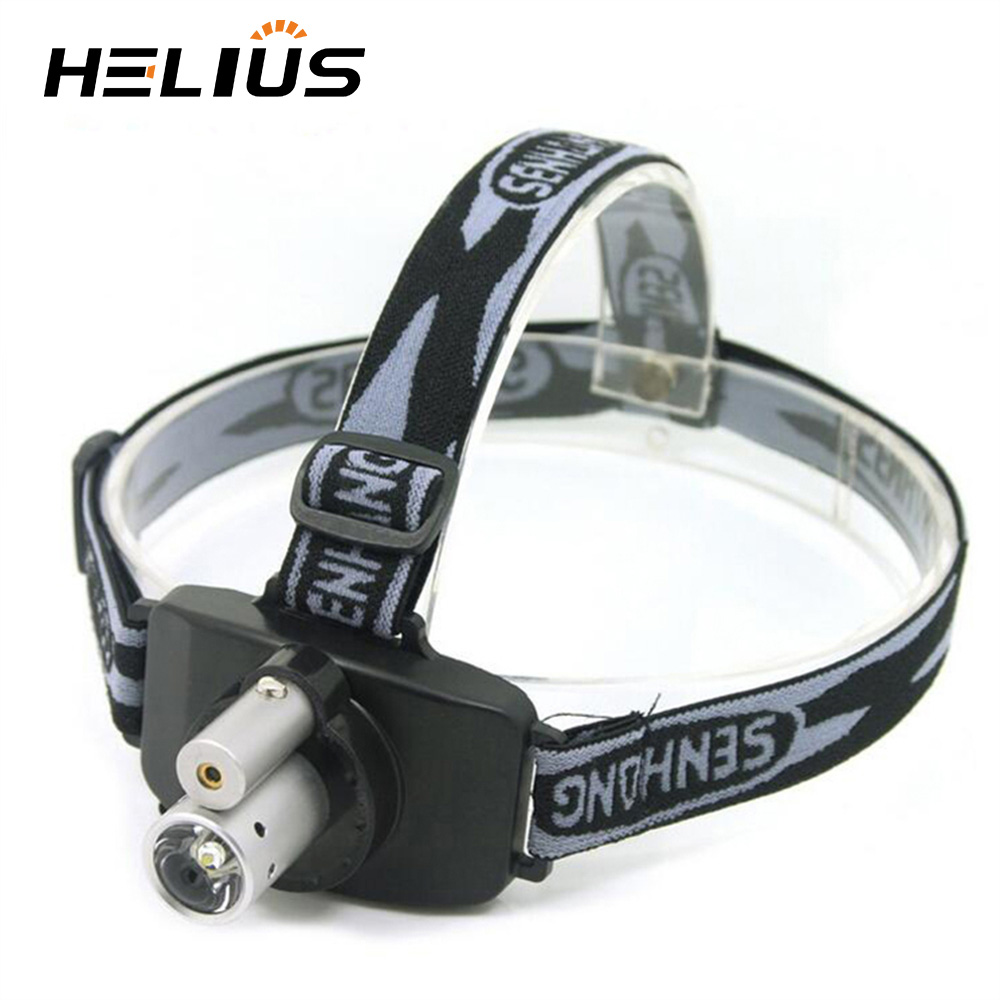
The importance of battery life in bulk-purchased headlamps cannot be overstated. You rely on batteries to power these tools, whether for outdoor adventures or professional tasks. Longer-lasting batteries reduce the need for frequent replacements, saving you time and money. Bulk purchases amplify these benefits by ensuring you always have reliable headlamps ready for use. Efficient batteries also minimize waste, making them an eco-friendly choice. When you choose headlamps with optimal battery life, you enhance performance and reliability in every situation.
Key Takeaways
Batteries that last longer save money and time by lasting longer.
Buying many batteries at once means you always have extras ready.
Using dimmer light settings helps batteries last much longer.
Storing and caring for batteries keeps them working well for longer.
Rechargeable batteries are better for the planet and reduce trash.
Why Battery Life Matters
Cost-Effectiveness
Advantages of buying batteries in bulk for long-lasting headlamps
Buying batteries in bulk offers significant savings. When you purchase in larger quantities, you reduce the cost per unit. This is especially beneficial for long-lasting headlamps, as they require fewer replacements over time. Bulk purchasing also ensures you always have batteries on hand, eliminating the need for last-minute trips to the store. Additionally, high-quality batteries purchased in bulk often provide better durability, making them a cost-effective choice for both personal and professional use.
Reducing operational costs with fewer replacements
Long-lasting batteries reduce the frequency of replacements, which lowers operational costs. For example, using rechargeable batteries in headlamps can save money over time compared to disposable ones. Rechargeable options also offer better reliability and durability, ensuring consistent performance. By buying batteries in bulk, you further minimize expenses while maintaining the quality of your equipment.
Usability and Reliability
Ensuring dependable performance in extended use
Headlamps with efficient batteries provide dependable performance during extended use. For instance, a headlamp operating at 200 lumens may last only 2-3 hours, but reducing the brightness to 50 lumens can extend usage to 20 hours. This flexibility allows you to adapt to different situations without compromising reliability. High-quality batteries also play a crucial role in ensuring consistent performance.
Avoiding disruptions in group or professional settings
In group or professional settings, poor battery life can lead to disruptions. Imagine a camping trip where multiple headlamps fail due to rapid battery depletion. Using lower brightness settings can extend battery life, ensuring uninterrupted light for signaling or navigation. A headlamp at 20 lumens, for example, can provide up to 150 hours of light, making it ideal for emergencies.
Environmental Impact
Minimizing waste with efficient battery usage
Efficient battery usage reduces waste. Rechargeable batteries, for example, generate less waste compared to disposable ones. According to the Environmental Protection Agency, switching to rechargeable batteries could prevent the disposal of 1.5 billion batteries annually in the U.S. alone. This significantly reduces toxic pollution and supports sustainable practices.
Supporting sustainable practices in bulk purchases
Bulk purchasing of rechargeable batteries supports sustainability. Rechargeable options contain fewer toxic materials, reducing soil and water pollution. They also require less energy to recharge compared to producing new batteries, which lowers carbon emissions. By choosing rechargeable batteries in bulk, you contribute to a healthier environment while enjoying long-term cost savings.
Key Factors Affecting Battery Life
Battery Type
Comparing rechargeable and disposable batteries for headlamps
When choosing between rechargeable and disposable batteries for headlamps, understanding their differences helps you make an informed decision. Rechargeable batteries offer consistent brightness until depletion and are reusable, making them cost-effective over time. Disposable batteries, on the other hand, provide longer total energy output but gradually lose brightness as they drain.
Feature | Rechargeable Batteries | Disposable Batteries |
|---|---|---|
Lifespan | Shorter burn times but consistent brightness | Longer total energy output but decreases over time |
Cost-effectiveness | More cost-effective over time with reusability | Higher long-term costs due to disposability |
Waste | Reusable, limits waste | Creates waste after disposal |
Performance | Consistent brightness until depletion | Brightness gradually decreases |
Availability | May be harder to find | Widely available |
Evaluating lithium-ion, alkaline, and other battery types
Lithium-ion and alkaline batteries each have unique advantages. Lithium-ion batteries last longer, often exceeding 1,000 charge cycles, and are lighter, making them ideal for portability. However, they require careful maintenance and cost more upfront. Alkaline batteries are cheaper and hold their charge longer when unused, but they are disposable and create more waste.
Lithium-ion batteries:
Long lifespan and high energy density.
Lightweight, up to 60% lighter than alkaline batteries.
Require proper maintenance for longevity.
Alkaline batteries:
Affordable and widely available.
Suitable for single-use applications.
Gradually lose charge over time.
Usage Patterns
Impact of brightness settings on battery consumption
The brightness setting you choose directly affects how long your batteries last. High brightness settings drain batteries quickly, often lasting only a few hours. Lower settings, however, can extend battery life significantly. For example, some headlamps can last up to 150 hours on low brightness. Adjusting brightness based on your needs helps you conserve energy and maximize usage.
Differences between continuous and intermittent use
How you use your headlamp also impacts battery life. Continuous use drains batteries faster, especially at higher brightness levels. Intermittent use, such as turning the headlamp off when not needed, helps preserve battery power. This approach is particularly useful during activities like hiking or camping, where conserving energy is essential.
Storage Conditions
Proper storage to prevent battery degradation
Storing batteries correctly ensures they last longer. Always disconnect the battery from the headlamp when not in use to prevent accidental activation. For long-term storage, keep the battery level between 50% and 80%. This practice maintains optimal performance and prevents degradation.
Effects of temperature and humidity on battery longevity
Environmental conditions play a significant role in battery life. Cold weather temporarily reduces battery capacity, while high heat can permanently damage batteries.
Condition | Effect on Battery Longevity |
|---|---|
Cold Weather | Temporarily reduces battery capacity |
High Heat | Can damage batteries and reduce life expectancy |
Storing batteries in a cool, dry place protects them from extreme temperatures and humidity, ensuring they remain functional when you need them.
Evaluating Battery Life in Bulk Purchases
Assessing Battery Specifications
Understanding mAh ratings and runtime estimates
When evaluating headlamps for bulk purchasing, understanding battery specifications is essential. The milliampere-hour (mAh) rating indicates the battery's capacity. A higher mAh rating means the battery can power your headlamp for a longer time. For example, a 3000 mAh battery will last longer than a 1500 mAh one under the same conditions. Runtime estimates provided by manufacturers also help you gauge how long the headlamp will last at different brightness levels. Modern headlamps can deliver up to 420 lumens in high mode, but they last significantly longer in low mode. These details ensure you choose batteries that meet your needs for extended use.
Comparing battery life across headlamp models
Comparing battery life across different headlamp models helps you identify the most efficient option for bulk purchasing. Look for models that balance brightness and runtime effectively. Industrial operators, for instance, prefer headlamps that last an entire shift without needing battery changes. Safety features, such as intrinsic safety ratings, also add value, especially in hazardous environments. By comparing specifications, you can select headlamps with the best quality and performance for your needs.
Testing Samples
Conducting real-world tests for bulk-purchased headlamps
Testing headlamps in real-world scenarios provides valuable insights into their battery performance. Use the headlamps under typical conditions to measure burn time and compare it with manufacturer claims. This approach ensures you verify the quality of the batteries before committing to bulk purchasing.
Evaluating performance under various conditions
Environmental factors, such as temperature, significantly impact battery efficiency. Cold weather temporarily reduces battery capacity, while high heat can damage batteries and shorten their lifespan. Testing headlamps in these conditions helps you understand how they perform in different environments. This evaluation ensures you choose batteries that maintain consistent quality regardless of external factors.
Ensuring Compatibility
Matching headlamps with the right battery types
Matching the correct battery type with your headlamps ensures optimal performance. Rechargeable batteries work well for frequent use, while disposable ones suit occasional needs. Bulk purchasing the right type of batteries prevents inefficiencies and ensures you get the most out of your headlamps.
Avoiding inefficiencies caused by mismatched batteries
Using mismatched batteries can lead to poor performance and wasted resources. For example, pairing a high-drain headlamp with low-capacity batteries results in frequent replacements. Ensuring compatibility between headlamps and batteries guarantees consistent quality and reduces operational costs.
Practical Tips for Maximizing Battery Life
Proper Storage
Storing batteries in cool, dry environments
Proper storage plays a vital role in extending the battery shelf life and maintaining their quality. Always store your batteries in a cool, dry environment to prevent degradation. High humidity can lead to corrosion, which reduces battery efficiency. A clean, dry storage area ensures your batteries remain in optimal condition, ready for use when needed.
Avoiding exposure to extreme temperatures
Extreme temperatures can significantly impact battery performance. Heat can cause permanent damage, while cold weather temporarily reduces capacity. To protect your batteries, avoid leaving them in direct sunlight or freezing conditions. For long-term storage, keep the battery level between 50% and 80% to maintain their quality and ensure they last longer.
Maintenance Practices
Cleaning battery contacts for optimal performance
Keeping battery contacts clean ensures consistent power delivery. Dust and grime can interfere with the connection, reducing the quality of performance. Regularly inspect and clean the contacts using a dry cloth or a soft brush. This simple practice prevents corrosion and enhances the efficiency of your batteries.
Replacing batteries before complete depletion
Replacing batteries before they are fully depleted helps maintain maximum power output. Disposable batteries, in particular, lose efficiency as they near depletion. Frequent replacements ensure your headlamps deliver consistent brightness and quality performance. Rechargeable batteries also benefit from proper cycling and charging practices, which extend their lifespan.
Usage Habits
Using energy-saving modes on headlamps
Energy-saving modes can significantly extend battery life. Lower brightness settings conserve energy when full brightness isn’t necessary. For example, using a headlamp at 50 lumens instead of 200 lumens can drastically reduce energy consumption. Power-saving modes also help you get the most out of your batteries during extended use.
Turning off headlamps when not in use
Turning off your headlamp when it’s not needed prevents unnecessary battery drain. Simple habits, like switching off the light during breaks or when idle, preserve battery life. This practice is especially useful during group activities or long trips, where conserving energy ensures uninterrupted performance.
Tip: Disconnect the battery from the headlamp when not in use for extended periods. This prevents accidental activation and preserves battery quality.
Battery life plays a vital role in the performance of bulk-purchased headlamps. Understanding key factors like brightness settings, battery quality, and temperature helps you make informed decisions. Efficient headlamp designs and proper usage patterns also enhance reliability and satisfaction. For example, high-quality batteries paired with LED technology ensure longer runtime and better performance. By prioritizing these aspects, you can maximize the value of your bulk purchases and enjoy consistent reliability in every use.
Factor | Description |
|---|---|
Higher brightness drains batteries faster, while lower settings extend runtime. | |
Battery Quality | High-quality batteries last longer; rechargeable batteries need proper cycling and charging. |
Temperature | Extreme temperatures can reduce battery efficiency and lifespan. |
Headlamp Design | Efficient designs with LED technology provide better performance and longer usage times. |
Usage Patterns | Frequent adjustments can lead to faster battery depletion compared to continuous use. |
Tip: Always choose headlamps with efficient designs and pair them with high-quality batteries to ensure long-term reliability and satisfaction.
FAQ
What is the best type of battery for headlamps?
Rechargeable batteries are ideal for frequent use due to their reusability and cost-effectiveness. Disposable batteries work better for occasional use or emergencies. Choose based on your usage patterns and the headlamp's compatibility.
How can I extend the battery life of my headlamp?
Use energy-saving modes and lower brightness settings. Turn off the headlamp when not in use. Store batteries in cool, dry places to prevent degradation and ensure longer performance.
Why do headlamps drain faster in cold weather?
Cold temperatures temporarily reduce battery capacity, causing faster drainage. To counter this, keep spare batteries warm in your pocket or use lithium-ion batteries, which perform better in colder conditions.
How often should I replace rechargeable batteries?
Replace rechargeable batteries after 500-1,000 charge cycles or when they no longer hold a charge effectively. Proper maintenance, like avoiding overcharging, can extend their lifespan.
Can I use any battery with my headlamp?
No, always use the battery type recommended by the manufacturer. Mismatched batteries can reduce performance or damage the headlamp. Check the specifications to ensure compatibility.
See Also
Enhancing Efficiency: Selecting Premium Batteries for Bulk Flashlights
Finding Ideal LED Flashlights for Wholesale Buying
Essential Advice for Picking a Reliable Headlamp Supplier
Comprehensive Handbook for Bulk Flashlights: Brightness and Strength