Understanding LED Wattage: What 0.1W–60W LEDs Are Best Used For in Flashlights

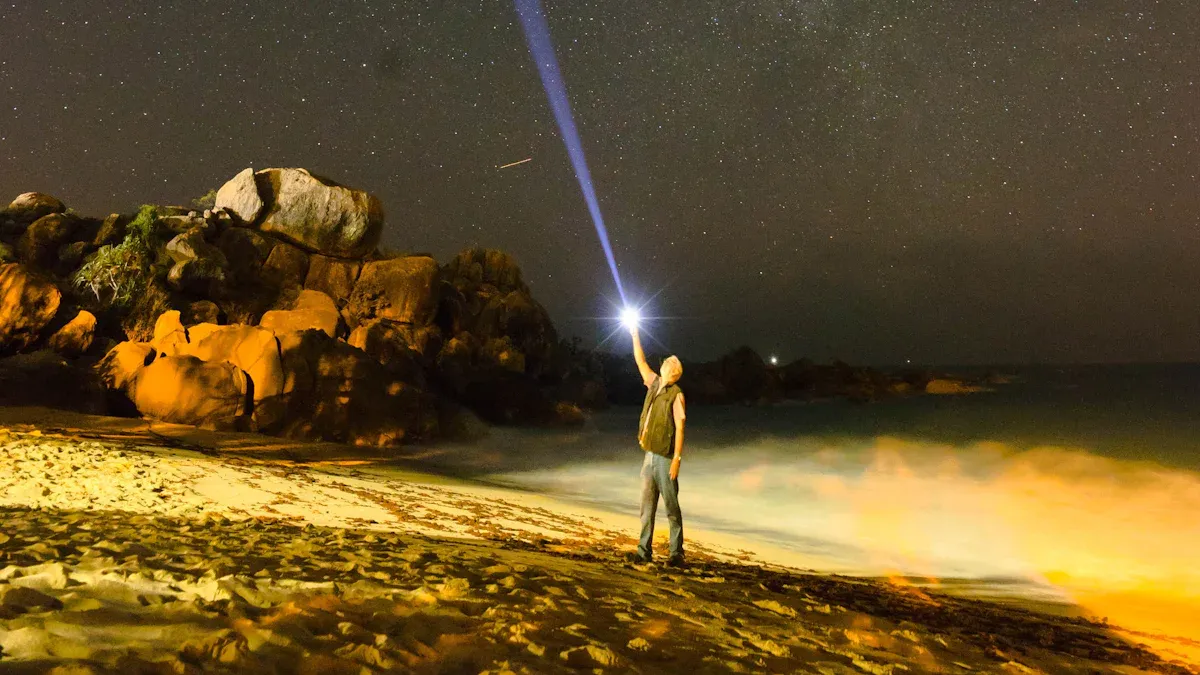
You should match LED wattage to your needs for optimal flashlight performance. Choose 0.1W–1W for keychain lights, 1W–10W for EDC or general tasks, and 20W–60W for camping, tactical, or professional use. The helius flashlight lineup demonstrates that selecting the right wattage ensures both brightness and efficiency. Consider the following when making your choice:
Aspect | Details |
|---|---|
Efficiency Requirement | By 2028, general service lamps must reach 120 lumens per watt. |
Energy Consumption Reduction | LEDs use 75% less electricity than incandescents for the same light output. |
Lifespan of LEDs | LEDs last 25 times longer than traditional bulbs. |
Key Takeaways
Match LED wattage to your specific needs for optimal flashlight performance. Use 0.1W–1W for keychain lights, 1W–10W for everyday tasks, and 20W–60W for outdoor or professional use.
Focus on lumens, not just wattage, when selecting a flashlight. Higher lumens indicate brighter light, while wattage shows energy use.
Choose flashlights with high luminous efficacy to save battery life. Modern LEDs provide more brightness with less power consumption.
Consider additional features like battery burn time and durability. Robust housing and multiple light modes enhance usability and performance.
Always assess your primary use case before selecting a flashlight. This ensures you maximize performance and battery life.
LED Wattage In Flashlights
What Is LED Wattage
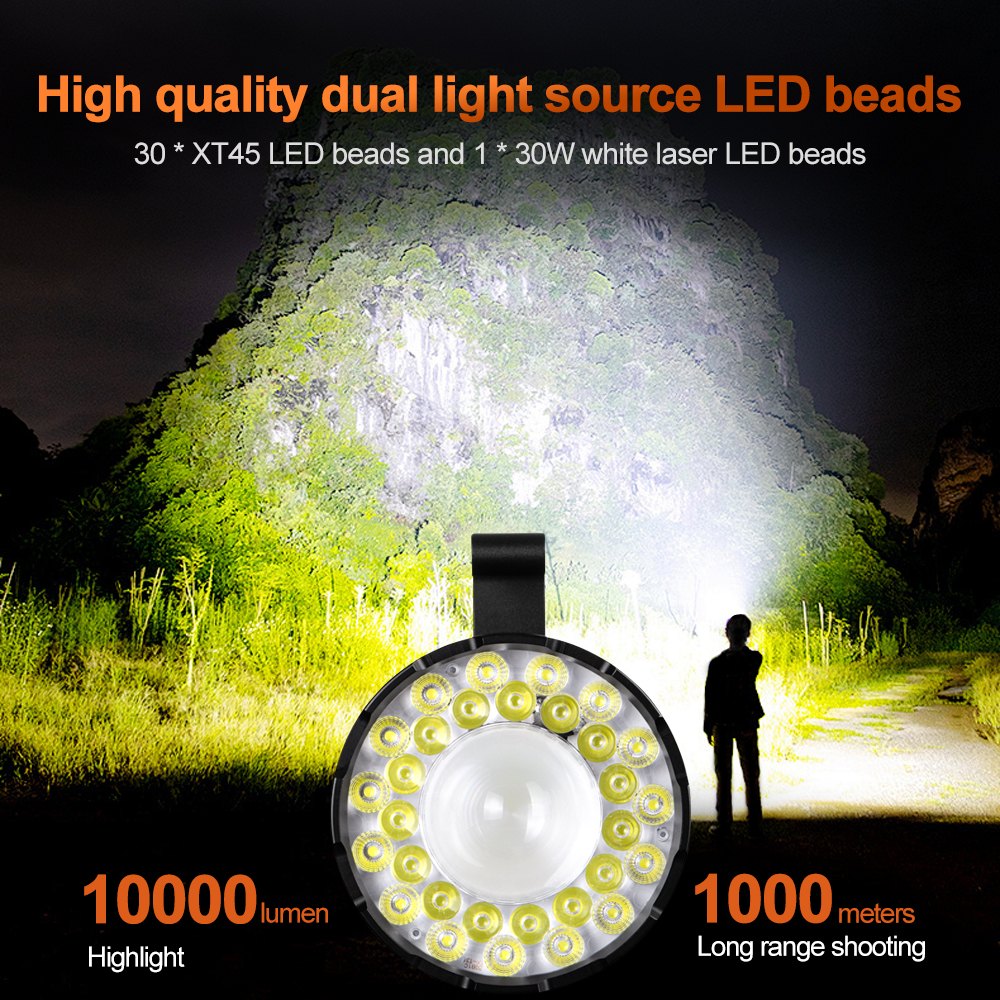
You encounter wattage as a key specification when selecting a flashlight. Wattage measures the electrical power that the LED consumes. Higher wattage often means more energy use, but it does not always guarantee brighter light. Modern LED technology has changed how you interpret wattage. Manufacturers now design LEDs to deliver more light with less power. This shift allows you to choose flashlights that last longer and perform better.
Industry trends show rapid growth in LED flashlight technology. The market expects a compound annual growth rate of 6.7% from 2025 to 2033. You benefit from advancements that increase both brightness and durability. These improvements reflect a move toward energy-efficient lighting solutions. You can now find flashlights that use less power but still provide strong illumination.
Wattage vs. Lumens
You may wonder how wattage relates to lumens. Lumens measure the total amount of visible light that an LED emits. In the past, higher wattage meant more lumens. Today, this is no longer true. Modern LEDs produce more lumens per watt, making them much more efficient.
Tip: Focus on lumens for brightness, not just wattage.
Here is a table that shows how luminous efficacy has improved in LED technology:
Luminous Efficacy (lm/W) | Description |
|---|---|
150-300 | Range for modern LEDs |
5 | White LEDs in 1996 |
260-300 | Theoretical limit for white LEDs |
270-330 | Rule of thumb for emitted light based on CRI |
20-50% | Typical conversion efficiencies for LED lamps |
Advancements in LED design allow you to get brighter light without increasing wattage. You no longer need to choose higher wattage for more brightness. Instead, look for flashlights with high luminous efficacy. This approach helps you save battery life and reduce energy consumption.
Modern flashlights deliver more lumens per watt.
You get brighter light with lower power use.
Efficiency matters more than raw wattage.
You make better choices when you understand the difference between wattage and lumens. Select flashlights based on your lighting needs and the efficiency of the LED.
Wattage Ranges And Uses
0.1W–1W: Minimal Lighting
You find 0.1W–1W LEDs in flashlights designed for minimal lighting tasks. These models work well as indicator lights, keychain flashlights, or backup emergency sources. You benefit from their low power consumption and extended battery life. Advancements in LED technology have increased the lumen output for these small devices.
A 1W LED package produces between 15 to 130 lumens.
You can use these flashlights for reading maps, finding keys, or signaling in low-light conditions.
You experience reliable performance without draining your battery quickly.
If you need a lightweight flashlight for everyday carry, this wattage range gives you enough brightness for close-up tasks. You avoid excessive glare and preserve your night vision.
1W–10W: Everyday And Task Use
You rely on 1W–10W LEDs for everyday carry (EDC) and general task lighting. This range covers most household, work, and outdoor activities. You get a balance between brightness and battery efficiency. Flashlights in this category suit hiking, camping, and basic repairs.
You see lumen outputs that support reading, walking at night, or illuminating small rooms.
You choose these flashlights for their versatility and portability.
You find models with adjustable brightness settings, allowing you to tailor the light to your needs.
The helius flashlight lineup offers several options in this wattage range. You can select a model that matches your preferred brightness and runtime. You benefit from efficient LED technology that maximizes output while minimizing energy use.
20W–60W: High-Intensity And Outdoor
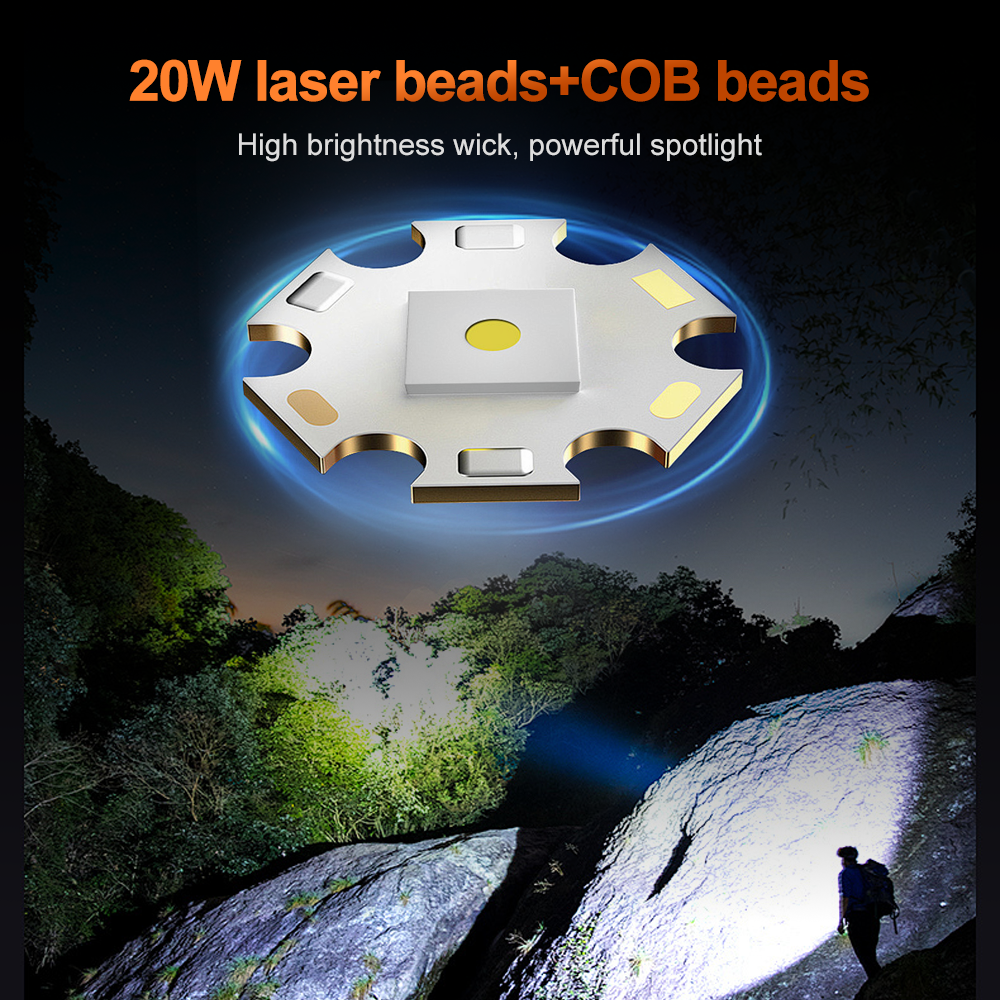
You turn to 20W–60W LEDs when you need high-intensity lighting for outdoor or professional use. These flashlights deliver powerful beams suitable for camping, search and rescue, tactical operations, and industrial environments. You get wide coverage and long-range illumination.
You use these flashlights for exploring caves, patrolling large areas, or emergency response.
You experience high lumen outputs that cut through darkness and adverse weather.
You rely on robust construction and advanced features, such as waterproofing and impact resistance.
Rechargeable models, like the helius flashlight DV06 P70, offer higher brightness levels and longer burn times. You benefit from lithium-ion batteries that maintain consistent output during extended use. You can compare the helius flashlight to competitors and see advantages in intensity and reliability.
Model | Price | Lumens | Waterproof Rating | Features |
|---|---|---|---|---|
Helius DV06 P70 | N/A | 4000 | N/A | Rechargeable, high intensity LED |
Willcrew DX150 | $129.99 | 15000 | IPX-8 | 4 light modes, rechargeable, 320m range |
ORCATORCH D710 | $159.95 | 3000 | IP68 | 4 brightness levels, battery indicator |
You see that the helius flashlight provides competitive performance, especially for demanding outdoor scenarios.
helius flashlight Wattage Guide
You can use the helius flashlight wattage guide to match models to your specific needs. The product line covers a wide range of applications, from casual camping to professional search-and-rescue operations.
Model | Wattage | Recommended Applications |
|---|---|---|
Base Model | 1000W | Casual camping, home emergency kits |
Advanced Model | 1000W | Professional needs like search-and-rescue teams |
Pro Model | 1000W | Military or industrial use, triple light range |
You find the helius flashlight Super Powerful Long Range LED Flashlight ideal for outdoor exploration and emergency response. You can choose the BETA XO Flashlight for high lumen output, which suits outdoor enthusiasts and emergency responders. The helius flashlight product line demonstrates how you can select the right wattage for your application, ensuring both brightness and efficiency.
Tip: Always consider your primary use case before selecting a helius flashlight model. You maximize performance and battery life by matching wattage to your needs.
You see that the helius flashlight offers solutions for every scenario, from minimal lighting to high-intensity professional use. You can trust the brand to deliver reliable performance across all wattage ranges.
Choosing LED Wattage
Assessing Your Needs
You must start by identifying your primary use for the flashlight. Consider the size of the area you want to illuminate and the coverage required. If you need a flashlight for a large outdoor space or high mounting height, select a higher wattage to achieve adequate light distribution. For smaller areas or close-up tasks, lower wattages often suffice. LED flashlights offer greater efficiency than older bulb types, so you get more light with less power. You save energy and money by choosing the right wattage for your scenario.
Determine the area size and coverage.
Consider mounting height for optimal distribution.
Match wattage to your specific lighting needs.
Choose efficiency to reduce energy consumption.
User scenarios play a major role in your decision. Professional users often require higher wattage for maximum brightness, while casual users may prioritize battery life and portability.
Balancing Brightness And Battery Life
You need to balance brightness with battery life. Higher wattage delivers more lumens, but it can drain batteries faster. Manufacturers now use smart adaptive lighting and hybrid power technologies to optimize battery performance in high-wattage models.
Hybrid Power Technology | Description |
|---|---|
Hybrid Single-Core Power | Switches between rechargeable and dry cell batteries to extend light hours. |
Hybrid Dual-Core Power | Lets you manually select between battery types for flexibility. |
Hybrid AC/DC Power | Provides high-lumen output using DC when AC is unavailable, ideal for remote operations. |
Tip: Look for flashlights with adjustable brightness modes. You can tailor output to your needs and extend battery life.
Other Factors
You should also consider additional features that impact performance and durability. Battery burn time is crucial if you use your flashlight frequently. Durable housing protects against drops and harsh environments. Extra light modes, such as strobe or dim settings, improve usability. Environmental temperature affects LED efficiency; cooler conditions help maintain brightness and extend lifespan.
Check battery burn time for frequent use.
Select robust housing for demanding conditions.
Explore models with multiple light modes.
Remember that cooler environments boost LED performance.
Consumers often focus on lumens for brightness, but advancements in LED technology allow you to achieve high output at lower wattages. Always match wattage to your application and prioritize efficiency for the best results.
You can select the best flashlight by matching LED wattage to your specific needs. Focus on lumens for brightness, not just wattage. Consider efficiency, battery life, and durability for reliable performance.
Lumens indicate brightness; higher lumens mean more light.
Watts show energy use; higher wattage does not always mean brighter light.
Balance brightness, battery life, and efficiency for your application.
Remember: Comparing flashlights using standardized specifications helps you make informed decisions and avoid common mistakes.
FAQ
What does LED wattage mean for flashlight performance?
LED wattage shows how much electrical power your flashlight uses. Higher wattage can mean more light, but efficiency matters. Modern LEDs give you more brightness with less energy.
How do I choose the right wattage for my needs?
You should match wattage to your main use. For keychain or backup lights, pick 0.1W–1W. Everyday tasks need 1W–10W. Outdoor or professional use requires 20W–60W.
Tip: Always check lumens for brightness, not just wattage.
Does higher wattage always mean a brighter flashlight?
No. You get more brightness from higher lumens, not just higher wattage. Efficient LEDs produce more light with less power. Focus on lumens for the best results.
What affects battery life in LED flashlights?
Battery life depends on wattage, battery type, and brightness settings. Lower wattage and adjustable modes help you extend runtime. Rechargeable batteries often last longer.
Factor | Impact on Battery Life |
|---|---|
Wattage | Higher wattage drains faster |
Battery Type | Rechargeable lasts longer |
Brightness Mode | Lower mode saves power |
See Also
Understanding Lumens: How to Select the Perfect Flashlight
Comprehensive Wholesale Flashlight Guide: Brightness and Durability Insights
Selecting Ideal LED Flashlights for Your Bulk Buying Needs
Exploring Flashlight Manufacturing Techniques and LED Innovations
Essential Wholesale Flashlight Buying Tips: Batteries and Brightness