How LED Wattage Impacts Brightness, Runtime, and Heat: What Importers Must Know

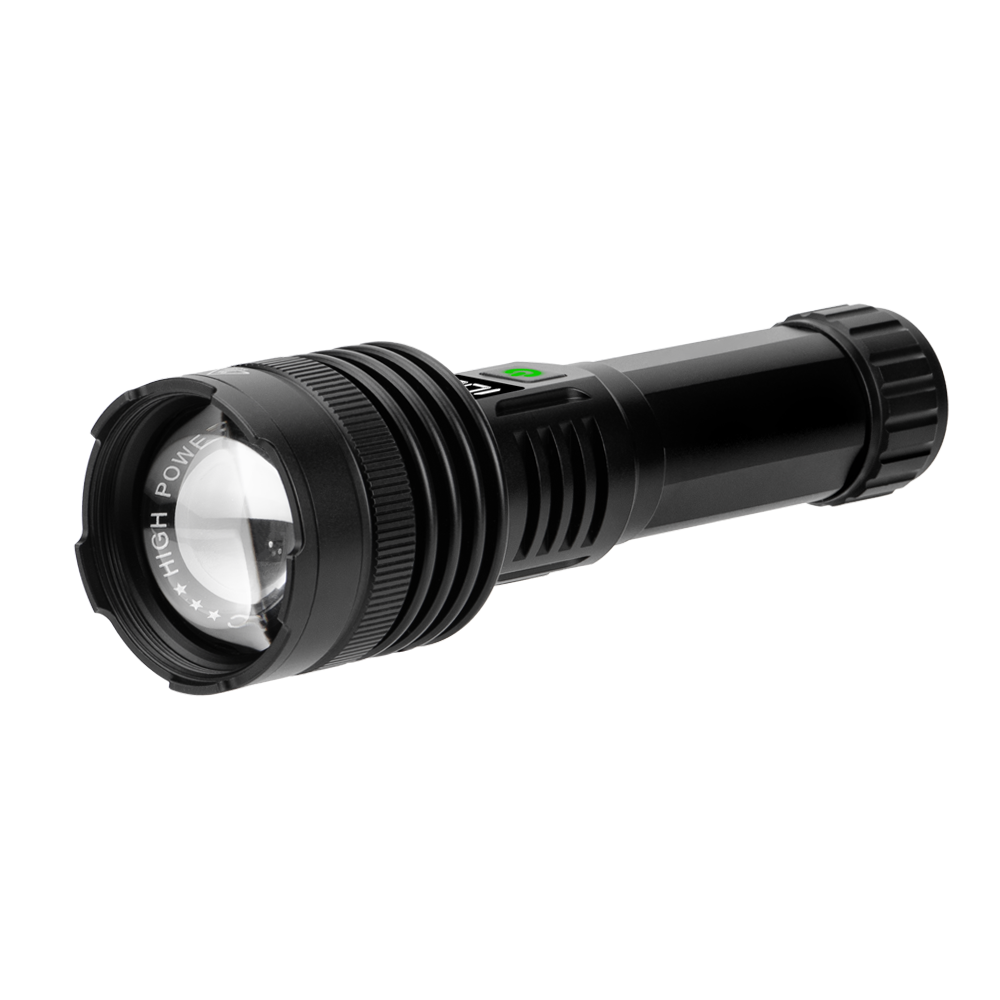
You face critical decisions when selecting a helius flashlight. Led wattage determines how bright your flashlight shines, how long it runs, and how much heat it generates. Circuit design also matters. For example, regulated LED lights show a time-delayed drop-off in output, while direct-drive circuits rely on battery resistance.
Circuit Type | Behavior Description |
|---|---|
Simple Incandescent | Rapid drop-off, then slow stabilization at low outputs. |
Direct-Drive | Battery resistance controls decay rate. |
Perfectly Flat-Regulated | Rare, maintains consistent output. |
Regulated LED Lights | Output drops after a delay. |
Partially Regulated | Various output patterns, affecting runtime. |
Key Takeaways
Higher LED wattage means brighter light but can drain the battery faster. Always check both lumens and runtime to find the right balance.
Modern LEDs are much more efficient, providing more brightness with less power. This leads to longer battery life and less heat generation.
Proper heat management is crucial for flashlight performance. Ensure your flashlight has good heat dissipation features to avoid damage and maintain brightness.
Led Wattage and Brightness in Flashlights
Wattage’s Effect on Brightness
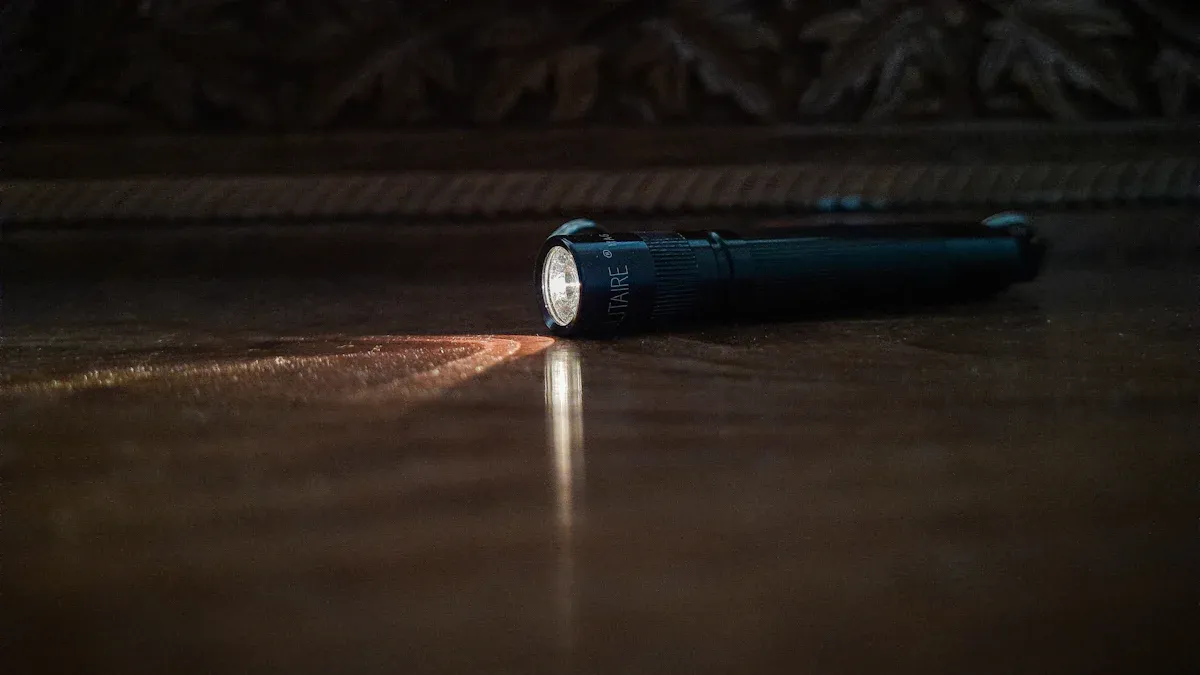
You must understand how wattage directly influences the brightness of a flashlight. When you increase led wattage, the flashlight produces more lumens, resulting in more powerful illumination. This relationship means that higher wattage delivers greater output, but it also demands more power from the battery and generates more heat. If you select a helius flashlight with high wattage, you will notice intense brightness and strong beam distance. However, this choice impacts energy use and can shorten runtime.
Manufacturers measure brightness using lumens, which indicate the total light output. The more lumens a flashlight emits, the brighter it appears. You should pay attention to wattage specifications because they determine how much electrical power the led consumes to produce light. For example, a flashlight with higher wattage will shine brighter, but it will also drain the battery faster and may require better heat management.
Tip: Always compare the lumens rating and wattage when evaluating flashlight specifications. This helps you balance powerful illumination with battery life and safety.
Testing and certification play a crucial role in verifying brightness claims. Manufacturers use integrating spheres to measure luminous flux at 30 seconds after activation. They also assess peak beam intensity, runtime, beam distance, water resistance, and impact resistance. These tests ensure that the flashlight meets international standards for output and reliability.
Requirement | Description |
|---|---|
Light Output | Measured using an integrating sphere, reported at 30 seconds after activation |
Peak Beam Intensity | Measured at the center of the beam, expressed in candelas |
Runtime | Time until output drops to 10% of peak value |
Beam Distance | Distance where illuminance equals 0.25 lux |
Water Resistance | Rated using the IP system (IPX4, IPX7, IPX8) |
Impact Resistance | Tested by dropping the flashlight from a height of at least 1 meter |
Efficiency of Modern LEDs
Modern leds have transformed the flashlight industry with advanced led technology. You benefit from higher lumens per watt, which means you get more brightness for less power. In the past, white leds produced only 5 lumens per watt. Today, modern leds achieve between 150 and 300 lumens per watt, approaching the theoretical limit of 260-300 lumens per watt.
Luminous Efficacy (lm/W) | Description |
|---|---|
150-300 | Range for modern LEDs |
5 | White LEDs in 1996 |
260-300 | Theoretical limit for white LEDs |
This leap in efficiency allows you to select a helius flashlight that delivers powerful illumination without excessive power consumption or heat. Modern leds consume 80-90% less electricity than incandescent bulbs. They provide higher brightness levels while using less power, which leads to reduced battery usage and a longer lifespan.
Light Source | Lumens per Watt |
|---|---|
Modern LEDs | Up to 312 |
Incandescent Bulbs | 14-17.5 |
LEDs consume 80-90% less electricity than incandescent bulbs.
They provide higher brightness levels while using less power.
This leads to reduced battery usage and a longer lifespan.
You should look for LM-79 and LM-80 test reports when certifying led flashlights. LM-79 assesses the electrical and photometric properties, while LM-80 tracks lumen maintenance over time. These standards confirm that the flashlight maintains its output and performance, meeting international quality requirements.
Certification from UL Solutions or Intertek establishes credibility for manufacturers. It assures you of product quality, performance, and safety. Regulatory authorities rely on these certifications to promote energy efficiency and compliance.
Modern leds excel in producing bright, focused light due to their advanced technology, which efficiently converts energy into visible light. Unlike incandescent bulbs that waste energy as heat, leds maximize energy use, resulting in both lower energy consumption and enhanced brightness. When you choose a helius flashlight with high led wattage and advanced led technology, you ensure powerful illumination, optimal output, and reliable performance for your market.
Led Wattage Impact on Runtime and Heat
Battery Life and Power Consumption
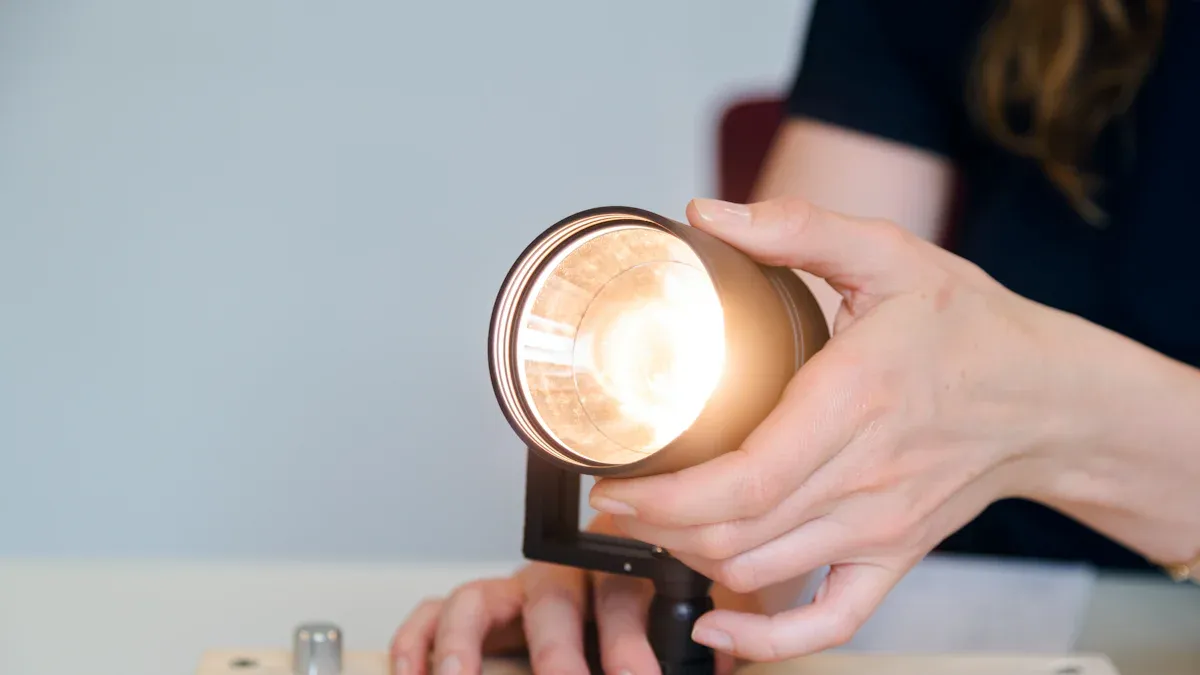
When you select a helius flashlight, you must consider how led wattage directly affects runtime and battery performance. Higher wattage means the flashlight draws more power from the battery, which leads to shorter runtime. If you want powerful illumination, you need to balance wattage with battery capacity and chemistry. Runtime becomes a critical factor for users who depend on their flashlight for extended periods.
Manufacturers design high-output leds to deliver over 3,000 lumens, but this level of brightness requires high-drain lithium-ion batteries, such as 21700 or 18650 cells. These batteries support discharge rates of 10 to 15 amps, which is necessary for maintaining high brightness. However, as wattage increases, the battery drains faster, and the output may drop off quickly if the battery cannot keep up.
Specification | Details |
|---|---|
LED Output | 3,000+ lumens |
Required Battery Type | High-drain Lithium-Ion (21700 or 18650 cells) |
Discharge Rate | 10 to 15 amps |
Runtime Characteristics | Runtime graphs show performance drop-off; professional lights maintain higher output longer. |
You should also consider the type of battery chemistry. Lithium-ion batteries offer energy density between 150 and 250 Wh/kg and a cycle life of 300 to 1,000 cycles, making them ideal for portable led systems. LiPo batteries provide even higher energy density but have a shorter cycle life. LiFePO4 batteries last longer but store less energy, which can limit runtime for high-wattage flashlights.
Battery Chemistry | Energy Density (Wh/kg) | Cycle Life (cycles) | Key Application |
|---|---|---|---|
Li-ion | 150-250 | 300-1000 | Portable LED systems |
LiPo | 300-400 | 300-500 | Slim LED panels |
LiFePO4 | 90-160 | 3000-7000 | Industrial LED lamps |
To estimate how long your flashlight will run, use these formulas:
Battery capacity (Ah) = (LED power (W) × Usage time (hours)) / Battery voltage (V)
Battery capacity (Ah) = Runtime (hours) × Current draw (A)
Selecting for optimal runtime means matching the wattage of your led to the right battery type and capacity. If you want long battery life and reliable runtime, choose a rechargeable battery with high energy density and ensure the battery can handle the power demands of high brightness.
Tip: Higher lumens mean brighter light, but also faster battery drain. Always check the specifications for both lumens and runtime to ensure the flashlight meets your needs.
Heat Generation and Safety
As you increase led wattage, heat generation becomes a major concern. High-output leds convert more electrical power into light, but some energy always turns into heat. If you do not manage this heat, it can damage the led, reduce efficiency, and shorten the lifespan of your flashlight.
Challenge | Description |
|---|---|
Improper Heat Dissipation | Heat sinks may be inadequate, leading to overheating. |
Excessive Usage | Continuous operation can raise internal temperatures beyond safe limits. |
Poor Installation | Incorrect setup can restrict airflow, causing heat buildup. |
Faulty Drivers | Malfunctioning drivers can supply excessive current, resulting in overheating. |
Environmental Conditions | High temperatures and poor ventilation in outdoor settings can make overheating worse. |
You must pay attention to thermal management. Engineers use heat sinks made from aluminum to dissipate heat more effectively than plastic. If the flashlight lacks proper heat dissipation, the junction temperature of the led rises. This can cause lumen loss, color shifts, and even permanent damage to the semiconductor materials. Efficient heat management ensures the flashlight maintains high brightness and output without risking safety.
Efficient heat dissipation is crucial; any thermal management bottleneck can increase junction temperature, leading to lumen loss and reduced efficacy.
Proper heat management is vital for led performance; failure to control heat can damage semiconductor materials, resulting in efficiency loss, decreased brightness, and color shifts.
Excessive heat can shorten the lifespan of led products, degrading materials and causing visibility issues.
Note: Never operate your flashlight with the lens off and the led exposed. This can cause personal injury or damage to heat-sensitive materials like plastics, rubber, or cloth. Always check your flashlight for overheating. Let it cool down if it feels hot. This protects both the led and the battery.
Balancing wattage, brightness, runtime, and heat is essential for safety and reliability. If you push wattage too high without proper heat management, you risk product failure and safety hazards. When you select a helius flashlight, look for advanced led technology, robust heat sinks, and clear specifications for lumens, wattage, and runtime. This approach ensures powerful illumination, energy efficiency, and a reliable runtime for your customers.
Choosing the Right Helius Flashlight for Your Market
Importer Considerations for Led Wattage
You must evaluate several factors when selecting the right led wattage for your helius flashlight lineup. Begin by identifying specific use cases, such as outdoor adventures, emergency kits, or professional work. Matching led wattage to application ensures you deliver the correct brightness and runtime for each scenario. Customer preferences play a major role. Many users want powerful illumination, but they also value long battery life and safety. You should measure brightness using lumens and review lumens per watt to compare models.
Factor | Explanation |
|---|---|
Specific Use Cases | Choose wattage based on intended use, such as camping or security. |
Customer Preferences | Consider desired brightness, durability, and runtime. |
Market Trends | Stay updated on advanced led technology and smart features. |
Regional market needs influence your choices. In some areas, consumers prefer basic flashlights under 800 lumens output for everyday use. Others demand high-lumen models for rugged terrain or security. You must work with suppliers to customize output and specifications, including adjustable brightness and rechargeable battery options.
LED technology dominance drives demand for energy-efficient models.
Rechargeable battery options appeal to eco-conscious buyers.
Smart features, such as app control, increase market competitiveness.
Meeting Market Needs and Safety Standards
You must balance wattage, brightness, runtime, and heat management to meet safety standards and customer expectations. Import regulations require compliance with ANSI/NEMA FL 1, RoHS, and WEEE standards. These ensure your helius flashlight delivers safe output and minimizes environmental impact.
Regulation | Description |
|---|---|
ANSI/NEMA FL 1 Standard | Ensures electrical safety and performance. |
RoHS | Restricts hazardous substances. |
WEEE | Mandates recycling and proper disposal. |
Consumers often prefer 3W leds for less heat and reliable runtime. Medium-wattage flashlights offer optimal brightness and long battery life, while high-wattage models suit professional needs. You must review battery specifications and output to select the best model for your market. Advanced led technology and proper wattage selection guarantee powerful illumination, safety, and customer satisfaction.
You must balance LED wattage to optimize brightness, runtime, and heat in helius flashlights. The ideal range of 5W to 15W delivers strong brightness and energy efficiency. Review the table below to compare wattage choices:
LED Wattage | Output (Lumens) | Efficiency | Battery Life | Heat Generation |
|---|---|---|---|---|
0.1W | Low | High | Long | Low |
1W | Moderate | Moderate | Moderate | Moderate |
5W | High | Low | Short | High |
Focus on energy efficiency, safety, and market needs when selecting products.
FAQ
What is the main benefit of led lighting in flashlights?
You get higher energy efficiency and longer battery life with led lighting. This technology produces more light with less power compared to traditional bulbs.
How does led wattage affect led lighting performance?
Higher wattage in led lighting increases brightness. You must balance wattage with battery capacity to avoid reduced runtime and excess heat in your led flashlight.
Why should importers focus on led lighting safety standards?
You ensure product reliability and customer safety by choosing led lighting that meets international standards. Certified led lighting also helps you comply with regulations in different markets.
See Also
A Complete Guide to Finding LED Headlamp Distributors
Essential Insights on Wholesale Flashlights: Lumens and Durability
Understanding US Market Trends for LED Lighting and Flashlights
Selecting the Best Wholesale Supplier for Headlamps and Flashlights