How Healthcare Facilities Use Flashlights for Emergency Preparedness

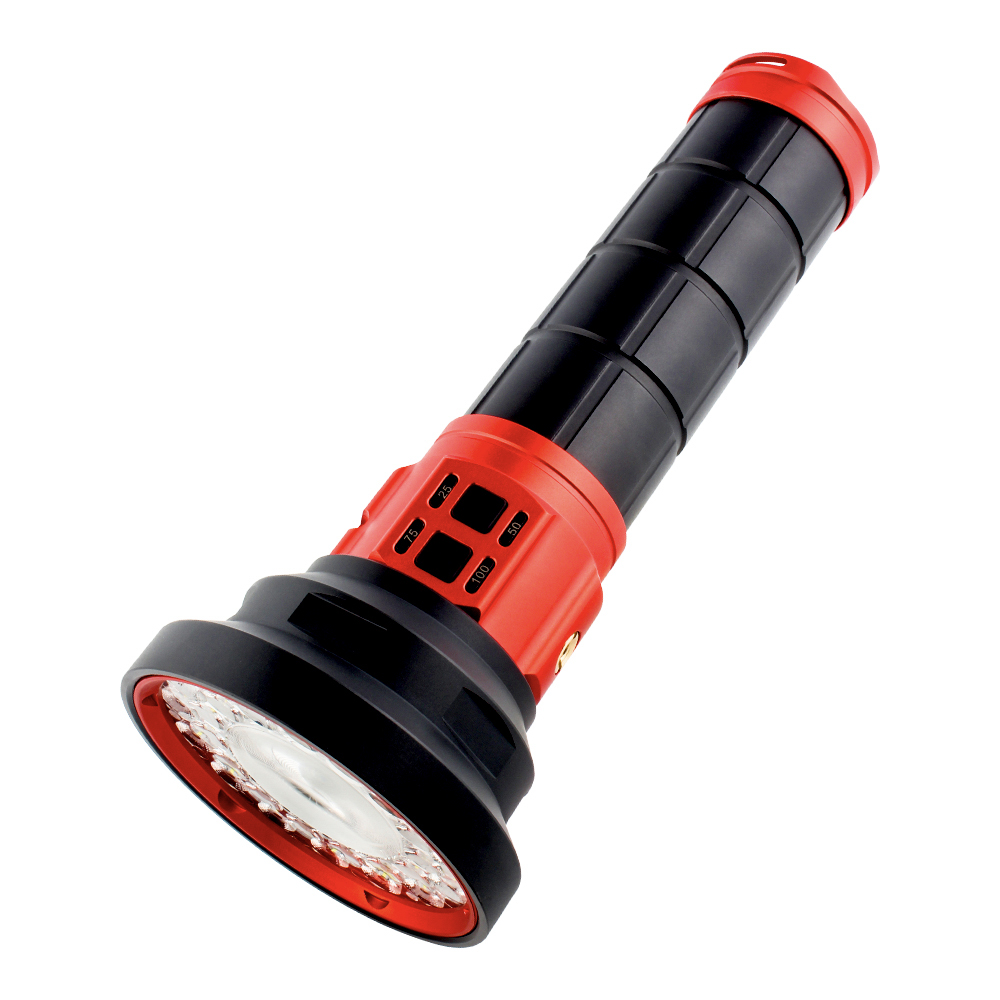
In healthcare facilities, flashlights serve as a reliable source of light during emergencies. You can find them throughout hospitals, often in the form of inexpensive plastic models. These tools ensure staff can perform critical tasks when power outages occur. Their affordability reduces theft risks and allows for quick replacement if damaged. The life-saving power of flashlights becomes evident when they illuminate paths for evacuations or assist in medical procedures. Understanding how healthcare facilities use flashlights for emergency preparedness highlights their role in maintaining safety and operational continuity.
Key Takeaways
Flashlights are important for keeping patients safe during blackouts. They help workers check on patients and use medical tools, lowering mistakes.
Headlamps let healthcare workers have light without using their hands. This makes work faster and more accurate while keeping patients comfortable.
Testing and fixing flashlights often is very important. Add flashlight checks to your emergency plans to make sure they work when needed.
Keep flashlights in places that are easy to find. This helps workers grab them quickly during emergencies, improving response time and work efficiency.
Buying better flashlights, like rechargeable or solar ones, helps the environment and makes them more reliable in emergencies.
Importance of Flashlights in Emergencies

Ensuring Patient Safety During Power Outages
Power outages in healthcare facilities can jeopardize patient safety, especially for those relying on electricity-dependent medical equipment. Flashlights play a critical role in mitigating these risks. They provide immediate illumination, ensuring that staff can monitor patients and operate essential devices. For example, durable medical equipment like ventilators and infusion pumps require constant oversight during outages. Flashlights help you maintain visibility, reducing the chances of errors or delays in care.
Healthcare planners often emphasize best practices to prepare for such scenarios. These include ensuring backup power systems are functional and equipping staff with reliable flashlights. The following table highlights the primary risks to patient safety during power outages:
Category | Risks |
|---|---|
Hospital | Disruption of critical medical equipment and patient monitoring systems. |
Healthcare | Delayed treatments and increased risk of medical errors. |
Community | Limited access to emergency services and resources. |
Public Health | Strain on infrastructure and reduced capacity to handle emergencies. |
Supporting Medical Procedures in Low-Light Conditions
Flashlights are indispensable during medical procedures in low-light conditions. They enhance accuracy and safety by providing focused illumination. For instance, a flashlight or headlamp allows you to assess injuries and perform tasks like wound cleaning or suturing. Advanced LED technology has further improved flashlight performance, offering higher brightness levels and longer run times. These advancements ensure that you can flood an area with light, making it easier to secure the scene and focus on the task at hand.
Using a headlamp can be particularly beneficial. It frees your hands, enabling you to work efficiently without compromising visibility. Directing the beam appropriately ensures that you illuminate the injured area without causing discomfort to the patient.
Assisting Evacuation and Emergency Response Teams
Evacuations during emergencies, such as a natural disaster, require careful planning and execution. Flashlights serve as vital signaling tools, guiding response teams and ensuring effective communication. They help you navigate dark corridors and identify hazards, such as debris or sharp objects.
Evacuating bedridden patients or those on life-support systems presents unique challenges. Flashlights assist in prioritizing patient safety by illuminating paths and highlighting obstacles. Immediate threats, like fires, demand quick action. Flashlights enable you to coordinate with other teams and make informed decisions under pressure.
In addition to lighting the way, flashlights support communication by signaling for help or directing rescue efforts. Their role in emergency preparedness cannot be overstated, as they enhance both safety and efficiency during critical moments.
Types of Flashlights for Healthcare Emergency Preparedness
Handheld Flashlights
Handheld flashlights are among the most common tools in healthcare facilities. Their portability and ease of use make them ideal for quick access during emergencies. You can find these flashlights at nurse stations, often paired with extra batteries to ensure readiness. Many hospitals opt for inexpensive plastic models, which are cost-effective and less likely to be stolen. These flashlights are perfect for general use, such as navigating dark hallways or checking on patients during power outages.
For critical areas, more robust options like the Streamlight LightBox are recommended. These models provide higher brightness and longer battery life, ensuring reliable performance in high-stakes situations. Hazardous location lights are another excellent choice, especially in environments where oxygen and sensitive medical supplies are present. These lights reduce the risk of sparks, enhancing safety for both patients and staff.
Headlamps for Hands-Free Use
Headlamps offer a practical solution when you need both hands free for tasks. They are particularly useful during medical procedures or patient evacuations. By wearing a headlamp, you can focus on your work without worrying about holding a flashlight. This hands-free design improves efficiency and reduces the risk of errors.
Modern headlamps feature adjustable beams, allowing you to direct light precisely where it is needed. This is especially helpful when working in confined spaces or low-light conditions. Whether you are suturing a wound or navigating a crowded emergency room, a headlamp ensures you have clear visibility at all times.
Rechargeable and Solar-Powered Flashlights
Rechargeable and solar-powered flashlights are gaining popularity in healthcare settings due to their sustainability and reliability. These flashlights eliminate the need for disposable batteries, reducing waste and long-term costs. Solar-powered models, in particular, provide a clean energy solution that is both efficient and environmentally friendly.
In regions with frequent blackouts, solar-powered flashlights can be lifesaving. They ensure reliable lighting for critical tasks like sterilizing medical supplies, controlling infections, and conducting nighttime procedures. This reliability directly impacts the quality of care you can provide, especially in facilities with limited access to electricity. By investing in these advanced models, healthcare facilities can enhance their emergency preparedness while promoting sustainability.
Flashlight Maintenance and Preparedness Protocols
Regular Testing and Battery Checks
Regular testing ensures flashlights remain functional during emergencies. You should include flashlight checks as part of your emergency preparedness routine. Testing batteries and ensuring proper operation prevents failures when you need them most. Healthcare facilities often follow specific protocols for maintaining emergency equipment.
Protocol | Frequency |
|---|---|
Emergency generator engine test | Weekly |
Emergency generator load test | 1-2 times a year |
Emergency flashlight inventory check | Annually or less |
Emergency power system testing | Monthly under simulated load |
Incorporating these checks into your emergency preparedness kit ensures flashlights and other supplies are always ready. Replace batteries regularly and keep spares in your emergency kit to avoid disruptions.
Training Staff on Proper Usage
Training staff on flashlight use enhances emergency response protocols. You should teach them how to operate different flashlight types, such as handheld models or headlamps. This training ensures they can respond quickly and efficiently during emergencies.
Simulated drills provide an excellent opportunity to practice flashlight use. These exercises help staff familiarize themselves with emergency preparedness procedures. For example, they can learn to use flashlights to navigate dark hallways or assist in patient evacuations. Proper training reduces errors and improves outcomes during critical situations.
Storing Flashlights in Accessible Locations
Strategic storage of flashlights is essential for emergency preparedness. You should place them in central, easily accessible locations. This ensures quick access during emergencies.
Consideration | Details |
|---|---|
Accessibility | Place flashlights in strategic central positions for easy access during emergencies. |
Battery Longevity | Use CR123 batteries which last up to 10 years, ensuring long-term usability of flashlights. |
Safety Features | Opt for hazardous location lights to ensure safety around oxygen and medical equipment. |
Including flashlights in your emergency kit ensures they are always within reach. Pair them with other supplies, such as first aid items, to create a comprehensive emergency preparedness kit. Proper storage and organization save valuable time during emergencies.
Life-Saving Power of Flashlights in Emergency Preparedness

Enhancing Operational Efficiency
Flashlights play a crucial role in maintaining operational efficiency during emergencies. When power outages or a natural disaster disrupts normal operations, you can rely on flashlights to ensure uninterrupted workflows. For instance, they help staff locate critical supplies in dark storage areas or navigate hallways safely. This immediate access to light minimizes delays and keeps essential tasks on track.
In addition, flashlights improve communication among emergency response teams. A well-lit environment allows you to signal for assistance, coordinate rescue efforts, and direct others to safety. This level of preparedness ensures that healthcare facilities can continue safeguarding patient care, even under challenging circumstances.
Reducing Risks and Improving Outcomes
Using flashlights during emergencies significantly reduces risks for patients and staff. They illuminate potential hazards, such as debris or wet floors, preventing accidents. In high-pressure situations, like evacuations, flashlights help you identify obstacles and guide patients to safety.
Proper lighting also enhances the accuracy of medical procedures. Whether you’re administering medication or performing a life-saving intervention, a flashlight ensures you can see clearly. This reduces the likelihood of errors and improves outcomes for patients. By including flashlights in your emergency kit, you create a safer environment for everyone involved.
Supporting Emotional Well-Being of Patients and Staff
Emergencies can be stressful for both patients and staff. A flashlight provides more than just light—it offers reassurance. For patients, a well-lit room can reduce anxiety and create a sense of security. For staff, reliable lighting fosters confidence, enabling them to focus on their tasks without distraction.
Flashlights also support effective communication during emergencies. You can use them to signal for help or guide others through chaotic situations. This clear communication helps maintain order and reduces panic, contributing to the emotional well-being of everyone in the facility.
Tip: Always store flashlights in accessible locations and include them in your emergency preparedness plan. This ensures they’re ready when you need them most.
Flashlights are essential for emergency preparedness in healthcare facilities. They ensure safety, operational efficiency, and continuity of care during critical moments. To maximize their effectiveness, you should focus on regular maintenance, staff training, and strategic placement. These steps ensure flashlights are always ready when needed.
Challenges like reliance on portable equipment and maintenance concerns can affect availability. Smaller facilities may also face high costs for advanced models. Addressing these issues strengthens your emergency response and improves outcomes.
Investing in advanced flashlight technology enhances emergency readiness. Reliable lighting supports communication, ensures access to supplies, and improves patient care. Including flashlights in your emergency kit ensures you are prepared for any situation.
Note: Prioritize accessible storage and regular checks to maintain flashlight reliability.
FAQ
What types of flashlights are best for healthcare facilities?
Healthcare facilities benefit most from rechargeable, solar-powered, and headlamp flashlights. These options provide reliability, sustainability, and hands-free use. Rechargeable models reduce waste, while headlamps improve efficiency during tasks. Choose durable designs for long-term use.
How do flashlights improve emergency communication?
Flashlights enhance communication by signaling for help and guiding teams through emergencies. They allow you to direct others, highlight hazards, and maintain order. This ensures clear coordination during critical moments.
How often should you test flashlights in healthcare settings?
You should test flashlights monthly to ensure functionality. Include battery checks and operational tests in your emergency preparedness routine. Regular testing prevents failures during emergencies.
Where should flashlights be stored in healthcare facilities?
Store flashlights in central, easily accessible locations. Place them near nurse stations, emergency exits, and patient care areas. This ensures quick access during emergencies and improves response times.
Why are flashlights essential for patient safety?
Flashlights ensure visibility during power outages, supporting patient monitoring and medical procedures. They reduce risks by illuminating hazards and guiding evacuations. Reliable lighting improves outcomes and fosters a sense of security for patients and staff.
See Also
Diverse Situations Where Flashlights Can Be Effectively Used
Enhancing Brand Visibility with Personalized Flashlights for Marketing
Examining Market Trends for Various Flashlight Types and Demands
Understanding How 365nm UV Flashlights Benefit Multiple Uses