How Flashlights Can Improve Safety in the Workplace During Emergency Evacuations

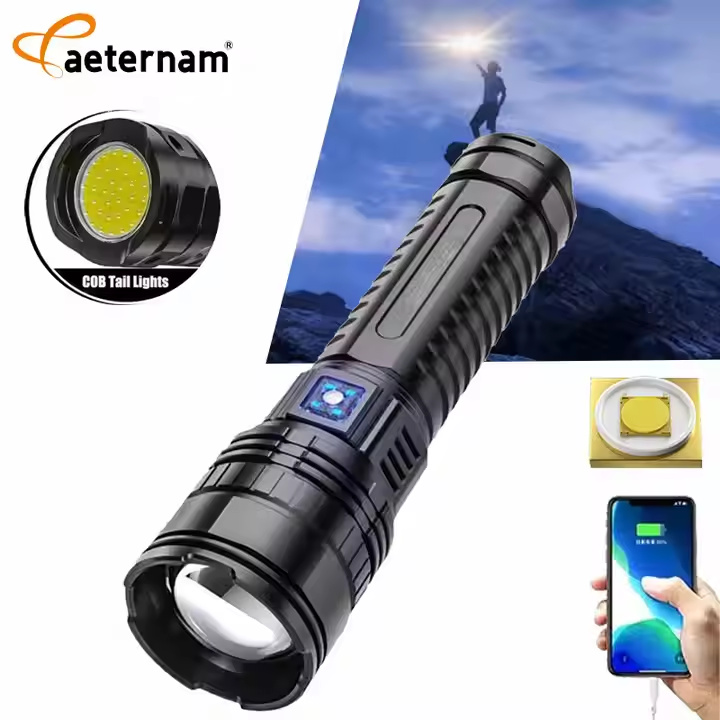
Emergencies in the workplace often lead to power outages or low visibility, making navigation difficult and dangerous. This is where understanding how flashlights can improve safety in the workplace during emergency evacuations becomes crucial. Flashlights become essential tools in these situations as they illuminate dark areas, helping you avoid hazards like broken glass or slippery floors. With a flashlight, you can locate emergency survival items and safely guide others to evacuation routes. In distress situations, flashlights also serve as a signaling tool to call for help. By reducing risks and improving visibility, flashlights play a vital role in ensuring safety during workplace evacuations.
Key Takeaways
Flashlights help you see better in emergencies. They guide you through dark places and keep you safe from dangers like broken glass or wet floors.
Keep flashlights in important spots, like near doors or emergency kits. This makes them easy to grab during blackouts or evacuations.
Check flashlights often to make sure they work well. Look at the batteries and test the light brightness.
Teach workers how to use flashlights. This helps them feel ready and act faster in emergencies. Show them how to use different types.
Use flashlights in practice drills to get your team ready for real emergencies. This improves safety and helps evacuations go smoothly.
The Role of Flashlights in Workplace Emergency Safety
Enhancing Visibility in Low-Light or Dark Conditions
During emergencies, power outages or smoke-filled environments can make it difficult to see. Flashlights provide immediate illumination, helping you navigate safely and avoid hazards. They light up dangerous areas, allowing you to steer clear of broken glass, slippery floors, or other obstacles. In chaotic situations, a flashlight becomes an essential tool for searching efficiently. Whether you need to locate missing coworkers or retrieve critical items, the beam of light ensures you can act quickly and effectively. Flashlights also create a sense of security by lighting up your surroundings, which helps reduce fear and confusion.
In workplaces like refineries or construction sites, flashlights are indispensable. They illuminate accident scenes, assist in repairs under low-light conditions, and ensure safety in hazardous environments. By improving visibility, flashlights play a vital role in protecting you and your colleagues during emergencies.
Guiding Employees to Safe Evacuation Routes
Flashlights are crucial for guiding employees to safety during evacuations. They light up dark hallways, stairwells, or outdoor paths, helping you find the safest route. By illuminating obstacles, flashlights prevent accidents and ensure a smoother evacuation process. In addition, the steady beam of light reduces panic, creating a sense of calm and control among employees.
For example, in a workplace fire, flashlights can guide you through smoke-filled areas to the nearest exit. Similarly, in hazardous environments, they help you avoid dangerous equipment or debris. Flashlights not only show the way but also provide reassurance, making evacuations more organized and efficient.
Reducing Panic and Supporting Clear Decision-Making
Emergencies often lead to panic, which can cloud judgment and slow down response times. Flashlights help reduce this panic by providing a reliable source of light. When your surroundings are illuminated, you feel more secure and in control. This sense of control allows you to assess the situation clearly and make informed decisions.
For instance, if you find yourself in a dark or hazardous area, a flashlight helps you identify potential risks and navigate safely. It also enables you to assist others, ensuring everyone remains calm and focused. By reducing fear and supporting clear thinking, flashlights become an essential tool for maintaining safety during workplace emergencies.
Assisting Emergency Response Teams in Rescue Operations
Emergency response teams rely heavily on flashlights during rescue operations. These tools provide essential visibility in dark or hazardous environments, enabling responders to navigate challenging terrain and locate individuals in need. Whether searching through collapsed structures or smoke-filled areas, flashlights ensure that responders can work efficiently and safely.
Flashlights offer several critical benefits during rescue missions:
Illuminate dark areas, making it easier to assess environmental dangers.
Help locate missing individuals and supplies in chaotic situations.
Provide long-lasting battery life for extended search-and-rescue efforts.
Feature durable designs that withstand harsh weather and rough handling.
Include signaling functions, such as SOS modes, to attract attention over long distances.
Lightweight and portable flashlights also allow emergency teams to adapt quickly as situations change. For example, compact models like the Imalent MS03, with its 13,000-lumen output and 324-meter beam distance, are ideal for versatile use. High-powered options, such as the Imalent MS18 (100,000 lumens), excel in large-scale operations, offering waterproof capabilities and robust performance. Other models, like the Imalent MR90, combine spotlight and floodlight features, making them perfect for emergencies requiring both wide-area illumination and focused beams.
By equipping emergency response teams with reliable flashlights, you enhance their ability to perform rescues effectively. These tools not only improve visibility but also support quick decision-making and efficient injury assessments. In critical moments, the right flashlight can make all the difference in saving lives.
Choosing the Right Flashlights for Workplace Emergencies
Hands-Free Options for Convenience (e.g., Headlamps)
Headlamps offer a practical solution for emergencies where you need both hands free. These devices provide reliable lighting while allowing you to focus on tasks like opening doors, carrying equipment, or assisting others. Adjustable straps ensure a comfortable fit, and the even weight distribution prevents strain during extended use. In industrial settings, headlamps prove invaluable. They allow you to maneuver around obstacles or confined spaces without holding a flashlight.
However, headlamps have limitations. They typically produce less brightness than traditional flashlights, which may not be sufficient for large areas. Smaller batteries also mean shorter usage times before recharging. Extended use can cause discomfort, and their capabilities may not match other hands-free options. Despite these drawbacks, headlamps remain a versatile choice for workplace emergencies.
High-Lumen Flashlights for Maximum Illumination
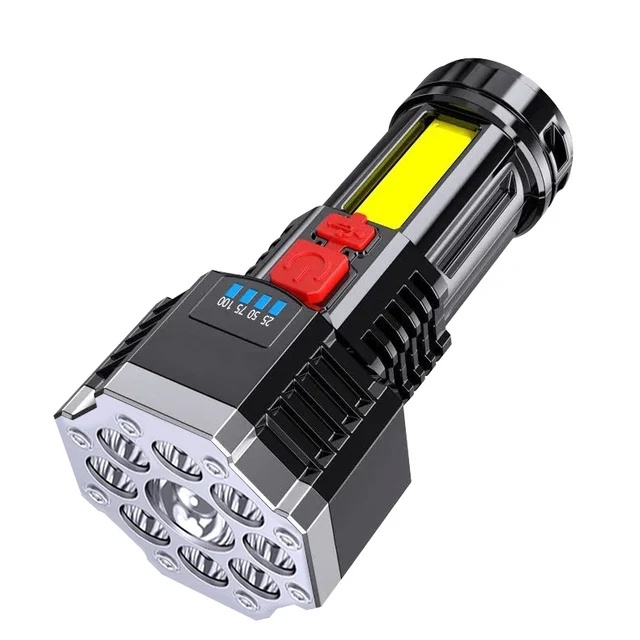
High-lumen flashlights excel in emergencies by providing superior brightness and long throw distances. These features allow you to illuminate large areas, making them ideal for workplaces with expansive spaces or outdoor environments. For example, during a power outage, a high-lumen flashlight ensures you can see clearly and avoid hazards.
While these flashlights enhance visibility, they consume batteries more rapidly than standard models. This makes them less suitable for prolonged emergencies unless you have spare batteries or a rechargeable option. Despite this, their ability to deliver powerful illumination makes them a valuable tool for ensuring safety during evacuations.
Rechargeable vs. Battery-Powered Flashlights
When choosing between rechargeable and battery-powered flashlights, consider their pros and cons. Rechargeable flashlights offer long-term savings and environmental benefits. They reduce waste by eliminating the need for disposable batteries, which often end up in landfills. You can recharge them using USB ports, car chargers, or solar panels, making them convenient for emergencies.
Flashlight Type | Average Cost Difference | Long-term Savings |
|---|---|---|
Rechargeable | $10 - $15 more | Over $200 in the first year |
Disposable | Lower upfront cost | Higher battery costs |
Rechargeable flashlights also maintain consistent brightness, even as the battery drains. However, their batteries have a limited lifespan, typically lasting 300 to 1,000 recharge cycles. Eventually, you’ll need to replace them, which adds to the cost. Battery-powered flashlights, on the other hand, offer lower upfront costs but require frequent battery replacements. Choose the option that best suits your workplace needs and budget.
Durable and Waterproof Flashlights for Challenging Conditions
Durable and waterproof flashlights are essential for workplaces that face challenging conditions. These flashlights are designed to withstand harsh environments, ensuring they remain reliable during emergencies. Their waterproofing protects internal components, allowing them to function effectively in wet conditions or near water. This feature is especially useful in industries like construction or outdoor operations where exposure to rain or moisture is common.
Shockproof designs further enhance their durability. Materials like anodized aluminum and rubberized coatings protect the flashlight from damage caused by drops or impacts. This makes them ideal for rugged environments where accidents are likely. Additionally, their lightweight design ensures portability, enabling you to carry them easily during evacuations or rescue efforts. High brightness and long beam distances are also critical features. These ensure clear visibility in large spaces, making them suitable for industrial use or outdoor emergencies.
When selecting a durable and waterproof flashlight, look for models that combine these features. A flashlight that can handle tough conditions will provide you with reliable illumination when you need it most.
Compact Flashlights for Easy Storage and Accessibility
Compact flashlights offer significant advantages for workplace emergency preparedness. Their small size makes them easy to store in emergency kits, desk drawers, or even pockets. This ensures they are readily accessible during power outages or other emergencies. Despite their size, compact flashlights provide essential light, helping you navigate dark or hazardous areas safely.
These flashlights are invaluable for various tasks. They illuminate your path, reducing the risk of trips or falls. You can use them to signal for help or assist in first aid and rescue efforts. Their portability allows you to carry them effortlessly, ensuring you always have a reliable light source at hand. Compact flashlights are particularly useful in workplaces with limited storage space, as they do not take up much room.
By including compact flashlights in your emergency preparedness plan, you enhance safety and ensure quick access to light during critical moments.
Integrating Flashlights into Emergency Preparedness Plans
Including Flashlights in Workplace Emergency Kits
Flashlights are indispensable in workplace emergency kits. They provide essential illumination during power outages, ensuring safety and mobility in dark or hazardous conditions. Their ability to help you navigate dangerous areas and signal for assistance makes them a critical tool during emergencies. Alongside flashlights, emergency kits should include other vital items such as water, non-perishable food, first-aid supplies, a radio, and extra batteries. These items collectively enhance your preparedness for unexpected situations, ensuring you have the resources to stay safe and respond effectively.
Strategic Placement of Flashlights in Key Locations
Strategically placing flashlights in key workplace locations ensures quick access during emergencies. You should store them in easily accessible spots like desks, cabinets, and emergency stations. Placing flashlights near exits, stairwells, and designated meeting points enhances safety by providing light where it’s needed most. This allows you to navigate dark spaces effectively and avoid potential hazards. By ensuring flashlights are readily available in critical areas, you can improve safety and reduce response times during evacuations or rescue efforts.
Regular Maintenance and Battery Replacement
Maintaining flashlights regularly ensures they function when you need them most. You should check their batteries and functionality periodically to confirm they are operational. Replace batteries as needed and test the flashlight’s brightness to ensure it provides adequate illumination. Rechargeable flashlights should be fully charged and ready for use. Incorporating flashlight maintenance into your workplace safety routine minimizes the risk of equipment failure during emergencies. A well-maintained flashlight can make all the difference in ensuring safety and efficiency during critical moments.
Training Employees on Flashlight Usage During Emergencies
Training employees on flashlight usage ensures they can act confidently during emergencies. Familiarity with flashlight functions reduces hesitation and improves response times. You should educate your team on basic operations, such as switching modes, adjusting the beam, and checking the battery. These skills are essential for using flashlights effectively in critical situations.
Incorporating flashlight training into your workplace safety program is straightforward. Use hands-on demonstrations to show employees how to operate different flashlight models. Encourage them to practice switching between modes and adjusting the beam to suit various scenarios. For example, narrow beams are ideal for spotting hazards, while wide beams illuminate larger areas. Regularly remind employees to check battery levels and replace or recharge batteries as needed.
To reinforce these skills, integrate flashlight use into emergency drills. Simulating real-life scenarios helps employees build confidence and prepares them for unexpected situations. For instance, practice evacuations in low-light conditions to mimic power outages. This approach ensures employees know how to navigate safely and use flashlights effectively when it matters most.
Tip: Provide employees with a quick-reference guide on flashlight operation. This ensures they can refresh their knowledge whenever necessary.
Conducting Emergency Drills with Flashlights
Emergency drills with flashlights enhance workplace preparedness by simulating real-life challenges. These drills familiarize employees with flashlight functions, ensuring they can use them effectively during actual emergencies. You can organize drills that replicate scenarios like power outages, fires, or severe weather conditions. This hands-on experience boosts confidence and readiness.
During drills, focus on key objectives. Teach employees how to locate flashlights quickly and use them to navigate dark or hazardous areas. Encourage teamwork by assigning roles, such as guiding others or signaling for help. Familiarity with flashlight operation saves time and improves safety during real emergencies. For example, employees who know how to adjust the beam can illuminate evacuation routes more effectively.
Regular drills also help identify gaps in your emergency preparedness plan. You might discover that flashlights are not easily accessible or that some employees need additional training. Addressing these issues ensures your workplace is better equipped to handle emergencies.
Note: Schedule emergency drills at least twice a year to keep employees prepared and confident.
Benefits of Flashlight Preparedness in the Workplace
Enhanced Employee Safety and Confidence
Flashlights play a critical role in boosting employee safety during emergencies. When the lights go out, navigating dark or hazardous areas becomes risky. A flashlight provides immediate illumination, helping you avoid obstacles like debris, slippery floors, or sharp objects. This reduces the likelihood of injuries and ensures a safer environment for everyone.
Having access to a reliable flashlight also builds confidence. Employees feel more secure knowing they can rely on a dependable light source to guide them. This sense of preparedness minimizes fear and helps individuals stay calm under pressure. By equipping your workplace with flashlights, you create a safer and more reassuring environment for your team.
Faster and More Organized Evacuations
Flashlights significantly improve the speed and organization of workplace evacuations. They provide essential illumination, guiding you through dark hallways, stairwells, or outdoor paths. Without light, navigating these areas can be dangerous and slow. Flashlights help you avoid accidents and ensure a smoother evacuation process.
Illuminate dark spaces, making it easier to find safe routes.
Reduce panic by creating a sense of security and control.
Prevent accidents by lighting up obstacles like uneven floors or debris.
In chaotic situations, flashlights help maintain order. Employees can follow illuminated paths, reducing confusion and ensuring everyone reaches safety quickly. By including flashlights in your emergency preparedness plan, you enhance evacuation efficiency and protect your team.
Compliance with Workplace Safety Regulations
Workplace safety regulations often require employers to prepare for emergencies, including power outages or evacuations. Flashlights are a simple yet effective way to meet these requirements. They ensure your workplace remains compliant by providing a reliable light source during critical moments.
Regulatory bodies emphasize the importance of emergency preparedness to protect employees. By equipping your workplace with flashlights, you demonstrate a commitment to safety and reduce potential liabilities. Regular maintenance and strategic placement of flashlights further strengthen your compliance efforts. This not only safeguards your employees but also protects your organization from legal risks.
Tip: Review your local workplace safety guidelines to ensure your flashlight preparedness plan aligns with regulatory standards.
Reduced Risks and Liability for Employers
Flashlight preparedness plays a key role in reducing risks and liability for employers during workplace emergencies. By equipping your workplace with reliable flashlights, you create a safer environment that minimizes accidents and protects your employees. This proactive approach not only safeguards your team but also shields your organization from potential legal and financial consequences.
When emergencies occur, flashlights help guide employees to safety, especially in dark or low-visibility conditions. This reduces the likelihood of injuries caused by trips, falls, or collisions with unseen obstacles. For example, a flashlight can illuminate uneven floors, spilled liquids, or debris, ensuring employees can navigate evacuation routes safely.
Flashlights also assist in inspecting equipment or facilities during emergencies. In low-light situations, you can use them to identify potential hazards, such as exposed wires, gas leaks, or structural damage. Addressing these issues promptly prevents further risks and demonstrates your commitment to maintaining a safe workplace.
Additionally, flashlights support rescue efforts by helping locate missing individuals or essential items in chaotic environments. Whether searching through smoke-filled rooms or dark storage areas, a flashlight ensures you can act quickly and effectively. This capability not only enhances safety but also reduces the chances of prolonged emergencies, which could lead to greater liability.
Tip: Keep a record of your flashlight preparedness plan, including maintenance schedules and employee training sessions. This documentation can serve as evidence of your safety measures if questions about liability arise.
By prioritizing flashlight preparedness, you show your employees that their safety matters. This fosters trust and confidence in your leadership while reducing the risk of workplace injuries. At the same time, you protect your organization from potential lawsuits or regulatory penalties. A simple tool like a flashlight can make a significant difference in creating a safer and more responsible workplace.
Flashlights are essential for workplace safety during emergency evacuations. They enhance visibility, prevent accidents, and support quick decision-making. To maximize their effectiveness, choose durable, waterproof models and maintain them regularly. Store flashlights in accessible locations like exits and stairwells, and train employees on their proper use. Incorporating flashlights into emergency drills ensures your team is prepared for unexpected situations. By prioritizing flashlight preparedness, you protect employees, reduce risks, and create a safer workplace environment. Understanding advancements in flashlight technology further enhances your emergency readiness.
Tip: Regularly inspect flashlights to ensure they remain functional during emergencies.
FAQ
What type of flashlight is best for workplace emergencies?
Choose a durable, waterproof flashlight with high lumens for maximum brightness. Compact models work well for easy storage, while headlamps provide hands-free convenience. Rechargeable options save costs over time.
Tip: Select flashlights with multiple modes, like SOS or strobe, for added functionality during emergencies.
How often should workplace flashlights be maintained?
Inspect flashlights every three months. Check batteries, brightness, and overall functionality. Replace batteries or recharge as needed. Regular maintenance ensures flashlights work reliably during emergencies.
Note: Add flashlight checks to your workplace safety routine for consistent preparedness.
Where should flashlights be stored in the workplace?
Place flashlights near exits, stairwells, and emergency kits. Keep them in easily accessible locations like desks or cabinets. Strategic placement ensures quick access during power outages or evacuations.
Tip: Use wall-mounted holders or labeled storage boxes to keep flashlights organized.
Are rechargeable flashlights better than battery-powered ones?
Rechargeable flashlights reduce waste and save money over time. They maintain consistent brightness and can be charged via USB or solar panels. Battery-powered flashlights, however, offer lower upfront costs and are ideal for workplaces without charging facilities.
Type | Pros | Cons |
|---|---|---|
Rechargeable | Eco-friendly, cost-effective | Limited battery lifespan |
Battery-powered | Affordable, widely available | Frequent battery replacement |
How can employees learn to use flashlights effectively?
Train employees through hands-on demonstrations and emergency drills. Teach them to switch modes, adjust beams, and check batteries. Practice using flashlights in low-light scenarios to build confidence.
Tip: Provide quick-reference guides for flashlight operation to reinforce training.
See Also
Enhance Outdoor Safety Using Wholesale Mini Pocket Flashlights
Investigating Various Scenarios for Flashlight Utilization
Selecting Top Flashlights for Bulk Buying Options
Boosting Business Success with Customized Promotional Flashlights
Finding The Ideal Flashlight Supplier For Your Business Needs