How Reliable Flashlights Protect Workers in Dangerous Conditions

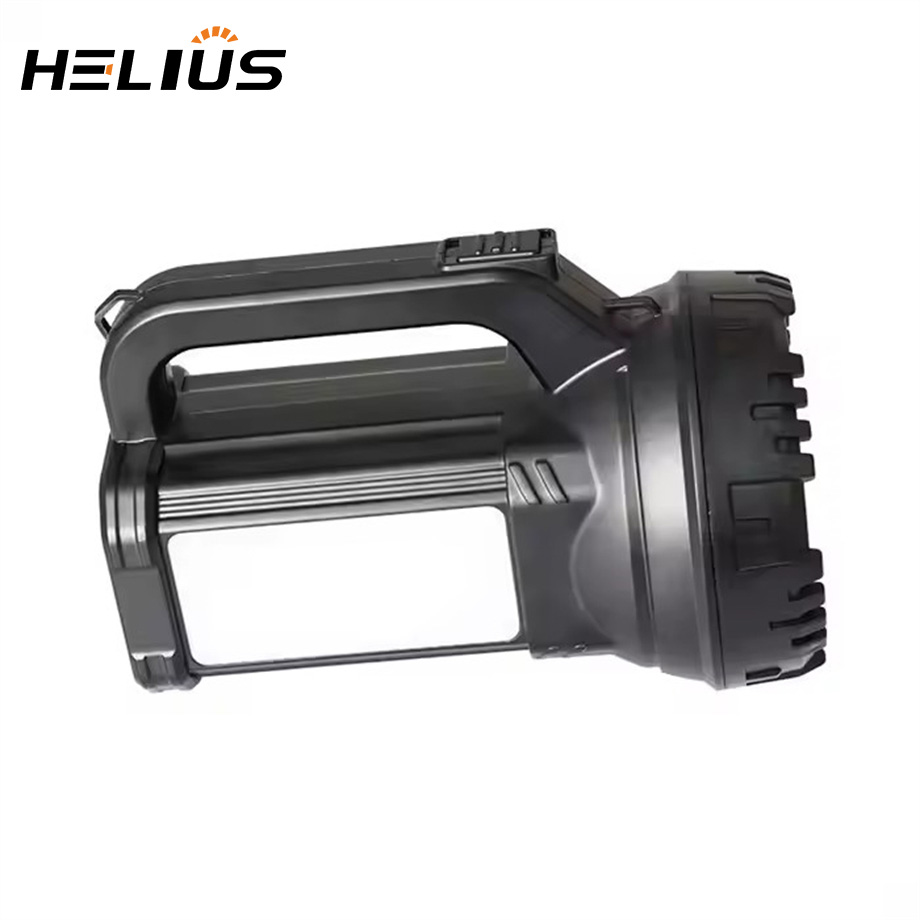
How Flashlights Improve Worker Safety in Hazardous Industrial Environments is a critical topic to consider. In such environments, reliable flashlights play a vital role in ensuring worker safety. Poor visibility can result in accidents like slips, trips, and falls, but flashlights provide essential lighting to detect hazards such as uneven surfaces, misplaced tools, and spills. In areas containing flammable materials, intrinsically safe flashlights are crucial as they prevent sparks or overheating, maintaining a safe workspace. Additionally, these tools help meet safety standards, making them indispensable in hazardous settings. By delivering dependable lighting, flashlights significantly improve worker safety in hazardous industrial environments, reducing risks and protecting lives. Without them, maintaining visibility and safeguarding workers would be nearly impossible.
Key Takeaways
Reliable flashlights help workers see better in dangerous places. They show risks like spills or bumpy floors.
Safe flashlights don’t spark or overheat. This lowers the chance of fires in risky areas.
Certified flashlights follow safety rules. They keep workers safe and meet legal requirements.
Strong materials and easy-to-hold designs make flashlights work well. They are important for keeping workers safe.
Flashlights with adjustable brightness and beams can be used in many ways. They help workers do tasks better with proper light.
How Flashlights Improve Worker Safety in Hazardous Industrial Environments
The Role of Flashlights in Enhancing Visibility
You rely on flashlights to navigate low-light or no-light industrial settings safely. These tools provide the necessary lighting to perform tasks effectively and avoid potential hazards. For example:
Flashlights and headlamps illuminate dimly lit areas, improving your ability to move around and complete tasks.
They help you spot obstacles like uneven surfaces or misplaced tools, reducing the chance of accidents.
Reliable lighting allows you to inspect equipment thoroughly, identifying issues before they escalate.
By enhancing visibility, flashlights create a safer environment for you and your coworkers, ensuring that no detail goes unnoticed.
Preventing Accidents Through Hazard Detection
Flashlights play a crucial role in helping you detect hazards before they cause harm. Poor visibility can hide dangers such as spills, sharp objects, or structural damage. A reliable flashlight ensures you can identify these risks quickly. For instance, when working in hazardous environments, you may encounter flammable materials. Intrinsically safe flashlights prevent sparks or overheating, reducing the risk of explosions. By using the right flashlight, you can stay alert to potential dangers and take action to prevent accidents.
Compliance with Safety Standards and Regulations
Using certified flashlights ensures you meet safety standards required in hazardous environments. Intrinsically safe flashlights undergo rigorous testing for temperature, electrical sparks, and mechanical impact. In the U.S., certifications from organizations like Underwriters Laboratories (UL) confirm that a flashlight meets these requirements. Compliance with standards such as OSHA, IECEx, and NEC is essential. These regulations classify hazardous areas and define safety measures to prevent ignition sources. Non-compliance can lead to severe consequences, including fines, lawsuits, and increased risks of accidents. By choosing certified flashlights, you protect yourself and your workplace from these dangers.
Key Features of Reliable Flashlights for Hazardous Conditions
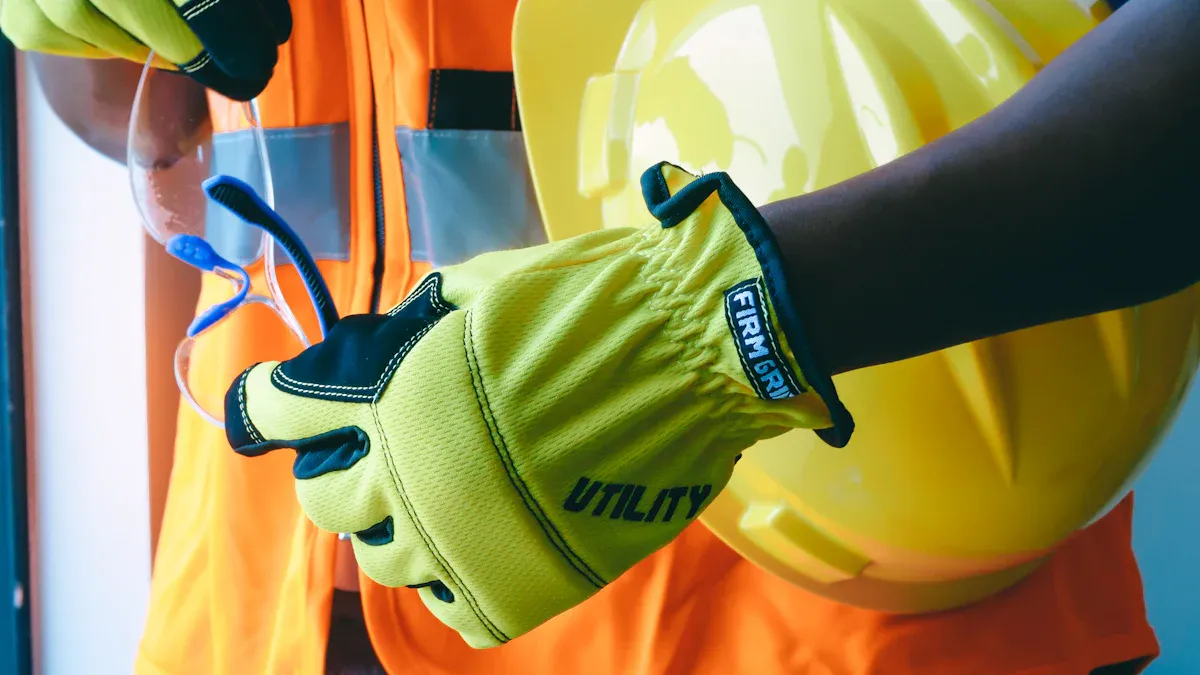
Durability and Resistance to Harsh Environments
When working in hazardous environments, you need flashlights that can withstand tough conditions. Materials like titanium and stainless steel provide exceptional strength and corrosion resistance, ensuring your flashlight lasts even in extreme settings. For high-temperature environments, glass-filled nylon offers rigidity and heat resistance, while PC-ABS delivers superior impact strength for situations involving repeated impacts.
Flashlights made from aluminum or high-grade plastics are also excellent choices. Aluminum resists physical impacts, while high-grade plastics endure rough handling and environmental stress. Additionally, flashlights with high IP ratings, such as IP65, protect against dust and water jets, ensuring consistent performance in environments exposed to water, dust, or chemicals.
Material | Properties | Uses in Flashlight Housing |
|---|---|---|
Acrylonitrile Butadiene Styrene (ABS) | Exceptional durability, chemical resistance, remarkable strength | Widely used in plastic polymer flashlights |
Aluminum Alloy | Lightweight, excellent heat conduction | High-quality flashlights for rugged conditions |
Stainless Steel | Exceptional strength, corrosion resistance | Heavy-duty applications, long-lasting durability |
Titanium | High strength-to-weight ratio, superior corrosion resistance | Premium flashlights designed for extreme conditions |
Glass-filled Nylon | Exceptional strength, rigidity, heat resistance | Suitable for high-temperature environments |
PC-ABS | Toughness, impact resistance | Ideal for high-impact environments like rescue operations |
Explosion-Proof and Intrinsically Safe Flashlight Designs
In hazardous environments containing flammable gases or combustible dust, intrinsic safety is critical. Intrinsically safe flashlights are designed to prevent sparks or overheating, reducing the risk of explosions. These flashlights meet strict certifications, such as those provided by Underwriters Laboratories (UL) in the United States. They undergo rigorous testing for temperature, electrical sparks, and mechanical impact to ensure they are safe for use in hazardous locations.
Explosion-proof designs offer additional benefits, including enhanced safety, compliance with safety standards like ATEX and IECEx, and increased reliability. These flashlights are built to withstand harsh conditions, reducing downtime and maintenance costs. Whether you work in oil and gas, chemical processing, or pharmaceuticals, explosion-proof flashlights provide versatile applications and peace of mind.
Benefit | Description |
|---|---|
Enhanced Safety | Prevents ignition of explosive atmospheres, reducing risk of accidents and injuries. |
Compliance with Safety Standards | Designed to meet safety regulations like ATEX, IECEx, and UL, ensuring legal compliance. |
Increased Reliability | Built to withstand harsh conditions, leading to reduced downtime and lower maintenance costs. |
Versatile Applications | Applicable in various industries such as oil and gas, chemical processing, and pharmaceuticals. |
Energy Efficiency and Long-Lasting Performance
Reliable flashlights must deliver consistent lighting without frequent battery replacements. Energy-efficient designs ensure your flashlight lasts longer, reducing interruptions during critical tasks. LED technology plays a significant role in achieving this efficiency. LEDs consume less power while providing bright, focused lighting, making them ideal for industrial use.
Rechargeable flashlights offer another layer of convenience. They eliminate the need for disposable batteries, saving you money and reducing environmental waste. When choosing a flashlight, look for models with adjustable brightness settings. These allow you to conserve energy by tailoring the light output to your specific needs. A flashlight with long-lasting performance ensures you stay prepared, even during extended shifts in hazardous conditions.
Brightness and Adjustable Beam Settings
Brightness and beam adjustability are essential features of reliable flashlights. These features allow you to adapt your lighting to different tasks and environments. Whether you need a focused beam for inspecting small details or a wide beam for illuminating large areas, adjustable settings provide the flexibility you require. This adaptability ensures that you can perform tasks efficiently, even in challenging conditions.
Adjustable beam settings offer several advantages:
Versatility and cost-effectiveness: You can use one flashlight for various tasks, eliminating the need for multiple specialized tools.
Enhanced safety: Precise beam adjustments improve visibility, reducing risks during operations.
Improved productivity: Quick changes in beam settings save time and streamline your workflow.
Ease of use: User-friendly designs make adjustments simple, even when wearing gloves.
LED technology enhances brightness while conserving energy. High-lumen flashlights provide powerful lighting, ensuring you can see clearly in dark or hazardous environments. By choosing a flashlight with adjustable beam settings, you gain a tool that adapts to your needs, improving both safety and efficiency.
Ergonomic and Hands-Free Options
Ergonomic designs make flashlights easier to use, especially in hazardous environments. Features like textured grips and simple control interfaces enhance usability. These designs are particularly helpful when you wear gloves, as they prevent slipping and ensure secure handling. Carry options, such as lanyards or clips, keep your flashlight accessible during emergencies.
Hands-free options, like headlamps or magnetic mounts, allow you to focus on tasks without holding a flashlight. These tools provide consistent lighting while freeing your hands for operating equipment or handling materials. For example, a headlamp ensures you can work safely in confined spaces, where holding a flashlight might be impractical.
Ergonomic and hands-free designs not only improve comfort but also enhance safety and productivity. By reducing strain and keeping your flashlight within reach, these features ensure you can work efficiently in any situation.
Benefits of Using Reliable Flashlights in Hazardous Environments
Improved Visibility and Hazard Awareness
Reliable flashlights are essential for maintaining visibility in hazardous environments. Poor lighting can obscure potential dangers, such as spills, sharp objects, or uneven surfaces. By using a flashlight, you can illuminate your surroundings and identify these risks before they lead to accidents. For example, when inspecting equipment, a flashlight helps you spot wear and tear that might otherwise go unnoticed. This proactive approach ensures you can address hazards promptly, creating a safer workspace.
Flashlights also improve hazard awareness by providing consistent lighting in low-visibility conditions. Whether you are navigating confined spaces or working outdoors at night, a dependable flashlight ensures you can see clearly. This enhanced visibility allows you to stay alert and make informed decisions, reducing the likelihood of injuries.
Enhanced Worker Confidence and Productivity
Using reliable flashlights in hazardous environments boosts your confidence and efficiency. Adequate lighting helps you perform tasks with greater accuracy and reduces the stress of working in poorly lit areas. For instance, adjustable beam modes allow you to focus on intricate details, improving precision and minimizing errors. This feature is particularly useful for tasks requiring close attention, such as equipment repairs or inspections.
Flashlights also enhance productivity by ensuring you can work without interruptions. Long battery life provides consistent lighting throughout your shift, while ergonomic designs reduce strain and fatigue. Lightweight materials and adjustable straps make flashlights comfortable to use, even during extended periods. These features enable you to stay focused and complete tasks more efficiently.
Evidence | Description |
|---|---|
Improved Safety | Flashlights provide adequate lighting, helping you navigate safely. |
Enhanced Awareness | Illuminating surroundings improves your ability to detect hazards. |
Increased Accuracy | Adjustable beams enhance precision in detail-oriented tasks. |
Faster Emergency Response | Reliable lighting aids in quick responses during critical situations. |
Reduced Risk of Workplace Accidents
Flashlights play a vital role in minimizing workplace accidents. By improving visibility, they help you avoid common hazards like tripping over obstacles or slipping on wet surfaces. In hazardous environments, where flammable materials or combustible dust are present, intrinsically safe flashlights prevent sparks, reducing the risk of explosions. This added layer of safety ensures you can work confidently, even in high-risk settings.
Reliable flashlights also support emergency preparedness. During power outages or equipment failures, they provide immediate lighting, allowing you to respond quickly and effectively. This rapid response can prevent minor issues from escalating into serious incidents. By using a flashlight designed for hazardous environments, you prioritize safety and protect yourself and your coworkers from harm.
Meeting Industry Safety Standards
Meeting industry safety standards is essential when working in hazardous environments. You must ensure that the flashlights you use comply with these regulations to maintain a safe workspace and avoid penalties. Certified flashlights undergo rigorous testing to meet the requirements of organizations like OSHA, IECEx, and ATEX. These certifications confirm that the flashlight is safe for use in environments with flammable gases, dust, or other hazardous materials.
Tip: Always check for certifications like UL or ATEX on your flashlight before using it in a hazardous location.
Using certified flashlights ensures that you meet legal requirements and protect yourself and your coworkers. For example, intrinsically safe flashlights are designed to prevent sparks or overheating, reducing the risk of explosions. These flashlights are especially important in industries like oil and gas, chemical processing, and mining, where safety is a top priority.
When selecting a flashlight, you should also consider its compatibility with your workplace's safety protocols. Some industries require specific lighting levels or beam settings to ensure proper visibility. By choosing a flashlight that meets these standards, you can perform tasks more effectively and reduce the risk of accidents.
A flashlight that complies with safety standards not only protects you but also enhances your productivity. Reliable lighting allows you to focus on your work without worrying about potential hazards. This peace of mind helps you stay confident and efficient, even in challenging conditions.
Note: Non-compliance with safety standards can lead to fines, legal issues, and increased risks of workplace accidents. Always prioritize certified flashlights to ensure safety and compliance.
How to Choose the Right Flashlight for Hazardous Conditions
Importance of Certifications for Hazardous Locations
When selecting flashlights for hazardous areas, certifications are critical. These certifications ensure the flashlight meets strict safety standards, reducing risks in classified hazardous locations. Look for compliance with Class 2 Division 1 requirements. This certification guarantees the flashlight has undergone rigorous testing to prevent ignition sources in hazardous environments.
Other essential certifications include IECEx and NEC standards. These confirm that the flashlight is designed to eliminate sparks and overheating. Intrinsically safe LED flashlights, for example, operate on low voltages, making them ideal for environments with flammable substances. Explosion-proof flashlights provide additional protection, ensuring safe operation even in extreme conditions. By prioritizing certified flashlights, you enhance safety and meet industry regulations.
Evaluating Durability and Environmental Resistance
Durability is a key factor when choosing flashlights for hazardous areas. Flashlights must withstand harsh conditions, including extreme temperatures, high humidity, and physical impacts. Manufacturers use various tests to evaluate durability and environmental resistance.
Test Name | Purpose |
|---|---|
Shakeout Test | Assess scratch-resistant and wear-resistant abilities of the flashlight. |
Bending Test | Determine brightness maintenance after bending. |
Salty Spray Test | Evaluate corrosion resistance in high humidity and salt exposure. |
Ultraviolet Radiation Test | Check changes in light output or color after UV exposure. |
Environmental Test | Assess performance changes in extreme temperatures. |
Vibration Test | Check for damage after exposure to vibration according to IEC standards. |
Switch Test | Test switch resistivity through repeated use until failure. |
Temperature Test | Evaluate heat dissipation using thermal imaging. |
Flashlights constructed from materials like aluminum or stainless steel offer excellent durability. These materials resist corrosion and maintain performance under challenging conditions. By choosing a flashlight that passes these tests, you ensure reliable lighting in confined spaces and other demanding environments.
Assessing Battery Life and Power Options
Battery life is another crucial consideration for flashlights used in hazardous areas. Long-lasting batteries minimize interruptions during critical tasks, ensuring consistent lighting throughout your shift. Lithium-ion batteries are a popular choice due to their high energy density and lightweight design. These rechargeable batteries provide dependable performance, making them ideal for extended use.
For added reliability, consider flashlights with dual power options. These models allow you to switch between rechargeable and disposable batteries, ensuring uninterrupted lighting in emergencies. Flashlights with adjustable brightness settings also help conserve battery life by tailoring the light output to your needs. By selecting a flashlight with reliable power options, you stay prepared for any situation.
Matching Brightness and Beam Settings to Tasks
Choosing the right brightness and beam settings ensures your flashlight performs effectively for specific tasks. Different jobs require different levels of lighting. For instance, inspecting small components or intricate machinery demands a focused, high-lumen beam. On the other hand, navigating large, dimly lit areas benefits from a wide beam that spreads light evenly across your surroundings.
Flashlights with adjustable brightness settings give you flexibility. You can switch between high, medium, and low modes depending on the task. This feature not only improves visibility but also conserves battery life. For example, using a lower brightness setting during routine checks extends the flashlight's runtime, ensuring it lasts through your entire shift.
Beam adjustability also plays a critical role. A narrow beam works well for pinpointing specific areas, such as identifying wear on equipment. A wider beam is ideal for illuminating broader spaces, like storage rooms or outdoor worksites. Some flashlights even offer zoomable beams, allowing you to transition seamlessly between focused and wide lighting.
Tip: Always match the flashlight's brightness and beam settings to the environment. This approach enhances safety and efficiency, especially in hazardous conditions.
By selecting a flashlight with versatile lighting options, you can adapt to various tasks without needing multiple tools. This adaptability saves time and ensures you always have the right amount of light for the job.
Considering Ergonomics and Hands-Free Features
Ergonomic designs make flashlights easier to handle, especially during long shifts. A flashlight with a textured grip prevents slipping, even when your hands are wet or gloved. Lightweight materials reduce fatigue, allowing you to work comfortably for extended periods. Simple controls, such as large buttons or switches, ensure you can operate the flashlight effortlessly, even in stressful situations.
Hands-free options take convenience to the next level. Headlamps, for example, provide consistent lighting while keeping your hands free for tasks like repairing equipment or climbing ladders. Magnetic mounts and clips offer additional versatility. You can attach the flashlight to metal surfaces or your clothing, ensuring it stays secure and accessible.
Note: Hands-free lighting is especially useful in confined spaces where holding a flashlight might be impractical.
Ergonomic and hands-free features not only improve comfort but also enhance safety. By reducing strain and keeping your flashlight within reach, these designs help you stay focused and productive in any environment.
Reliable flashlights are vital for worker safety in hazardous environments. They enhance visibility, helping you identify hazards like spills or uneven surfaces that could lead to accidents. In emergencies, flashlights provide dependable lighting, guiding you safely through chaotic situations. Features such as explosion-proof designs and energy efficiency make them indispensable tools for maintaining safety and productivity.
You should prioritize certified, high-quality flashlights to reduce risks and meet industry standards. Hands-free options, like headlamps, allow you to focus on tasks while maintaining visibility. Investing in reliable lighting solutions ensures a safer workspace and protects your workforce from harm. Take action today to safeguard your team and improve workplace safety.
FAQ
What makes a flashlight reliable for hazardous environments?
A reliable flashlight withstands harsh conditions, provides consistent lighting, and meets safety certifications. It should resist impacts, water, and dust while offering features like adjustable brightness and long battery life. These qualities ensure dependable performance in challenging settings.
Why are intrinsically safe flashlights important?
Intrinsically safe flashlights prevent sparks or overheating, reducing explosion risks in hazardous areas. They meet strict safety standards, making them essential for industries like oil and gas or chemical processing. These flashlights protect you and your workplace from potential dangers.
How do you maintain a flashlight for long-term use?
Regularly clean your flashlight to remove dirt and debris. Check the battery and replace it when necessary. Store it in a dry, cool place to prevent damage. Following these steps ensures your flashlight remains functional and reliable over time.
Can a flashlight improve productivity in hazardous environments?
Yes, a flashlight enhances productivity by providing adequate lighting for tasks. Adjustable beam settings allow you to focus on details or illuminate large areas. Reliable lighting reduces errors and interruptions, helping you complete tasks efficiently.
What certifications should you look for in a flashlight?
Look for certifications like UL, ATEX, or IECEx. These confirm the flashlight meets safety standards for hazardous locations. Certified flashlights ensure compliance with industry regulations and provide peace of mind during use.
See Also
Essential Advice for Finding Trustworthy Flashlight Suppliers
A Complete Guide to Selecting Your Ideal Flashlight Supplier
Enhance Outdoor Safety by Buying Mini Pocket Flashlights
Important Factors and Trends When Assessing Flashlight Suppliers