How Flashlights Are Revolutionizing the Healthcare Sector

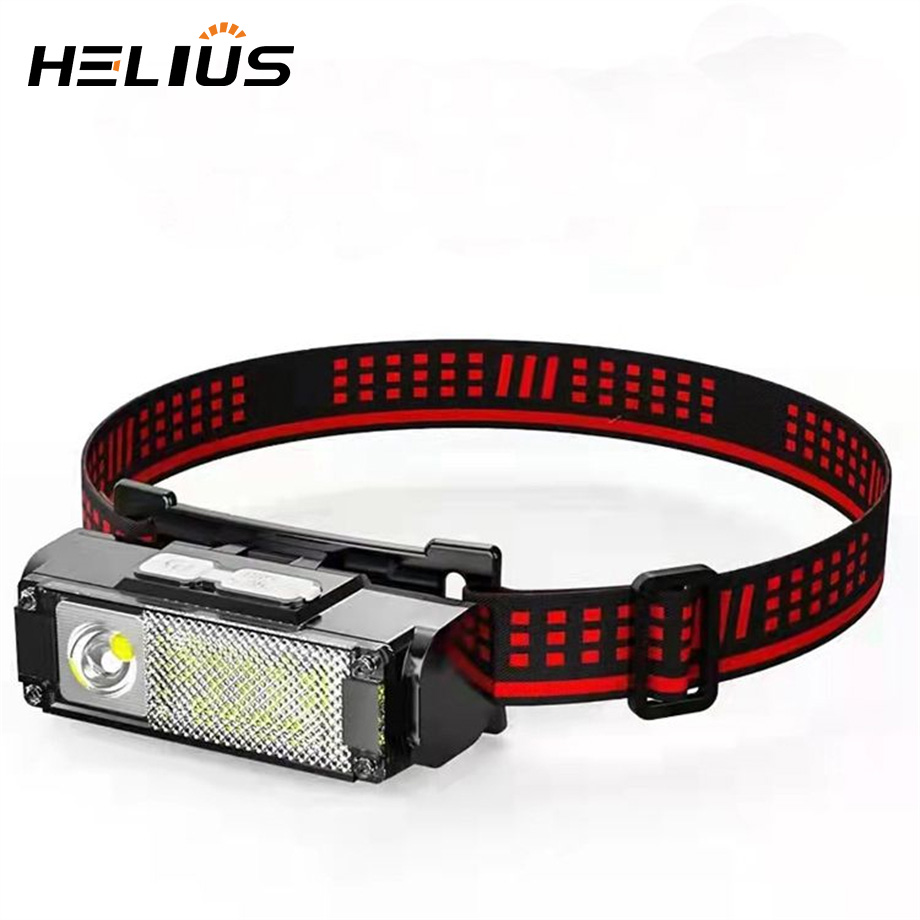
Flashlights are changing how you experience healthcare. Portable lighting solutions have become essential tools in modern health settings. Mobile surgical lights improve visibility during complex procedures like orthopedic or neurosurgery. Adjustable intensity and color temperature ensure precise illumination, leading to better outcomes and fewer risks. LED lights provide consistent brightness, reducing accidents and enhancing safety. Many also feature antimicrobial coatings to prevent infections. Proper lighting minimizes complications during surgeries, ensuring patient well-being. These advancements show how flashlights are revolutionizing the healthcare sector, making them indispensable for both patients and professionals.
Key Takeaways
Portable lights help doctors see better during procedures. This improves patient care and reduces problems.
Lights with adjustable brightness make patients feel comfortable, especially in dim recovery rooms.
Reliable lights during emergencies let doctors work without stopping. This makes care safer and faster.
LED lights save energy and last longer. They lower costs but still provide great lighting in hospitals.
Flashlights are important in remote places with little electricity. They also help during disasters to give medical care.
The Role of Portable Lighting in Healthcare Facilities
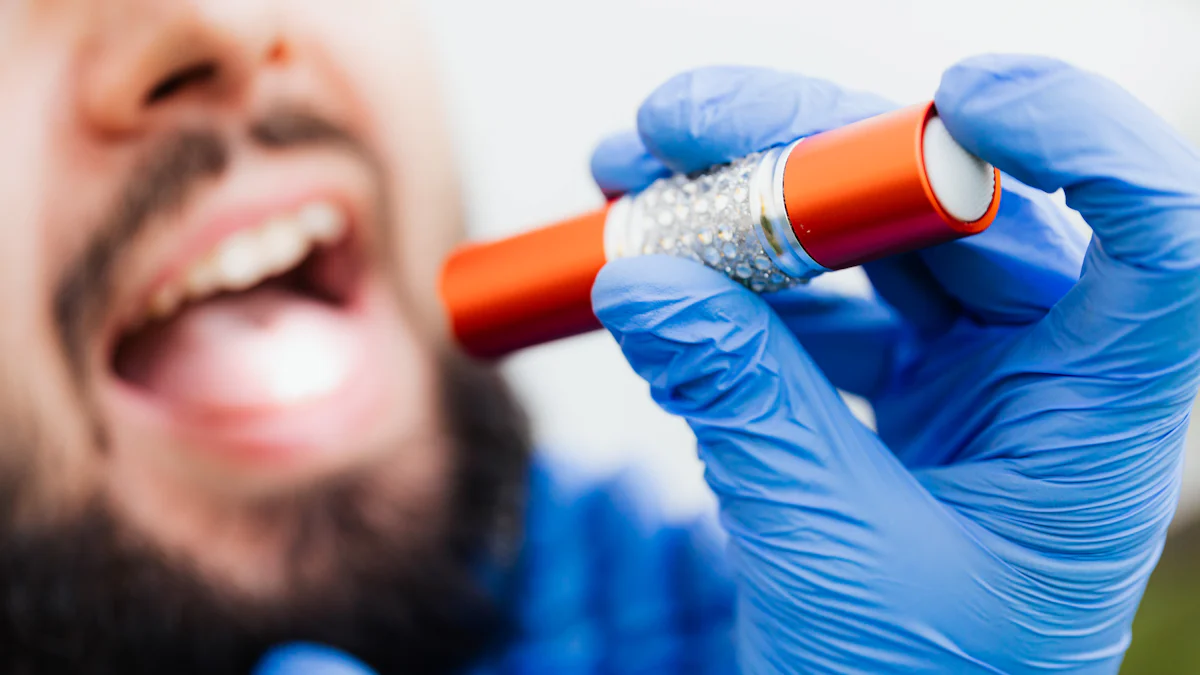
Improved Patient Care
Enhancing visibility during medical procedures
Portable lighting plays a vital role in healthcare facilities by improving visibility during medical procedures. You can rely on these lights to illuminate surgical sites with precision. Mobile surgical lights, for instance, offer adjustable intensity and color temperature. This feature ensures accurate lighting, reducing shadows and glare. In orthopedic and neurosurgical procedures, these lights enhance visibility, leading to better outcomes and fewer complications. By providing consistent brightness, portable lighting supports healthcare professionals in delivering high-quality care.
Supporting patient comfort in low-light settings
Low-light settings often help patients feel more relaxed, especially in recovery rooms or during nighttime care. Portable lighting allows you to create a soothing environment without compromising visibility. Adjustable brightness settings let healthcare providers maintain patient comfort while performing essential tasks. This balance ensures that patients feel at ease while receiving the care they need.
Enhanced Safety
Reducing errors in critical tasks
In healthcare facilities, proper lighting reduces the risk of errors during critical tasks. Portable lights provide focused illumination, helping you perform procedures with greater accuracy. Advanced lighting systems minimize shadows, ensuring clear visibility of surgical sites. This clarity is crucial for avoiding mistakes that could impact patient health. Neurosurgical procedures, for example, benefit from real-time lighting adjustments, which improve safety and procedural success.
Providing reliable lighting in emergencies
Emergency lighting is essential during power outages or urgent situations. Portable lights ensure that healthcare providers can continue their work without interruption. You can depend on these lights to deliver consistent brightness, even in challenging conditions. Their reliability makes them indispensable tools in healthcare facilities, especially during emergencies.
Accessibility in Remote Areas
Enabling care in electricity-limited regions
Portable lighting extends healthcare services to regions with limited electricity. You can use these lights to perform medical procedures in rural or underserved areas. Their energy-efficient design ensures long-lasting performance, making them ideal for remote healthcare settings. By providing reliable lighting, these tools help bridge the gap in access to quality care.
Supporting disaster relief operations
In disaster-stricken areas, portable lighting becomes a lifeline for healthcare providers. These lights assist you in setting up temporary clinics and performing emergency procedures. Their durability and ease of use make them valuable assets during disaster relief operations. With portable lighting, healthcare teams can deliver life-saving care, even in the most challenging environments.
Technological Innovations in LED Lighting
Advancements in LED Technology
Energy efficiency and longevity benefits
You can rely on LED lighting to transform healthcare facilities by reducing energy consumption and operational costs. These lights consume less power than traditional options, making them a sustainable choice. Their longer lifespan minimizes maintenance needs, saving time and resources. Hospitals benefit from these advancements by achieving energy efficiency while maintaining high-quality lighting. This shift also contributes to a smaller carbon footprint, aligning with green initiatives.
Improved brightness and color accuracy
LED lighting offers brighter and more consistent illumination, which enhances visibility for medical professionals. You’ll notice how this improves patient care by reducing accidents and falls. The excellent color rendering of LEDs ensures accurate diagnosis and treatment. By mimicking natural daylight, these lights promote healing and relaxation for patients. Their reduced glare and flicker also minimize eye strain for both staff and patients, creating a more comfortable environment.
Adjustable and Focused Lighting
Customizable settings for precision tasks
LED lighting provides adjustable intensity and color temperature settings, allowing you to tailor the light for specific tasks. Mobile surgical lights, for example, offer real-time adjustments that are essential for procedures like orthopedic surgery. These features ensure accurate implant placement and soft tissue visualization, improving outcomes.
Focused lighting for surgeries and diagnostics
Focused LED lighting enhances visibility during surgeries by illuminating tissues and blood vessels with precision. You’ll find that specific spectral outputs help identify lesions and target tissues effectively. This technology reduces eye strain for surgeons while improving the accuracy of diagnostics and procedures.
Ergonomic and Durable Designs
Lightweight, user-friendly models
Modern LED lighting solutions are designed with ergonomics in mind. Their lightweight and user-friendly models make them easy to handle, ensuring you can focus on delivering care without distractions. These designs enhance efficiency and reduce fatigue for healthcare professionals.
Waterproof and shockproof features
Durability is another key feature of LED lighting. Many models are waterproof and shockproof, making them reliable in challenging environments. Whether you’re working in a hospital or a disaster relief setting, these lights provide consistent performance under demanding conditions.
Applications of Flashlights in Healthcare
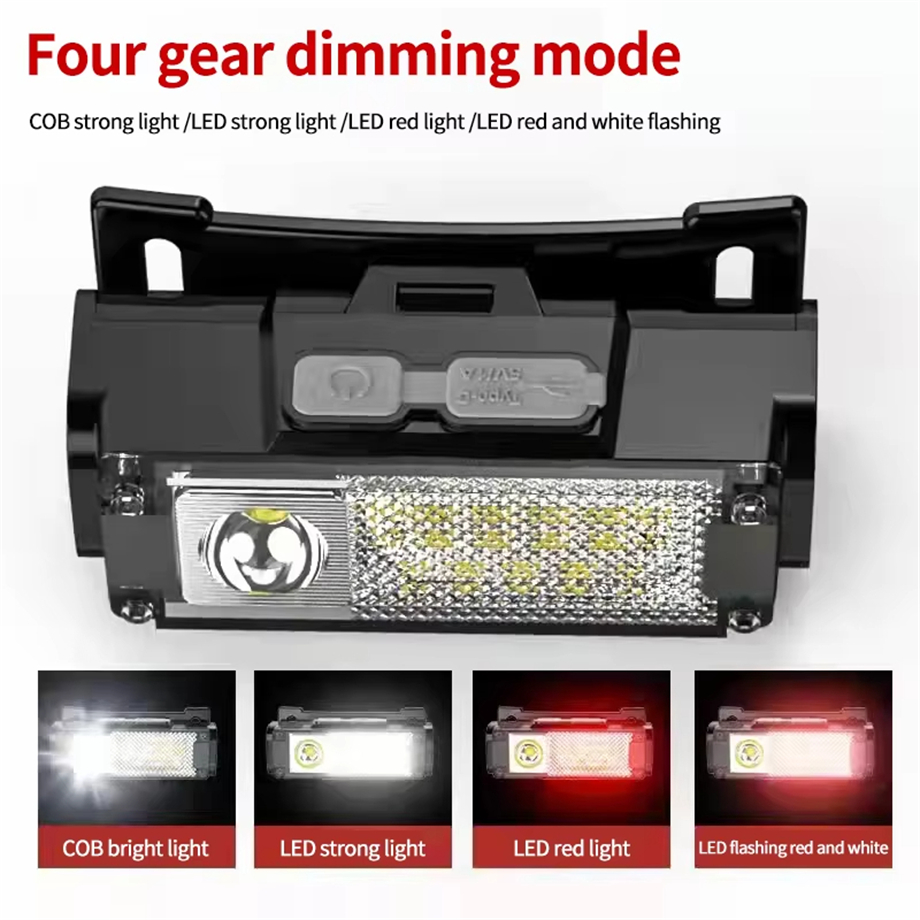
Surgical Use
Providing focused lighting for intricate procedures
Flashlights play a critical role in surgeries that demand precision. You can rely on them to provide focused lighting, ensuring clear visibility of the surgical field. Tools like surgical microscopes combine adjustable magnification with bright illumination, helping you perform intricate procedures with accuracy. In-cavity lighting, often fixed on surgical instruments, emits minimal light to illuminate deep areas without causing glare. This technology reduces the risk of errors and enhances patient outcomes.
Enhancing visibility in minimally invasive surgeries
Minimally invasive surgeries benefit significantly from advanced flashlight technology. Fiber optic lighting systems illuminate surgical cavities, allowing you to see clearly while minimizing cutting and scarring. These tools improve visibility in confined spaces, making procedures safer and more efficient. By reducing the need for large incisions, they also contribute to faster recovery times and better infection prevention.
Emergency and First Aid Scenarios
Assisting paramedics in low-light conditions
In emergencies, flashlights become indispensable for paramedics. They provide critical illumination when you need to navigate dark or unfamiliar environments. Whether you're treating a patient in a dimly lit area or searching for supplies, a reliable flashlight ensures you can work effectively. Flashlights also serve as signaling tools, helping you draw attention and facilitate rescues during life-threatening situations. Their presence offers psychological comfort, giving you a sense of control in stressful scenarios.
Supporting triage during disasters
Disaster scenarios often involve power outages and chaotic conditions. Flashlights help you set up temporary triage stations and assess patients quickly. They allow you to identify injuries and prioritize care, even in low-light settings. Their durability ensures consistent performance, enabling you to focus on saving lives. By improving visibility and staff productivity, flashlights become vital tools in disaster relief operations.
Diagnostic Tools
Illuminating hard-to-see areas during exams
Flashlights assist you in examining areas that are difficult to see. Whether you're checking a patient's throat, ears, or eyes, these tools provide the focused lighting you need for accurate assessments. Their portability makes them convenient for use in various healthcare settings, from clinics to mobile units.
Aiding in injury and abnormality detection
Accurate diagnosis often depends on proper lighting. Flashlights help you detect injuries, abnormalities, or foreign objects that might otherwise go unnoticed. Their bright and consistent illumination ensures you can identify issues quickly, leading to timely and effective treatment. This capability enhances patient care and supports better health outcomes.
Real-World Impact of Flashlights in Healthcare
Emergency Medicine Success Stories
Paramedics using flashlights to save lives
Flashlights have proven to be lifesaving tools in emergency medicine. You can see their importance in real-world scenarios where quick action is critical. For example:
During Hurricane Katrina, the Johnson family used a flashlight to navigate flooded streets and signal rescuers, ensuring their safety.
Hikers lost in the Appalachian Mountains relied on a flashlight to find their way back and signal a rescue helicopter.
A homeowner used a flashlight to temporarily blind an intruder, giving them time to call the police and prevent harm.
These examples highlight how flashlights provide essential illumination and serve as signaling tools in life-threatening situations. Their portability and reliability make them indispensable for paramedics and first responders.
Disaster response examples
In disaster zones, flashlights become vital for setting up temporary medical stations and conducting triage. You can depend on them to illuminate dark or chaotic environments, ensuring that healthcare providers can assess injuries and prioritize care. Their durability and long battery life allow them to perform consistently, even in extreme conditions. Flashlights not only enhance visibility but also boost the efficiency of disaster response teams, ultimately saving more lives.
Innovations in Surgical Lighting
Hospitals adopting advanced flashlight technology
Hospitals have embraced advanced flashlight technology to improve surgical environments. Mobile surgical lights, for instance, offer enhanced flexibility and efficiency. You can position these lights optimally in the operating room, ensuring clear visibility during intricate procedures. Their energy-efficient LED technology aligns with sustainability goals, reducing operational costs while maintaining high-quality lighting. These advancements contribute to safer surgeries and better patient outcomes.
Testimonials from surgeons on improved outcomes
Surgeons often praise the impact of modern surgical lighting on their work. They report fewer shadows and reduced glare, which help minimize errors during procedures. Improved visibility allows you to focus on precision tasks, ensuring patient safety and comfort. By adopting these innovations, hospitals enhance the overall quality of care they provide.
Contributions to Remote Healthcare
Nonprofits using flashlights in underserved regions
Nonprofits play a crucial role in bringing healthcare to underserved regions. You’ll find that flashlights are essential tools for these organizations. They enable medical teams to perform procedures in areas with limited electricity. Their portability and energy efficiency make them ideal for mobile clinics and field operations. By providing reliable lighting, flashlights help bridge the gap in access to quality health services.
Success stories from mobile clinics
Mobile clinics often rely on flashlights to deliver care in remote areas. For example, healthcare workers use them to examine patients, perform minor surgeries, and administer first aid. These clinics demonstrate how wearable technology, combined with portable lighting, can transform healthcare delivery. Flashlights empower you to bring life-saving care to those who need it most, regardless of location.
Flashlights have become essential tools in healthcare. You benefit from their ability to improve patient care, enhance safety, and boost operational efficiency. Advances in LED technology have expanded their use in surgeries, emergencies, and diagnostics. These innovations also contribute to cost savings by reducing energy consumption and maintenance needs. Flashlights play a vital role in improving health outcomes, especially in underserved areas. As technology evolves, you can expect flashlights to revolutionize healthcare further, making them indispensable for modern medical practices.
FAQ
What makes flashlights essential in healthcare?
Flashlights provide reliable, portable lighting for surgeries, diagnostics, and emergencies. You can use them to enhance visibility, reduce errors, and ensure patient safety. Their energy-efficient designs and durability make them indispensable tools in both urban hospitals and remote healthcare settings.
How do LED flashlights differ from traditional ones?
LED flashlights consume less energy and last longer. They offer brighter, more consistent illumination with better color accuracy. You’ll find them lightweight, durable, and customizable, making them ideal for precision tasks like surgeries or diagnostics.
Can flashlights improve healthcare in remote areas?
Yes, flashlights enable medical care in electricity-limited regions. You can use them for exams, minor surgeries, and emergency procedures. Their portability and long battery life make them vital for mobile clinics and disaster relief operations.
Are flashlights safe for medical use?
Modern flashlights are designed for healthcare. Many feature antimicrobial coatings to prevent infections. You’ll also find waterproof and shockproof models that ensure safety and reliability in demanding environments.
How do flashlights support disaster response?
Flashlights help you set up temporary medical stations and perform triage in low-light conditions. Their durability and consistent brightness allow healthcare teams to work efficiently, even in chaotic or extreme environments. They’re essential for saving lives during disasters.
See Also
Transform Your Flashlight Sales with Incredible Offers
Four Essential Insights on Flashlight Market Expansion by 2031
Investigating Various Applications for Flashlight Use
Enhancing Business Reach with Tailored Flashlights for Promotions
Understanding Flashlight Production Techniques and LED Innovations