How Flashlights Can Enhance Your Outdoor Gear Offerings for Winter Sports

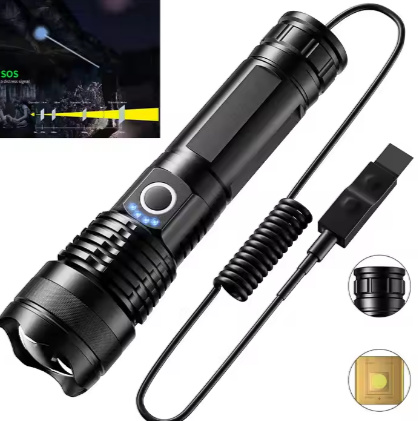
When you're out in the cold, snowy wilderness, having reliable gear isn't just a luxury—it’s a necessity. Winter sports demand equipment that can handle harsh conditions while keeping you safe. That’s where how flashlights can enhance your outdoor gear offerings for winter sports comes into play. Whether you're navigating icy trails or setting up camp after dark, it’s a tool you can’t afford to overlook.
A flashlight doesn’t just light your way; it boosts your safety and convenience. Imagine being caught in a sudden snowstorm or needing to find your way back on a dimly lit slope. With the right flashlight, you’re prepared for anything winter throws at you. It’s a small addition to your outdoor gear that makes a big difference.
Key Takeaways
Flashlights are important for staying safe in winter storms. They give light when power goes out, helping you see and call for help.
Pick flashlights that are bright and have adjustable beams. This helps you see better in the dark and use them for different tasks.
Choose strong, waterproof flashlights. They can handle tough winter weather and stay useful when you need them.
Keep your flashlight easy to reach. Put it in outside pockets or clip it to your gear so you can grab it fast during outdoor trips.
Taking care of your flashlight makes it last longer. Clean it after using, check for damage, and store it right so it’s ready for your next adventure.
Benefits of Flashlights for Winter Sports
Safety During a Winter Storm
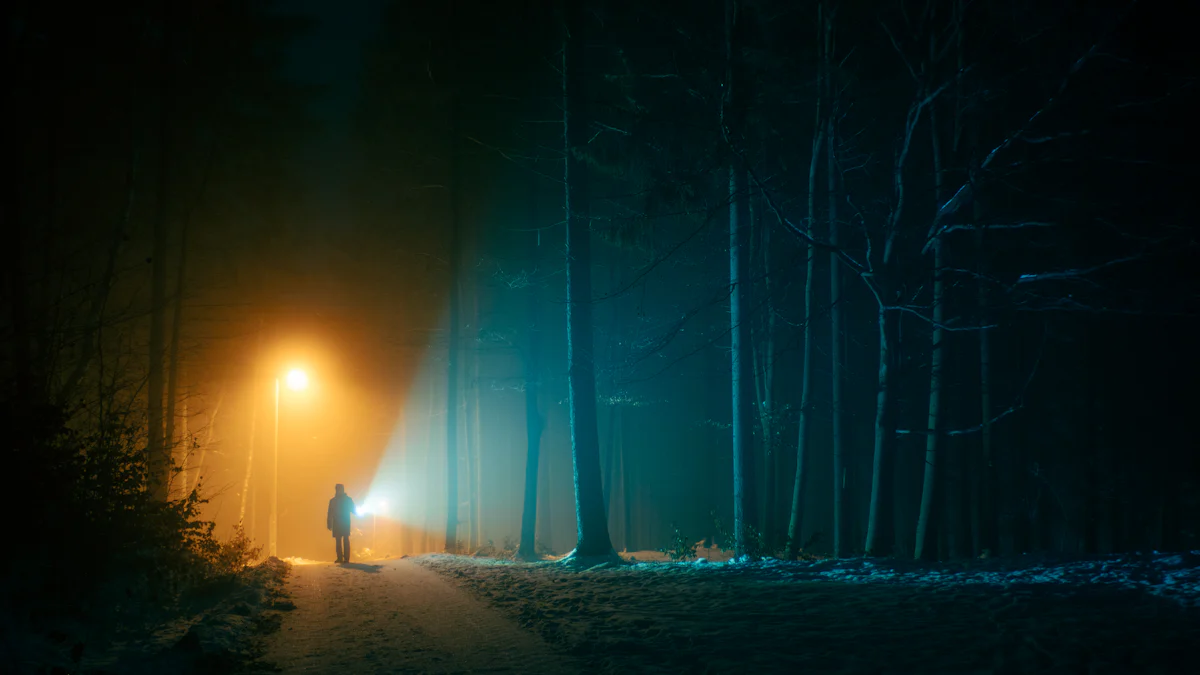
When a winter storm hits, your safety depends on being prepared. A flashlight is one of the most critical tools you can have in your gear. Imagine the power going out while you're at home or stranded in your car during heavy snowfall. Having a reliable flashlight ensures you’re not left in the dark.
It’s essential for any winter storm survival kit, giving you light when the power fails.
If you’re stuck in a vehicle, a flashlight helps you signal for help or navigate your surroundings.
Flashlights have proven to be lifesavers in real-life situations. Whether you’re dealing with a blackout or trying to stay safe in a snowstorm, they’re indispensable. You don’t want to rely on your phone’s flashlight, which drains its battery quickly. A dedicated flashlight is brighter, longer-lasting, and built for emergencies.
Pro Tip: Keep at least one flashlight in your car and another in your home. You’ll thank yourself when the next storm rolls in.
Enhanced Visibility on Trails and Slopes
Winter adventures often take you to dimly lit trails or snowy slopes where visibility is limited. Flashlights, especially LED models, are perfect for these conditions. They offer superior brightness compared to traditional lamps, giving you long-range illumination. This makes it easier to spot obstacles, icy patches, or trail markers.
Unlike headlamps, flashlights provide flexible lighting options. You can adjust the beam to focus on specific areas or widen it to light up your surroundings. Whether you’re hiking, skiing, or snowshoeing, a flashlight ensures you see what’s ahead and stay safe.
Versatility for Various Winter Activities
Flashlights aren’t just for emergencies. They’re incredibly versatile for all kinds of outdoor adventures. Heading out for a late-night snowshoeing trek? A flashlight lights your path. Setting up camp after sunset? It’s your go-to tool for pitching a tent or gathering firewood.
You can also use flashlights for fun activities like building a snow fort or having a nighttime snowball fight. Their compact size and portability make them easy to carry, so you’re always ready for whatever winter throws your way.
Note: Choose flashlights with adjustable brightness settings to suit different activities. A lower setting works for close-up tasks, while a higher one is ideal for long-distance visibility.
Key Features to Look for in a Winter Sports Flashlight
Brightness and Adjustable Beam Settings
When you're out in the snow, brightness matters. A flashlight with high lumens ensures you can see clearly, even in pitch-dark conditions. Look for models with adjustable beam settings. These let you switch between a focused beam for spotting distant objects and a wide beam for lighting up your immediate surroundings. This flexibility is perfect for activities like skiing or hiking, where lighting needs can change quickly.
Tip: A flashlight with at least 300 lumens is a great starting point for most winter sports. If you're venturing into remote areas, consider one with 500 lumens or more.
Battery Life and Cold-Weather Performance
Cold weather can drain batteries faster than you'd expect. To avoid being left in the dark, you need a flashlight with reliable battery life and excellent cold-weather performance. Lithium batteries are your best bet. They perform well in freezing temperatures, maintaining their charge even when the mercury drops. Alkaline batteries, on the other hand, struggle in the cold and can even leak or burst. Rechargeable batteries also falter in low temperatures, so they're not ideal for winter sports.
Best battery choice: Lithium batteries like Panasonic CR123A or Energizer Ultimate Lithium L91.
Why lithium? They work in temperatures as low as -40°F and last longer than other types.
Pro Tip: Always carry spare batteries in an insulated pouch to keep them warm and ready to use.
Durability and Waterproof Design
Winter sports can be tough on your gear. Your flashlight needs to handle snow, ice, and accidental drops. Look for models with weather resistance and a durable build. A flashlight with an IPX7 or IPX8 rating is ideal. These ratings mean the flashlight can withstand heavy rain or even temporary submersion in water. A rugged aluminum body adds extra protection against impacts.
Note: Weather resistance is crucial for winter sports. A waterproof flashlight ensures you won't have to worry about snow or slush ruining your gear.
Durability and waterproofing aren't just about surviving the elements. They also give you peace of mind, knowing your flashlight will work when you need it most. Choose the best flashlight for your needs by prioritizing these features.
Compact and Hands-Free Options
When you're out in the snow, carrying bulky gear can slow you down. That's why compact flashlights are a must-have for winter sports. These smaller models fit easily into your pocket or backpack without adding extra weight. You’ll barely notice they’re there until you need them. Perfect for activities like skiing or snowshoeing, they let you move freely while staying prepared for any situation.
Hands-free options, like headlamps or clip-on flashlights, take convenience to the next level. Imagine hiking through a snowy trail at night. With a hands-free flashlight, you can keep your hands on your trekking poles or adjust your gear without fumbling in the dark. These tools are also great for setting up camp or fixing equipment when you need both hands free.
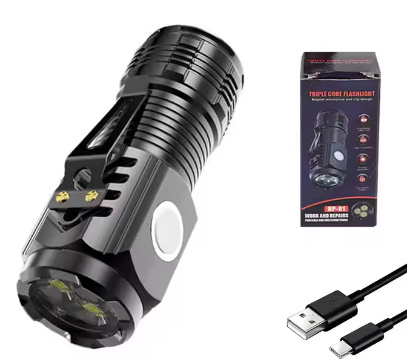
Some flashlights even come with magnetic bases or hooks. You can attach them to your tent, jacket, or even a nearby tree. This feature is a game-changer when you need steady light for tasks like cooking or repairing gear. It’s like having an extra pair of hands to hold the light exactly where you need it.
Tip: Look for a flashlight with a lightweight design and adjustable straps if you’re considering a headlamp. Comfort matters when you’re wearing it for hours.
Compact and hands-free flashlights aren’t just practical—they’re essential for making your winter adventures safer and more enjoyable. Whether you’re navigating icy trails or setting up camp, these options ensure you’re always ready for the unexpected.
How to Integrate Flashlights into Your Outdoor Gear Setup
Strategic Placement for Accessibility
When you’re out on winter adventures, quick access to your flashlight can make all the difference. You don’t want to waste time digging through your backpack in the dark. Instead, think about where you’ll store it before heading out. Attach it to your backpack’s shoulder strap or keep it in an outer pocket. This way, you can grab it without hassle.
For hands-free options, clip a flashlight to your jacket or belt loop. If you use a flashlight with a magnetic base, stick it to a metal surface on your gear or vehicle. These placements ensure your light is always within reach when you need it most.
Tip: Use a lanyard or carabiner to secure your flashlight. It prevents accidental drops and keeps it close at hand.
Usage Scenarios for Winter Sports
Flashlights are incredibly versatile for outdoor adventures. Picture yourself snowshoeing through a forest at dusk. A flashlight helps you spot icy patches and maintain visibility on the trail. If you’re skiing, it can illuminate your path during early morning or evening runs.
Camping in the winter? Use a flashlight to set up your tent, cook meals, or gather firewood after sunset. It’s also handy for signaling others in low-visibility conditions. Even fun activities like nighttime sledding or building a snow fort become safer and more enjoyable when you use a flashlight.
Pro Tip: Choose a flashlight with adjustable brightness. Lower settings work well for close-up tasks, while higher settings are perfect for lighting up larger areas.
Maintenance Tips for Longevity
Taking care of your flashlight ensures it’s ready for all your outdoor adventures. After each trip, wipe it down to remove dirt, moisture, or snow. Check the battery compartment for leaks, especially if you’ve been in freezing temperatures. Replace the batteries as needed to avoid corrosion.
Store your flashlight in a dry, cool place when not in use. If you use a flashlight with rechargeable batteries, charge them fully before storing. For long-term storage, remove the batteries to prevent damage.
Note: Inspect your flashlight regularly for cracks or wear. A little maintenance goes a long way in keeping it reliable for your winter adventures.
Why Flashlights Are Essential During a Winter Storm
Emergency Preparedness
When a winter storm hits, being prepared can make all the difference. Flashlights are one of the most reliable tools you can have in your emergency kit. Power outages are common during a storm, leaving you in complete darkness. A flashlight ensures you have light when other sources fail. Unlike candles, which can be a fire hazard, flashlights are safer and more dependable.
Navigating through heavy snow becomes much easier with a flashlight in hand. Whether you’re trying to find your way around your home or walking to safety, it provides the visibility you need. If flooding occurs during a storm, a flashlight helps you safely check for leaks or water damage without risking electric shock. It’s a simple tool, but it can save you from dangerous situations.
Pro Tip: Keep a flashlight in an easy-to-reach spot, like your bedside table or emergency bag. You’ll be glad it’s there when the lights go out.
Complementing Other Winter Gear
Flashlights work hand-in-hand with your other winter gear to keep you safe and prepared. During a winter storm, they outperform cheaper alternatives like candles or dim lanterns. They provide reliable light, helping you use other tools effectively. For example, if your vehicle gets stuck in heavy snow, a flashlight helps you inspect the tires or signal for help.
In freezing conditions, flashlights also make it easier to use shovels, ice scrapers, or emergency blankets. Need to check your snow boots or adjust your winter coat in the dark? A flashlight ensures you can see what you’re doing. It’s a small addition to your gear, but it enhances the functionality of everything else you carry.
Note: Choose a flashlight with a waterproof design. Snow and slush won’t damage it, so you can rely on it no matter how bad the storm gets.
Flashlights aren’t just a backup plan. They’re an essential part of your winter storm strategy, working alongside your other gear to keep you safe and prepared.
Flashlights are more than just a tool—they’re a lifeline during your winter outdoor adventures. They enhance your safety, improve visibility, and adapt to various activities, from skiing to camping. Choosing the right flashlight can make all the difference. Focus on key features like brightness (200 to 1000 lumens), long battery life, and durable, weather-resistant materials. Compact designs and multiple lighting modes add even more versatility.
Investing in a high-quality flashlight ensures you’re prepared for anything winter throws your way. Whether you’re navigating icy trails or enjoying nighttime outdoor adventures, a reliable flashlight keeps you safe and ready for the unexpected.
FAQ
What type of flashlight is best for winter sports?
Choose a flashlight with high lumens (300+), adjustable beam settings, and cold-weather battery performance. Look for durable, waterproof designs to handle snow and ice. Compact or hands-free options, like headlamps, are ideal for skiing, hiking, or camping.
Tip: Lithium batteries work best in freezing temperatures.
How do I store my flashlight during winter trips?
Keep your flashlight in an accessible spot, like an outer pocket or clipped to your gear. Store spare batteries in an insulated pouch to prevent freezing. After use, wipe it dry and check for moisture or dirt.
Pro Tip: Use a lanyard or carabiner to secure your flashlight.
Can I use rechargeable flashlights in cold weather?
Rechargeable flashlights can work, but their batteries drain faster in freezing temperatures. If you rely on one, carry a backup flashlight with lithium batteries. This ensures you’re prepared for extended outdoor adventures.
Note: Always charge your flashlight fully before heading out.
How do I maintain my flashlight for long-term use?
Clean your flashlight after every trip. Remove dirt, snow, or moisture. Check the battery compartment for leaks and replace batteries as needed. Store it in a cool, dry place when not in use.
Reminder: Remove batteries during long-term storage to prevent corrosion.
Are headlamps better than handheld flashlights for winter sports?
Headlamps offer hands-free convenience, making them great for activities like skiing or setting up camp. Handheld flashlights provide more control and adjustable beam options. The best choice depends on your activity and personal preference.
Tip: Consider carrying both for maximum versatility.
See Also
Choosing The Ideal Flashlight Or Headlamp For Outdoor Fun
Enhance Outdoor Safety Using Mini Pocket Flashlights In Bulk
Tips For Selecting The Top Camping Lights For Retail
Locating The Finest Wholesale Flashlight Supplier For Camping
Five Essential Tips For Picking The Right Flashlight Or Headlamp