Why You Should Look for Flashlight Suppliers with Sustainable Practices

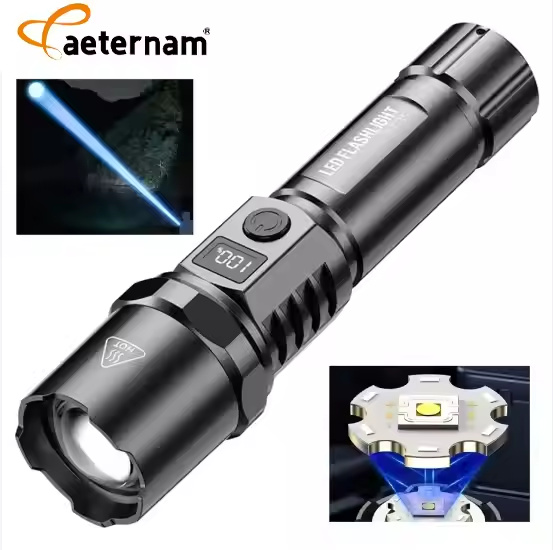
When you choose flashlight suppliers with sustainable practices, you take a step toward protecting the planet and uplifting communities. These suppliers prioritize eco-friendly methods, such as using biodegradable plastics that naturally decompose and recycled metals that conserve resources. By reducing waste and pollution, they help minimize landfill contributions and lower energy consumption during production.
Sustainability also extends to people. Ethical labor practices ensure workers receive fair wages and safe conditions, fostering social responsibility. Supporting these suppliers not only benefits the environment but also enhances their reputation, attracting like-minded consumers like you. This is why you should look for flashlight suppliers with sustainable practices—it’s a choice that creates a brighter future for everyone.
Key Takeaways
Picking flashlight suppliers with green practices helps the Earth. It also supports fair work conditions for workers.
Choose materials like biodegradable plastics or recycled metals. These help cut waste and protect the environment.
Buy from suppliers that use local materials. This lowers shipping pollution and helps local businesses grow.
Look for labels like ISO 14001 or Fair Trade. These show the supplier cares about the planet and fair work.
What you buy affects demand for eco-friendly products. Choosing green items pushes companies to be more Earth-friendly.
Why Sustainability Matters in Flashlight Suppliers

Environmental Impact
Reducing waste and pollution in production
When you choose flashlights from sustainable suppliers, you help reduce waste and pollution. Traditional flashlight production often relies on non-recyclable materials like Acrylonitrile Butadiene Styrene (ABS) and High-Density Polyethylene (HDPE). These materials contribute to growing landfill waste. Additionally, disposable batteries release harmful chemicals into the soil and water when discarded. Sustainable suppliers combat this by using recyclable materials and promoting rechargeable batteries. This shift not only minimizes waste but also supports environmental stewardship by conserving resources.
Lowering emissions with energy-efficient manufacturing
Energy-efficient manufacturing plays a vital role in reducing carbon emissions. Many sustainable suppliers now use LED technology, which consumes less energy during production. Some even adopt renewable energy sources, such as solar power, to create rechargeable flashlights. By embracing circular economy practices like recycling components and designing for longevity, these suppliers further lower emissions and conserve resources. Supporting such efforts allows you to contribute to a cleaner, greener planet.
Social Responsibility
Promoting ethical labor and fair wages
Sustainability isn’t just about the environment—it’s also about people. Ethical flashlight suppliers ensure workers receive fair wages and work in safe conditions. They adhere to international standards, prohibiting child and forced labor. By choosing these suppliers, you support social responsibility and help create a fairer world for everyone involved in the supply chain.
Supporting local communities and reducing exploitation
Sustainable suppliers often prioritize local sourcing, which strengthens communities and reduces exploitation. By investing in local economies, they create jobs and foster growth. This approach not only uplifts communities but also ensures supply chain sustainability by building trust and long-term partnerships.
Economic Benefits
Long-term cost savings through resource efficiency
Sustainable practices lead to significant economic benefits. Resource-efficient production reduces waste and optimizes material use, lowering costs. Renewable energy sources, like solar power, cut long-term energy expenses. Recycling materials minimizes disposal fees and decreases the need for raw materials. These practices also enhance brand reputation, attracting eco-conscious consumers like you.
Building a sustainable supply chain for resilience
A sustainable supply chain ensures resilience during disruptions. For example, companies with sustainable procurement programs managed to maintain operations during the Covid-19 pandemic while others struggled. This resilience builds trust and reputation, making sustainability a smart choice for long-term success.
Benefits of Choosing Sustainable Flashlight Suppliers

Reduced Environmental Footprint
Using green materials and rechargeable batteries
Choosing flashlights made with green materials significantly reduces their environmental impact. Biodegradable plastics naturally decompose, leaving no harmful residues, unlike traditional plastics that take centuries to break down. Recycled metals conserve natural resources and require less energy during production, which lowers pollution and landfill waste. Additionally, sustainable suppliers often use LED technology, which consumes less energy and lasts longer than incandescent bulbs. Rechargeable and solar-powered flashlights eliminate the need for disposable batteries, further reducing waste. By opting for these eco-friendly options, you contribute to a cleaner planet and extend the lifecycle of your flashlight.
Minimizing transportation emissions with local sourcing
Local sourcing plays a crucial role in minimizing transportation emissions. When suppliers are geographically closer, products travel shorter distances, which reduces fuel consumption and carbon emissions. This streamlined approach not only lowers the environmental impact but also supports local economies. By choosing suppliers that prioritize local sourcing, you help create a sustainable supply chain that benefits both the planet and nearby communities.
Ethical and Transparent Practices
Ensuring fair treatment of workers
Sustainable flashlight suppliers uphold social responsibility by ensuring fair labor practices. Workers receive fair wages, safe working conditions, and respect throughout the production process. These ethical standards prevent exploitation and foster a positive work environment. When you support such suppliers, you advocate for human dignity and contribute to a more equitable world.
Transparency in sourcing and production
Transparency builds trust between consumers and suppliers. Ethical suppliers openly share information about their sourcing and production processes. For example, they may provide regular updates and clear documentation to demonstrate compliance with sustainability standards. This openness allows you to make informed decisions and ensures that your purchase aligns with your values. Companies that prioritize transparency also strengthen their reputation, attracting consumers who value ethical and sustainable practices.
Driving Innovation in Sustainability
Supporting the development of eco-friendly technologies
Sustainable flashlight suppliers drive innovation by developing eco-friendly technologies. Solar-powered flashlights harness renewable energy, reducing reliance on disposable batteries. Hybrid models combine rechargeable batteries with solar panels, offering versatility and efficiency. Manufacturers also experiment with biodegradable plastics and recycled metals to minimize waste. By supporting these advancements, you encourage the industry to prioritize sustainability and adopt greener solutions.
Encouraging industry-wide adoption of sustainable practices
Your choice to support sustainable suppliers creates a ripple effect across industries. Flashlight manufacturers adopting sustainable practices inspire other sectors to follow suit. For instance, the outdoor industry has embraced energy-efficient designs and innovative materials, conserving resources and attracting eco-conscious buyers. As more consumers demand sustainable products, companies across various industries are compelled to adopt environmentally responsible practices. Your actions can help shape a future where sustainability is the norm.
How to Identify Flashlight Suppliers with Sustainable Practices
Check for Certifications
Look for eco-labels like ISO 14001 or Fair Trade
Certifications are a reliable way to identify flashlight suppliers committed to sustainability. Look for eco-labels that demonstrate adherence to environmental standards. For example, ISO 14001 ensures effective environmental management systems, while the EU Ecolabel highlights high environmental standards. The Carbon Trust Standard is another excellent indicator, as it reflects genuine reductions in carbon emissions. These certifications provide assurance that the supplier prioritizes sustainability in their operations.
Certification | Description |
|---|---|
ISO 14001 | Ensures effective environmental management systems. |
EU Ecolabel | Indicates adherence to high environmental standards. |
Carbon Trust Standard | Demonstrates genuine reductions in carbon footprint. |
Verify compliance with ESG standards
You can verify a supplier's compliance with ESG (Environmental, Social, and Governance) standards through several methods:
Use platforms like SourceReady and EcoVadis to evaluate suppliers based on ESG credentials.
Check directories maintained by industry associations for ESG-compliant suppliers.
Look for certifications such as SA8000 or B Corp Certification.
Review suppliers' websites and ESG reports for detailed information.
Conduct audits or use third-party services to assess compliance.
Send questionnaires to suppliers to gather insights into their ESG practices.
These steps ensure you choose suppliers who align with your values and contribute to a sustainable supply chain.
Evaluate Supply Chain Sustainability
Research sourcing and manufacturing transparency
Supply chain transparency is key to understanding a supplier's sustainability efforts. Research their sourcing and manufacturing processes. Ethical suppliers often disclose their use of recycled materials, renewable energy, and partnerships with local suppliers. This transparency builds trust and ensures their commitment to reducing environmental impact.
Indicator | Description |
|---|---|
Waste Reduction | Innovative packaging designs reduce waste while protecting products. |
Energy Efficiency | Flashlights designed to consume less power, extending battery life and reducing energy use. |
Ethical Sourcing | Companies using 100% recycled materials and solar-powered production facilities. |
Collaboration with Suppliers | Partnerships with local suppliers to reduce transportation emissions and enhance efficiency. |
Certifications and Eco-labels | Use of labels like FSC and EU Ecolabel to indicate adherence to environmental standards. |
Review publicly available sustainability reports
Sustainability reports offer valuable insights into a supplier's practices. These reports often include metrics like carbon emissions, water management, and circular economy efforts. For example, a supplier reducing emissions by transitioning to renewable energy demonstrates a strong commitment to sustainability. Reviewing these reports helps you assess their environmental impact and supply chain sustainability.
Metric | What it measures | Why it matters |
|---|---|---|
Carbon emissions | How suppliers reduce their carbon footprint and transition to cleaner energy sources | Climate change is a growing concern, and cutting emissions is essential for sustainability and regulatory compliance |
Water management | Responsible use, recycling, and protection of natural water sources | Sectors like manufacturing and agriculture rely heavily on water, making efficient use crucial for environmental impact |
Circular economy | Efforts to minimize waste through recycling, reuse, and efficient resource use | Supports a “closed-loop” system, reducing waste and promoting sustainable production and consumption patterns |
Assess Waste Reduction Efforts
Look for recycling programs and eco-friendly packaging
Sustainable flashlight suppliers often implement recycling programs and use eco-friendly packaging. These strategies significantly reduce landfill waste and conserve natural resources. For instance, paper and cardboard recycling rates exceed 93%, showcasing the effectiveness of such programs. Biodegradable and compostable packaging further minimizes waste pollution, contributing positively to the environment.
Recycling programs recover materials and prevent landfill waste.
Eco-friendly packaging reduces carbon footprints and conserves resources.
Biodegradable options break down naturally, leaving no harmful residues.
Check for biodegradable or recyclable materials
Suppliers using biodegradable plastics and recycled metals demonstrate a strong commitment to sustainability. These materials reduce waste and lower environmental impact. Additionally, designing flashlights for durability and repairability extends their lifespan, reducing the need for replacements. By choosing such suppliers, you support a sustainable supply chain management approach that benefits both the planet and future generations.
Why Supporting Sustainable Suppliers Makes a Difference
Consumer Influence
Driving demand for sustainable products
Your purchasing decisions hold immense power. When you choose products from sustainable suppliers, you send a clear message to the market. Businesses take notice when consumers prioritize sustainability. In fact:
92% of shoppers consider sustainability important when selecting a brand.
Nearly half of U.S. consumers are willing to change their buying habits to protect the environment.
This growing demand encourages companies to adopt eco-friendly practices. By supporting sustainable flashlight suppliers, you help drive innovation and push the industry toward reducing its environmental impact. Your choices inspire businesses to prioritize sustainability, creating a positive cycle of change.
Creating a ripple effect for ethical business practices
Your support for ethical suppliers doesn’t just stop at the checkout counter. It creates a ripple effect that extends across industries. For example, Patagonia has integrated eco-friendly methods into its flashlight production. By openly sharing its sustainability challenges, the company inspires others to follow suit. This approach strengthens stakeholder relationships, builds trust, and motivates teams to stay accountable. When you choose ethical suppliers, you contribute to a movement that encourages transparency and sustainability across the supply chain.
A Sustainable Future
Contributing to a healthier planet for future generations
Supporting sustainable suppliers directly impacts the health of our planet. Companies like Apple and Intel work closely with their suppliers to meet rigorous sustainability standards. Apple’s regular audits ensure environmental responsibility, while Intel collaborates with suppliers to reduce their environmental impact. These efforts demonstrate how a sustainable supply chain can protect natural resources and combat climate change. By choosing sustainable products, you help create a cleaner, healthier world for future generations.
Encouraging global supply chain sustainability
Your actions as a consumer have global implications. Promoting sustainability in supply chains advances human rights, supports anti-corruption policies, and addresses challenges like climate change. It also enhances brand reputation and operational efficiency. By prioritizing sustainable suppliers, you contribute to a global movement that fosters environmental progress and ensures supply chain sustainability. Together, we can build a future where ethical practices and risk reduction are the norm.
Supporting flashlight suppliers with sustainable practices empowers you to make a meaningful difference. By choosing products made with eco-friendly materials like recycled plastics and durable components, you reduce waste and promote sustainability. Rechargeable batteries and recyclable packaging further enhance your impact. Certifications such as CE and RoHS also reflect a supplier's commitment to sustainability and environmental safety.
Your informed choices reduce carbon footprints, contribute to waste reduction, and inspire others to prioritize sustainability. Start by researching suppliers who value transparency and ethical practices. Together, we can create a brighter, more sustainable future for everyone.
FAQ
What are the key benefits of choosing sustainable flashlight suppliers?
Sustainable suppliers help you reduce your environmental footprint, support ethical labor practices, and promote innovation. By choosing them, you contribute to a cleaner planet, fairer workplaces, and a brighter future. 🌍 Your decision inspires others to prioritize sustainability and creates a ripple effect across industries.
How can I verify if a flashlight supplier is truly sustainable?
Look for certifications like ISO 14001 or Fair Trade. Check their sustainability reports and ESG compliance. Research their sourcing and manufacturing transparency. Suppliers who openly share their practices and meet recognized standards are more likely to align with your values.
Are sustainable flashlights more expensive?
Not always! While some eco-friendly options may have higher upfront costs, they often save you money in the long run. Rechargeable batteries, durable designs, and energy-efficient technologies reduce replacement and energy expenses. Investing in sustainability benefits both your wallet and the planet. 💡
Why should I care about ethical labor practices in flashlight production?
Ethical labor practices ensure fair wages, safe conditions, and respect for workers. By supporting suppliers who prioritize these values, you help combat exploitation and promote social equity. Your choices empower communities and create a more just and sustainable world.
Can my small purchase really make a difference?
Absolutely! Every purchase sends a message. When you choose sustainable products, you drive demand for eco-friendly practices. 🌱 Your actions inspire businesses to innovate and adopt greener solutions. Together, small steps create big changes for the planet and society.
See Also
Important Factors and Trends When Selecting Flashlight Suppliers
Essential Advice for Finding Your Ideal Flashlight Supplier
Guidelines for Finding Dependable Wholesale Flashlight Sources