Behind the Scenes: How Flashlights Are Manufactured for Bulk Orders

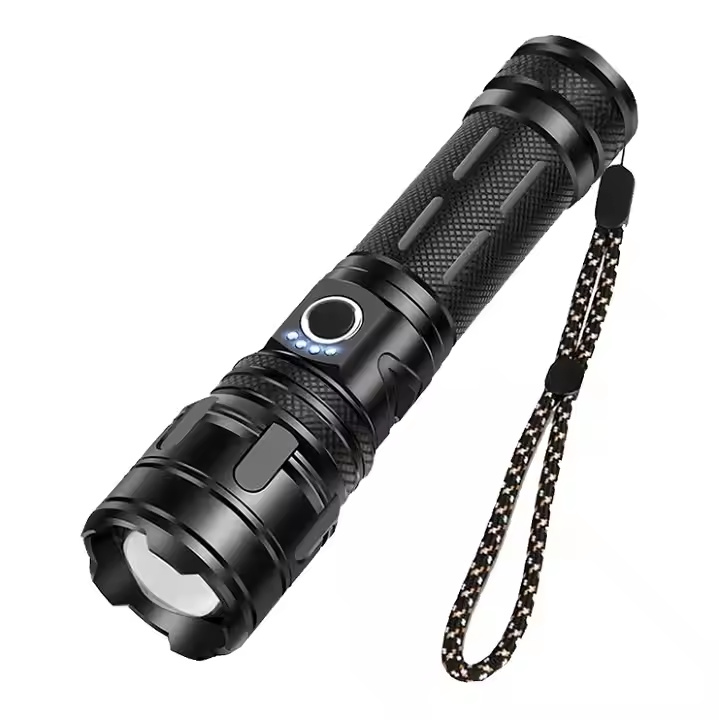
Flashlight manufacturing for bulk orders offers several advantages for businesses. Buying in bulk ensures you always have a steady supply of high-quality flashlights, eliminating the need for frequent purchases. This process also allows you to create custom designs, such as adding your company logo. A branded flashlight not only serves as a practical tool but also provides long-term exposure for your business. Behind the scenes: how flashlights are manufactured for bulk orders involves a precise process that balances quality and efficiency. Each step ensures the final product meets your expectations.
Key Takeaways
Buying many flashlights at once saves money and ensures supply.
Adding your logo makes flashlights great for advertising your business.
Checking quality is important; makers test each flashlight carefully.
Using strong materials like aluminum makes flashlights last longer.
Various flashlight types, like tactical ones, meet different needs well.
Components of a Flashlight

Key Parts and Their Roles
The casing: Durability and materials
The casing serves as the backbone of a flashlight. It protects the internal components from damage and ensures the flashlight remains functional in various environments. Manufacturers often use lightweight yet durable materials like aluminum or high-grade plastics. These materials resist impact and corrosion, making the flashlight suitable for outdoor or heavy-duty use.
The bulb: LED vs. traditional options
The bulb is the heart of the flashlight. Modern flashlights primarily use LEDs due to their energy efficiency, brightness, and long lifespan. LEDs also generate less heat compared to traditional incandescent bulbs. While incandescent bulbs are still used in some models, LEDs dominate the market because they provide better performance and reliability.
The power source: Batteries and alternatives
Batteries power the flashlight, ensuring it operates effectively. Common options include AA and AAA batteries, which are non-rechargeable and have a long shelf life. Rechargeable lithium-ion batteries are another popular choice, offering high performance and a low self-discharge rate. Some flashlights also use alternative power sources like solar energy or hand-crank mechanisms for added convenience.
Materials Used in Manufacturing
Metals and plastics for the casing
Flashlight casings are typically made from aluminum or durable plastics like ABS. Aluminum is lightweight, resists corrosion, and dissipates heat effectively. Plastics are easy to mold and provide excellent mechanical strength. For high-performance models, manufacturers may use titanium or magnesium alloys for added durability.
Electrical components and wiring
The internal wiring and electrical components connect the batteries to the bulb. These parts ensure the flashlight operates smoothly. High-quality wiring and switches are essential to maintain consistent performance and prevent malfunctions.
Lens and reflector materials
The lens and reflector work together to shape and direct the light beam. Reflectors are often made from polished aluminum or plastic with a reflective coating. These materials enhance the flashlight’s brightness by focusing the light. The lens, typically made from glass or polycarbonate, adjusts the beam’s shape to meet specific needs, such as creating a narrow spotlight or a wide floodlight.
Step-by-Step Flashlight Manufacturing Process
Sourcing Materials
Selecting durable and high-quality materials
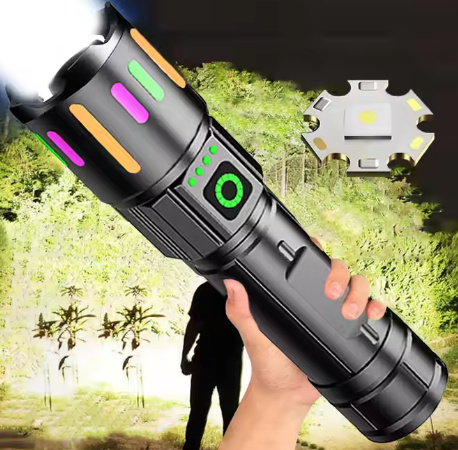
The flashlight manufacturing process begins with sourcing the right materials. You need to ensure that every component meets high standards for durability and performance. Manufacturers typically procure raw materials such as LED chips, batteries, circuit boards, casings, lenses, and switches. These materials form the foundation of a reliable flashlight. Selecting durable metals like aluminum or high-grade plastics ensures the casing can withstand wear and tear. For the internal components, high-quality wiring and LED chips guarantee consistent brightness and energy efficiency.
Partnering with reliable suppliers
Reliable suppliers play a critical role in maintaining the quality of your flashlights. Manufacturers often establish long-term partnerships with trusted vendors to secure a steady supply of materials. This collaboration ensures that every batch of components meets the required specifications. By working with dependable suppliers, you can avoid delays and maintain consistency in the flashlight manufacturing process.
Crafting and Assembling Components
Molding and machining the casing
The casing is crafted using advanced techniques like injection molding for plastics or machining for metals. Polymers such as polystyrene are molded into precise shapes, while metals like aluminum are machined for structural integrity. These methods ensure the casing is lightweight yet durable, making it suitable for various applications.
Producing and assembling the lens, reflector, and bulb
The lens, reflector, and LED bulb are essential for directing and amplifying light. Manufacturers use polished aluminum or coated plastic for reflectors to enhance brightness. The lens, often made from polycarbonate, shapes the beam for specific purposes. Once these components are ready, they are assembled with precision. Automated conveyor lines or skilled technicians handle this step, depending on the flashlight’s design.
Quality Assurance in Manufacturing
Performance testing for brightness and battery life
Testing ensures that each flashlight performs as expected. Brightness is measured using a photometer to verify luminous intensity. Battery life is tested under continuous operation to confirm energy efficiency. These tests ensure that the LED delivers consistent light output and the power source lasts as intended.
Durability testing for bulk orders
Durability testing evaluates how well the flashlight withstands real-world conditions. Manufacturers conduct drop tests to check impact resistance and water spray tests to assess waterproofing. Temperature and humidity chambers simulate extreme environments to ensure the flashlight remains functional. These rigorous tests guarantee that bulk orders meet high-quality assurance standards.
Packaging for Bulk Orders
Custom packaging options
When ordering flashlights in bulk, packaging plays a crucial role in both presentation and protection. You can choose from several custom packaging options, each offering unique benefits.
Blister Card Package: This option provides excellent visual appeal and protects the flashlight from damage. It is lightweight and recyclable, making it an eco-friendly choice. However, it can be more expensive and time-consuming to produce.
Sandwich Package: Known for its tamper-resistant design, this packaging secures the flashlight during shipping. It also optimizes space usage. While it is a popular choice, removing the flashlight from the container can be challenging.
Window Box Package: This packaging enhances customer trust by allowing them to see the product before purchase. It also increases the perceived value of the flashlight. However, creating this type of packaging often requires professional assistance.
Color Box Package: Lightweight and customizable, this option works well for automated processes. It offers a good visual effect but lacks waterproofing, which may be a concern for certain applications.
PVC Box Package: If you want a clear display with scratch resistance, this is a great choice. It also allows for various decorative options. However, it is less durable and harder to recycle compared to other types.
Display Box Package: This eco-friendly and low-cost option is ideal for showcasing flashlights. While it is customizable, it may not provide as much protection as other packaging types.
Packaging Type | Advantages | Disadvantages |
|---|---|---|
Blister Card Package | Visual impact, protection, lightweight, recyclable | Higher cost, time-consuming production |
Sandwich Package | Secure, tamper-resistant, protects during shipping, efficient space use | Difficult to remove flashlight from container |
Window Box Package | Builds customer trust, increases perceived value, ensures product integrity | Requires professional assistance for production |
Color Box Package | Good visual effect, customizable, efficient for automated processes | Lack of waterproofing |
PVC Box Package | Clear display, good scratch resistance, many decoration options | Not as durable, challenging to recycle |
Display Box Package | Low cost, lightweight, eco-friendly, customizable | Not as durable, may not protect items as well as other options |
Ensuring safe transport for large quantities
Bulk orders require careful packaging to ensure the flashlights arrive in perfect condition. Manufacturers often use reinforced boxes or crates to protect the products during transit. These containers are designed to withstand rough handling and environmental factors like moisture or temperature changes.
To further secure the flashlights, manufacturers use padding materials such as foam inserts or bubble wrap. These materials absorb shocks and prevent scratches or dents. For added safety, flashlights are often packed in individual compartments within the larger box. This prevents movement during shipping and reduces the risk of damage.
Labeling also plays a vital role in safe transport. Clear labels indicating "Fragile" or "Handle with Care" ensure that shipping personnel treat the packages appropriately. Additionally, manufacturers may use waterproof or tamper-proof seals to protect the contents from external elements.
By combining durable packaging materials, proper labeling, and secure packing techniques, you can ensure your bulk flashlight orders reach their destination safely and in top condition.
Quality Control Measures for Bulk Orders
Ensuring the quality of flashlights in bulk orders involves a meticulous process. Each stage of production undergoes thorough inspection and testing to guarantee consistent performance and durability.
Inspection at Every Stage
Material inspection before production
Before manufacturing begins, you must verify the quality of raw materials. This step ensures that components like LED chips, casings, and batteries meet the required standards. Reliable suppliers provide materials that pass initial checks for durability, energy efficiency, and structural integrity. By addressing potential issues early, you can prevent defects in the final product.
Final product inspection
Final inspections confirm that the flashlights meet your expectations. This process includes several key steps:
Packaging Inspection: Inspect outer and inner cartons for damage and verify that packaging materials protect the flashlights effectively.
Product Appearance: Check for visual defects and ensure all components are properly assembled.
Tactical Performance Test: Measure brightness, battery life, water resistance, and other performance metrics.
Bulk Flashlights and Samples Comparison: Compare finished products to approved samples to ensure they align with specifications.
These inspections ensure that every flashlight in your bulk order is ready for use.
Batch Testing for Consistency
Randomized testing for large orders
Randomized testing evaluates a sample of flashlights from each batch. This method identifies inconsistencies without inspecting every unit. Manufacturers use advanced techniques to assess performance and durability.
Test Method | Purpose |
|---|---|
Luminous Intensity Test | Measures brightness and calculates beam distance. |
Shakeout Test | Assesses surface durability and scratch resistance. |
Bending Test | Evaluates brightness retention after bending. |
Salty Spray Test | Tests corrosion resistance in high-humidity environments. |
Environmental Test | Assesses performance under extreme temperatures. |
Ensuring uniformity in performance
Batch testing ensures that all flashlights perform consistently. For example, vibration tests check for damage caused by movement during shipping. Waterproof rating tests confirm that flashlights can withstand submersion. These evaluations help maintain high standards across your entire order.
Meeting Industry Standards
Certifications for safety and performance
Flashlights must meet industry standards to ensure safety and reliability. For hazardous environments, certifications like UL, MSHA, and ATEX confirm that the flashlights are intrinsically safe. These certifications involve rigorous testing for temperature resistance, electrical safety, and mechanical impact.
Compliance with client specifications
Manufacturers tailor flashlights to meet your specific needs. This includes adhering to design, performance, and packaging requirements. By aligning with your specifications, manufacturers deliver products that match your expectations.
Quality control measures, including inspections, batch testing, and certifications, ensure that your bulk flashlight orders meet the highest standards. These steps guarantee reliability, durability, and customer satisfaction.
Customization Options for Bulk Flashlight Orders
Design Customization
Branding and logo placement
Customizing flashlights with your brand’s logo transforms them into powerful marketing tools. Strategic logo placement ensures your brand remains visible during use, creating a lasting impression on customers. Popular logo placements include the barrel, clip, or lens rim. You can choose from several methods to apply your logo:
Screen Printing: A cost-effective option for bold and simple designs.
Full-Color Transfer Printing: Ideal for intricate and detailed logos.
Laser Engraving: Offers a premium, durable finish that resists wear over time.
Branding not only aligns the flashlight with your company’s identity but also enhances customer satisfaction. High-quality designs and thoughtful placement reinforce brand recognition and loyalty.
Custom colors and finishes
Colors play a vital role in making your flashlights stand out. You can select custom colors that match your brand identity, ensuring consistency across your promotional materials. Finishes like matte, glossy, or metallic add a unique touch to the flashlight’s appearance. These options allow you to create a product that reflects your brand’s personality while appealing to your target audience.
Functional Customization
Adjustable brightness levels
Flashlights with adjustable brightness levels offer versatility for different situations. You can customize the flashlight to include multiple modes, such as high, medium, low, or strobe. This feature makes the flashlight suitable for various tasks, from reading in dim light to outdoor adventures requiring powerful beams.
Waterproof and shockproof features
Adding waterproof and shockproof features enhances the flashlight’s durability. These customizations ensure the flashlight performs reliably in harsh conditions, such as heavy rain or accidental drops. Waterproof ratings like IPX7 or IPX8 indicate the level of water resistance, while shockproof designs protect internal components from damage. These features make the flashlight ideal for outdoor enthusiasts and professionals.
Packaging Customization
Branded packaging
Custom packaging elevates the presentation of your flashlights. Options like rigid boxes or custom-built flashlight boxes add a premium touch, making the product more appealing to customers. Branded packaging also reinforces your company’s identity, ensuring your logo and design remain visible even before the flashlight is used.
Eco-friendly packaging options
Sustainable packaging appeals to environmentally conscious customers. You can choose materials like recycled cardboard or biodegradable plastics to reduce environmental impact. Eco-friendly packaging not only aligns with green initiatives but also enhances your brand’s reputation as a responsible business.
Customization options allow you to tailor flashlights to meet your specific needs. From design and functionality to packaging, these choices ensure your flashlights stand out while delivering exceptional value.
Types of Flashlights Commonly Produced in Bulk
Standard Flashlights
Everyday use models
Standard flashlights are perfect for daily tasks. These models typically offer brightness levels between 100 and 300 lumens, making them ideal for activities like finding items in dark spaces or walking at night. Their compact and lightweight designs enhance portability, while durable materials like aluminum or impact-resistant plastic ensure longevity. Many standard flashlights also feature adjustable beam settings, allowing you to switch between a focused spotlight and a broader floodlight. These features make them reliable tools for everyday use.
Cost-effective options for bulk orders
When ordering in bulk, standard flashlights provide a budget-friendly solution. They balance affordability with functionality, offering efficient battery life and compatibility with rechargeable batteries. With beam distances often exceeding 100 meters, these flashlights deliver excellent performance without breaking the bank. Their simple designs and ease of use make them a popular choice for businesses seeking practical yet economical lighting solutions.
Tactical Flashlights
High-performance models for professionals
Tactical flashlights cater to professionals like law enforcement officers, security personnel, and outdoor enthusiasts. These models often exceed 1,000 lumens, providing exceptional brightness for challenging environments. Built with military-grade materials like aircraft aluminum, they withstand impacts, drops, and extreme weather conditions. Many tactical flashlights include ergonomic features, such as a tail cap switch, enabling quick one-handed operation. This design ensures reliability and ease of use in high-pressure situations.
Features like strobe and zoom
Tactical flashlights offer advanced functionalities to adapt to various scenarios. Multiple modes, including strobe and SOS, enhance their versatility. Strobe mode can disorient attackers, while SOS mode signals for help during emergencies. Some models also feature zoom capabilities, allowing you to adjust the beam for long-range focus or wide-area illumination. These features make tactical flashlights indispensable tools for professionals and adventurers alike.
Feature/Aspect | Tactical Flashlights | Regular Flashlights |
|---|---|---|
Brightness and Beam Distance | Often exceed 1,000 lumens for long-range use | Moderate brightness for shorter-range tasks |
Durability and Build Quality | Made from aircraft-grade aluminum, IPX8 rated | Generally durable but less rugged |
Functionality and Modes | Multiple modes including strobe and SOS | Basic functionality with few modes |
Price Point | Generally more expensive due to features | More budget-friendly for general use |
Applications | Ideal for self-defense, outdoor adventures, and professional use | Suitable for everyday home use and casual activities |
Specialty Flashlights
UV flashlights for niche applications
UV flashlights serve unique purposes across various industries. These tools are invaluable for forensic investigations, helping detect bodily fluids at crime scenes. They also verify the authenticity of documents and artwork, locate pests like scorpions, and identify minerals that fluoresce. Pet owners use UV flashlights to find urine stains, while pest control professionals rely on them for targeted inspections. Their specialized applications make them essential for niche markets.
Rechargeable and solar-powered options
Rechargeable and solar-powered flashlights offer eco-friendly and cost-effective solutions. Rechargeable models eliminate the need for disposable batteries, reducing waste and saving money over time. Solar-powered flashlights provide sustainable lighting, especially in remote areas without access to electricity. These options often include features like USB charging and consistent brightness throughout the battery cycle. Their durability, combined with waterproof and impact-resistant designs, ensures reliable performance in tough conditions.
Advantage | Description |
|---|---|
Cost Savings | No need for disposable batteries, leading to long-term savings. |
Eco-Friendliness | Reduces waste and lowers carbon footprint by eliminating single-use batteries. |
Convenient Charging Options | USB charging and portable options ensure easy recharging. |
Consistent Performance | Maintains stable brightness throughout the battery's charge cycle. |
Durability | Often waterproof and impact-resistant, suitable for tough conditions. |
Whether you need standard, tactical, or specialty flashlights, bulk production offers tailored solutions to meet your specific requirements. Each type serves unique purposes, ensuring you find the perfect fit for your needs.
The flashlight manufacturing process for bulk orders ensures you receive reliable and high-quality products. Rigorous quality control measures, such as inspections at every stage and comprehensive testing, guarantee consistent performance. Tests like packaging inspection, product appearance checks, and battery evaluations ensure durability and functionality. Manufacturers also provide inspection reports for every bulk order, giving you confidence in the final product. Customization options allow you to tailor flashlights to your needs, whether for branding or specific features. By prioritizing quality, reliability, and client satisfaction, bulk flashlight production delivers exceptional value.
FAQ
What makes LED flashlights better than traditional ones?
LED flashlights last longer and consume less energy. They provide brighter light and generate less heat. These features make them more efficient and durable compared to traditional incandescent flashlights.
Can I customize flashlights for my business?
Yes, you can add your logo, choose custom colors, and even select specific features like waterproofing or adjustable brightness. Custom packaging options also allow you to align the product with your brand identity.
How do manufacturers ensure the quality of bulk orders?
Manufacturers conduct inspections at every stage, from material selection to final assembly. They also perform batch testing for performance and durability. Certifications and compliance with industry standards further guarantee quality.
Are rechargeable flashlights better than battery-operated ones?
Rechargeable flashlights save money over time and reduce waste. They offer consistent brightness and are eco-friendly. However, battery-operated models are more convenient for occasional use or emergency situations.
What is the most durable material for flashlight casings?
Aluminum is lightweight, corrosion-resistant, and highly durable. It is ideal for outdoor and heavy-duty use. High-grade plastics like ABS also provide excellent durability while being cost-effective.
💡 Tip: When choosing flashlights, consider your specific needs, such as brightness, durability, and power source. This ensures you get the best value for your investment.
See Also
Top Wholesale Sources for Bulk Flashlights and Supplies
Selecting Ideal LED Flashlights for Large-Scale Buying
Comprehensive Overview of Flashlight Production in China