How Flashlight Makers Are Leading the Sustainability Movement

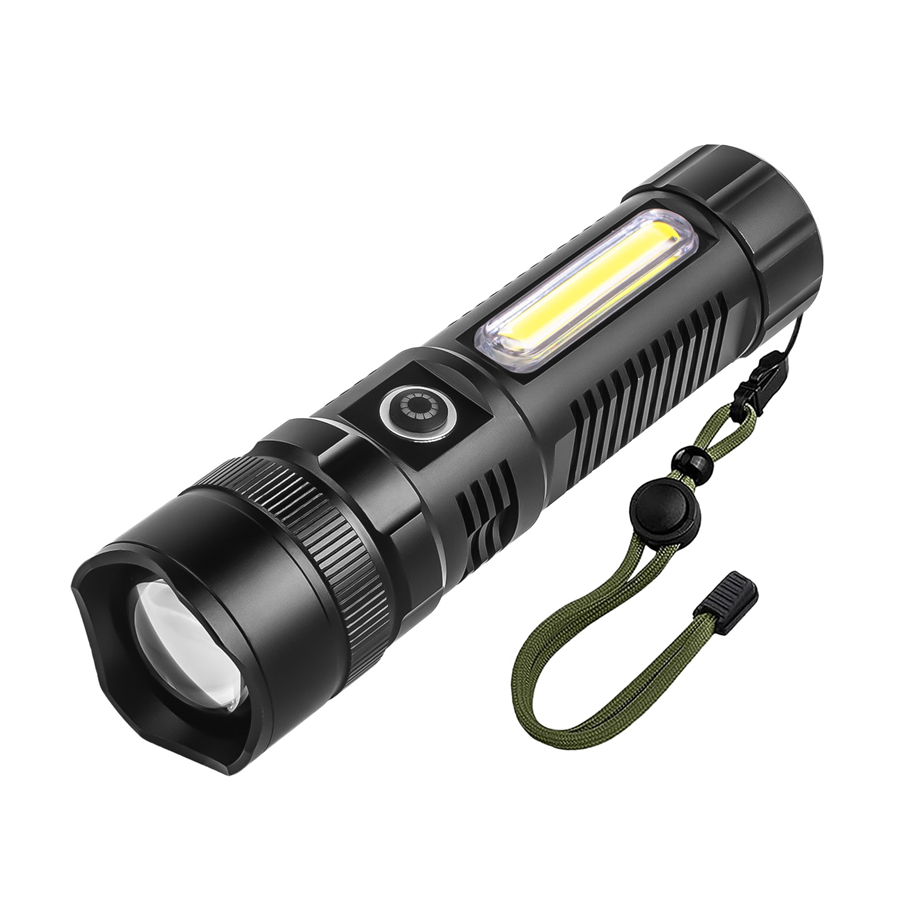
Flashlight manufacturers are stepping up to address their environmental impact. Many now use biodegradable plastics and recycled metals to reduce waste. The shift to LED technology has also cut energy consumption significantly. Solar-powered and rechargeable flashlights eliminate disposable batteries, reducing electronic waste. These eco-friendly innovations not only protect the environment but also benefit you. Durable designs mean fewer replacements, saving resources and money. By prioritizing environmental sustainability, manufacturers are creating products that last longer and work smarter. This shift reflects how flashlight manufacturers are reducing their environmental impact while promoting a greener future.
Key Takeaways
Flashlight makers use recycled and biodegradable materials to cut waste.
Energy-saving designs, like LED lights and solar power, use less energy.
Strong and fixable flashlights lower electronic waste and save money.
Pick brands with recycling programs to safely get rid of old flashlights.
Teach others about eco-friendly flashlights to inspire better choices.
The Environmental Challenges of Traditional Flashlights
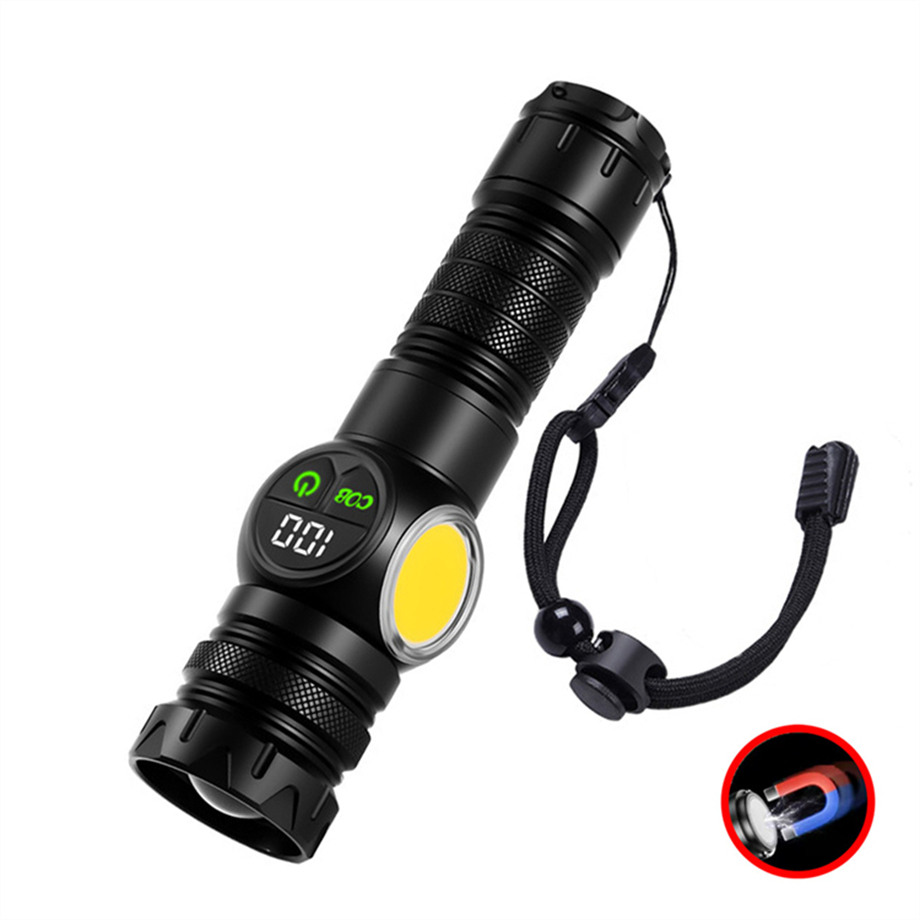
Resource-Intensive Manufacturing
Use of non-renewable materials like plastics and metals
Traditional flashlights rely heavily on non-renewable materials such as Acrylonitrile Butadiene Styrene (ABS) and High-Density Polyethylene (HDPE). These petroleum-based plastics are difficult to recycle and often end up in landfills, where they contribute to long-term waste. The extraction and refinement of these materials release greenhouse gases, worsening global warming. Metals used in flashlight production also require energy-intensive mining processes, which harm ecosystems and pollute the environment.
High energy consumption during production
The manufacturing process for traditional flashlights consumes significant energy, often sourced from coal power plants. This reliance on fossil fuels increases air pollution and carbon emissions. Older flashlight designs also use inefficient bulbs, which waste energy and require frequent battery replacements. These practices have a substantial impact on the environment, highlighting the need for more sustainable production methods.
Battery Waste and Toxicity
Environmental harm caused by disposable batteries
Disposable batteries are a major source of pollution. They contain hazardous substances like cadmium, lead, and mercury, which can contaminate soil and water when improperly disposed of. Manufacturing these batteries produces 176 metric tons of CO2 emissions, equivalent to driving a car for thousands of miles. Additionally, the extraction of materials for batteries releases toxic chemicals into the air, further harming the environment.
Challenges in recycling and proper disposal
Recycling batteries is complex and costly. Many batteries are integrated into devices, making disassembly difficult. This integration increases recycling costs and poses fire risks during transport and processing. While regulations like the WEEE Directive encourage manufacturers to design products for easier recycling, many traditional flashlights still lack modular designs, complicating proper disposal.
Short Product Lifespan
Contribution to electronic waste due to poor durability
Traditional flashlights often have a short lifespan, leading to frequent replacements. Disposable flashlights contribute significantly to electronic waste, releasing toxic chemicals into the environment. Manufacturing non-rechargeable batteries for these flashlights emits substantial CO2, further exacerbating their environmental impact.
Lack of repairable or modular designs
Most traditional flashlights are not designed for repair or part replacement. This lack of modularity means that when a flashlight breaks, it is often discarded rather than fixed. This practice increases landfill waste and depletes valuable resources. By extending the lifespan of flashlights through repairable designs, manufacturers could significantly reduce their environmental footprint.
How Flashlight Manufacturers Are Reducing Their Environmental Impact
Use of Recycled and Sustainable Materials
Incorporating recycled plastics and metals in flashlight designs
Flashlight manufacturers are embracing recycled materials to reduce their environmental impact. Many now use biodegradable plastics that naturally decompose without leaving harmful residues. Recycled metals like aluminum and steel are also common. These materials conserve natural resources and require less energy during production. By incorporating these sustainable materials, flashlight manufacturers are creating products that are both durable and eco-friendly.
Transitioning to biodegradable or eco-friendly materials
Switching to biodegradable and eco-friendly materials offers several benefits. Biodegradable plastics help reduce landfill waste and pollution. Recycled metals, such as aluminum, are infinitely recyclable, promoting resource conservation. These sustainable materials not only enhance the durability of flashlights but also support global sustainability efforts. By choosing flashlights made with these materials, you contribute to a cleaner and more sustainable environment.
Energy-Efficient Designs
Adoption of LED technology for lower energy consumption
Energy-efficient designs are transforming the flashlight industry. LED technology has become a standard feature, offering brighter light while using minimal energy. LEDs last longer than traditional bulbs, reducing the need for frequent replacements. This innovation helps flashlight manufacturers lower their environmental impact and provides you with a reliable, long-lasting light source.
Development of flashlights with longer battery life
Manufacturers are also focusing on extending battery life. Innovations like solid-state batteries and rechargeable options reduce the need for disposable batteries. These advancements conserve resources and minimize waste. For example, LED advancements provide brighter light with less energy, while wireless charging eliminates the hassle of cables. These energy-efficient designs make flashlights more sustainable and cost-effective for you.
Innovation | Benefit |
|---|---|
Solid-state batteries | Longer lifespan and faster charging |
Wireless charging | Eliminates cables for convenience |
LED advancements | Brighter light with minimal energy use |
Rechargeable batteries | Reduces need for disposable batteries |
Eco-friendly materials | Reduces waste and conserves resources |
Renewable Power Sources
Solar-powered flashlights as an alternative to disposable batteries
Solar-powered flashlights are a clean and sustainable alternative to traditional models. These flashlights harness renewable energy from the sun, eliminating the need for disposable batteries. Solar flashlights reduce electronic waste and help you save money by cutting battery replacement costs. They are also convenient for outdoor activities, as they charge using sunlight and do not require electrical outlets. This makes solar-powered flashlights a reliable and eco-friendly choice.
Environmentally Friendly: Solar flashlights use renewable energy, reducing reliance on disposable batteries.
Cost-effective: They save money by eliminating battery replacement costs.
Convenient: Sunlight charges them, making them ideal for outdoor use.
Reliable: They provide consistent light as long as sunlight is available.
Hand-crank and kinetic energy-powered flashlights
Hand-crank and kinetic energy-powered flashlights offer another renewable solution. These models rely on human energy, eliminating the need for disposable batteries. They produce zero emissions and are ideal for survival situations or outdoor adventures. By choosing these flashlights, you help reduce battery waste and promote sustainability. These innovative designs highlight how flashlight manufacturers are reducing their environmental impact through renewable energy solutions.
Hand-cranked flashlights reduce battery waste by eliminating disposable batteries.
They produce zero emissions, making them environmentally friendly.
These flashlights harness renewable energy, promoting sustainability.
Modular and Repairable Designs
Flashlights designed for easy repair and part replacement
Flashlight manufacturers are embracing modular designs to make repairs easier for you. These designs allow you to replace individual parts, such as bulbs, batteries, or switches, without discarding the entire flashlight. This approach not only saves you money but also reduces the number of flashlights that end up in landfills.
Tip: When shopping for a flashlight, look for models with replaceable components. This ensures you can fix minor issues instead of buying a new one.
Modular flashlights also support sustainability by promoting the principles of a circular economy. Instead of creating waste, these designs encourage you to reuse and repair products. By choosing a flashlight with modular features, you actively contribute to reducing environmental harm.
Modular designs enable part replacement, preventing unnecessary waste.
Repairable flashlights last longer, reducing the need for frequent replacements.
Investing in these products helps lower your environmental footprint.
Reducing waste by extending product lifespan
Durable and repairable flashlights play a crucial role in minimizing waste. When you can repair a flashlight, its lifespan increases significantly. This means fewer flashlights are discarded, which reduces the strain on landfills and conserves valuable resources.
Did you know? Repairable flashlights not only benefit the environment but also save you money in the long run.
By extending the lifespan of flashlights, manufacturers help reduce the demand for new materials. This approach aligns with global sustainability goals and ensures a lower environmental impact.
Repairable designs extend product lifespans, reducing electronic waste.
They minimize the need for resource-intensive manufacturing processes.
Choosing these flashlights supports a cleaner and greener planet.
Modular and repairable designs represent a significant step toward sustainability. By opting for these eco-friendly options, you help reduce waste and promote a more sustainable future.
Real-World Examples of Sustainable Flashlight Makers
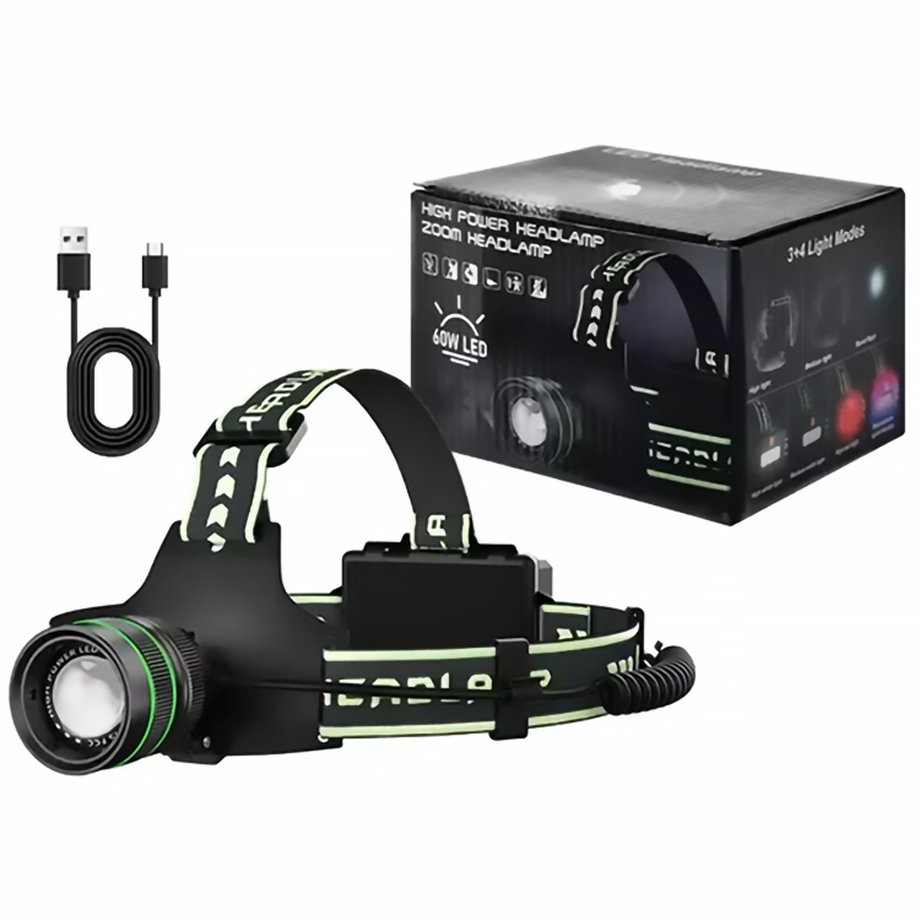
Companies Leading the Way
Maglite: Their use of durable materials and focus on repairable designs
Maglite has become a pioneer in sustainable flashlight production by focusing on durability and repairability. Their flashlights are built to last, reducing the need for frequent replacements. You can easily replace parts like bulbs and batteries, which aligns with circular economy principles. This approach minimizes waste and conserves resources, making Maglite a leader in eco-friendly practices.
MPOWERD: Innovations in solar-powered and collapsible flashlights
MPOWERD specializes in creating solar flashlights that are both innovative and environmentally friendly. Their collapsible designs make these flashlights portable and practical for outdoor use. MPOWERD also partners with organizations to distribute solar-powered lights in underserved communities, promoting sustainability while addressing energy access challenges. Their commitment to solar technology highlights how flashlight manufacturers can lead the way in reducing environmental impact.
Company | Sustainable Practices |
|---|---|
Maglite | Focuses on repairable designs and durable materials to reduce waste. |
MPOWERD | Specializes in solar-powered flashlights and collaborates with organizations to promote sustainability. |
Startups and Small Businesses
How smaller companies like BioLite are driving change with unique solutions
Startups like BioLite are revolutionizing the flashlight industry with eco-friendly innovations. BioLite uses recycled plastics and metals to create multi-functional products, such as flashlights that double as power banks. These designs not only reduce waste but also enhance functionality, making them a practical choice for you.
Many eco-friendly flashlights now use sustainable materials like recycled plastics and bamboo-derived components.
Advancements in LED technology have made flashlights more energy-efficient, lasting longer and using less power.
Features like rechargeable lithium-ion batteries and smart connectivity options enhance functionality while promoting sustainability.
Crowdfunding campaigns for eco-friendly flashlight designs
Crowdfunding platforms have become a hub for innovative flashlight designs. Many campaigns focus on creating flashlights with renewable materials and energy-efficient features. These initiatives often emphasize circular economy principles, ensuring that products are durable, repairable, and recyclable. By supporting these campaigns, you can help drive the adoption of sustainable flashlight production.
Innovation Type | Description |
|---|---|
Adoption of eco-friendly materials | Utilizing renewable resources like recycled plastics and bio-based polymers to create sustainable flashlights. |
Energy-efficient manufacturing processes | Implementing renewable energy sources and energy-saving technologies to lower greenhouse gas emissions during production. |
Promoting circular economy practices | Recycling components and designing for longevity to minimize waste and conserve resources in the supply chain. |
Industry-Wide Collaborations
Partnerships to promote sustainability standards
Flashlight manufacturers are forming partnerships with environmental organizations to promote sustainability standards. These collaborations focus on reducing waste, improving energy efficiency, and using renewable materials. By working together, companies can share resources and knowledge, expanding the reach of green initiatives.
Many brands partner with environmental organizations to promote sustainable practices.
Companies collaborate with sustainable retailers to promote eco-friendly products.
Partnerships help develop eco-friendly practices across the industry.
Certification programs for eco-friendly products
Certification programs play a crucial role in ensuring that flashlights meet environmental standards. Programs like the Ecodesign Directive and ErP Certification mandate energy efficiency and recyclability in flashlight production. Other certifications, such as UL Certification and GreenGuard, verify safety, quality, and low emissions. These certifications help you identify products that align with sustainability goals.
Certification | Description |
|---|---|
Ecodesign Directive | Ensures LED lights meet efficiency, performance, and durability requirements, including energy efficiency levels and recyclability. |
ErP Certification | Mandates energy efficiency and environmental sustainability in the design and production of energy-related products, including LED lights. |
UL Certification | Ensures LED lights meet safety and quality standards through independent testing. |
GreenGuard | Certifies products with low Volatile Organic Compounds (VOCs), reducing indoor air pollution. |
Tip: Look for certified flashlights to ensure you’re choosing products that meet high environmental standards.
How Consumers Can Support the Sustainability Movement
Choosing Environmentally-Friendly Flashlights
Look for products made with recycled or renewable materials
When selecting a flashlight, prioritize those made from sustainable materials. Many eco-friendly flashlights use recycled metals or biodegradable plastics, which reduce waste and conserve resources. Some even incorporate bamboo-derived components, enhancing durability while minimizing environmental harm. Look for certifications like UL or GreenGuard to ensure the product meets eco-friendly standards. Research the brand’s sustainability practices to confirm their commitment to eco-friendly practices.
Opt for energy-efficient or solar-powered options
Energy-efficient designs, such as LED bulbs, consume less power and last longer. Solar flashlights are an excellent choice for reducing reliance on disposable batteries. These environmentally friendly options harness renewable solar energy, making them cost-effective and reliable. Solar flashlights charge using sunlight, making them ideal for outdoor activities or remote areas. They eliminate the need for raw material extraction and reduce pollution from battery disposal, offering a perfect eco-friendly lighting solution.
Proper Disposal and Recycling
How to recycle old flashlights and batteries responsibly
Recycling old flashlights and batteries helps prevent harmful materials from entering the environment. Start by identifying the type of batteries you have, as different types require specific recycling methods. Familiarize yourself with local recycling laws to ensure compliance. Properly prepare batteries by sorting them and handling them with care. Companies like Streamlight offer recycling programs in collaboration with Call2Recycle, Inc., making it easier for you to dispose of rechargeable batteries responsibly.
Supporting companies with take-back or recycling programs
Support brands that provide take-back or recycling programs. These initiatives simplify the recycling process and ensure proper disposal of flashlights and batteries. By choosing companies with such programs, you contribute to reducing waste and promoting sustainability. Streamlight’s partnership with Call2Recycle, for example, prevents batteries from entering the waste stream, showcasing how manufacturers can lead in eco-friendly practices.
Advocating for Change
Encouraging manufacturers to adopt sustainable practices
You can influence manufacturers by supporting brands committed to sustainability. Choose products made from recycled or renewable materials and opt for rechargeable options or solar flashlights. Durable and repairable designs also minimize waste and reduce environmental impact. By prioritizing these features, you encourage companies to adopt eco-friendly practices.
Spreading awareness about eco-friendly flashlight options
Educating others about eco-friendly flashlights can drive change. Share information through workshops, social media, or online resources. Highlight the benefits of solar flashlights and other sustainable options. Supporting brands that prioritize sustainability empowers others to make informed choices, further promoting sustainability in the flashlight industry.
Flashlight manufacturers are transforming the industry by addressing their environmental impact. Many now use recycled or biodegradable materials, which help the planet. Solar flashlights and LED designs save energy while offering eco-friendly lighting solutions. Durable and repairable flashlights reduce waste and save you money. Recycling old flashlights also minimizes landfill waste and reuses valuable materials. By choosing environmentally friendly products and advocating for change, you play a vital role in promoting sustainability. Supporting brands that prioritize the environment ensures a greener future for everyone.
FAQ
What are solar flashlights, and how do they work?
Solar flashlights use sunlight to generate power. They have solar panels that absorb sunlight and convert it into energy stored in rechargeable batteries. These flashlights provide light without needing disposable batteries, making them eco-friendly and cost-effective.
Are solar flashlights reliable in low-light conditions?
Yes, solar flashlights store energy in their batteries during the day. This stored energy powers the flashlight at night or in low-light conditions. Some models also include backup charging options, like USB or hand-crank mechanisms, for added reliability.
How long do solar flashlights last?
The lifespan of solar flashlights depends on their build quality and battery type. Most models last several years with proper care. Their rechargeable batteries typically endure hundreds of charge cycles, ensuring long-term use without frequent replacements.
Can solar flashlights save money?
Yes, solar flashlights eliminate the need for disposable batteries. This reduces your long-term costs. They also use free solar energy, making them a cost-effective lighting solution for outdoor activities, emergencies, or everyday use.
Why should you choose solar flashlights over traditional ones?
Solar flashlights are eco-friendly, cost-effective, and durable. They reduce battery waste and rely on renewable energy. Unlike traditional flashlights, they offer sustainable lighting solutions, making them ideal for environmentally conscious consumers.
See Also
Essential Factors to Consider When Choosing Flashlight Suppliers
Understanding Manufacturing Processes and LED Innovations in Flashlights
Comprehensive Overview of Flashlight Production and Quality in China
Building Successful Partnerships with Flashlight Wholesale Suppliers