A Guide to Assessing Flashlight Quality from Chinese Suppliers

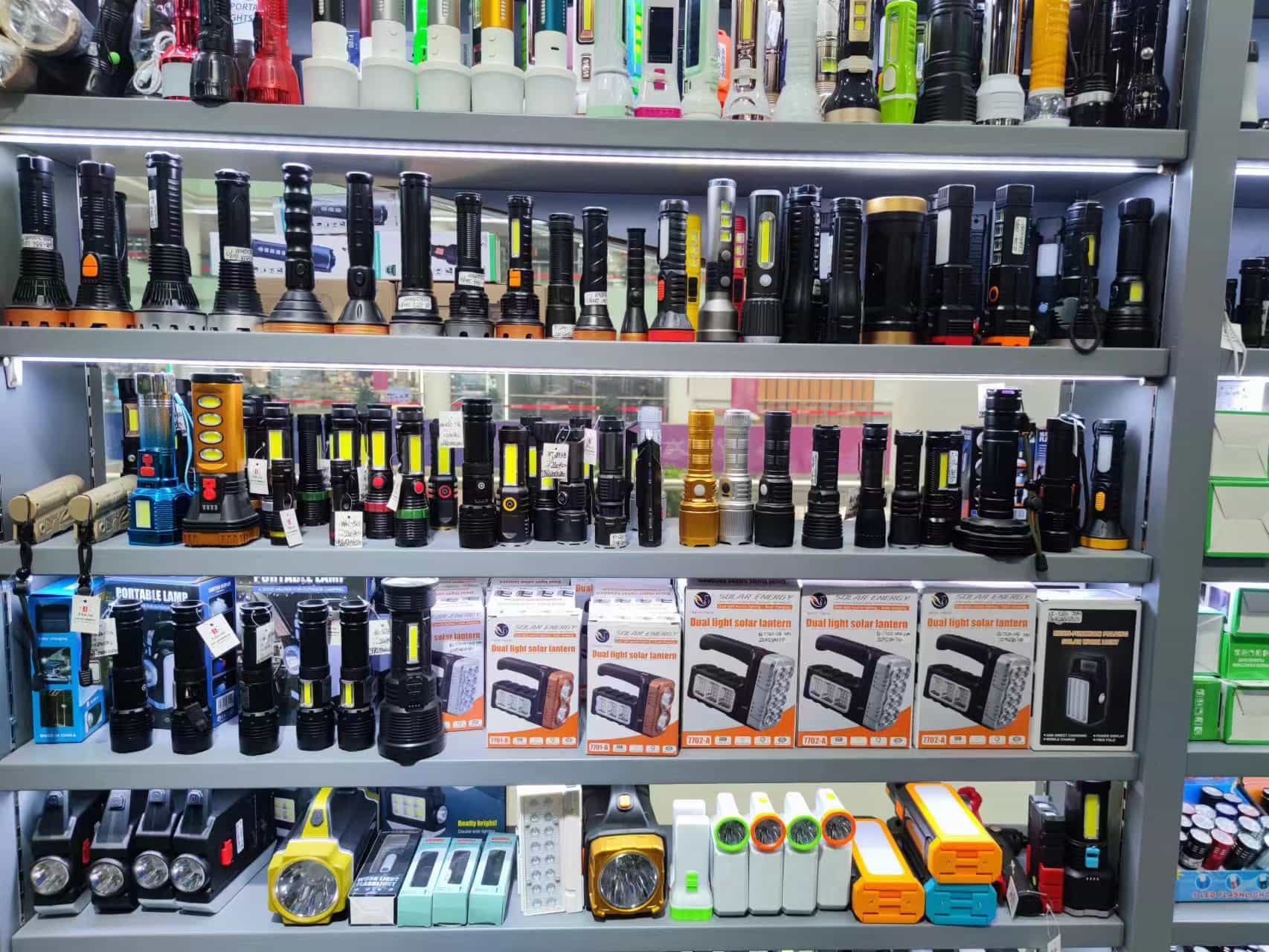
Importing from China can feel like a gamble, especially when you're trying to figure out how to evaluate flashlight quality without overpaying for imported goods from China. You might face challenges like verifying suppliers, ensuring compliance with standards, or even dealing with communication barriers. These hurdles can lead to unreliable products or inflated costs if you're not careful.
But here's the good news: a systematic approach can save you from these headaches. By focusing on quality control and building strong supplier relationships, you can ensure every flashlight meets high standards. Plus, sourcing from China offers cost-saving benefits, thanks to lower labor costs and competitive pricing.
Avoid common pitfalls like rushing the vetting process or ignoring certifications. Instead, take the time to understand supplier practices and product specifications. This effort not only protects your investment but also strengthens your brand's reputation.
Key Takeaways
Research suppliers carefully to check their trustworthiness and certifications. This step keeps your money safe and follows safety rules.
Place small test orders to check product quality and supplier work. Testing samples helps find problems before buying in large amounts.
Communicate often with suppliers to build strong relationships. Trust and honesty lead to better products and save money over time.
Use a good quality control system with checks before production. Regular updates during manufacturing ensure the product meets your needs.
Learn about market trends and price changes. Knowing the market helps you get better deals and avoid paying too much.
Why Evaluating Flashlight Quality Matters
Risks of Poor-Quality Flashlights
Safety and performance issues
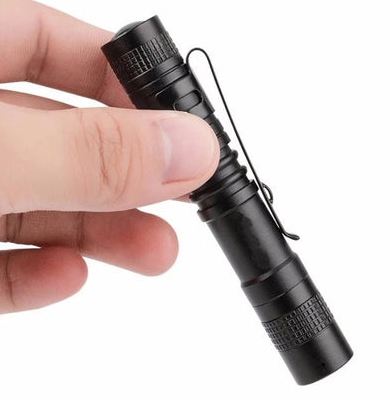
When you’re importing from China, poor-quality flashlights can pose serious risks. Defective batteries, for instance, can lead to safety hazards like overheating or even explosions. This makes it crucial to ensure the flashlights meet safety and quality standards. Without proper quality control, you might end up with products that fail to perform as expected, leaving your customers frustrated.
Low-quality flashlights often have inconsistent brightness, short battery life, or unreliable switches. These issues not only compromise safety but also make the product unreliable in critical situations. Imagine a customer relying on your flashlight during an emergency, only for it to fail. That’s a scenario you want to avoid at all costs.
Impact on customer trust and brand reputation
Your brand’s reputation is directly tied to the quality of your products. Poor-quality flashlights can lead to a flood of negative reviews online. Customers don’t hesitate to share their frustrations when a product doesn’t meet their expectations. A single bad experience can go viral, damaging your brand’s image and pushing potential buyers toward competitors.
Negative reviews spread quickly, especially on social media.
Customers who lose trust in your brand may never return.
Peer reviews and personal stories influence future buyers, making it harder to recover from a bad reputation.
Building trust takes time, but losing it happens in an instant. Reliable products are the foundation of long-term customer relationships and steady revenue streams.
The Cost of Overpaying
Hidden expenses of low-quality imports
At first glance, low-cost flashlights might seem like a great deal. But hidden expenses can quickly add up. Poor-quality imports often lead to higher return rates, additional shipping costs, and even legal issues if the products fail to meet consumer product safety standards. These unexpected costs can eat into your profits and make the initial savings meaningless.
Inconsistent inventory is another problem. When customers receive faulty products, they’re likely to switch to competitors. This not only reduces your market share but also increases the cost of acquiring new customers to replace the ones you’ve lost.
Balancing affordability with quality
Balancing affordability with quality when importing from China requires a strategic approach. Start by conducting thorough research to identify reputable manufacturers. Place small test orders to evaluate the quality and reliability of their products. Open communication with suppliers is key to addressing issues early and ensuring they meet your expectations.
Research manufacturers to find reliable options.
Test small batches before committing to larger orders.
Build strong relationships with suppliers to negotiate better terms.
Developing trust with your suppliers, often referred to as guanxi in China, can lead to better deals and improved product quality. Regular communication and transparency help create a partnership where both parties benefit.
Pre-Purchase Strategies for Importing from China
Researching Suppliers
Verifying supplier credentials and certifications
When selecting your supplier, verifying their credentials is a must. Reliable suppliers often hold certifications that demonstrate their commitment to quality and safety. These certifications ensure the flashlights meet international standards and are safe for your customers.
Here’s a quick guide to the most important certifications:
Certification | Description |
|---|---|
CE | Compliance with health, safety, and environmental protection standards in the European Economic Area. |
RoHS | Restricts hazardous materials in electrical and electronic products. |
ISO | Represents international standards for quality management and assurance. |
UL | Certifies safety and performance, especially in the U.S. market. |
FCC | Ensures compliance with electromagnetic interference standards. |
Always ask suppliers for proof of these certifications. It’s a simple step that can save you from costly mistakes later.
Using sourcing platforms to identify reliable suppliers
Finding trustworthy suppliers in China can feel overwhelming. Sourcing platforms like Alibaba, Global Sources, and Made-in-China simplify the process. These platforms let you compare suppliers based on reviews, ratings, and product offerings.
When researching, keep these factors in mind:
Product quality and certifications.
Balance between cost and quality.
Timely delivery to maintain inventory flow.
Clear and effective communication.
Availability of product samples for testing.
These steps help you narrow down your options and focus on suppliers who align with your needs.
Understanding Product Specifications
Key features of high-quality flashlights
High-quality products stand out because of their superior features. When evaluating flashlights, look for these key specifications:
Feature | Description |
|---|---|
Material Durability | Aluminum is lightweight and strong, while stainless steel offers impact resistance. |
Brightness and Lumens | Tactical flashlights range from 300 to over 1,000 lumens for optimal brightness. |
Battery Life and Charging Options | Rechargeable batteries are convenient and cost-effective. |
Certifications | IP ratings and ANSI/NEMA FL1 standards ensure safety and performance. |
These features ensure the flashlight performs well in various conditions, making it a reliable choice for your customers.
Materials and components that ensure durability
Durability is a critical factor when importing from China. The materials used in a flashlight determine how well it holds up over time. Here are some durable options:
Stainless Steel: Impact-resistant and ideal for heavy-duty use.
Titanium: Lightweight and corrosion-resistant, perfect for harsh environments.
Polymers (ABS): Withstands extreme temperatures and chemicals.
Aluminum Alloy: Lightweight and portable, great for outdoor activities.
Choosing the right materials ensures your flashlights last longer and meet customer expectations.
Requesting and Testing Samples
Evaluating flashlight performance and reliability
Before placing a bulk order, always request samples. Testing these samples helps you evaluate the flashlight’s brightness, battery life, and overall performance. Check for lumens to ensure adequate brightness and candela for beam reach. Assess the battery type and runtime to confirm efficiency.
Identifying red flags during sample testing
Sample testing also reveals potential red flags. Look out for inconsistent brightness, poor build quality, or unreliable switches. Compare samples from multiple suppliers to identify the best value. If a supplier hesitates to provide samples or delivers subpar products, it’s a sign to move on.
Pro Tip: Testing samples upfront saves you from dealing with defective products later. It’s a small investment for long-term peace of mind.
In-Process Quality Control
Monitoring Production
Setting clear quality expectations with suppliers
When working with suppliers in China, setting clear expectations upfront is essential for maintaining flashlight quality. You should establish communication protocols to define how and when updates will be shared. This ensures everyone stays on the same page throughout production. Regular audits also help confirm that suppliers adhere to agreed-upon standards.
Before production begins, inspect product samples to evaluate key features like brightness, durability, and material quality. These steps create a solid foundation for quality control and reduce the risk of surprises later.
Tip: Use a checklist to document your expectations, including performance benchmarks and compliance with international standards. This keeps the process organized and transparent.
Conducting regular production updates
Staying involved during production is key to catching issues early. Regular updates from your supplier allow you to monitor progress and address potential problems before they escalate. You can request detailed reports or even schedule virtual factory tours to see the process in action.
To ensure quality, manufacturers often conduct tests at different stages of production. These include:
Output and runtime tests: Measure brightness and battery life.
Beam distance tests: Check how far the light reaches.
Impact resistance tests: Assess durability after drops.
Water resistance tests: Confirm the flashlight can handle wet conditions.
By staying proactive, you can avoid costly errors and ensure the final product meets your expectations.
Verifying Materials and Components
Ensuring compliance with agreed specifications
Verifying materials during production is just as important as pre-production inspection. You need to confirm that the supplier uses the agreed-upon components, such as high-quality aluminum or stainless steel. A strong Quality Management System (QMS) ensures suppliers follow industry standards and regulatory requirements.
Manufacturers often perform tests to verify compliance, including:
Test Name | Purpose |
|---|---|
Luminous Intensity Test | Measures the brightness of the flashlight in a specific direction. |
Salty Spray Test | Evaluates corrosion resistance under humid and salty conditions. |
Environmental Test | Checks performance in extreme temperatures. |
Vibration Test | Ensures components stay intact after exposure to vibrations. |
These tests confirm that the materials and components meet your quality standards.
Spot-checking for consistency in production
Spot-checking is a simple yet effective way to maintain consistency. Randomly inspect flashlights during production to identify defects like buzzing noises, overheating, or quick LED burnouts. If you notice issues, address them immediately to prevent larger problems.
Automated assembly lines and AI-powered analytics can also help maintain consistency. These technologies minimize human error and predict potential defects before they occur. By combining manual inspections with advanced tools, you can ensure every flashlight meets high-quality standards.
Note: Spot-checking isn’t just about finding defects. It’s about building trust with your supplier and showing them you’re serious about quality control.
Pre-Shipment Inspections for Quality Assurance
Final Product Testing
Checking for defects and performance standards
Before shipping, you need to ensure every flashlight meets the highest standards. This involves rigorous testing to identify defects and confirm performance. Start by evaluating durability under real-world conditions. Shakeout tests can reveal scratch resistance, while salty spray tests check for corrosion. Environmental tests simulate extreme temperatures, ensuring the flashlight performs in harsh conditions.
You should also test the flashlight's power output, beam distance, and battery runtime. For example, measure the light output in various modes to confirm brightness levels. Drop tests are essential to assess impact resistance, while waterproof and dustproof evaluations ensure the flashlight can handle submersion and exposure to dust.
Don’t forget to inspect the exterior. Look for scratches, defects, or poorly functioning switches. Check the battery compartment for corrosion and ensure the LED and optics are clean. These steps guarantee the flashlight meets your quality expectations.
Ensuring compliance with order requirements
Meeting order requirements is just as important as performance testing. Flashlights should undergo systematic inspections at every stage of production. Pre-production quality control ensures prototypes match approved samples. During production, ongoing sampling tests verify that dimensions and materials align with your specifications.
Key tests like lumen measurement, discharge time, and water resistance confirm the flashlight meets your agreed standards. For instance, IPX ratings quantify water resistance, while temperature assessments ensure reliability in extreme conditions. By the time the pre-shipment inspection is complete, you’ll know the flashlights are ready to meet customer expectations.
Packaging and Shipping Checks
Verifying secure and damage-proof packaging
Packaging plays a critical role in protecting your flashlights during transit. You should ensure the packaging is secure and damage-proof. Use materials like foam inserts or bubble wrap to cushion the flashlights. Sturdy boxes prevent crushing, while tamper-proof seals add an extra layer of security.
Proper labeling is also essential. Include clear instructions for handling and storage. For flashlights with batteries, ensure the packaging complies with local regulations to avoid penalties. Regular audits of your warehouse operations can help identify and fix any compliance issues.
Avoiding transit-related issues
Transit-related problems can disrupt your supply chain and increase costs. To avoid these, ensure all documentation is accurate and complete. Missing or incorrect paperwork can lead to delays at customs. One company faced such a delay but resolved it by working with a customs broker to correct the errors.
Managing storage for international shipments is equally important. Your warehouse should accommodate the diverse sizes and packaging of flashlights. Proper organization prevents damage and ensures the shipment arrives intact. By taking these steps, you can maintain the integrity of your products and avoid costly disruptions.
Tips for Maintaining Quality and Avoiding Overpayment
Building Strong Supplier Relationships
Benefits of trust and consistent communication
Building strong relationships with your flashlight suppliers is one of the most effective ways to maintain quality and reduce costs. When you establish trust, suppliers become more invested in meeting your expectations. They’ll prioritize your orders, ensure consistent quality, and even collaborate on innovative solutions to improve their products.
Consistent communication plays a big role here. Share relevant information about your needs and processes. Use emails, video calls, or even in-person meetings to stay connected. Recognizing and rewarding suppliers for good performance also motivates them to maintain high standards. Over time, this transparency and collaboration create a partnership that benefits both sides.
Benefit | Description |
|---|---|
Cost Efficiency | Effective supplier relationships can lead to significant cost savings. |
Quality Improvement | Suppliers who understand your business needs deliver higher quality products. |
Innovation | Strong relationships foster collaboration and innovation. |
Reliability | Reliable suppliers ensure consistent delivery of materials and services. |
Risk Mitigation | Good relationships help mitigate risks such as supply chain disruptions. |
Competitive Advantage | Effective management of supplier relationships leads to a competitive edge. |
Negotiating better terms over time
As your relationship with suppliers grows, you’ll gain leverage to negotiate better terms. This could mean cost savings through improved payment terms, enhanced flexibility in delivery schedules, or even priority access to new products. Long-term partnerships also reduce administrative costs, as you won’t need to repeatedly onboard new suppliers.
Tip: Strong supplier relationships are a cost-effective way to ensure reliable and high-quality flashlights while avoiding unnecessary expenses.
Staying Informed on Market Trends
Understanding price fluctuations and quality benchmarks
The flashlight market evolves quickly, and staying informed helps you make smarter decisions. Advancements in LED technology, for example, have improved brightness and efficiency. Consumers now prefer rechargeable and eco-friendly options, which align with sustainability trends. These shifts influence both quality and pricing.
Price fluctuations can also impact your sourcing strategy. Understanding pricing structures and hidden costs like shipping or customs helps you avoid surprises. By analyzing market conditions, you can negotiate better deals and manage your expenses effectively.
Leveraging market knowledge for better decisions
Market knowledge gives you a competitive edge when importing from China. Research reputable manufacturers through online platforms, trade shows, or industry reports. Align your procurement strategy with current trends, such as the growing demand for durable and customizable flashlights.
Adapting your negotiation strategies to match market conditions can also lead to better outcomes. For instance, understanding economic indicators and industry developments allows you to secure favorable terms. Staying informed ensures you source flashlights in a cost-effective way without compromising on quality.
Evaluating flashlight quality when importing from China is essential for protecting your brand and ensuring customer satisfaction. By following a systematic approach, you can avoid overpaying and secure reliable products.
Here are some key strategies to keep in mind:
Research suppliers thoroughly to confirm their reliability and certifications.
Start with small test orders to assess product quality and supplier performance.
Build strong relationships with suppliers by maintaining open communication and understanding cultural practices like guanxi.
Use a robust quality control system, including pre-production checks and factory visits, to ensure consistent standards.
Applying these strategies helps you avoid common pitfalls and achieve successful imports. Don’t forget to stay informed about market trends and leverage trade agreements to optimize costs. With the right approach, importing flashlights from China can be both cost-effective and hassle-free.
Pro Tip: Strong supplier relationships and clear communication are your best tools for long-term success.
FAQ
How can I ensure the flashlights I import from China meet safety standards?
You should verify certifications like CE, RoHS, or UL before purchasing. These certifications confirm compliance with safety and quality standards. Always request documentation from your supplier and cross-check it with the issuing authority.
What’s the best way to find reliable suppliers in China?
Use trusted sourcing platforms like Alibaba or Global Sources. Check supplier reviews, ratings, and certifications. Request samples to evaluate product quality. Building strong relationships with suppliers also helps ensure reliability over time.
Why is sample testing important when importing from China?
Sample testing helps you identify potential issues before placing bulk orders. It ensures the flashlights meet your quality expectations. Testing also reveals red flags like inconsistent brightness or poor durability, saving you from costly mistakes later.
How do I avoid overpaying for flashlights from China?
Research market trends and compare prices across suppliers. Negotiate terms based on order volume and build long-term relationships. Staying informed about pricing structures and hidden costs like shipping ensures you get the best deal.
What should I look for during pre-shipment inspections?
Check for defects, performance issues, and compliance with order specifications. Test brightness, battery life, and durability. Inspect packaging to ensure it’s secure and damage-proof. These steps help you avoid transit-related problems and maintain product quality.
See Also
Navigating Quality Standards for LED Flashlights from China
Comprehensive Overview of Flashlight Production in China
Key Insights for Sourcing Wholesale Flashlights from China
Best Practices for Finding Dependable Wholesale Flashlights
Assessing Flashlight Suppliers: Important Factors and Trends