How to Ensure Warranty Coverage for Wholesale Flashlights

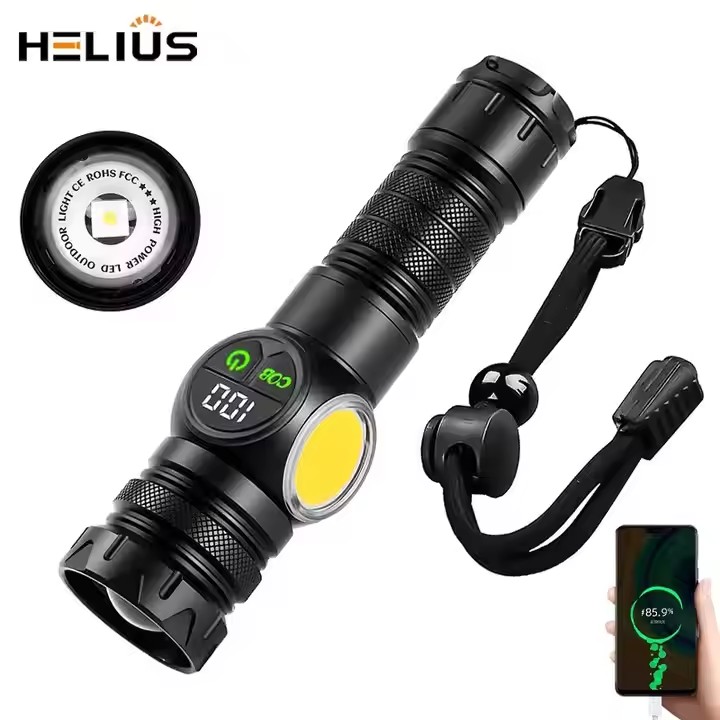
When you buy wholesale flashlights, understanding how to ensure warranty coverage for wholesale flashlights is your safety net. It protects your investment if something goes wrong. So, how do you ensure it? Understand the terms, keep your paperwork, talk to your supplier, avoid actions that void coverage, and know how to file a claim. It’s that simple!
Key Takeaways
Learn the warranty rules to keep your money safe. Read the details to see what is included or excluded.
Save all papers, like receipts and warranty cards. Neat records help you file claims quickly and easily.
Talk to your supplier before buying. Check the warranty and ask questions to prevent problems later.
Understand the Warranty Terms
When it comes to protecting your wholesale flashlight investment, understanding the warranty terms is crucial. Let’s break it down step by step.
Read and Interpret the Warranty Policy
Start by carefully reading the warranty policy. It might seem tedious, but this document holds all the details about what’s covered and what’s not. Most flashlight warranties include components like free repairs for normal use issues, limited lifetime coverage, and requirements like proof of purchase or warranty card registration. Here’s a quick overview of typical warranty components:
Component | Description |
|---|---|
Free Repair | 12 months of free repair for normal use issues. |
Limited Lifetime Warranty | After 12 months, repairs are charged based on parts; substantial damage may lead to a quote. |
Warranty Card Requirement | Customers must fill out and keep the Warranty Card for repairs. |
E-Warranty Registration | Registering online can extend the free repair service period to 18 months. |
Proof of Purchase Requirement | Customers should retain a valid purchase invoice or receipt for warranty claims. |
Take note of these details to avoid surprises later.
Identify Coverage, Exclusions, and Limitations
Not all issues are covered under a flashlight warranty. For example, many warranties exclude damage caused by misuse, battery leakage, or LED burnout. Here’s a table of common exclusions:
Exclusion Type | Description |
|---|---|
Rechargeable battery | Covered only if the claim is made within one year of purchase. |
Accessories | Covered only if the claim is made within one year of purchase. |
Battery exhaustion | The warranty does not cover the exhaustion of the battery. |
Damage due to misuse or alteration | Any damage resulting from misuse, alteration, or lack of maintenance is not covered. |
Understanding these exclusions helps you know what to expect and avoid unnecessary frustration.
Check the Warranty Period and Expiration Date
Every warranty has a time limit. Some manufacturers, like Mag Instrument, offer a 10-year limited warranty on the flashlight itself but only a 1-year warranty on the battery pack. Others, like NiteCore, provide a 1-year warranty for their products. Here’s a quick comparison:
Manufacturer | Warranty Period |
|---|---|
Arc Flashlights | Limited Lifetime Warranty |
Fenix | No Questions Asked Lifetime Warranty |
NiteCore/RaidFire | 1 Year Warranty |
Mag Instrument | 10 Year Limited Warranty on Flashlight, 1 Year on Battery Pack |
Always check the expiration date and mark it on your calendar. This ensures you don’t miss the window for filing a claim.
By understanding these warranty terms, you’ll be better prepared to protect your wholesale flashlight investment.
Keep Proper Documentation
Keeping proper documentation is one of the easiest ways to ensure your warranty coverage stays intact. Without it, filing a claim can turn into a frustrating experience. Let’s dive into how you can stay organized.
Save Receipts, Invoices, and Warranty Cards
Always save your receipts, invoices, and warranty cards. These documents are your proof of purchase and the key to unlocking warranty benefits. Whether you buy wholesale flashlights online or in-store, make it a habit to store these papers in a safe place. If your supplier offers e-receipts, download and back them up digitally. This way, you’ll never lose them.
Maintain Records of Supplier Communication
Keep a record of every conversation you have with your supplier. Whether it’s an email, a chat transcript, or a phone call summary, document it. This can help you resolve disputes or clarify warranty terms later. For example, if you discuss warranty coverage before buying, save that email thread. It’s always better to have too much information than not enough.
Organize Documentation for Easy Access
Staying organized makes life easier. Start by creating a digital filing system. Use folders and subfolders to categorize your documents. For instance, you can create a root folder for "Flashlight Warranties" and subfolders for each brand. Tools like ClickUp can help you manage these files with advanced features like filtering and tagging. Here’s a quick look at some software options:
Software | Description |
|---|---|
MyItems | Tracks warranty details like expiration dates and terms. |
Wareconn | Simplifies warranty tracking and claims processing. |
DealersCircle | Automates claim submissions and ensures compliance with manufacturer standards. |
By keeping your documents well-organized, you’ll always be ready to file a claim when needed.
Communicate with Your Supplier
Building a good relationship with your supplier can make a big difference when it comes to warranty coverage. Clear communication ensures you know what to expect and helps avoid misunderstandings. Here’s how you can do it.
Verify Warranty Coverage Before Purchase
Before buying wholesale flashlights, ask your supplier about the warranty coverage. Don’t assume every product comes with the same terms. Some suppliers offer extended warranties, while others might have stricter conditions. Ask for a copy of the warranty policy and review it carefully. If something seems unclear, get clarification right away. This step ensures you won’t face surprises later.
Ask Key Questions About the Warranty Process
Don’t hesitate to ask questions. Find out how the warranty process works. For example, ask who handles repairs or replacements. Do you need to ship the flashlight back to the manufacturer, or does the supplier take care of it? Also, ask about the timeline for processing claims. Knowing these details upfront saves you time and frustration if you ever need to file a claim.
Confirm the Supplier’s Role in Warranty Claims
Suppliers often play a key role in warranty claims. Some handle the entire process for you, while others might only provide guidance. Confirm their responsibilities before making a purchase. Ask if they assist with documentation or if you’ll need to contact the manufacturer directly. A reliable supplier will be transparent and supportive, making the process much smoother for you.
By keeping the lines of communication open, you’ll feel more confident about your warranty coverage. This proactive approach is a big part of learning how to ensure warranty coverage for wholesale flashlights.
Avoid Actions That Void the Warranty
When it comes to warranties, one wrong move can leave you without coverage. To keep your warranty intact, you need to avoid certain actions. Let’s break it down.
Avoid Unauthorized Repairs or Modifications
It might be tempting to fix a flashlight yourself or take it to a local repair shop. Don’t do it! Most warranties become void if you attempt unauthorized repairs or modifications. Manufacturers want their products handled by trained professionals. If your flashlight stops working, contact the supplier or manufacturer instead of trying to fix it yourself.
Tip: Check the warranty policy for a list of authorized repair centers. This ensures your flashlight gets repaired without voiding the warranty.
Use Flashlights According to Manufacturer Guidelines
Flashlights are built for specific uses. Using them outside of those guidelines can void your warranty. For example, if a flashlight is labeled as “water-resistant,” don’t submerge it in water. Similarly, avoid using non-recommended batteries or accessories. These actions can damage the flashlight and leave you without coverage.
Example: If the manual says, “Do not use rechargeable batteries,” stick to regular ones. Ignoring this could lead to battery leakage, which isn’t covered under most warranties.
Follow Proper Maintenance and Care Instructions
Taking care of your flashlights is just as important. Clean them regularly, store them in a dry place, and replace batteries as needed. Neglecting maintenance can lead to issues that aren’t covered under warranty. For instance, corrosion from old batteries is often excluded.
Reminder: Always read the care instructions in the manual. A little effort now can save you a lot of trouble later.
By avoiding these actions, you’ll keep your warranty valid and your flashlights in top shape.
Steps to File a Warranty Claim
Filing a warranty claim might seem overwhelming, but it’s easier when you know the steps. Here’s how you can handle it smoothly.
Gather Required Documentation
Start by collecting all the necessary paperwork. Without these, your claim might get delayed or even denied. Here’s what you’ll typically need:
Proof of purchase, like a receipt or invoice.
A detailed description of the problem.
The flashlight itself, sent to the manufacturer’s warranty department or an authorized service center. Make sure you prepay for shipping.
Having these documents ready ensures you don’t waste time when filing your claim.
Contact the Manufacturer or Supplier
Once you’ve got your documents, reach out to the manufacturer or supplier. Follow these steps to make the process efficient:
Investigate the root cause of the issue to explain it clearly.
If the problem involves components from sub-suppliers, communicate with them.
Document everything, including your findings and conversations.
Push back on any unjustified damage claims.
Ensure your claim complies with any government regulations.
Clear communication here can save you a lot of back-and-forth later.
Submit the Warranty Claim Form
Most manufacturers require you to fill out a warranty claim form. You can usually find this form on their website or request it from customer service. Fill it out carefully, double-checking for errors. Attach all the required documents and send everything to the address provided. If you’re submitting online, scan your documents and upload them as instructed.
Track and Follow Up on Your Claim
After submitting your claim, don’t just wait. Stay proactive!
Monitor the status of your repair or replacement.
Work with service providers to ensure timely resolution.
Keep a record of key metrics, like how long the process takes and whether claims are approved or rejected.
Communicate with the manufacturer or supplier to stay updated on your claim’s progress.
Using technology can make this easier. Warranty management tools help you track claims in real time and reduce errors. They also speed up the process, so you get your flashlight back faster.
By following these steps, you’ll know exactly how to ensure warranty coverage for wholesale flashlights when something goes wrong.
You’ve got this! To protect your investment, remember these steps: understand the warranty, keep your documents safe, talk to your supplier, avoid actions that void coverage, and know how to file a claim. Being proactive ensures you’ll always know how to ensure warranty coverage for wholesale flashlights. Stay diligent and prepared!
FAQ
What should you do if your flashlight warranty claim gets denied?
If your claim gets denied, ask for a detailed explanation. Review the warranty terms and provide additional evidence if needed. Persistence often helps resolve disputes. 💡
Can you transfer a flashlight warranty to someone else?
Most warranties are non-transferable. Check the policy for exceptions. Some manufacturers allow transfers if you register the product under the new owner’s name.
Do all wholesale flashlights come with a warranty?
Not always. Some suppliers offer warranties, while others don’t. Always confirm warranty details before purchasing to avoid surprises later. 🛒
See Also
Essential Strategies for Finding Quality Wholesale Flashlights
Mastering Quality Assurance in Flashlight Wholesale Buying
Guidelines for Selecting Premium Flashlights for Wholesale