How to Create Custom Flashlights for Different Industries in Western Europe

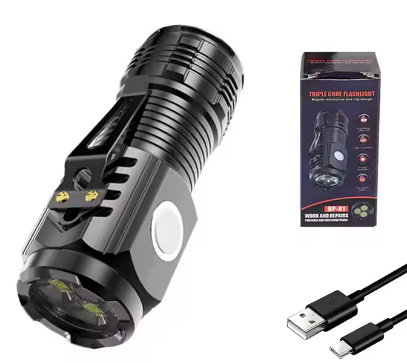
The demand for custom flashlights in Western Europe has surged, with various industries seeking tailored solutions to meet their unique requirements. Understanding how to create custom flashlights for different industries in Western Europe is essential to cater to these needs effectively. Outdoor enthusiasts often look for flashlights with adjustable focus and multiple light modes to enhance their adventures. Meanwhile, professionals like construction workers and emergency responders prioritize robust, durable designs that boost safety and efficiency in demanding environments. Everyday users, on the other hand, appreciate compact, rechargeable options for added convenience.
Additionally, there is a noticeable shift toward eco-friendly products in the region. Manufacturers are increasingly adopting recyclable materials and energy-efficient designs to minimize environmental impact. Customization remains a critical factor in addressing the diverse demands of these industries. It not only enhances functionality and safety but also provides businesses with valuable branding opportunities. Learning how to create custom flashlights for different industries in Western Europe ensures that these needs are met with precision and innovation.
Key Takeaways
Custom flashlights are made to fit specific jobs, like having adjustable brightness or strong designs.
They make work safer and easier in tough places, helping workers like builders and emergency teams.
Businesses can add logos and colors to flashlights, making their brand more noticeable.
Picking good materials and lights, like LEDs, helps make strong and energy-saving flashlights.
Skilled makers follow safety rules and create high-quality flashlights that people can trust.
Understanding Flashlight Customization
What Is Flashlight Customization?
Flashlight customization involves tailoring a flashlight's design, functionality, and features to meet specific needs. You can modify components such as beam patterns, battery types, and size to suit different industries or personal preferences. For example, construction workers may require rugged designs with adjustable zoom capabilities, while healthcare professionals might prefer compact flashlights with precision lighting. This process ensures that the flashlight performs optimally in its intended environment.
Benefits of Custom Flashlights for Industries
Enhanced functionality for specific tasks.
Custom flashlights provide specialized features that improve task performance. Adjustable zoom capabilities and emergency strobe functions are ideal for industries like construction and emergency services. Different beam patterns, such as flood beams for wide-area illumination or spot beams for long-distance visibility, enhance usability in various scenarios.
Improved safety and efficiency in operations.
Industries like healthcare and automotive benefit from flashlights designed for precision and reliability. Compact designs with bright, clear lights improve visibility in tight spaces, while durable materials ensure long-term use. These features reduce downtime and enhance operational efficiency.
Branding opportunities for businesses through personalization.
Custom flashlights offer excellent branding potential. Adding your logo or corporate colors creates a lasting impression on clients and employees. Flashlights also symbolize reliability and preparedness, reinforcing your brand's values. Unlike disposable items, they provide long-term exposure every time they are used.
Benefit | Description |
|---|---|
Branding | Customized flashlights help people remember your brand, keeping it in their thoughts during important times. |
Long-term Durability | Good LED flashlights last longer, reducing the need for replacements and enhancing customer satisfaction. |
Audience Customization | Flashlights can be designed to meet specific audience needs, making the brand stand out. |
Long-term Brand Exposure | Unlike disposable products, flashlights provide ongoing brand visibility every time they are used. |
Key Features of Custom Flashlights
Adjustable brightness, beam focus, and multi-functional modes.
You can choose flashlights with adjustable brightness levels and beam focus to suit different tasks. Multi-functional modes, such as strobe or SOS signals, add versatility, especially for outdoor or emergency use.
Durability, weather resistance, and shockproof designs.
Industries operating in harsh environments require flashlights built to withstand tough conditions. Weather-resistant and shockproof designs ensure reliability, even in extreme temperatures or wet conditions.
Rechargeable vs. disposable power options for sustainability.
Battery options play a crucial role in flashlight customization. Rechargeable batteries are eco-friendly and cost-effective for long-term use, while disposable batteries offer convenience for short-term needs. Selecting the right option depends on your specific requirements.
Customization allows you to integrate additional features like easy-to-operate power switches, corporate Pantone color matching, or bonus tools such as carabiners. These enhancements make custom flashlights more functional and appealing.
Identifying Industry-Specific Needs
Construction and Industrial Applications
Rugged designs for harsh environments and heavy-duty use.
In construction and industrial settings, flashlights must endure tough conditions. You need designs that can handle dust, debris, and accidental drops. Materials like aluminum or stainless steel provide the durability required for these environments. Weather-resistant and shockproof features ensure the flashlight remains functional, even in extreme conditions. For heavy-duty use, consider models with long-lasting batteries to avoid interruptions during critical tasks.
Hands-free options like headlamps for convenience.
When your hands are occupied with tools or machinery, hands-free lighting becomes essential. Headlamps offer a practical solution by providing consistent illumination while keeping your hands free. Adjustable straps and lightweight designs enhance comfort during extended use. Multi-functional modes, such as flood and spot beams, allow you to adapt the light to your specific needs. These features improve efficiency and safety on the job site.
Emergency Services and First Responders
High-intensity beams for search and rescue operations.
Emergency responders rely on flashlights with high-intensity beams to locate individuals or objects in low-visibility conditions. A flashlight with a long beam distance ensures you can spot critical elements from afar. Reflector types also play a role; an OP reflector provides a wide beam for close-range tasks, while an SMO reflector offers a focused beam for greater reach. These features are vital for search and rescue operations.
Waterproof and shockproof designs for reliability.
In emergencies, reliability is non-negotiable. Flashlights must withstand harsh conditions, including water exposure and impacts. Waterproof ratings like IP68 ensure functionality in wet environments, while shockproof designs protect against drops. The table below highlights critical features for emergency flashlights:
Feature | Description |
|---|---|
Durability | Flashlights must withstand harsh conditions like drops, water, and extreme temperatures. |
Beam Distance | A longer beam distance allows for spotting critical elements from further away. |
Reflector Type | OP reflector provides a wide beam, while SMO reflector offers a focused beam for greater reach. |
Outdoor and Recreational Use
Lightweight and portable designs for ease of use.
For outdoor enthusiasts, portability is key. Lightweight flashlights made from durable materials like aluminum are easy to carry during hikes or camping trips. Compact designs fit comfortably in your pocket or backpack. Waterproofing ensures the flashlight performs well in rainy or wet conditions, making it a reliable companion for your adventures.
Long battery life for extended outdoor activities.
Extended outdoor activities require flashlights with long-lasting batteries. Rechargeable options reduce waste and save costs over time, while disposable batteries offer convenience for short trips. Brightness levels, measured in lumens, should match your needs, whether for illuminating a campsite or signaling in emergencies. Shockproof designs add an extra layer of protection against accidental drops during your journey.
Tip: Look for flashlights with IP68 waterproof ratings and shockproof designs to ensure durability during outdoor adventures.
Healthcare and Automotive Industries
Compact designs for precision in healthcare settings.
In healthcare environments, precision and reliability are essential. You need flashlights that are compact and easy to handle. These designs allow you to focus light on specific areas without causing distractions. For example, a small flashlight with a narrow beam can help medical professionals examine wounds or perform minor procedures. Lightweight materials, such as aluminum or plastic, make these tools comfortable to use for extended periods.
You should also consider flashlights with adjustable brightness levels. This feature ensures you can adapt the light intensity to suit different tasks. For instance, a dim setting works well for patient examinations, while a brighter mode is ideal for emergency situations. Additionally, rechargeable options reduce the need for frequent battery replacements, making them cost-effective and environmentally friendly.
Tip: Look for flashlights with anti-slip grips to prevent accidental drops during critical moments.
Magnetic bases and flexible lighting for automotive repairs.
Automotive repairs often require you to work in tight spaces with limited visibility. Flashlights with magnetic bases provide a hands-free solution by attaching securely to metal surfaces. This feature allows you to focus on the task without holding the light. Flexible neck designs further enhance usability by directing light exactly where you need it.
Durability is another critical factor. You should choose flashlights made from impact-resistant materials to withstand accidental drops. Multi-functional modes, such as strobe or floodlight settings, add versatility for different repair tasks. Long battery life ensures the flashlight remains reliable during extended repair sessions.
Note: Flashlights with waterproof ratings can handle unexpected spills or exposure to fluids in automotive settings.
Step-by-Step Guide to Creating Custom Flashlights
Step 1: Define the Purpose and Requirements
Identify the primary use case and target industry.
Start by determining the flashlight's primary purpose. Think about the industry it will serve. For example, construction workers need rugged designs, while healthcare professionals prefer compact and precise lighting. Identifying the target industry ensures the flashlight meets specific needs. This step lays the foundation for effective customization.
Consider environmental factors like temperature and moisture.
Environmental conditions play a critical role in flashlight design. Consider factors like extreme temperatures, humidity, or exposure to water. For outdoor or industrial use, weather-resistant and shockproof features are essential. These considerations ensure the flashlight performs reliably in its intended environment.
Step 2: Design and Prototyping
Collaborate with designers to create a detailed blueprint.
Work closely with designers to develop a blueprint that outlines the flashlight's structure and features. Include details like size, shape, and functionality. This collaboration ensures the design aligns with the intended purpose and industry requirements. A well-thought-out blueprint serves as a roadmap for the entire process.
Test prototypes for functionality, durability, and safety.
Prototyping is a crucial step. Create a sample flashlight based on the blueprint and test it rigorously. Evaluate its functionality, durability, and safety under real-world conditions. For example, test its brightness levels, battery life, and resistance to impacts. These tests help identify areas for improvement before mass production.
Step 3: Component Selection
Choose high-quality materials for the flashlight body.
Selecting the right materials ensures durability and reliability. Consider these options:
Aluminum is lightweight yet strong, making it ideal for outdoor adventures.
Stainless steel offers greater hardness and durability but is heavier.
Aluminum alloy combines strength with low density, ensuring both durability and portability.
The material choice depends on the flashlight's intended use and the user's preferences.
Select appropriate light sources, such as LED or halogen.
The light source significantly impacts the flashlight's performance. LEDs offer several advantages:
They last longer than halogen.
They consume less energy, making them energy-efficient.
LEDs provide brighter light and are more durable.
They are cost-effective for businesses.
Halogen may suit specific needs, but LEDs are the preferred choice for most custom flashlights due to their superior features.
Step 4: Assembly and Testing
Assemble components with precision and attention to detail.
The assembly process is where all the components come together to create a functional flashlight. You must ensure each part fits perfectly to maintain the flashlight's performance and durability. Start by carefully attaching the light source, such as an LED, to the internal circuitry. Secure the battery compartment to ensure a stable power supply. Use high-quality adhesives or screws to fasten the flashlight body, ensuring it withstands regular use.
Pay close attention to the alignment of the lens and reflector. Proper alignment ensures the beam is focused and consistent. If the flashlight includes adjustable brightness or beam modes, test the switches during assembly to confirm they work smoothly. Precision in this step prevents issues like loose parts or misaligned beams, which could compromise the flashlight's functionality.
Tip: Use tools like torque screwdrivers to avoid over-tightening screws, which can damage the flashlight body.
Conduct rigorous quality assurance tests to ensure reliability.
Testing ensures the flashlight performs reliably in real-world conditions. Simulate outdoor scenarios to evaluate its durability and performance under pressure. For example, expose the flashlight to extreme temperatures to check its resilience. Drop tests help confirm its shock resistance, while water immersion tests verify its waterproof rating. These tests ensure the flashlight meets industry standards.
Quality control processes play a crucial role in maintaining consistent standards. Inspect each unit for defects, such as cracks or faulty switches. Check the IP rating to confirm the flashlight resists water and dust effectively. Testing the battery life is equally important. A reliable flashlight should provide consistent power without sudden failures.
Note: Flashlights with rechargeable batteries should undergo additional tests to ensure the charging mechanism works efficiently.
By assembling components with care and conducting thorough tests, you can deliver a flashlight that meets the highest standards of quality and reliability.
Branding and Aesthetic Customization
Incorporating Logos and Branding
Printing methods for logos and text for visibility.
Adding your logo to custom flashlights enhances brand visibility and creates a lasting impression. You can choose from several effective printing methods based on your needs:
Screen Printing: This budget-friendly option works well for large orders and provides clear, simple designs.
Full-Color Transfer Printing: Ideal for detailed designs, this method delivers vibrant and eye-catching results.
Laser Engraving: For a premium and durable finish, laser engraving offers a professional look that withstands wear and tear.
These methods can be applied to various flashlight types, including headlamps, keychain lights, and work lights. Selecting the right method ensures your branding stands out while maintaining the flashlight's functionality.
Engraving options for a premium and durable look.
Engraving adds a touch of sophistication to your flashlights. This method etches your logo or text directly onto the flashlight's surface, creating a design that lasts. Unlike printed logos, engraved designs resist fading and wear, making them ideal for long-term use. You can use engraving for corporate gifts or premium product lines to leave a lasting impression on your clients.
Custom Colors and Finishes
Powder coating for enhanced durability and aesthetics.
Powder coating provides a durable and attractive finish for your flashlights. This method involves applying a protective layer that resists scratches, chips, and corrosion. Powder-coated flashlights not only look sleek but also perform well in harsh environments. You can choose from a variety of colors to match your brand's identity or create a unique design.
Anodized finishes for a sleek and professional appearance.
Anodized finishes offer a polished and professional look. This process enhances the flashlight's durability by creating a protective oxide layer. Anodized flashlights resist wear and maintain their appearance over time. Popular color options in Western Europe include corporate Pantone colors, green for eco-friendly themes, and yellow for safety-related designs.
Color Option | Description |
|---|---|
Corporate Pantone Color | Custom matching for corporate branding. |
Green | Often used for 'go' indications. |
Yellow | Commonly associated with caution. |
Pink | Used for fun or playful designs. |
Packaging and Presentation
Custom packaging for retail or corporate gifting purposes.
Packaging plays a crucial role in presentation. Custom packaging allows you to tailor the unboxing experience to your audience. For retail, you can design packaging that highlights the flashlight's features and benefits. For corporate gifting, elegant boxes with your logo create a professional and memorable impression. Thoughtful packaging enhances the perceived value of your product.
Eco-friendly packaging options to align with sustainability goals.
Sustainability is a growing priority in Western Europe. Eco-friendly packaging aligns with environmental goals and appeals to eco-conscious consumers. Options like biodegradable materials and recycled cardboard reduce waste and conserve resources. These choices also lower your carbon footprint and comply with environmental regulations. By choosing sustainable packaging, you demonstrate your commitment to protecting the planet.
Environmental Benefit | Description |
|---|---|
Conservation of Natural Resources | Sustainable packaging reduces the consumption of raw materials, preserving ecological balance. |
Decreasing Waste in Landfills | Biodegradable and compostable materials minimize landfill waste and environmental impact. |
Lowering Carbon Footprint | Eco-friendly materials lead to fewer greenhouse gas emissions, positively impacting climate change. |
Promoting a Circular Economy | Utilizes renewable and recycled resources, ensuring longevity of material supplies and resource conservation. |
Tip: Eco-friendly packaging not only benefits the environment but also enhances your brand's reputation among environmentally conscious customers.
Finding Reliable Manufacturers in Western Europe
Key Considerations When Choosing a Manufacturer
Experience and expertise in flashlight customization.
When selecting a manufacturer, prioritize those with proven experience in flashlight customization. Manufacturers with a strong track record understand the nuances of creating tailored solutions for different industries. They can guide you in choosing the right materials, light sources, and features to meet your specific needs. Experienced manufacturers also stay updated on the latest trends, ensuring your product remains competitive in the market.
Compliance with European safety and quality standards.
Manufacturers must comply with key European safety and quality standards to ensure reliable and safe products. Look for certifications such as ANSI for performance metrics, ISO for global quality assurance, and CE for compliance with European regulations. These certifications demonstrate that the manufacturer adheres to rigorous testing and safety protocols, giving you confidence in the final product.
Tip: Always verify a manufacturer's certifications to avoid potential legal or safety issues.
Tips for Evaluating Manufacturers
Request samples and prototypes to assess quality.
Requesting samples allows you to evaluate the quality of materials and craftsmanship. Test the prototypes under real-world conditions to ensure durability, functionality, and battery performance. For example, simulate outdoor environments to check waterproofing and shock resistance. This step helps you identify potential flaws before committing to a large order.
Check reviews, client testimonials, and certifications.
Research the manufacturer's reputation by reading reviews and client testimonials. Positive feedback from other businesses indicates reliability and quality. Certifications like UL and CE further validate the manufacturer's commitment to safety and compliance. A well-reviewed and certified manufacturer is more likely to meet your expectations.
Recommended Manufacturers and Suppliers
Explore companies like Ledlenser, Fenix, and Nitecore for high-quality solutions.
Ledlenser, Fenix, and Nitecore are renowned for their high-quality flashlights. These companies offer a wide range of products with advanced features like adjustable brightness and long-lasting batteries. Their expertise in flashlight customization makes them ideal partners for creating tailored solutions.
Consider local manufacturers specializing in custom designs.
Local manufacturers in Western Europe provide several advantages. They offer high-quality products with customization options to meet your specific needs. Bulk purchasing often leads to competitive pricing, while their proximity ensures faster delivery and better after-sales support. Working with local manufacturers also enhances your brand's reputation by showcasing a commitment to regional partnerships.
Note: Local manufacturers often excel in providing flexible designs and reliable production capacity, ensuring your supply chain remains uninterrupted.
Custom flashlights play a vital role in addressing the unique needs of industries in Western Europe. They improve safety and functionality through features like LED technology, rechargeable batteries, and smart modes. By following key steps—defining purpose, designing, selecting components, and branding—you ensure a tailored solution that meets industry demands. Customization also enhances brand visibility by keeping your logo present during critical moments. Investing in durable, high-quality flashlights reduces costs and fosters customer loyalty. Learning how to create custom flashlights for different industries in western europe empowers you to boost efficiency, safety, and brand recognition.
FAQ
What industries benefit the most from custom flashlights?
Industries like construction, emergency services, healthcare, and outdoor recreation benefit significantly. Custom flashlights improve safety, efficiency, and task-specific functionality. For example, rugged designs suit construction, while compact, precise lighting aids healthcare professionals.
How do you choose the right flashlight features for your industry?
Identify your industry’s specific needs. Consider factors like durability, brightness levels, and power options. For outdoor use, prioritize portability and long battery life. In industrial settings, focus on rugged designs and weather resistance.
Are rechargeable flashlights better than disposable ones?
Rechargeable flashlights are eco-friendly and cost-effective for long-term use. Disposable ones offer convenience for short-term needs. Your choice depends on usage frequency and environmental considerations.
Can custom flashlights help with branding?
Yes, custom flashlights enhance branding by incorporating logos, colors, and unique designs. They create lasting impressions and provide long-term brand visibility, especially when used as corporate gifts or promotional items.
Where can you find reliable manufacturers for custom flashlights in Western Europe?
Look for manufacturers with experience in flashlight customization and compliance with European safety standards. Companies like Ledlenser, Fenix, and Nitecore are excellent options. Local manufacturers also offer tailored solutions and faster delivery.
See Also
Finding Premium Flashlights for Your Import Business at Wholesale Rates
Ultimate Resource for EDC Flashlights in Wholesale Industry
Enhancing Business Reach with Custom Flashlights for Promotions
Exploring Future Trends: Demand for Unique Flashlight Types
Boosting Profits by Sourcing Flashlights from Wholesale Vendors