How Custom Colors and Branding Make a Difference in Flashlight Sales

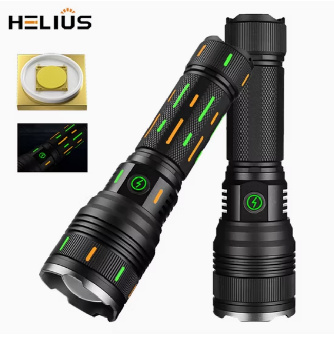
In the flashlight market, understanding how custom colors and branding make a difference in flashlight sales can provide you with a competitive edge. Colors significantly influence how consumers feel about a product; for instance, red can create excitement, while blue often conveys elegance. Unique color schemes also help brands stand out—consider Home Depot's orange or Cadbury's purple. These strategic choices make products memorable and enhance recognition. Studies indicate that color impacts up to 85% of purchasing decisions. By aligning your branding with your audience's preferences, you establish a deeper connection with them. This connection fosters trust and encourages loyalty, allowing your brand to shine brighter than the competition.
Key Takeaways
Custom colors affect how people feel and shop. Pick colors that make customers feel the way you want.
Knowing what colors your audience likes is important. Match flashlight colors to their age, culture, and preferences.
Keeping your branding the same builds trust. Make sure your logo, packaging, and message all fit together.
Cool designs and special features bring in new buyers. Follow trends to keep your brand fresh and interesting.
Ask customers for feedback often with surveys. Use their ideas to improve your branding and meet their needs.
The Importance of Brand Colors in Consumer Behavior
How Colors Shape Emotions and Decisions
Warm vs. Cool Colors and Their Emotional Impact
Colors have a profound effect on how you feel and respond to products. Warm colors like red, orange, and yellow often evoke excitement, energy, and urgency. For example, red is frequently used in sales signs to grab attention and create a sense of immediacy. On the other hand, cool colors such as blue and green promote calmness, trust, and security. This is why many financial institutions and tech companies rely on blue in their branding. By understanding these emotional triggers, you can use color psychology to align your flashlight designs with the feelings you want to inspire in your customers.
Using Colors to Create Urgency or Trust
Strategic use of color can help you convey your brand’s personality and values. Red, for instance, is ideal for creating urgency or excitement, making it a great choice for limited-time offers or outdoor adventure flashlights. Blue, however, is better suited for building trust and reliability, which appeals to professionals seeking durable and dependable lighting solutions. Since consumers form opinions about products within 90 seconds, with 90% of that judgment based on color, selecting the right palette is crucial.
Consumer Preferences and Color Choices
Gender and Age-Based Preferences
Color preferences vary significantly across genders and age groups. Research shows that blue is universally favored, but younger girls often prefer pink or purple, while adult women lean toward red. Men and boys, on the other hand, tend to avoid pink and favor colors like blue and red. As people age, their preferences shift toward cooler tones like blue and green, while warmer tones like yellow and orange become less appealing. By tailoring your flashlight colors to these preferences, you can better meet the needs of your target audience.
Cultural Influences on Color Perception
Cultural differences also play a key role in how colors are perceived. In Western cultures, red symbolizes excitement and love, while in Eastern cultures, it may represent luck and happiness. White, often associated with purity in America, signifies mourning in some Asian countries. These cultural nuances highlight the importance of brand colors in connecting with diverse markets. If you plan to sell flashlights internationally, understanding these differences can help you avoid missteps and create designs that resonate globally.
Effective Use of Colors in Flashlight Design
Bright Colors for Outdoor Enthusiasts
Bright colors like neon green, orange, and yellow are perfect for outdoor enthusiasts. These colors not only stand out in natural environments but also enhance visibility in low-light conditions. For instance, a flashlight with a bright orange casing can be easily spotted in a backpack or on the ground during a camping trip. This practical use of color can make your product more appealing to adventure seekers.
Neutral Tones for Professional Markets
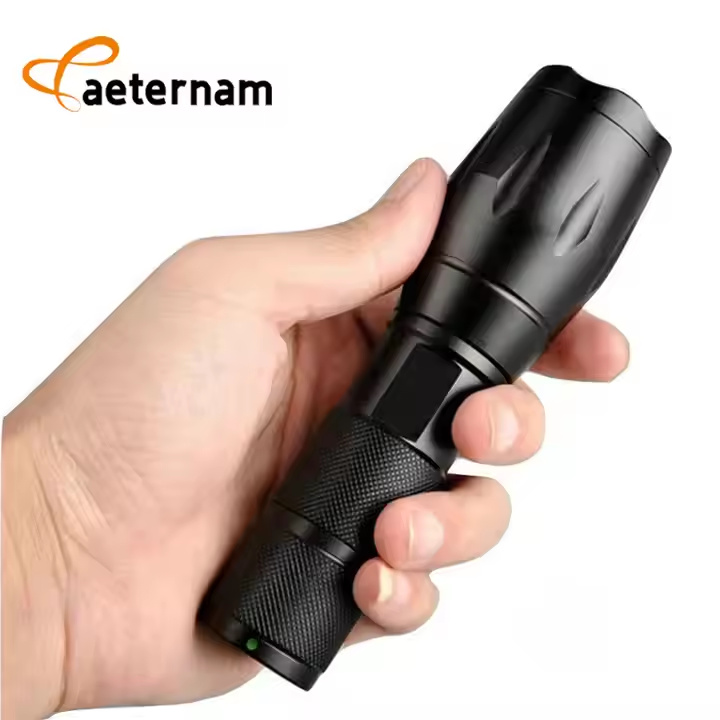
For professional markets, neutral tones like black, gray, and navy blue are more appropriate. These colors convey sophistication and reliability, making them ideal for industries like law enforcement, construction, or healthcare. A sleek black flashlight, for example, aligns with the professional image many workers want to maintain. By offering neutral options, you can cater to customers who prioritize functionality and style.
How Branding Builds Trust and Drives Flashlight Sales
The Role of Consistent Branding
Why Consistency in Logos, Packaging, and Messaging Matters
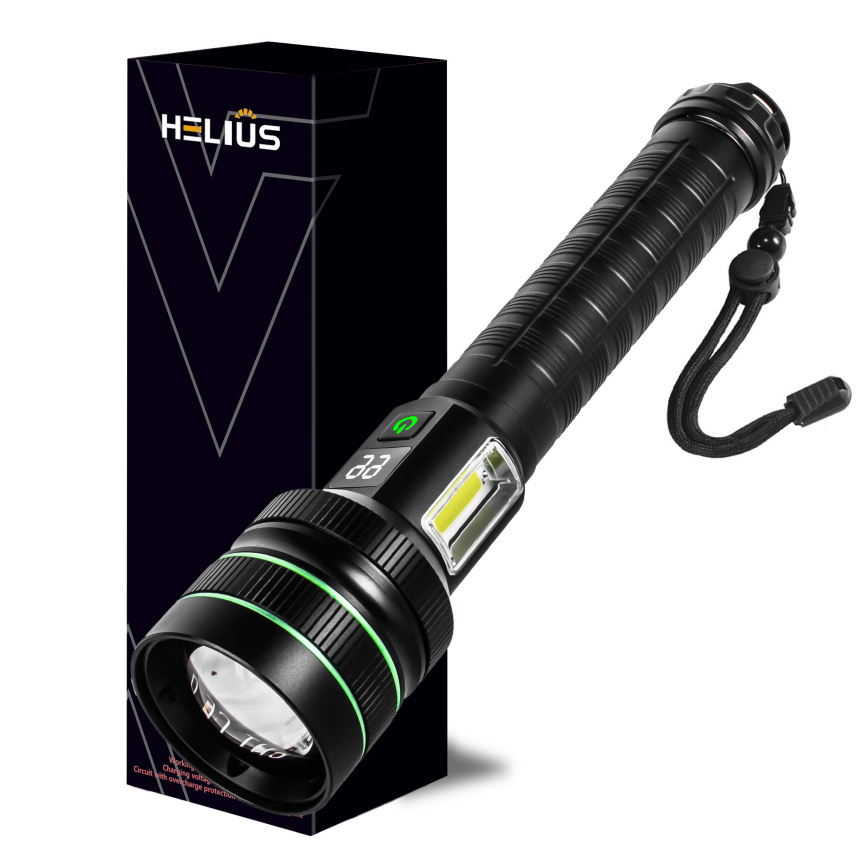
Consistency in branding creates a strong and recognizable brand identity. When your logo, packaging, and messaging align, they form a cohesive image that resonates emotionally with consumers. This emotional connection encourages customers to choose your flashlights over competitors, even if your products are priced higher. A consistent brand identity also enhances customer experiences by creating a perception of value. For example, maintaining uniformity in design and visuals across all platforms fosters brand awareness and builds trust. Customers associate reliability with brands that deliver consistent messaging and positive interactions.
Building Recognition and Trust Through Branding
Brand recognition grows when your branding elements remain consistent over time. A coherent tone and messaging reinforce your brand identity, making it easier for customers to remember your products. Trust develops through repeated positive experiences with your brand. For instance, if your flashlights consistently deliver high-quality light and durability, customers will feel confident in their purchases. This trust translates into increased sales and long-term loyalty.
Successful Branding Strategies in the Flashlight Industry
Case Studies of Brands with Unique Branding
Successful flashlight brands often use creative strategies to stand out. Some offer engraving services, allowing customers to personalize their flashlights. Others let buyers choose features like color and brightness levels, tailoring the product to individual needs. Loyalty programs that reward customers with exclusive flashlight designs also strengthen brand connections. Additionally, brands that encourage customers to share outdoor experiences with their products foster a sense of community. Partnering with outdoor influencers further expands brand awareness and reaches new audiences.
Storytelling as a Tool for Brand Appeal
Storytelling adds depth to your brand identity by creating emotional connections. For example, Apple’s “Apple at Work” campaign highlights productivity, aligning with its innovative image. Similarly, brands like LEGO emphasize creativity through stories that resonate with both children and adults. In the flashlight industry, you can use storytelling to showcase how your products enhance outdoor adventures or professional tasks. Sharing customer stories about how your flashlights provided reliable light in critical moments can make your brand more relatable and memorable.
Branding and Customer Loyalty
Encouraging Repeat Purchases Through Branding
High-quality flashlights build trust and encourage repeat purchases. Customers value dependable products that deliver consistent performance. Loyalty programs offering exclusive designs or discounts further enhance emotional connections with your brand. These programs make customers feel appreciated, increasing the likelihood of them returning for future purchases.
The Impact of Branding on Word-of-Mouth Marketing
Strong branding inspires customers to share their experiences with others. Engaging with your audience and sharing user-generated content can amplify your reach. For example, when customers post photos of your flashlights during outdoor adventures, it creates organic buzz around your brand. Creating content that sparks conversations also drives word-of-mouth marketing. A memorable story or unique feature can make your brand the topic of discussion, boosting sales and brand recognition.
Actionable Tips for Custom Colors and Branding
Aligning Colors and Branding with Your Audience
Conducting Market Research to Understand Preferences
Understanding your audience is the first step in aligning your colors and branding. Start by defining your brand values. These values guide your color choices and ensure they reflect your identity. Research your competitors to identify gaps and opportunities for differentiation. Knowing your audience’s demographics and cultural associations with colors helps you create a palette that resonates with them. For example, if your target market includes outdoor enthusiasts, bright and bold colors may appeal to their adventurous spirit. Apply your chosen color palette consistently across all branding materials to build recognition and trust.
Testing Color Schemes for Effectiveness
Testing ensures your color choices achieve the desired impact. Use focus groups or surveys to gather feedback on your designs. This process helps you identify which colors evoke the right emotions and align with your brand’s message. A/B testing can also reveal how different color schemes influence purchasing decisions. For instance, you might test a red-themed design against a blue one to see which drives more sales. Regular testing keeps your branding relevant and effective.
Ensuring Consistency Across Branding Elements
Maintaining Uniformity in Design and Marketing
Consistency strengthens your brand identity. Create a branding document or manual that outlines your logo variations, color palette, typography, and tone of voice. Use templates for marketing materials to ensure uniformity across campaigns. For example, a consistent use of color in packaging, advertisements, and digital platforms reinforces your brand’s image. Make these guidelines accessible to your team and provide training to maintain alignment.
Avoiding Common Branding Pitfalls
Many businesses struggle with branding consistency. Common pitfalls include outdated brand assets, off-brand content, and over-complicated branding strategies. To avoid these issues, keep your branding simple and focused. Assign a brand champion to oversee consistency and ensure all materials reflect your established standards. Regularly update your branding assets to stay current and relevant.
Designing Complementary Color Schemes
Choosing Colors That Resonate with Your Brand
Your brand colors should evoke emotions that align with your identity. For example, a flashlight brand targeting professionals might choose neutral tones like black or gray to convey reliability. Define your brand values and use them to guide your color selection. Consider cultural meanings and demographic preferences to ensure your colors resonate with your audience. Consistent application of these colors across all branding materials reinforces your identity.
Tools for Creating Effective Color Palettes
Several tools can help you design complementary color schemes:
Tool | Description | Benefits |
|---|---|---|
Adobe Color Wheel | A versatile tool for generating complementary color schemes. | Intuitive interface for building balanced palettes quickly. |
Coolors | A color palette generator for creating stunning combinations. | Fast and easy way to find complementary colors and export color codes. |
Canva Color Wheel | A free tool for generating complementary color schemes. | Quick color matching and tips for effective use within Canva. |
Paletton | A tool for exploring complementary colors with detailed adjustments. | Comprehensive control over color palettes and real-world previews. |
These tools simplify the process of creating visually appealing and effective palettes for your brand.
Measuring the Impact of Custom Colors and Branding
Evaluating Sales and Customer Feedback
Key Metrics for Assessing Branding Success
Tracking the right metrics helps you measure the success of your branding efforts. Start by analyzing sales data to identify trends after implementing new branding strategies. Look for increases in revenue, repeat purchases, or customer acquisition rates. Website analytics also provide valuable insights. Metrics like click-through rates, bounce rates, and time spent on pages can reveal how well your branding resonates with your audience. Social media engagement, including likes, shares, and comments, offers another way to gauge your brand's impact. These indicators show how effectively your custom colors and branding connect with your target market.
Using Surveys to Refine Strategies
Surveys are a powerful tool for gathering customer feedback. Ask questions that uncover how your audience perceives your brand. For example:
How would you describe your overall experience with our company?
On a scale of 1 to 10, how satisfied are you with our product?
What factors influenced your decision to choose our product over competitors?
These questions help you understand customer preferences and identify areas for improvement. Use the insights to refine your branding strategies and ensure your colors and messaging align with customer expectations.
Adapting to Market Trends
Staying Competitive with Innovative Designs
Innovative designs keep your brand relevant in a competitive market. Flashlights with unique features, such as work lights with Bluetooth speakers or music-sync outdoor adventure lights, appeal to modern consumers. Wireless sequence LED warning lights also demonstrate how innovation can meet specific needs. By incorporating such features, you can attract new customers and retain existing ones. Staying ahead of trends ensures your brand remains a leader in the flashlight industry.
Refreshing Branding to Maintain Relevance
Refreshing your branding helps you adapt to changing market demands. Start with a brand audit to evaluate your visuals and messaging. Research market trends and competitors to identify emerging preferences. Update elements like your logo or color palette to reflect current styles while staying true to your identity. Test these changes in smaller markets to gather feedback before a full rollout. Regularly reviewing your branding ensures it evolves with customer expectations, keeping your business relevant and competitive.
Custom colors and branding play a vital role in flashlight sales. They help you create a unique identity that resonates with your audience. Consistent branding builds trust and credibility, making your products more recognizable. Customers value familiarity and reliability, which leads to loyalty and repeat purchases. A strong brand identity also helps you stand out in a competitive market. By understanding how custom colors and branding make a difference in flashlight sales, you can connect with your audience and leave a lasting impression. Investing in these elements ensures your brand shines as brightly as your light.
FAQ
What are the benefits of using custom colors for flashlights?
Custom colors make your flashlights stand out. They help you attract specific audiences by aligning with their preferences. Bright colors appeal to outdoor enthusiasts, while neutral tones attract professionals. Unique colors also enhance brand recognition and create a memorable impression.
How does branding influence customer loyalty?
Branding builds trust and familiarity. Consistent logos, packaging, and messaging create a cohesive identity. Customers associate reliability with your brand, which encourages repeat purchases. Strong branding also fosters emotional connections, making customers more likely to recommend your products to others.
Can cultural differences affect color choices in branding?
Yes, cultural differences play a significant role. For example, red symbolizes luck in China but urgency in the U.S. Understanding these nuances helps you design flashlights that resonate with diverse markets. Researching your target audience ensures your colors align with their cultural preferences.
How do I test if my branding strategy is effective?
Use surveys and focus groups to gather feedback. Analyze sales data and website metrics like click-through rates. A/B testing different designs can reveal what resonates with your audience. Regularly reviewing these insights helps you refine your branding for better results.
What tools can I use to create a color palette for my brand?
You can use tools like:
Adobe Color Wheel: Generates balanced palettes.
Coolors: Quickly finds complementary colors.
Canva Color Wheel: Offers free color-matching tips.
Paletton: Provides detailed palette adjustments.
These tools simplify the process of designing effective color schemes.
Tip: Experiment with these tools to find colors that reflect your brand's identity and values.
See Also
Essential Advice for Finding Private-Label Flashlights for Gifts
Boost Your Business: Custom Flashlights for Promotions
Shine a Light on Your Brand with Promotional Flashlights
Comprehensive Guide to Wholesale Flashlights for Custom Branding
Smart Marketing Approaches for Your Flashlight Wholesale Venture