The Most Cost-Efficient Materials for Flashlight Bodies: ABS vs. Aluminum vs. Alloy

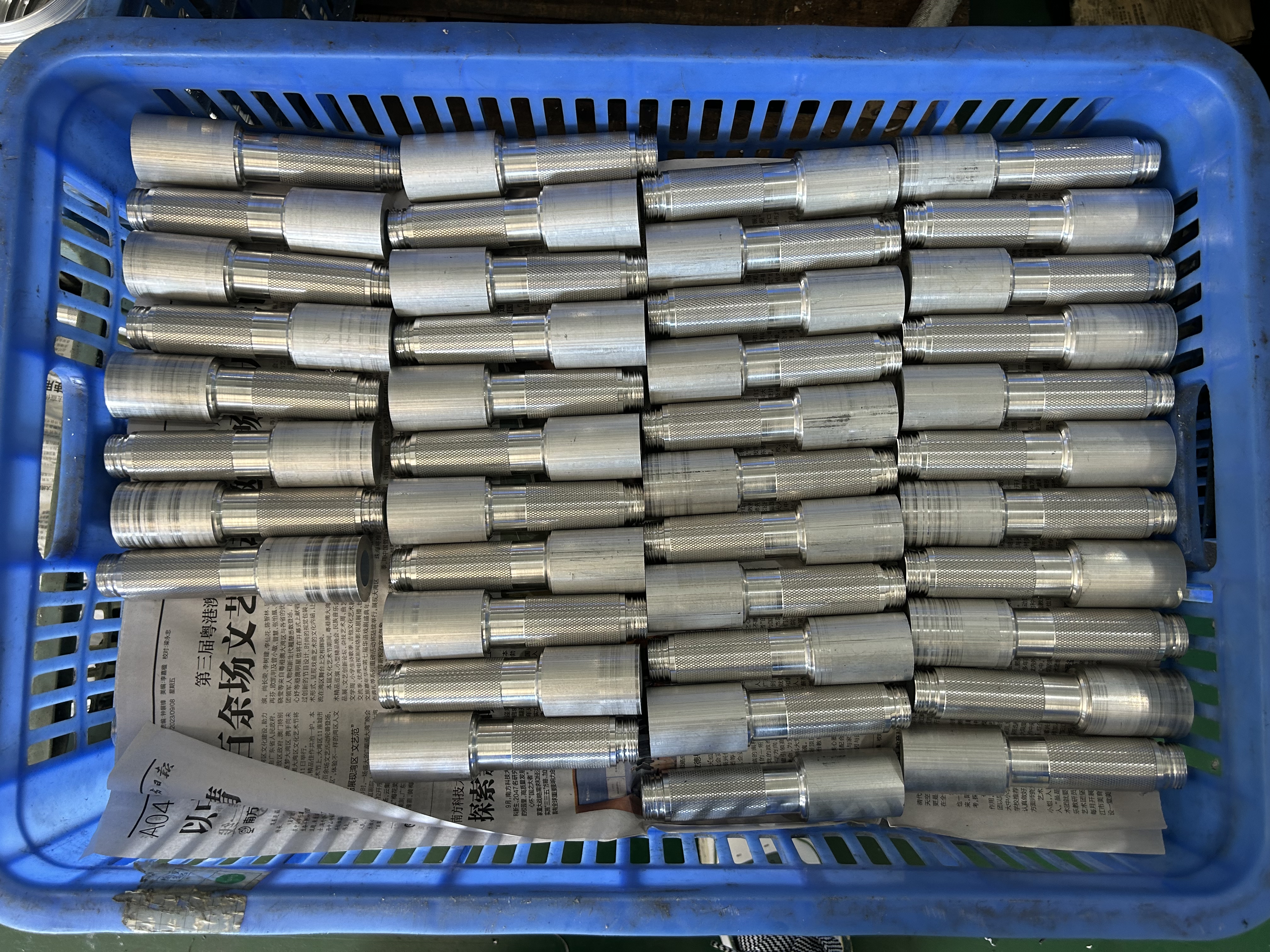
You want the most cost-efficient material for flashlight bodies. ABS plastic stands out for affordability, but aluminum leads the market due to its strong balance between price and performance. Cost-efficiency matters because it shapes how you choose a flashlight and how manufacturers price their products. Manufacturers use cost-efficient materials to offer competitive prices and improve profit margins. You see flashlights made from three main materials: ABS, aluminum, and alloy. Each material offers unique benefits for wholesale flashlights and everyday users.
Aluminum dominates the flashlight market material segment.
Plastic is the fastest-growing material for flashlights.
Key Takeaways
ABS plastic is the most affordable option for flashlight bodies, ideal for budget-conscious consumers seeking lightweight and moderate durability.
Aluminum offers the best overall value, balancing cost, durability, and performance, making it suitable for daily use and professional applications.
Alloy materials, while more expensive, provide premium durability and advanced features, perfect for demanding environments and professional needs.
When choosing a flashlight, consider your specific needs: ABS for light tasks, aluminum for regular use, and alloy for extreme conditions.
Always weigh both the initial cost and long-term performance to ensure you select the right material for your flashlight.
Cost-Efficient Material Overview
Quick Answer: Best Value Material
When you compare the main materials for flashlight bodies, you want to maximize value without sacrificing performance. ABS plastic delivers the lowest cost, making it the top choice for budget-friendly flashlight options. You see manufacturers use ABS when they need to keep production cost down and offer affordable products. Aluminum stands out as the best overall value for most users. You get a strong balance between cost, durability, and weight. Alloy materials, such as stainless steel, provide premium performance but increase cost and weight. If you want a flashlight for everyday use, aluminum offers the best cost-to-performance ratio. You benefit from its lightweight feel and high durability, which justifies a moderate increase in cost compared to ABS.
Tip: Choose aluminum if you need a reliable flashlight that lasts longer and performs well in demanding environments.
ABS vs. Aluminum vs. Alloy Table
You can compare the cost-effectiveness and physical properties of these materials using the tables below. This helps you decide which material fits your needs and budget.
Material | Cost-Effectiveness | Weight | Durability | Applications |
|---|---|---|---|---|
ABS | Cost-effective | Lightweight | Moderate | Budget-friendly flashlights |
Aluminum | Moderate | Lightweight | High | Premium and tactical flashlights |
Stainless Steel | Low | Heavy | Very High | Industrial and rugged applications |
You notice that ABS and aluminum both offer lightweight options, but aluminum provides higher durability. Stainless steel alloy increases cost and weight, making it less suitable for everyday flashlight use.
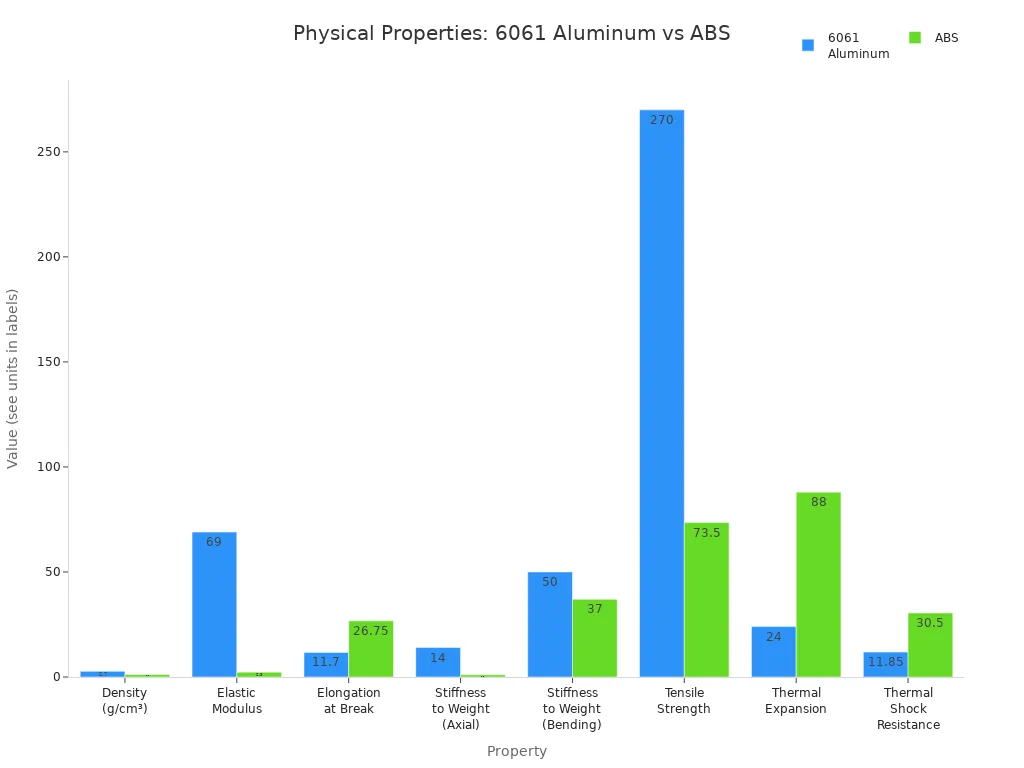
The physical properties of ABS and aluminum also affect cost and performance. The chart below shows how density, stiffness, and strength differ between these materials.
Property | 6061 Aluminum | ABS |
|---|---|---|
Density (g/cm³) | 2.7 | 1.0 to 1.4 |
Elastic Modulus (GPa) | 69 | 2.0 to 2.6 |
Elongation at Break (%) | 3.4 to 20 | 3.5 to 50 |
Stiffness to Weight (Axial) | 14 | 0.79 to 1.4 |
Stiffness to Weight (Bending) | 50 | 30 to 44 |
Tensile Strength (MPa) | 130 to 410 | 37 to 110 |
Thermal Expansion (µm/m-K) | 24 | 81 to 95 |
Thermal Shock Resistance | 5.7 to 18 | 11 to 50 |
You see that aluminum offers higher stiffness and tensile strength, which improves the durability of your flashlight. ABS provides lower cost and moderate performance, making it ideal for basic applications. When you choose materials for flashlight bodies, you must weigh cost against performance to find the best fit.
Flashlight Body Materials Compared
ABS: Lightweight and Affordable
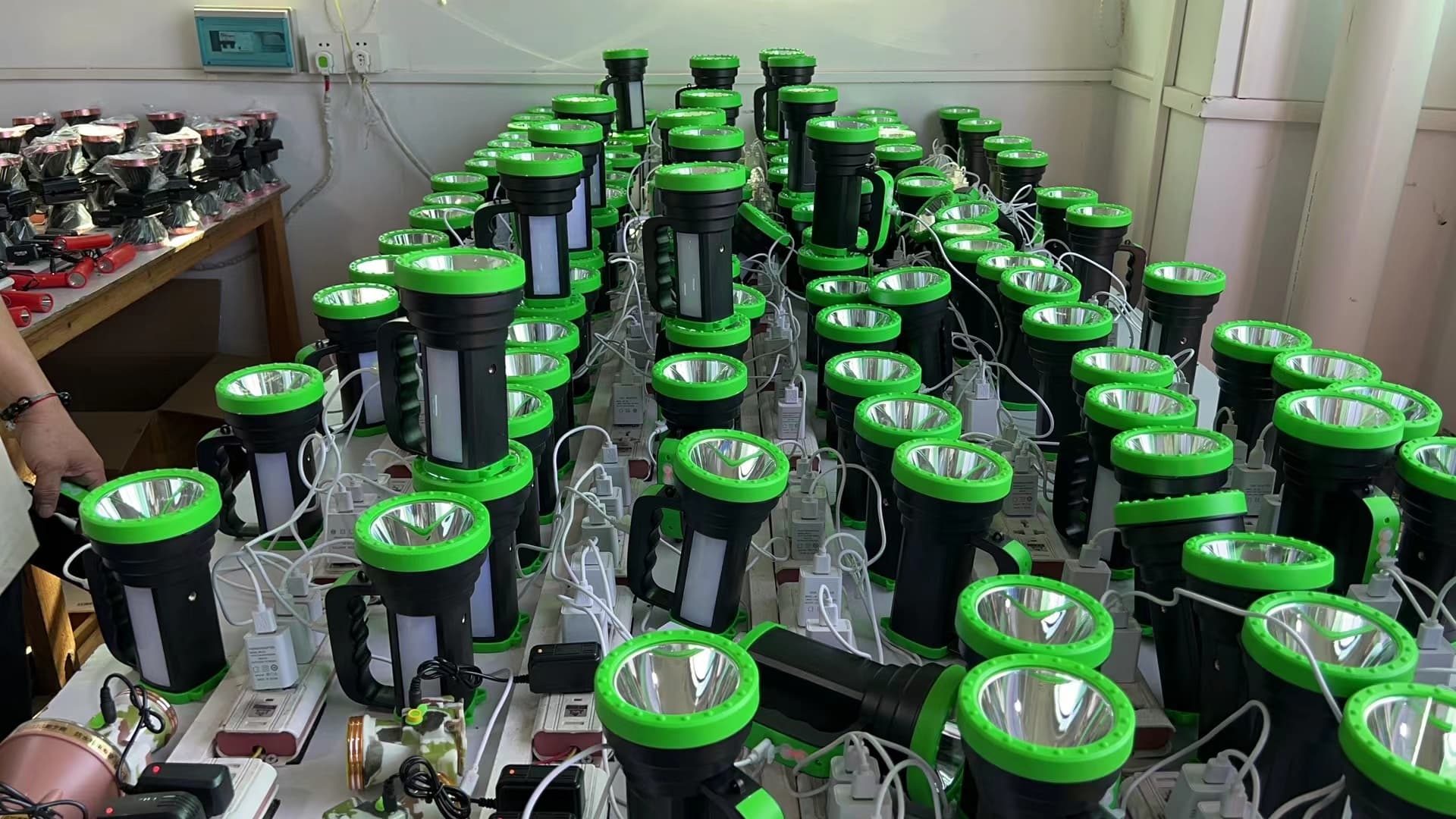
You often see ABS as the go-to choice for budget-friendly flashlight body materials. This polymer stands out for its low cost and ease of manufacturing. You benefit from a lightweight casing, which makes carrying and handling the flashlight comfortable during long use. ABS offers moderate durability, so it works well for everyday tasks and emergency kits. The material resists corrosion and does not conduct electricity, which adds a layer of safety.
ABS polymer keeps production costs low.
The casing remains lightweight, making it ideal for portable flashlights.
You get moderate impact resistance, suitable for casual use.
However, ABS does not match the strength or heat dissipation of aluminum. When you use a flashlight with high light output, the casing may warm up, but ABS does not transfer heat efficiently. This limits its ability to handle high peak beam intensity or extended beam distance. For basic features and occasional use, ABS provides a reliable and affordable option.
Note: ABS polymer flashlights work best for users who prioritize cost and portability over maximum performance.
Aluminum: Strength and Heat Dissipation
Aluminum dominates the market for flashlight body materials because it delivers a strong balance of durability, weight, and cost. You notice that aluminum flashlights feel sturdy yet remain lightweight, making them comfortable for daily carry. The material resists corrosion and stands up to impacts, so your flashlight lasts longer even in tough environments.
Key advantages of aluminum:
Lightweight yet strong construction
Corrosion-resistant surface
High durability and impact resistance
Efficient heat dissipation
Sleek, professional appearance
Cost-effective for most users
You benefit from aluminum’s excellent heat conductivity. When your flashlight produces high light output, the casing quickly disperses heat, protecting internal components and maintaining peak beam intensity. This feature supports longer runtimes and higher beam distance, which is essential for tactical and professional applications.
Material | Heat Conductivity | Safety in High Temperatures |
|---|---|---|
Aluminum | Excellent | Dangerous |
Polymer | Poor | Safer |
Aluminum flashlights often use different finishes to improve durability. Anodizing Type 3, for example, creates a very hard surface that withstands heavy use and minimizes damage. You get a reliable flashlight that maintains its appearance and performance over time.
Description | Durability Level | |
|---|---|---|
Powder Coat | Weakest finish, corrosion-resistant but can be easily scraped off. | Low |
Anodizing Type 2 | Moderate durability, holds up under moderate to heavy use. | Medium |
Anodizing Type 3 | Very hard finish, withstands serious punishment and shows minimal damage. | High |
Tip: Choose aluminum if you need a flashlight with high light output, long beam distance, and consistent performance in demanding conditions.
Alloy: Premium Performance
You find alloy materials, such as stainless steel or carbon fiber, in high-end flashlight models. These body materials deliver premium performance, combining superior strength, durability, and unique features. Carbon fiber, for example, offers a lightweight design with exceptional toughness. You experience improved heat transfer, which supports higher peak beam intensity and stable light output during extended use.
Carbon fiber enhances flashlight capabilities through its lightweight design.
The material’s strength and lightness improve heat transfer and aesthetic appeal.
Premium alloys align with the demands of modern lighting tools, raising perceived value.
Alloy flashlights often cost more, but you gain advanced features and a longer lifespan. The casing resists scratches, dents, and corrosion, making it ideal for professional users who need maximum reliability. You also notice that premium alloys support higher beam distance and light output, which is critical for search and rescue or industrial applications.
Note: If you want the best performance and are willing to invest more, alloy flashlights deliver unmatched durability and advanced features.
Materials Used in Manufacturing Flashlights
ABS Manufacturing and Cost
You see acrylonitrile butadiene styrene as one of the most popular plastic options for flashlight bodies. Manufacturers choose this material for its balance of cost, durability, and ease of production. The process starts with injection molding, where heated ABS pellets fill a custom mold. This method allows you to create complex shapes with minimal waste. The cost of production depends on several factors, including material costs, labor, energy, equipment, and mold expenses. Energy-saving technologies can help reduce energy costs during manufacturing. ABS offers moderate energy consumption compared to other durable plastics. You benefit from moderate pricing, making acrylonitrile butadiene styrene ideal for everyday use and household applications. The quality of the final product depends on the precision of the molding process and the grade of ABS used.
Cost Factor | Description |
|---|---|
Material Costs | The cost of raw materials for ABS, which varies based on quality and quantity. |
Labor Costs | Wages for personnel involved in the injection molding process. |
Energy Costs | Costs associated with energy consumption during the molding process. |
Equipment Costs | Expenses related to purchasing and maintaining the injection molding machinery. |
Mold Costs | Costs for designing and manufacturing injection molds. |
Management Expenses | Overhead costs not directly tied to production, such as rent and insurance. |
Note: ABS flashlight bodies provide good impact resistance and moderate weight, making them a smart choice for cost-sensitive buyers.
Aluminum Alloy Production
You find aluminum alloy as the leading material in the U.S. flashlight market. Manufacturers prefer this metal for its lightweight nature, strength, and cost-effectiveness in mass production. The production process usually involves extrusion or CNC machining, which shapes the aluminum alloy into precise forms. Machining aluminum is less expensive than custom molding and heat treating, which helps keep costs down. You often see 6061-T6 aluminum alloy used for flashlight bodies. This grade stands out for its hardness, high tensile strength, and suitability for anodizing. Anodizing improves corrosion and wear resistance, which boosts the quality and lifespan of your flashlight. The lightweight property of aluminum alloy makes it perfect for portable applications. You get a product that balances durability, performance, and price.
6061-T6 aluminum is known for its hardness and high tensile strength.
The material is suitable for anodizing, which improves corrosion and wear resistance.
Its lightweight nature makes it ideal for portable applications.
Material | Durability | Weight | Cost Impact |
|---|---|---|---|
Aluminum | Good durability | Lightweight | Cost-effective for mass production |
Aluminum Alloy | Enhanced strength | Slightly heavier | More expensive, premium feel |
Alloy Blends and Applications
You encounter a range of metal options in high-end flashlight manufacturing. Common alloy blends include aerospace-grade and aircraft-grade aluminum alloys, titanium, stainless steel, copper, and brass. Each blend offers unique properties that affect quality, weight, and cost. For example, 6061-T6 aluminum alloy provides a strong combination of hardness and tensile strength, making it a top choice for aircraft-grade applications. Aerospace-grade alloys like 7075-T6 deliver even higher strength but at a higher production cost. Titanium alloys offer superior corrosion resistance, while stainless steel provides a heavier but robust alternative. Copper and brass excel in thermal conductivity and develop a patina over time, adding to their appeal.
Alloy Blend | Properties and Applications |
|---|---|
Aluminum alloy | Commonly used for flashlight bodies due to strength, heat transmission, and low density. |
Aerospace-grade aluminum alloy | Includes 2024-(T3 or T351), 7050-(T7451 or T6), and 7075-(T6/T651 or T7351); 7075-T6 is most common. |
Aircraft-grade aluminum alloy | 6061-T6 is used for its hardness and high tensile strength. |
Titanium alloy | More corrosion-resistant than stainless steel; used in higher-end custom flashlights. |
Stainless steel | Heavier than aluminum; offers various surface treatments but less effective in heat transmission. |
Copper | Excellent thermal conductivity; develops a patina over time. |
Brass | An alloy of copper and zinc; develops a patina but less than copper; golden in color. |
You should consider the specific application and desired quality when selecting materials used in manufacturing. Each alloy blend offers a different balance of production cost, durability, and performance.
Durability and Longevity of Body Materials
Impact Resistance and Wear
You want your flashlight to withstand drops, bumps, and rough handling. Impact resistance plays a major role in durability. ABS plastic offers moderate impact resistance, which protects the flashlight from minor falls. Aluminum bodies provide higher impact resistance, so you get better protection against dents and cracks. Premium alloy flashlights deliver the best impact resistance, making them ideal for demanding environments. Water resistance also affects durability. ABS and aluminum both offer good water resistance, but premium alloys often feature advanced seals for maximum protection. You should consider both impact resistance and water resistance when choosing a flashlight for outdoor or professional use.
Heat Dissipation and Performance
Heat dissipation directly influences runtime and intensity. Aluminum excels at transferring heat away from internal components. This property allows your flashlight to maintain high intensity for longer periods. ABS plastic does not dissipate heat as efficiently, which can limit runtime and reduce intensity during extended use. Alloy bodies, especially those with advanced engineering, offer superior heat dissipation. You benefit from stable runtime and consistent intensity, even in high-output flashlights. Water resistance also supports durability by preventing moisture from affecting heat management systems. When you need reliable flashlight performance, choose materials that balance heat dissipation, runtime, and intensity.
Maintenance and Lifespan
Proper care extends the lifespan of your flashlight. You should follow these steps to maximize durability and runtime:
Clean the flashlight regularly to remove dust and debris.
Use the recommended battery type and remove batteries during long storage.
Store your flashlight in a cool, dry place and use a protective case to prevent physical damage.
Aluminum and alloy flashlights often last longer due to their superior durability and water resistance. ABS models require more frequent checks for cracks or wear. You will notice that runtime and intensity remain stable when you maintain your flashlight properly. High-quality materials reduce the need for repairs and replacements, saving you money over time.
Cost-Efficiency for Wholesale Flashlights
Upfront and Long-Term Costs
When you purchase wholesale flashlights, you must consider both the initial investment and the total cost over time. ABS plastic offers the lowest upfront price, which helps you keep your initial expenses down. However, you may face higher replacement rates due to moderate durability. Aluminum flashlights cost more at first, but you benefit from longer service life and fewer replacements. This reduces your long-term spending and improves your return on investment. Premium alloy flashlights require the highest upfront payment. You gain unmatched durability and performance, but the cost may not fit every budget, especially for large-scale orders.
You should also factor in maintenance and warranty claims. Aluminum and alloy flashlights often need less maintenance and fewer repairs. This saves you time and money as your business grows. When you choose materials for wholesale flashlights, always weigh the balance between initial price and total ownership cost.
Best Choice for Bulk Buyers
As a bulk buyer, you want materials that deliver consistent quality and meet industry standards. You should look for these key factors when selecting wholesale flashlights:
High-quality, durable materials ensure longevity and reliable performance.
Rigorous testing for impact and water resistance helps you meet durability standards.
Customization options allow you to match specific customer needs.
Aluminum alloys provide excellent corrosion resistance and withstand rough handling.
Shatterproof polycarbonate or tempered glass lenses offer clarity and strength.
Compliance with ANSI/NEMA FL1 and IEC 60529 (IP Code) demonstrates protection against elements.
Suppliers with a strong compliance history show commitment to quality.
Aluminum stands out as the best value for most wholesale flashlights. You get a strong balance of cost, durability, and performance. ABS works well for budget-focused buyers who need large quantities for basic use. Premium alloys suit specialized markets where maximum durability is critical. By choosing the right material, you ensure your wholesale flashlights meet customer expectations and support your business growth.
Choosing the Right Flashlight Material
Everyday Use vs. Professional Needs
You need to match your flashlight material to your daily tasks. If you use a flashlight for home repairs, camping, or emergencies, you want something lightweight and easy to carry. ABS plastic fits these needs. It keeps your costs low and gives you enough durability for light-duty jobs. You can toss it in a drawer or glove box without worry.
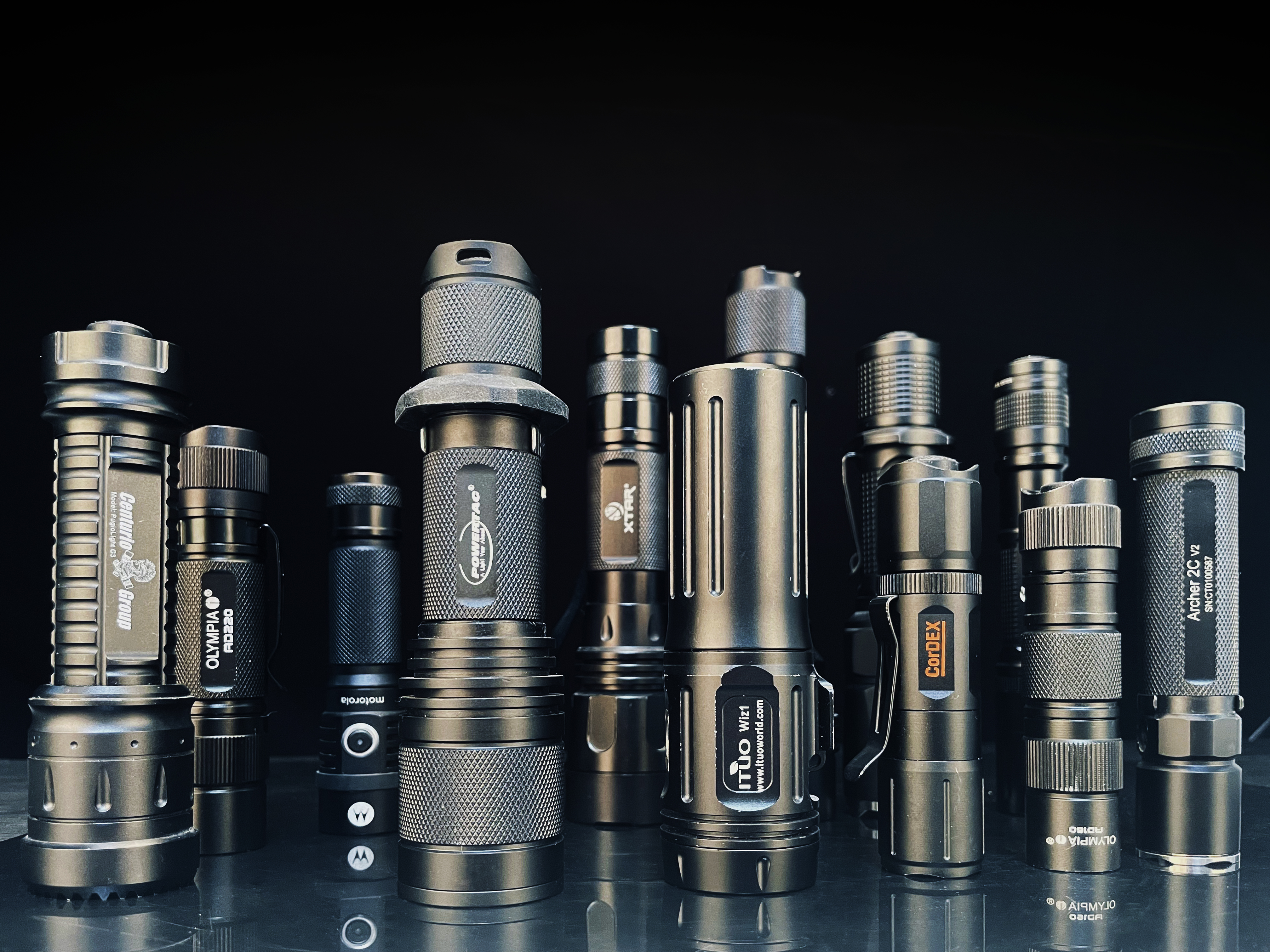
If you work in security, law enforcement, or construction, you need a tougher tool. Aluminum flashlights give you the strength to handle drops, bumps, and rough weather. You get better heat dissipation, which means your flashlight stays cool and reliable during long shifts. Premium alloys, like stainless steel or titanium, suit you if you demand the highest performance and expect your gear to last for years.
Tip: Think about where and how often you use your flashlight. The right material saves you money and hassle in the long run.
Balancing Budget and Performance
You want the best value for your money. Start by listing your top priorities: cost, weight, durability, and performance. Use the table below to compare your options:
Material | Best For | Budget Level | Durability | Weight |
|---|---|---|---|---|
ABS | Occasional, light use | Low | Moderate | Very light |
Aluminum | Daily, active use | Medium | High | Light |
Alloy | Demanding, pro use | High | Very High | Heavy |
If you need a flashlight for basic tasks, ABS gives you the lowest price. For regular or outdoor use, aluminum offers the best mix of price and toughness. If you want a tool that can handle extreme conditions, invest in an alloy model.
Note: You do not need to overspend for features you will not use. Choose the material that matches your real needs.
You see aluminum as the most cost-efficient material for flashlight bodies. It balances price, durability, and performance. ABS gives you the lowest upfront cost but less strength. Alloy offers premium durability but raises your budget.
Consumers: Choose ABS for light, occasional use.
Professionals: Pick aluminum for daily reliability.
Wholesalers: Select aluminum for the best long-term value.
Remember: Weigh both immediate savings and long-term performance before you decide on a flashlight material.
FAQ
What is the most affordable material for flashlight bodies?
You will find ABS plastic as the most affordable option. Manufacturers use it for budget-friendly flashlights. You get a lightweight product at a low price, but with moderate durability.
Why do many professional flashlights use aluminum?
You see aluminum in professional flashlights because it offers high strength, low weight, and excellent heat dissipation. You benefit from a durable tool that performs well in demanding environments.
Can ABS flashlights handle outdoor use?
You can use ABS flashlights outdoors for light tasks. They resist corrosion and moisture. However, you should avoid heavy impacts or extreme temperatures, as ABS does not match aluminum’s toughness.
Are alloy flashlights worth the higher price?
If you need maximum durability and premium features, you should consider alloy flashlights. They last longer and withstand harsh conditions. For everyday use, you may not need the extra investment.
See Also
Understanding LED Technology and Flashlight Manufacturing Techniques
Selecting Top Quality Flashlights for Bulk Buying
Enhancing Efficiency: Selecting Premium Batteries for Bulk Flashlights
Finding Ideal LED Flashlights for Wholesale Acquisition
Evaluating Rechargeable Versus Traditional Flashlights: A Comparison