How to choose the best features for flashlight features and wholesale flashlights bulk orders

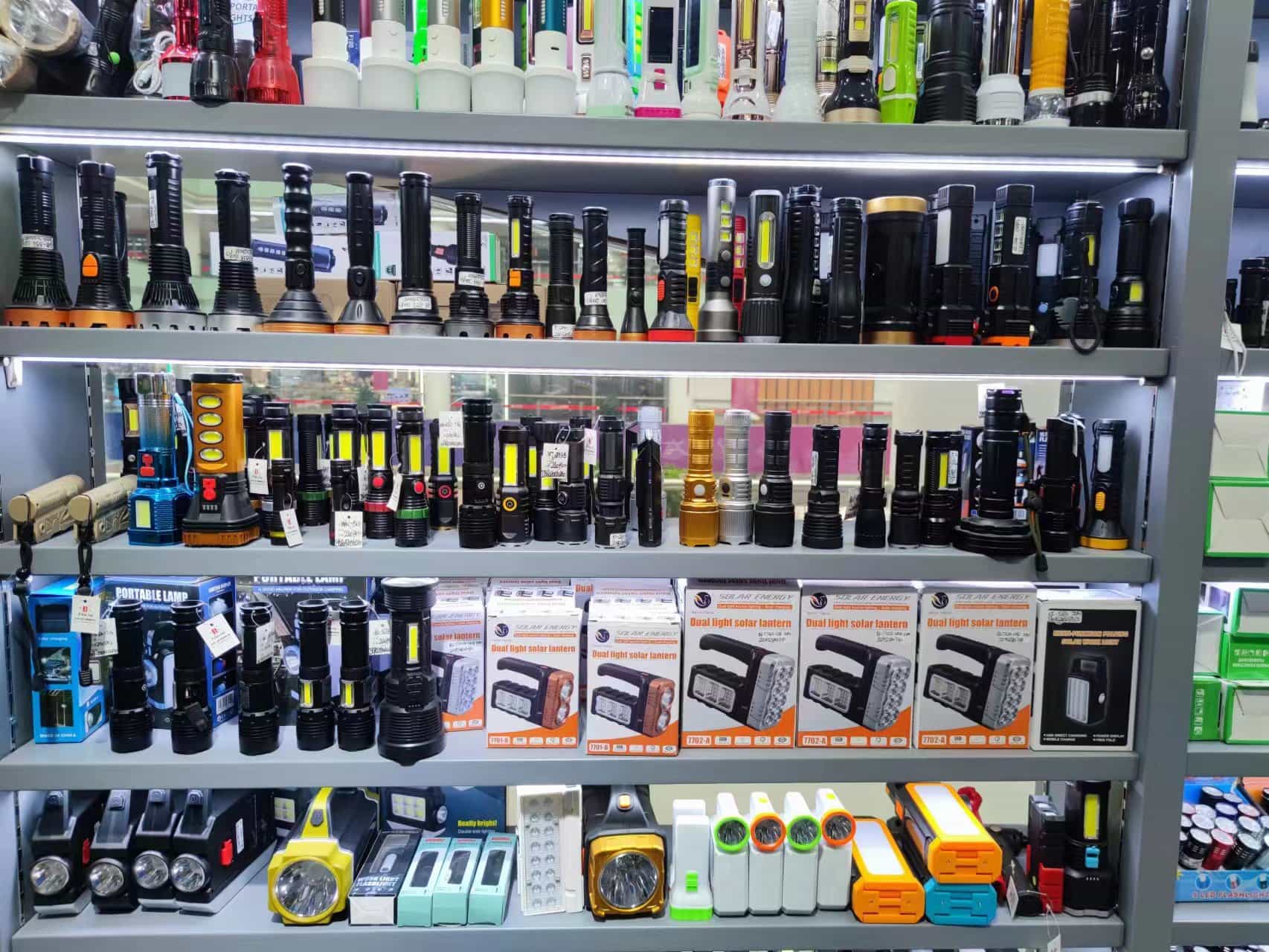
Choosing the right flashlight features is essential to meet your specific needs. Whether you need a flashlight for outdoor adventures, emergency preparedness, or professional use, the right features can make all the difference. For example, water resistance, durability, and light modes like UV or energy-saving options ensure versatility and reliability in various situations.
When ordering flashlights in bulk, making informed decisions becomes even more critical. Bulk purchasing offers benefits like deeper discounts, higher profit margins, and a competitive edge. Open communication with suppliers also helps you secure better deals and avoid disruptions. By prioritizing quality and usability, you can ensure your investment delivers long-term value.
Key Takeaways
Pick flashlights based on brightness and beam range. More lumens mean better light, and adjustable beams help in various tasks.
Think about battery types. Rechargeable batteries save money if used often, while disposable ones are handy for emergencies.
Look for strong and water-resistant flashlights. Aluminum is light and strong, while stainless steel lasts longer.
Add your brand to flashlights. Use engraving or printing for logos and design packaging to match your brand style.
Check suppliers by asking for samples and certifications. Make sure they are reliable before buying in bulk to avoid problems later.
Key Flashlight Features to Consider
Brightness and Light Output
Lumens and Beam Distance
When evaluating flashlight features, brightness and beam distance are critical. Lumens measure the total visible light emitted by a flashlight. However, brightness alone does not determine performance. Beam distance depends on factors like lens design, LED technology, and beam focus. For instance, a flashlight with 1000 lumens can illuminate objects up to 200-300 meters away.
Here’s a quick guide to lumens and their applications:
Lumens | Distance | Best For |
|---|---|---|
1–250 | Up to 80 meters | Everyday use in dim conditions |
160–400 | Up to 100 meters | Camping and hiking |
400–1000 | Up to 200 meters | Backpacking and caving |
1000–3000 | Up to 350 meters | Hunting and fishing |
3000–7000 | Up to 500 meters | Emergency rescue and mountaineering |
Adjustable Beam Modes
Flashlights with adjustable beam modes enhance usability. Spotlight mode provides focused, long-distance illumination, ideal for outdoor navigation or signaling. Floodlight mode offers broad coverage, perfect for camping or emergencies. These modes ensure you can adapt the flashlight to various scenarios effectively.
Battery Life and Power Options
Rechargeable vs. Disposable Batteries
Choosing between rechargeable and disposable batteries depends on your needs. Rechargeable batteries are cost-effective and eco-friendly, making them suitable for frequent use. Disposable batteries, on the other hand, are convenient for occasional use or emergency kits.
Battery Runtime and Accessibility
Battery runtime varies based on brightness settings, ambient temperature, and battery type. Lower brightness modes consume less energy, extending runtime. High-capacity batteries or using multiple batteries can also increase runtime. For optimal performance, consider flashlights with accessible battery compartments for quick replacements.
Durability and Build Quality
Water Resistance and Impact Ratings
Durability ensures your flashlight performs in challenging conditions. Look for water resistance ratings like IPX4 for splash resistance or IPX7 for temporary immersion. Impact resistance protects against damage from drops, making the flashlight reliable in rugged environments.
Material Types and Longevity
The material of a flashlight affects its longevity. Aluminum alloys provide lightweight durability, while stainless steel offers superior strength. Plastic flashlights are lightweight but may lack durability. Choose materials based on your intended use and environment.
Design and Portability
Size, Weight, and Ergonomics
The size and weight of a flashlight play a significant role in its usability. Compact and lightweight designs are ideal for activities like hiking or camping, where portability is essential. Larger flashlights, however, may offer better grip and higher power, making them suitable for professional use. You should consider the balance between portability and functionality when selecting a flashlight.
Ergonomics also matter. A flashlight with a comfortable grip reduces hand fatigue during extended use. Rubberized handles or textured surfaces provide better control, especially in wet or slippery conditions. Custom designs tailored to specific industries often include features like adjustable brightness and beam focus. These allow you to switch between wide beams for general visibility and narrow beams for detailed tasks, ensuring the flashlight meets your operational needs.
Industry | Key Functional Benefits |
|---|---|
First Responders | Specialized equipment for visibility in dark situations and focused lighting. |
Campers and Hikers | Essential for navigation and signaling for help in the dark. |
Construction Workers | Designed for visibility in dark work areas, enhancing safety and efficiency. |
Practicality for Target Users
Understanding the needs of your target users helps you choose the right flashlight features. For outdoor enthusiasts, lightweight and durable flashlights with water resistance are practical. Professionals like construction workers or first responders benefit from rugged designs with high-impact resistance and long battery life.
Consider how the flashlight will be used. A flashlight for emergency kits should prioritize long runtime and reliability. For everyday carry, compact designs with multiple light modes are more practical. By aligning the design with the user's needs, you ensure the flashlight delivers maximum value and functionality.
Customization Options for Wholesale Flashlights
Branding and Logo Integration
Engraving vs. Printing Techniques
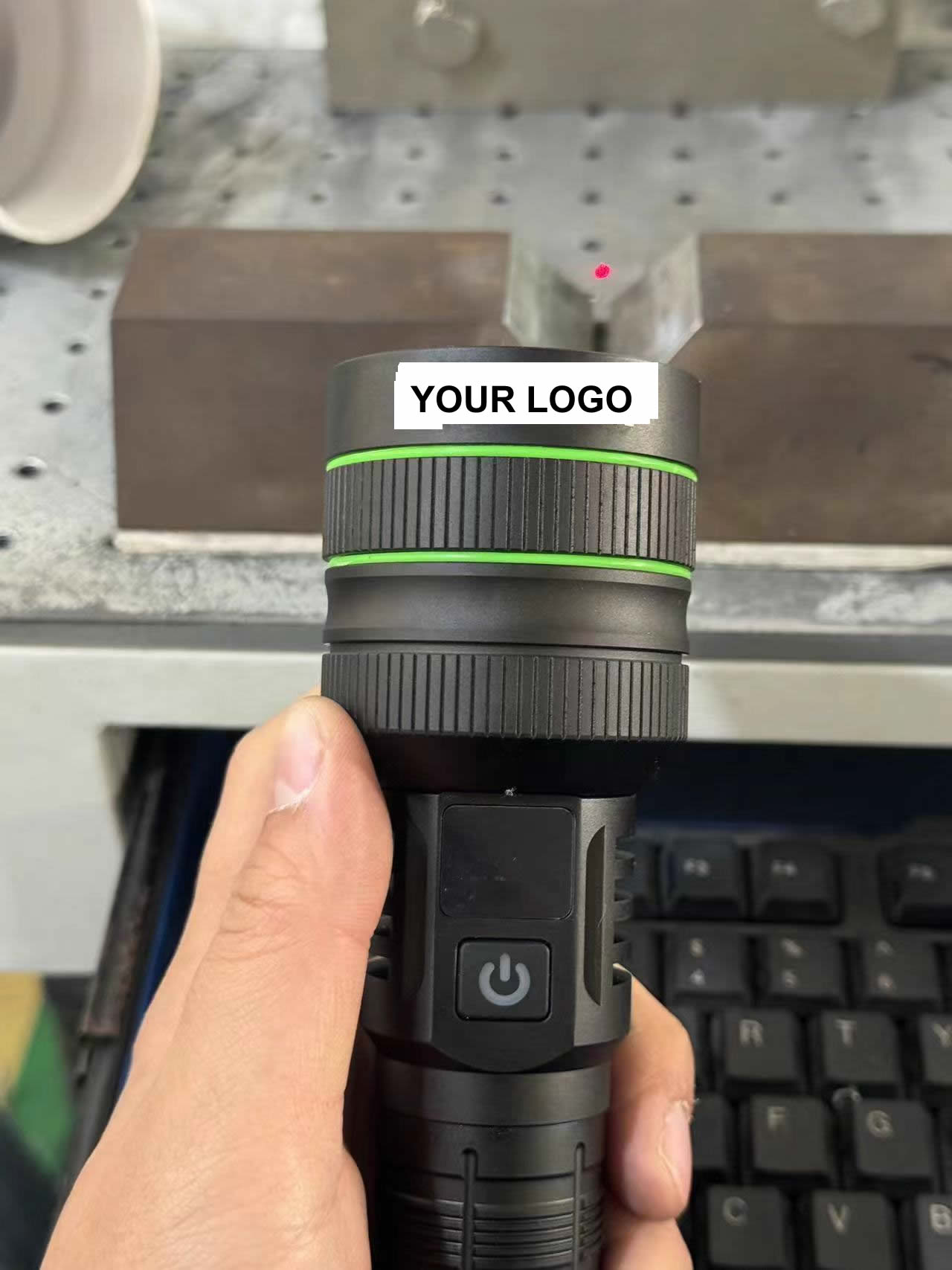
Adding your brand’s logo to flashlights can significantly boost visibility and recognition. Two popular methods for logo integration are engraving and printing. Engraving offers a durable and professional finish, ideal for long-term use. It resists wear and tear, making it suitable for rugged environments. Printing, on the other hand, allows for vibrant colors and intricate designs. This method works well for promotional flashlights where aesthetics play a key role.
Logo Placement for Maximum Visibility
Strategic logo placement ensures your brand stands out. Positioning the logo on the flashlight’s body or near the power button increases visibility during use. For compact designs, placing the logo on the packaging can also enhance brand recognition. By choosing the right placement, you turn each flashlight into a mobile advertisement for your business.
Packaging and Presentation
Custom Packaging Designs
Custom packaging creates a strong first impression. Unique designs with your brand’s colors and logo make your products memorable. Packaging tailored to your target audience, such as sleek boxes for corporate clients or rugged cases for outdoor enthusiasts, adds value. A well-designed package reflects professionalism and builds trust with your customers.
Eco-Friendly and Sustainable Options
Eco-friendly packaging benefits both your brand and the environment. Using recyclable materials reduces waste and promotes sustainability. Bulk packaging options also lower emissions during manufacturing. These choices resonate with environmentally conscious consumers, enhancing your brand’s reputation.
Functional Customization
Industry-Specific Features
Tailoring flashlights to specific industries improves functionality. For example:
Industry | Key Functional Benefits |
|---|---|
First Responders | Focused lighting for emergencies. |
Campers and Hikers | Navigation and signaling tools. |
Hunters | Enhanced visibility for tracking. |
Construction Workers | Reliable lighting for dark workspaces. |
Adding Unique Functionalities (e.g., UV Light, Emergency Modes)
Incorporating unique features sets your flashlights apart. Adjustable brightness, strobe modes, and UV lights cater to diverse needs. Emergency modes like SOS signals add practicality for outdoor and professional users. These customizations exceed customer expectations, fostering loyalty and repeat business.
Evaluating Suppliers for Bulk Orders
Ensuring Quality and Reliability
Requesting Samples and Testing
Testing product samples is a crucial step in evaluating a supplier’s reliability. Request samples to assess the flashlight’s brightness, durability, and battery performance. Pay attention to how the flashlight performs under different conditions, such as water exposure or impact. Testing ensures the product meets your expectations before committing to a bulk order.
Verifying Certifications and Reviews
Certifications provide assurance of quality and compliance. Look for certifications like CE, RoHS, and ISO. CE certification confirms adherence to European safety standards, while RoHS ensures the absence of hazardous materials. ISO certifications, such as ISO 9001, demonstrate a supplier’s commitment to quality management.
Additionally, check reviews and testimonials from other buyers. Positive feedback highlights the supplier’s reliability and ability to meet deadlines. You can also verify certifications with issuing authorities to ensure authenticity.
Criteria | Details |
|---|---|
Product Quality | Durable materials, high-performance LEDs, and certifications like CE, RoHS. |
Customization Options | Branding, design, and functional modifications. |
Pricing | Competitive pricing without compromising quality. |
Production Capacity | Ability to handle bulk orders and meet deadlines. |
Reputation | Reviews, testimonials, and case studies. |
After-Sales Support | Warranty, return policies, and customer service availability. |
Comparing Costs and Value
Balancing Price with Quality
Focus on the total cost of ownership (TCO) rather than just the unit price. Research market prices and request quotes from multiple suppliers. Compare what each supplier offers for the price, including quality, certifications, and after-sales support. This approach ensures you get the best value for your investment.
Negotiating Bulk Discounts
Suppliers often offer discounts for large orders. Request quotes from at least three vendors and analyze their pricing trends. Use this information to negotiate better deals. Highlight your long-term purchasing potential to secure competitive bulk discounts.
Delivery and Logistics
Lead Times and Shipping Options
Timely delivery is essential for bulk orders. Build strong relationships with suppliers to ensure they prioritize your orders. Open communication helps prevent misunderstandings and delays. Use real-time tracking tools to monitor shipments and address issues promptly.
Managing International Orders and Customs
International orders require careful planning. Ensure compliance with customs regulations by preparing accurate documentation, such as the Commercial Invoice, Packing List, and Certificate of Origin. Missing paperwork can lead to delays or additional fees. Maintaining safety stock can also help you manage unexpected disruptions.
Proper documentation is the foundation of smooth customs clearance. Missing or incorrect paperwork can lead to shipment delays or additional customs fees. Key documents include: Commercial Invoice, Packing List, Bill of Lading (BOL), and Certificate of Origin.
By addressing these factors, you can streamline the process of evaluating suppliers and ensure a successful bulk order experience.
Tips for Making Informed Bulk Purchasing Decisions
Aligning Flashlight Features with Goals
Matching Features to Target Users
To align flashlight features with your goals, start by understanding your target users’ preferences. Outdoor enthusiasts often prioritize brightness and durability, while professionals may need specific functionalities like adjustable beam modes. Consider these strategies:
Identify customer needs, such as water resistance or long battery life.
Ensure suppliers meet industry standards for quality assurance.
Manage inventory effectively to meet demand without overstocking.
For example, everyday tasks require flashlights with 100-300 lumens, while outdoor or emergency use demands 500+ lumens. Durable materials like aluminum or impact-resistant plastic ensure reliability in rugged conditions.
Considering Long-Term Usability
Long-term usability should guide your selection process. Evaluate features like material durability, battery life, and functionality. High-quality materials, such as aluminum alloys, resist corrosion and endure rough handling. Rechargeable batteries reduce replacement frequency, saving costs over time.
Feature | Importance |
|---|---|
Material Durability | Ensures the flashlight withstands wear and tear over time. |
Battery Life | Reduces the frequency of replacements, enhancing usability. |
Brightness | Affects visibility and effectiveness in various conditions. |
Functionality | Ensures the flashlight performs well in different environments. |
Request samples to test brightness, beam type, and battery performance. This ensures the flashlights meet your expectations before bulk purchasing.
Communicating Effectively with Suppliers
Asking Key Questions During Negotiations
Effective communication with suppliers builds trust and avoids misunderstandings. Ask questions about production timelines, material costs, and shipping limitations. This helps you understand supplier constraints and plan accordingly.
Maintain transparency by outlining your expectations regarding pricing, delivery schedules, and quality. For example, establish clear contracts that detail all terms. Open communication fosters a reliable partnership and ensures both parties align on goals.
Establishing Clear Terms and Expectations
Clear terms protect your interests and streamline the purchasing process. Include details like delivery schedules, quality standards, and payment terms in your contracts. Highlight your commitment to mutual benefits to strengthen the relationship. Demonstrating reliability through timely payments also builds goodwill with suppliers.
Planning for Bulk Orders
Forecasting Demand and Inventory Needs
Accurate demand forecasting prevents overstocking or shortages. Use historical sales data to identify patterns and seasonal trends. Advanced tools like Tableau or Microsoft Power BI can help analyze data and predict demand spikes.
Monitor external factors like weather forecasts and market trends.
Use predictive analytics to adjust inventory levels.
Plan safety stock to manage unexpected disruptions.
Analyzing past purchasing patterns ensures you meet customer demand efficiently.
Budgeting for Bulk Purchases
Budgeting effectively ensures cost-efficiency in bulk orders. Focus on quality assurance by verifying suppliers meet industry standards. Understand customer preferences, such as brightness or durability, to avoid unnecessary expenses.
Strategy | Description |
|---|---|
Quality Assurance | Ensure suppliers meet industry standards and provide proof of quality. |
Understanding Preferences | Know what your customers value in flashlights, such as brightness or durability. |
Effective Inventory Management | Use sales data to optimize stock levels and prevent overstocking. |
By following these practices, you can allocate resources wisely and maximize your return on investment.
Choosing the right flashlight features ensures you meet specific needs effectively. Focus on key aspects like light output, beam type, and battery performance. Durable materials and multiple lighting modes enhance usability, while compact designs improve portability. Reliable suppliers play a vital role in maintaining quality and meeting deadlines.
Customization adds value to bulk orders by aligning products with your brand and customer preferences. Starting with small sample orders allows you to test performance, durability, and accessories. This approach ensures you invest in high-quality flashlights that meet your expectations and satisfy your customers.
Tip: Always evaluate samples for water resistance, impact tolerance, and runtime before committing to large purchases.
FAQ
What are the most important features to look for in a flashlight?
Focus on brightness (lumens), battery life, and durability. Water resistance and adjustable beam modes also add value. These features ensure the flashlight performs well in different environments and meets your specific needs.
How do I choose between rechargeable and disposable batteries?
Rechargeable batteries work best for frequent use and save money over time. Disposable batteries suit emergency kits or occasional use. Consider your usage patterns and convenience when deciding.
Can I customize flashlights for my business?
Yes, many suppliers offer branding options like engraving or printing logos. You can also customize packaging and add unique features like UV lights or emergency modes to align with your business goals.
How do I ensure the quality of bulk flashlight orders?
Request product samples and test them for brightness, durability, and battery performance. Verify supplier certifications like CE or ISO. Reviews and testimonials from other buyers also help confirm reliability.
What should I consider when negotiating bulk discounts?
Highlight your long-term purchasing potential to suppliers. Request quotes from multiple vendors and compare pricing trends. Use this information to negotiate better deals without compromising on quality.
Tip: Always test samples before placing large orders to avoid quality issues.
See Also
Selecting Ideal Flashlights for Bulk Buying Options
Guidelines for Picking Premium Flashlights for Bulk Orders
Finding Suitable LED Flashlights for Wholesale Buying