How to Choose the Right Headlamps for Your Retail Inventory

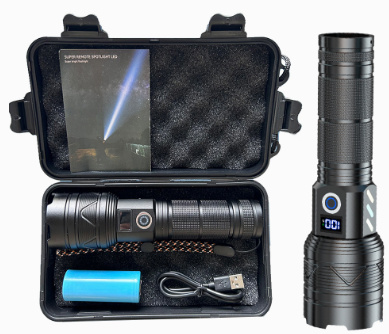
Choosing the right headlamps for your retail inventory plays a critical role in meeting customer expectations. Customers rely on headlamps for various tasks, from outdoor adventures to professional applications. A well-curated selection helps you identify the right headlamp use for different needs, ensuring satisfaction and repeat business. Headlamps offer a clear advantage over flashlights by providing hands-free convenience. When you know how to choose the right headlamps for your retail inventory effectively, you can boost sales and build trust. This headlamp buying guide will help you select the right headlamp while conducting the right headlamp research to align with customer demands.
Key Takeaways
Learn what customers need for activities like hiking or camping.
Pick headlamps with good brightness, long battery, and strength.
Offer headlamps at low and high prices for all budgets.
Help customers by giving clear details about each headlamp.
Show trusted brands and models to guide customer choices.
Identifying Customer Needs
Understanding your customers' needs is essential when selecting headlamps for your retail inventory. Different use cases require specific features, and tailoring your selection to these needs ensures customer satisfaction.
Outdoor Activities
Hiking and Backpacking
Hikers and backpackers often prioritize lightweight headlamps with long battery life to reduce fatigue during extended trips. Adjustable brightness settings allow users to adapt to varying light conditions, such as navigating trails at night or setting up camp. Weather resistance is another critical feature, as outdoor enthusiasts frequently encounter unpredictable conditions. A headlamp with an IP68 rating, for example, can withstand rain and dust, making it a reliable choice for rugged environments.
Key features for hiking and backpacking include:
Brightness and beam distance for clear visibility.
Lightweight design for comfort during long treks.
Durable construction to handle rough terrain.
Long battery life for extended use.
Camping and Nighttime Adventures
Campers need headlamps that provide hands-free lighting for tasks like cooking, reading, or setting up tents in the dark. Models with red light modes are particularly useful, as they preserve night vision and minimize disturbance to others. Durability and waterproofing are also essential, ensuring the headlamp performs well in outdoor conditions.
For camping, consider headlamps with:
Adjustable brightness levels.
Red light mode for nighttime use.
Comfortable straps for extended wear.
Weatherproofing for reliable performance.
Emergency and Home Use
Power Outages
In an emergency situation like a power outage, a headlamp offers hands-free lighting, allowing you to perform tasks efficiently. Long battery life and the use of common AAA batteries ensure the headlamp is ready when needed. Portability is also crucial, as it allows you to store the headlamp in easily accessible locations.
Car Emergency Kits
Headlamps are invaluable for car emergency kits. They provide focused light for tasks like changing a tire or inspecting the engine in the dark. Hands-free functionality ensures you can work safely and efficiently. Look for models with safety features and flame-free operation to enhance reliability.
Professional and Industrial Applications
Construction and Maintenance
Professionals in construction and maintenance require headlamps with high durability and strong light output. A higher lumen count ensures sufficient brightness for dark environments, while adjustable straps provide comfort during long shifts. Safety ratings and impact resistance are also vital for demanding work conditions.
Medical and First Responder Use
Medical professionals and first responders rely on headlamps for precision and reliability. Brightness and beam focus are critical for tasks requiring attention to detail. Lightweight designs and comfortable straps reduce strain during extended use. Additionally, headlamps with rechargeable batteries are ideal for frequent use in high-pressure situations.
Key Features to Consider When Choosing Headlamps
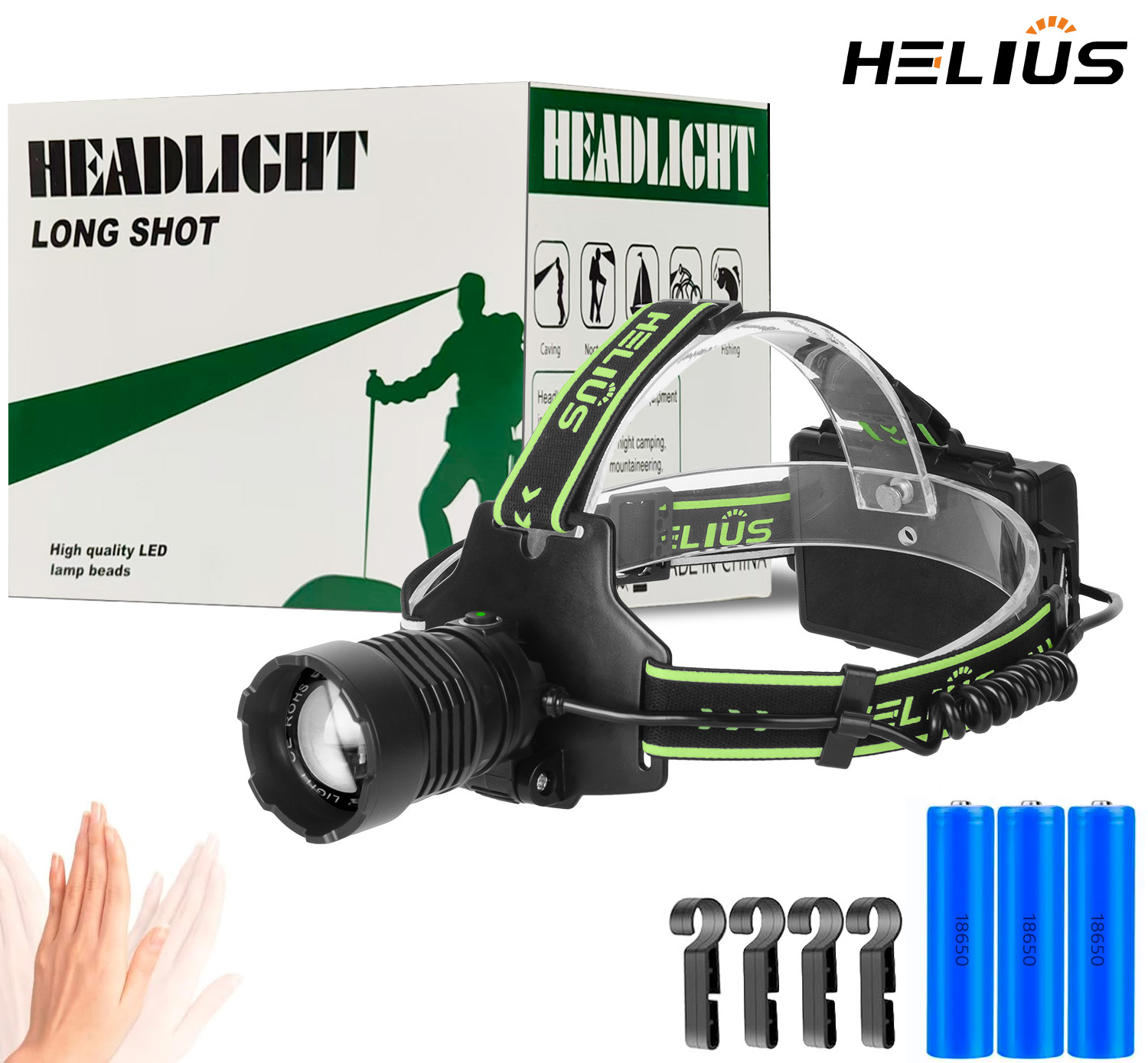
When selecting headlamps for your inventory, understanding their key features ensures you meet customer expectations. Each feature impacts usability, durability, and overall satisfaction.
Brightness and Beam Type
Lumens and Light Output
The brightness of a headlamp is measured in lumens. Higher lumens mean brighter light, but the right level depends on the activity. For example, a headlamp with 100-200 lumens works well for indoor use or close-range tasks. Outdoor enthusiasts may prefer models with 300 lumens or more for better visibility. Multiple brightness settings allow users to optimize battery life while adapting to different conditions.
Flood vs. Spot Beams
The headlamp beam type determines how light is distributed. Flood beams provide wide coverage, making them ideal for close-range tasks like reading or cooking. Spot beams focus light on a specific area, offering long-range visibility for activities like hiking or hunting. Some headlamps combine both beam types, giving users flexibility for various scenarios.
Tip: A headlamp with adjustable beam settings can cater to multiple use cases, enhancing its versatility.
Battery Type and Efficiency
Rechargeable vs. Disposable Batteries
Rechargeable batteries offer long-term savings and reduce waste. They can last hundreds of cycles, making them a sustainable choice. However, they rely on electricity for charging, which may not be available during emergencies. Disposable batteries, on the other hand, are widely available and have a long shelf life, making them ideal for disaster preparedness.
Battery Life and Run Time
Battery life is crucial for uninterrupted lighting. A headlamp with a longer run time ensures reliability during extended use. Models with energy-efficient designs or low-power modes can maximize battery performance, reducing the need for frequent replacements.
Durability and Weather Resistance
Impact Resistance
Durability is essential for headlamps used in rugged environments. Look for models with impact resistance to withstand drops and rough handling. This feature is especially important for construction workers or outdoor adventurers.
Waterproofing and Weatherproofing
Weather resistance ensures a headlamp performs well in rain, snow, or dusty conditions. A headlamp with an IPX4 rating can handle light splashes, while an IPX7 rating offers protection against immersion in water.
Note: Weatherproof headlamps are a must-have for outdoor activities and emergency kits.
By focusing on these features, you can stock headlamps that cater to diverse customer needs, ensuring satisfaction and repeat business.
Weight and Comfort
Lightweight Designs
A headlamp's weight plays a significant role in its usability. You should prioritize lightweight models, especially for customers who plan to wear them for extended periods. A lighter headlamp reduces strain on the neck and forehead, making it more comfortable for activities like hiking, running, or working long shifts. Many modern designs use durable yet lightweight materials such as aluminum or high-grade plastic. These materials ensure the headlamp remains sturdy without adding unnecessary bulk.
For outdoor enthusiasts, a lightweight headlamp can make a noticeable difference during long treks. It allows users to focus on their tasks without feeling weighed down. Professionals, such as construction workers or medical personnel, also benefit from lighter designs, as they often need to wear headlamps for hours at a time.
Adjustable Straps for Stability
Comfort doesn’t stop at weight. Adjustable straps are equally important for ensuring a secure fit. A well-designed strap keeps the headlamp stable, even during vigorous activities like running or climbing. Look for models with elastic or padded straps, as these provide both flexibility and comfort.
You should also consider headlamps with multiple adjustment points. These allow users to customize the fit to their head size, ensuring the headlamp stays in place without causing discomfort. Straps with sweat-wicking materials are an added bonus, especially for customers using headlamps in hot or humid conditions.
Additional Features
Red Light Mode
Red light mode is a valuable feature for many users. It preserves night vision, making it ideal for stargazing, camping, or nighttime photography. Unlike white light, red light is less likely to disturb others, which is helpful in group settings. You should stock headlamps with this feature to cater to outdoor enthusiasts and emergency preparedness customers.
Hands-Free Operation with Motion Sensors
Motion sensors take hands-free functionality to the next level. This feature allows users to turn the headlamp on or off with a simple wave of the hand. It’s especially useful for professionals who need to keep their hands free while working or for campers cooking in the dark. Motion sensors also add convenience for customers wearing gloves or handling messy tasks.
By offering headlamps with these additional features, you can meet the needs of a wide range of customers, from outdoor adventurers to industrial workers.
How to Match Headlamp Features to Use Cases
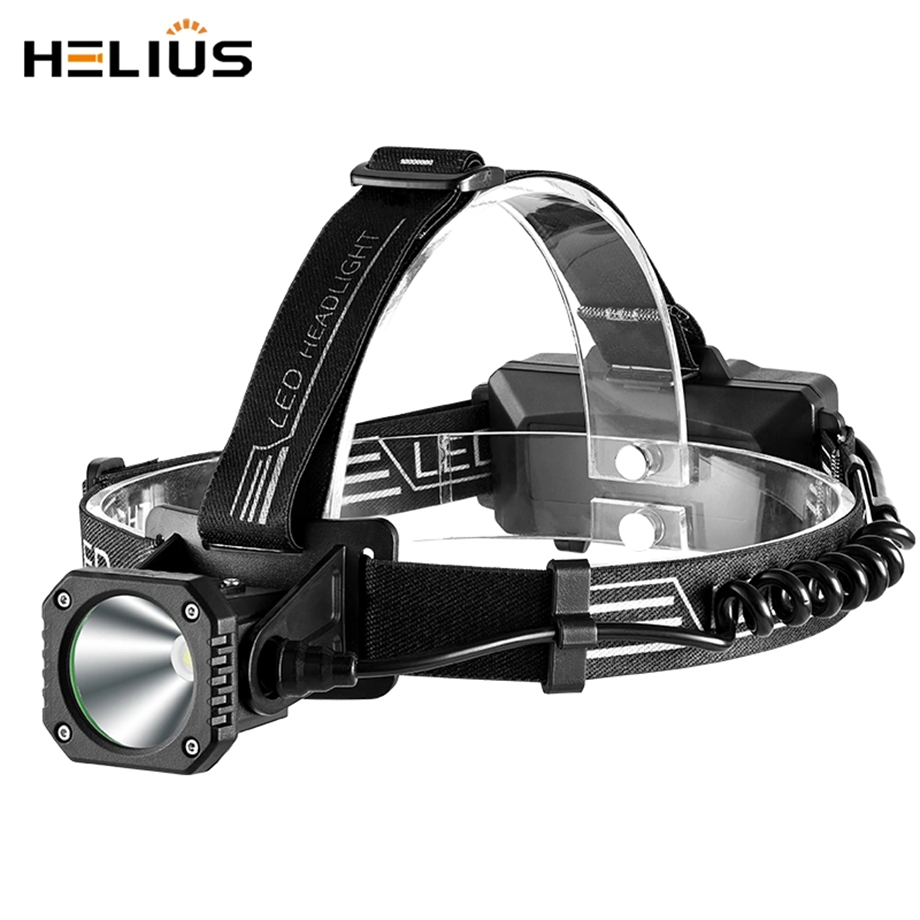
Outdoor Enthusiasts
Lightweight and Long Battery Life
Outdoor enthusiasts often prioritize headlamps that balance weight and battery performance. A lightweight headlamp reduces strain during long hikes or climbs, allowing you to focus on the adventure. Models with long battery life ensure reliable lighting throughout extended trips. For example, a headlamp offering 300+ lumens provides bright, long-distance illumination, ideal for navigating trails or spotting wildlife. Adjustable brightness settings also help conserve battery power when full brightness isn’t necessary.
Water-Resistant and Durable Designs
Durability is essential for outdoor activities. You need a headlamp that withstands rough handling and unpredictable weather. Look for water-resistant models with an IPX8 rating, which ensures protection against complete water immersion. Durable materials, such as high-grade plastic or aluminum, enhance the headlamp’s longevity. Additional features like SOS mode or red light mode can improve usability, making the headlamp versatile for various outdoor scenarios.
Emergency Preparedness
Easy-to-Use Models with Long Battery Life
In emergencies, simplicity matters. Headlamps with straightforward controls allow you to operate them quickly under stress. Long battery life ensures the headlamp remains functional during extended power outages or rescue situations. Models compatible with both rechargeable and disposable batteries offer flexibility, especially when recharging isn’t an option.
Tip: Compact headlamps with hands-free lighting are perfect for emergency kits. They let you perform tasks like repairing equipment or signaling for help without holding a flashlight.
Brightness Levels for Indoor and Outdoor Use
Emergency scenarios often require versatile lighting. A headlamp with multiple brightness levels adapts to both indoor and outdoor tasks. For instance, dim settings work well for reading maps, while higher lumens provide visibility in dark outdoor environments. Waterproofing ensures the headlamp functions in wet conditions, adding reliability during storms or floods.
Professional and Industrial Work
High Durability and Impact Resistance
Professionals need headlamps built for tough environments. Models with impact resistance protect against drops, while rubber straps ensure a secure fit on helmets or hard hats. Adjustable beam settings, such as spot and flood modes, enhance functionality for tasks requiring precision or wide-area lighting.
Feature | Description |
|---|---|
Rubber Strap | Designed for use on hard hats or helmets, ensuring secure fit. |
Multiple Brightness Levels | Offers flexibility for different tasks, enhancing functionality. |
Spot and Flood Lighting Modes | Spot lighting is ideal for distance, while flood lighting is necessary for close-up work. |
Rechargeable Batteries for Frequent Use
Rechargeable headlamps save money and reduce waste, making them ideal for frequent use. Lithium-ion batteries perform well in extreme temperatures, ensuring consistent lighting in harsh conditions. Long battery life minimizes interruptions, while lightweight designs improve comfort during extended shifts.
Note: Rechargeable headlamps with adjustable straps and durable construction are perfect for professionals working in confined spaces or low-light areas.
Evaluating Cost and Value in Headlamp Selection
Balancing Quality and Affordability
Material Quality and Longevity
When evaluating headlamps for your inventory, focus on material quality. High-grade materials like aluminum or reinforced plastic ensure durability. These materials protect the headlamp from wear and tear, making it suitable for rugged use. Customers value products that last, especially for outdoor or professional applications. A durable headlamp reduces the need for frequent replacements, offering better long-term value.
You should also consider the build quality. Models with impact resistance or weatherproofing often provide better longevity. These features make the headlamp reliable in challenging conditions, such as heavy rain or construction sites. By stocking headlamps with robust materials, you can meet the expectations of customers seeking reliable lighting solutions.
Cost-Effective Options for Different Budgets
Not all customers have the same budget. Offering a range of headlamps ensures you cater to both cost-conscious buyers and those seeking premium features. Entry-level models with basic lighting and battery options work well for occasional users. On the other hand, high-end headlamps with advanced features like motion sensors or rechargeable batteries appeal to frequent users.
You can also highlight mid-range options that balance affordability and performance. These models often include essential features like adjustable brightness and weather resistance. By providing cost-effective choices, you can attract a wider customer base while maintaining quality standards.
Rechargeable vs. Disposable Batteries
Long-Term Savings with Rechargeable Models
Rechargeable headlamps offer significant cost savings over time. While their initial price is higher, they eliminate the need for constant battery replacements. Charging a rechargeable headlamp costs less than $1 annually. In contrast, frequent users of disposable batteries may spend over $100 each year. This makes rechargeable models ideal for customers who use headlamps regularly, such as outdoor enthusiasts or professionals.
Rechargeable batteries also reduce waste, making them an eco-friendly choice. Many customers appreciate sustainable options, especially when they align with long-term savings. Stocking rechargeable headlamps can position your inventory as both economical and environmentally conscious.
Convenience of Disposable Batteries for Occasional Use
Disposable batteries remain a practical choice for occasional users. These headlamps are often more affordable upfront and require no charging. Customers preparing for emergencies, such as power outages, may prefer disposable battery models due to their long shelf life.
For added convenience, choose headlamps compatible with common battery types like AAA. This ensures customers can easily find replacements when needed. By offering both rechargeable and disposable options, you can address the diverse needs of your customers.
Tip: Clearly label headlamps with their battery type to help customers make informed decisions.
Recommendations for Retailers on How to Choose the Right Headlamps
Stocking a Variety of Headlamp Types
Options for Different Use Cases and Budgets
To meet diverse customer needs, you should stock headlamps that cater to various use cases and budgets. Outdoor enthusiasts often look for lightweight and water-resistant models with long battery life. Emergency preparedness customers prefer easy-to-use headlamps with reliable brightness and extended run times. Professionals prioritize durable designs with impact resistance and rechargeable batteries for frequent use.
Offering a range of price points ensures you attract both budget-conscious buyers and those seeking premium features. Entry-level models with basic lighting modes work well for occasional users. Mid-range options balance affordability and performance, while high-end headlamps with advanced features like motion sensors or USB charging appeal to frequent users.
Tip: Highlight key features like battery life, durability, and lighting modes to help customers choose the right headlamp for their needs.
Popular Brands and Models to Consider
Stocking popular brands builds trust with your customers. Here are some top-rated headlamps to consider:
Brand & Model | Price | Lumens | Battery Life | Weight | IP Rating |
|---|---|---|---|---|---|
Black Diamond Spot 400 R | - | - | - | 2.75 oz | IP68 |
Coast WPH30R | $70 | 1,000 | 23 hrs. on flood low; 5 hrs. on spot | 2.6 oz | IP68 |
Black Diamond Distance LT 1100 | $120 | 1,100 | 120 hrs. on low, 4.25 hrs. on high | 3.8 oz | IP67 |
Ledlenser MH11 | $160 | 1,000 | 100 hrs. | 6.3 oz | IP54 |
Black Diamond Storm 500-R | $75 | 500 | 350 hrs. | 3.5 oz | IP67 |
These models offer a mix of durability, brightness, and battery performance, making them suitable for various customer segments.
Educating Customers
Providing Clear Product Descriptions
Clear product descriptions help customers make informed decisions. Include details like lumens, battery type, run time, and IP rating. Highlight unique features such as red light mode or motion sensors. For example, describe how a headlamp with an IP68 rating can withstand heavy rain, making it ideal for outdoor use.
Use bullet points to organize information for easy readability. For instance:
Brightness: 300 lumens with adjustable settings.
Battery: Rechargeable lithium-ion with USB charging.
Durability: Impact-resistant and waterproof (IP67).
Note: Accurate and detailed descriptions reduce confusion and improve customer satisfaction.
Offering Guidance on How to Choose Headlamps
Educating customers on selecting the right headlamp builds trust and enhances their shopping experience. Create guides or signage that explain key features like beam type, battery options, and comfort. For example, you can recommend flood beams for close-range tasks and spot beams for long-distance visibility.
Tailor your advice to different customer segments. Hikers may need lightweight, water-resistant headlamps, while professionals might prioritize impact resistance and rechargeable batteries. By understanding their needs, you can provide personalized recommendations.
Tip: Train your staff to answer common questions about headlamps, ensuring they can guide customers effectively.
Choosing the right headlamp for your retail inventory starts with understanding your customers' needs. Each use case demands specific features, from brightness to durability. By evaluating these key aspects, you can stock products that align with customer expectations. Offering a diverse inventory ensures you meet the needs of outdoor enthusiasts, emergency planners, and professionals alike. Prioritizing quality and versatility helps you build trust and drive repeat business. A well-curated selection of headlamps positions your store as a reliable source for dependable lighting solutions.
FAQ
What is the ideal brightness for a headlamp?
The ideal brightness depends on the activity. For indoor use or reading, 100-200 lumens work well. Outdoor activities like hiking require 300+ lumens for better visibility. Professionals may need even higher brightness for demanding tasks.
Tip: Choose a headlamp with adjustable brightness for versatility.
How do I know if a headlamp is waterproof?
Check the IP rating. An IPX4 rating protects against splashes, while IPX7 or IPX8 ensures immersion resistance. This rating is usually listed in the product description.
Note: Waterproof headlamps are essential for outdoor and emergency use.
Are rechargeable headlamps better than disposable ones?
Rechargeable headlamps save money over time and reduce waste. They suit frequent users. Disposable battery models are better for occasional use or emergencies due to their long shelf life.
Tip: Stock both types to meet diverse customer needs.
What features should I prioritize for professional use?
Durability, impact resistance, and high brightness are key. Rechargeable batteries and adjustable straps improve usability during long shifts. Look for models with spot and flood beam options for flexibility.
How can I help customers choose the right headlamp?
Provide clear product descriptions with details like lumens, battery type, and IP rating. Offer guidance based on their needs, such as outdoor activities or professional work. Train staff to answer common questions.
Tip: Use signage or guides to explain key features.
See Also
Essential Advice for Selecting Ideal Headlamps for Wholesale
Guidelines for Finding the Best LED Headlamp Suppliers
Five Key Considerations for Selecting Flashlights and Headlamps