How Chinese Manufacturers Achieve Competitive Pricing Without Compromising Quality


Chinese manufacturers dominate global manufacturing, contributing 31% of the total output in 2022. Their success stems from cost efficiency, robust logistics, and the ability to scale production rapidly. Businesses benefit from their vast capabilities across industries and strategic investments in infrastructure. Whether sourcing electronics or Flashlight Wholesale, you gain access to quality products at competitive prices.
Key Takeaways
Chinese factories make lots of products to save money. Making more lets them get cheaper deals on materials.
Good supplier relationships mean lower costs and better products. Trust and talking openly help these partnerships work well.
Using new machines and trained workers improves speed and quality. Robots and learning programs keep prices low and products good.
Cost-Reduction Strategies by Chinese Manufacturers
Economies of Scale in Production
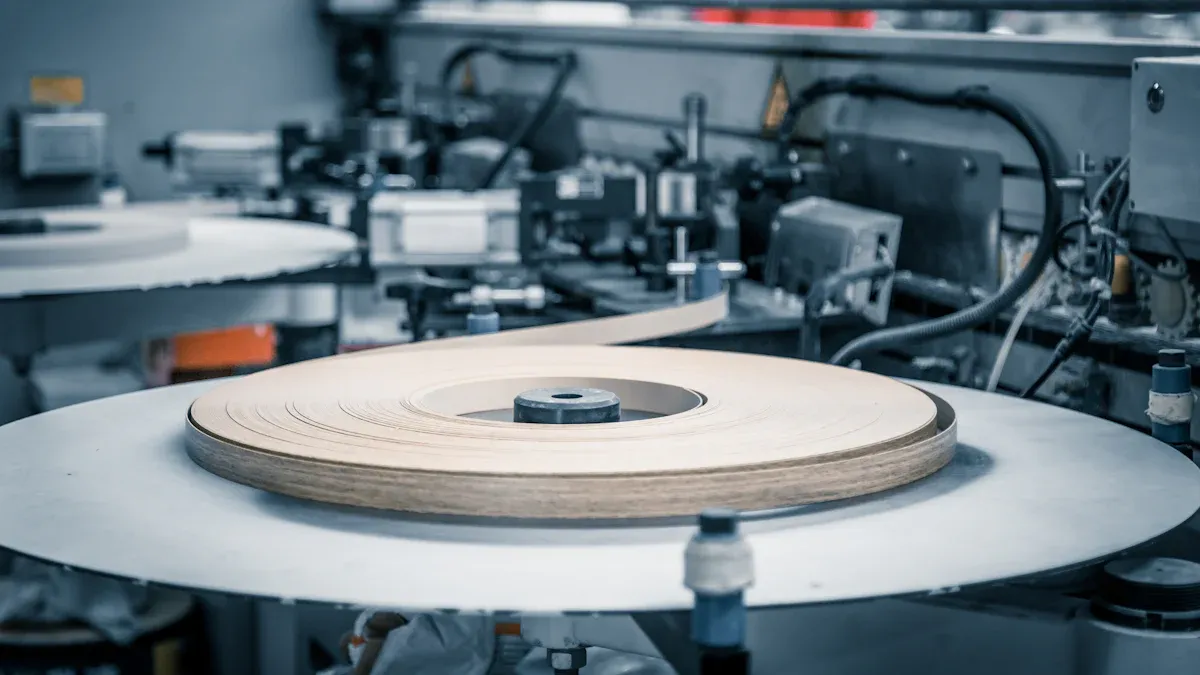
Chinese manufacturers leverage economies of scale to achieve an effective pricing strategy. By producing goods in massive quantities, they reduce the cost per unit significantly. The large domestic market in China supports high production volumes, enabling manufacturers to negotiate lower prices for raw materials through bulk purchasing. This approach not only minimizes production costs but also enhances efficiency by streamlining processes.
China's industrial scale allows for low-cost production of goods.
Mass manufacturing is central to achieving economies of scale.
Bulk purchasing reduces raw material costs, lowering overall production expenses.
Additionally, integrated industrial zones in China concentrate various production stages in one location. This setup reduces transportation and logistical expenses, further contributing to competitive pricing. For businesses sourcing a product manufactured in China, these cost-saving measures translate into greater value.
Efficient Supply Chain Management
An efficient supply chain is a cornerstone of the Chinese market. Chinese suppliers maintain a high degree of coordination among distributors, producers, and suppliers, minimizing delays and ensuring smooth operations. Investments in transportation infrastructure, such as major ports in Shanghai and Shenzhen, facilitate just-in-time production techniques. These geographic advantages shorten shipping distances and improve reaction times, making the supply chain highly responsive.
Building trust-based relationships with Chinese suppliers can lead to better negotiation terms and enhanced product quality. Strong partnerships ensure preferential treatment during periods of high demand, giving you a competitive edge in the market.
Chinese manufacturers also adopt advanced technologies like data analytics and IoT to enhance supply chain visibility. These tools optimize decision-making, reduce shipping expenses, and improve overall cost efficiency.
Technological Advancements in Manufacturing
China's focus on technological innovation has revolutionized its manufacturing sector. Substantial investments in research and development have led to the widespread adoption of automation and robotics. These advancements enhance productivity, lower labor costs, and improve manufacturing accuracy. For instance, robotics in sectors like electronics and automotive has significantly reduced the cost of goods sold (COGS).
The integration of technologies such as artificial intelligence, data analytics, and the Internet of Things supports smart manufacturing practices. Known as Industry 4.0, these practices improve efficiency and product quality. Automation also enables Chinese manufacturers to maintain competitive pricing while meeting global standards. By embracing these innovations, the Chinese market continues to dominate the competitive landscape.
Quality Assurance Practices in Chinese Manufacturing

Rigorous Quality Control Systems
Chinese manufacturers implement rigorous quality control measures to ensure consistent product quality. These measures include factory audits, in-process inspections, and final product evaluations. A comprehensive quality control plan outlines product standards and specifications, ensuring every stage of production meets the required benchmarks.
Testing and inspecting products during manufacturing helps identify issues early.
Final inspections verify that products comply with quality standards.
Dedicated quality control personnel conduct regular assessments to maintain consistency.
By addressing potential defects at multiple stages, manufacturers in China minimize risks and deliver reliable products. Structured procedures, such as pre-production and post-production inspections, further enhance quality assurance. These practices build trust with buyers and reinforce the price quality perception of Chinese goods.
Certifications and Compliance Standards
Certifications play a vital role in demonstrating a manufacturer's commitment to quality and compliance. Many Chinese manufacturers hold internationally recognized certifications, such as:
ISO 9001 for quality management systems.
CE Marking for compliance with EU safety standards.
RoHS Compliance to restrict hazardous substances.
WRAP and BSCI for ethical and social compliance.
These certifications validate the quality control measures in place and ensure adherence to global standards. For importers, working with certified manufacturers reduces risks and guarantees that products meet regulatory requirements. This focus on compliance strengthens China's reputation as a reliable manufacturing hub.
Supplier Vetting and Auditing Processes
Supplier vetting and auditing are critical steps in maintaining high-quality standards. Factory audits assess a supplier's capabilities, including infrastructure, production processes, and quality control systems. These audits provide valuable insights into whether a supplier can meet your quality expectations.
Step | Description |
|---|---|
General Information | Verify factory ownership, location, and certifications. |
Infrastructure and Equipment | Inspect facilities and machinery for proper maintenance. |
Production Process Control | Evaluate efficiency and compliance with quality standards. |
Inspection and Testing | Review quality control methods and inspection procedures. |
Developing a comprehensive quality control plan after selecting a supplier ensures consistent product quality. This plan includes in-process inspections, final evaluations, and feedback systems for continuous improvement. By conducting thorough audits, you can build trust with suppliers and ensure they adhere to your quality requirements.
Balancing Prices and Quality in Manufacturing
Strategic Material Sourcing
Strategic material sourcing plays a pivotal role in maintaining an effective pricing strategy while ensuring quality. Chinese suppliers excel in building strong relationships with their raw material providers. These partnerships often lead to better pricing and priority during negotiations. Regular communication and factory visits further strengthen these ties, which is a cornerstone of business culture in China. By negotiating terms that protect against price fluctuations, manufacturers stabilize costs and maintain consistent pricing for buyers.
Additionally, many Chinese suppliers establish validity periods for quoted prices. This approach safeguards against sudden increases, ensuring predictable costs for businesses sourcing a product manufactured in China. The Chinese market also benefits from currency dynamics. A weaker Renminbi enhances competitiveness, allowing suppliers to offer lower prices to buyers. These strategies collectively enable manufacturers to balance cost and quality effectively.
Investment in Skilled Labor and Training
Chinese manufacturers understand the importance of skilled labor in delivering value to their clients. They invest heavily in worker training programs to enhance technical expertise and quality control measures. This focus on skill development fosters a culture of quality, ensuring that employees adhere to high standards throughout the production process.
Training programs often emphasize the integration of advanced technologies like automation and smart manufacturing tools. By equipping workers with these skills, manufacturers improve efficiency and reduce errors. This investment not only enhances product quality but also supports competitive pricing by minimizing waste and optimizing production workflows.
Continuous Improvement and Innovation
Continuous improvement and innovation are central to the success of the Chinese market. Manufacturers embed quality into every stage of production, reducing waste and maintaining high standards. Smart technology investments, such as automation and IoT, further enhance efficiency and product quality. These advancements allow manufacturers to remain competitive in a rapidly evolving landscape.
Strategic supplier partnerships also play a key role in fostering innovation. Transparent relationships with suppliers ensure alignment on quality standards and shared goals. By prioritizing innovation and collaboration, Chinese suppliers maintain their position in the competitive landscape while delivering exceptional value to their clients.
Practical Tips for Importers Working with Chinese Manufacturers
Conduct Thorough Supplier Research
Before sourcing from China, conducting detailed research on potential suppliers is essential. Start by verifying the supplier's credentials, including certifications, production capacity, and past client reviews. Platforms like Alibaba and Global Sources can help you identify reliable Chinese suppliers. However, avoid relying solely on online profiles. Factory visits or third-party audits provide deeper insights into their operations and quality control processes.
Building relationships with suppliers is equally important. Strong connections foster trust with suppliers, ensuring they prioritize your needs. During your research, focus on suppliers with a proven track record of delivering value for money. This approach helps you navigate the competitive landscape and select a partner who aligns with your business goals.
Request Product Samples and Prototypes
Requesting product samples is a critical step in evaluating the quality of a product manufactured in China. Samples allow you to assess material quality, craftsmanship, and the supplier's ability to meet your specifications. Use the table below to guide your sampling process:
Factor | Description |
|---|---|
Quality Assurance | Evaluate product quality through samples rather than relying solely on images and descriptions. |
Assessing Supplier Capability | Measure if the supplier can meet your specifications and standards through sample evaluation. |
Test Market Viability | Gather customer feedback on samples to assess demand before larger investments. |
Product Customization | Communicate specific design needs to ensure the final product aligns with your vision. |
Clear Communication | Provide precise product specifications to ensure the supplier delivers the desired samples. |
Collaborative Development | Maintain communication with suppliers during the sampling process for feedback and adjustments. |
Prototypes also play a vital role in ensuring quality. They help you compare different manufacturers, prioritize quality over prices, and confirm that the final product meets your expectations. This step reduces risks and ensures you receive value for money.
Establish Clear Communication and Expectations
Effective communication is the foundation of a successful partnership with Chinese suppliers. Use simple and concise language, especially if English is not the supplier's first language. Visual aids like pictures and measurements can clarify your requirements. Follow up with phone calls or use platforms like WeChat to maintain consistent communication. Reducing the number of intermediaries also minimizes the chances of miscommunication.
Setting clear expectations further strengthens collaboration. Provide detailed specifications for your products, including dimensions, materials, and quality standards. This ensures both parties share a mutual understanding of what constitutes a high-quality product. Encourage feedback from your supplier to address potential concerns early. By fostering open dialogue and building relationships, you create a partnership that delivers consistent value.
Chinese manufacturers excel at offering competitive pricing without sacrificing quality. Their effective pricing strategy stems from leveraging economies of scale, efficient supply chains, and technological advancements. By sourcing from the Chinese market, you gain access to affordable prices and a wide supplier base. However, success requires due diligence, strong partnerships, and clear communication with Chinese suppliers.
Building trust through negotiation and cultural understanding is essential. Face-to-face interactions and a commitment to quality assurance foster long-term collaboration. Strategic alliances, rather than transactional relationships, help you navigate competition and unlock the full potential of sourcing from China.
FAQ
How can you verify the reliability of a Chinese manufacturer?
You can verify reliability by conducting factory audits, checking certifications, and reviewing client testimonials. Platforms like Alibaba and third-party inspection services also provide valuable insights.
What are the most common certifications Chinese manufacturers hold?
Chinese manufacturers often hold certifications like ISO 9001, CE Marking, and RoHS Compliance. These validate their adherence to international quality and safety standards.
Tip: Always request proof of certifications and confirm their validity with the issuing authority.
How do you ensure product quality when sourcing from China?
Request product samples, conduct in-process inspections, and establish clear quality expectations. Regular communication with suppliers ensures alignment on standards and specifications.
See Also
Comprehensive Overview of Flashlight Production in China
Exploring Quality Criteria for Chinese LED Flashlight Suppliers
Boosting Revenue Through Effective Outdoor Gear Wholesale Tactics
Effective Negotiation Techniques for Working with Wholesale Vendors
Expert Tips for Negotiating Home Flashlight Wholesale Pricing