How to Ensure Your Bulk Flashlight Purchases Are Safety-Compliant

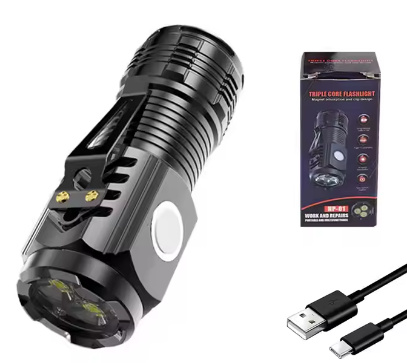
Ensuring worker safety starts with purchasing compliant products. When considering how to ensure your bulk flashlight purchases are safety-compliant, remember that safety compliance is not optional. It protects your business from legal challenges, such as fines or product recalls. Non-compliant flashlights often fail due to poor-quality materials, leading to overheating or electrical shocks. These failures can harm users and damage your reputation. Customers rely on flashlights for emergencies, and faulty products can betray their trust. Compliance guarantees reliability, legal adherence, and long-term savings. It also ensures your workers stay safe, and your business avoids unnecessary risks.
Key Takeaways
Following safety rules is important when buying many flashlights. It keeps your business safe from legal trouble and protects users.
Learn about key safety labels like CE, RoHS, ANSI/NEMA FL1, and UL. These labels show that flashlights are safe and work well.
Always check if the safety labels are real. Ask for proof and confirm with the official groups to avoid unsafe products.
Pick suppliers wisely. Look into their reviews, ask for samples, and make sure they offer good help after you buy.
Spend money on good quality instead of cheap options. Unsafe flashlights can cause danger and cost you more later, so choose ones that last.
Understanding Flashlight Regulations and Safety Standards

When purchasing bulk flashlights, understanding flashlight regulations and safety standards is essential. These regulations ensure that the products you buy meet safety, performance, and environmental requirements. Below, we break down the key certifications, industry-specific regulations, and regional compliance requirements to help you make informed decisions.
Key Certifications for Bulk Flashlights
CE and RoHS Standards
Two critical certifications for flashlights in the European market are CE and RoHS. CE certification ensures compliance with EU regulations, confirming that the product meets safety and performance standards. RoHS certification, on the other hand, restricts hazardous substances in electronic products. This protects both users and the environment.
Certification | Purpose | Compliance Requirements |
|---|---|---|
CE | Indicates compliance with EU regulations for market access | Essential for LED light manufacturers and importers to ensure safety and performance standards |
RoHS | Restricts hazardous substances in electronic products | Ensures compliance with maximum concentration values for restricted substances to protect health and environment |
ANSI/NEMA FL1 and IEC 60529
In the U.S., ANSI/NEMA FL1 standards provide guidelines for testing flashlight performance, including light output and runtime. These standards ensure reliability and help you compare products effectively. IEC 60529 focuses on protection against dust and water, which is crucial for durability. Together, these certifications prevent overheating and electrical shocks, ensuring your flashlights meet consumer expectations.
ANSI/NEMA FL1 defines and tests flashlight performance, focusing on brightness and runtime.
IEC 60529 classifies protection levels against dust and water, enhancing durability.
Industry-Specific Flashlight Regulations
Intrinsically Safe Flashlights for Hazardous Environments
In hazardous environments, intrinsically safe flashlights are mandatory. These flashlights operate at low voltage and current to prevent sparking or overheating. They also regulate surface temperature to avoid igniting flammable materials. Health and safety regulations, such as OSHA standards, require these flashlights in specific industries to reduce risks.
Low Voltage and Current: Prevents sparking or heating.
Temperature Regulation: Limits surface temperature to prevent ignition.
Consumer vs. Industrial Flashlight Standards
Consumer flashlights prioritize convenience and affordability, while industrial flashlights must meet stricter regulatory requirements. Industrial models often include features like explosion-proof designs and enhanced durability to comply with safety standards. Understanding these differences helps you choose the right product for your needs.
Regional and International Compliance
U.S. vs. EU Flashlight Regulations
Flashlight regulations vary between regions. In the U.S., ANSI/NEMA FL1 and UL standards dominate, focusing on performance and safety. In the EU, CE and RoHS certifications are essential for market access. Knowing these differences ensures your bulk flashlights meet local regulatory requirements.
Importance of UL and ISO Standards
UL standards ensure flashlights meet strict safety and performance criteria through rigorous testing. ISO standards, on the other hand, provide a global benchmark for quality and reliability. Adhering to these standards builds trust and enhances your brand reputation, leading to increased customer loyalty.
UL standards focus on durability and reliability.
ISO standards ensure global quality compliance.
By understanding these flashlight regulations and safety standards, you can confidently choose products that meet compliance requirements and protect your business from legal challenges.
Features of Safety-Compliant Bulk Flashlights
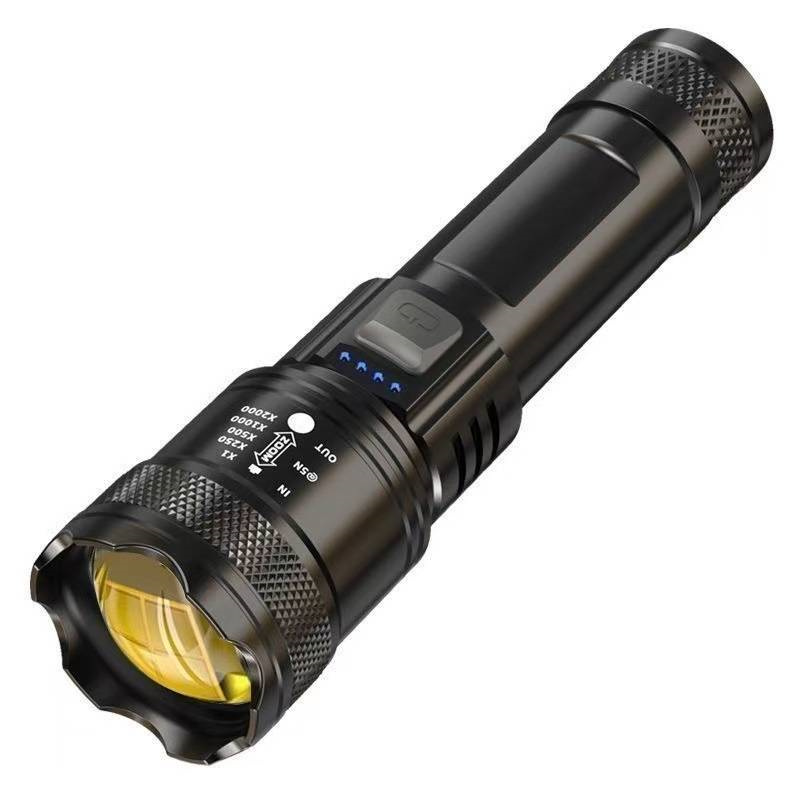
Durability and Safety Features
Water and Impact Resistance
When choosing bulk flashlights, prioritize models with water and impact resistance. These features ensure the flashlights perform reliably in harsh conditions. Impact-resistant designs minimize damage risks, reducing the need for frequent replacements. Water-resistant flashlights maintain functionality even in wet environments, making them ideal for outdoor or industrial use.
Feature | Description |
|---|---|
Impact-resistant designs | Minimize damage risks, reducing the need for frequent replacements and ensuring consistent lighting. |
Rugged construction | Protects against dust and moisture, maintaining functionality in harsh environments. |
Extreme temperature operation | Operate efficiently in temperatures ranging from -20°C to +40°C, ensuring reliability in harsh conditions. |
Explosion-Proof Design
Explosion-proof flashlights are essential for hazardous environments. These models prevent ignition in areas with explosive gases, ensuring worker safety. They undergo rigorous testing to meet international safety standards, providing peace of mind and compliance with safety regulations.
Energy Efficiency and Battery Safety
Rechargeable vs. Disposable Options
Rechargeable flashlights offer consistent brightness for extended periods, ensuring uninterrupted illumination during emergencies. They are built with durable materials, often water-resistant or waterproof, making them suitable for demanding conditions. Rechargeable batteries also reduce waste by eliminating constant replacements, promoting eco-friendly practices.
Rechargeable flashlights provide consistent brightness for extended periods.
They reduce waste and minimize environmental contamination.
Many models feature impact-resistant casings, enhancing reliability.
Overheating and Short-Circuit Protection
Flashlights with overheating and short-circuit protection enhance safety and extend battery life. Protection circuits regulate charging and discharging, preventing overheating. Overcharge protection disconnects the battery from the power source once fully charged, avoiding damage. Short-circuit protection halts electricity flow if internal components contact each other, reducing risks.
Protection circuits regulate charging and discharging, preventing overheating.
Overcharge protection extends battery life by avoiding damage.
Short-circuit protection reduces risks by halting electricity flow during faults.
Certification and Documentation
Verifying Certification Authenticity
Always verify the authenticity of certifications when purchasing bulk flashlights. Look for official documentation and cross-check certification numbers with issuing authorities. This step ensures the flashlights meet safety and compliance standards, protecting your business from legal risks.
Importance of User Manuals and Safety Labels
User manuals and safety labels provide critical information about flashlight operation and maintenance. Manuals guide users on proper handling, while safety labels highlight potential hazards. These resources ensure safe usage and help maintain compliance with safety regulations.
How to Evaluate Suppliers for Bulk Flashlights
Choosing the right supplier for bulk flashlights is critical to ensuring safety and quality assurance. A reliable supplier not only provides compliant products but also supports your business with dependable service. Here’s how you can evaluate suppliers effectively.
Researching Supplier Reputation
Checking Reviews and References
Start by examining the supplier’s reputation. Reviews and references offer valuable insights into their reliability and performance.
Method | Description |
|---|---|
Supplier Background Check | Conduct a thorough background check on potential suppliers. Review their history, reputation in the industry, and any available customer feedback to ensure they have a solid track record. |
Supplier References | Reach out to their current and previous clients for references. Hearing about others' experiences can provide a real-world perspective on the supplier's reliability and performance. |
Additionally, you can:
Ask for testimonials, case studies, or referrals from their previous or current clients.
Conduct online research to find reviews, ratings, or feedback on their products or services.
Verifying Business Credentials
Always verify the supplier’s credentials. Check their business licenses, certifications, and compliance with industry standards. This step ensures you’re working with a legitimate and trustworthy partner.
Ensuring Product Testing and Quality Assurance
Requesting Samples for Testing
Requesting product samples is a smart way to assess safety and quality assurance. Samples allow you to inspect and test the flashlights before committing to a bulk order. This ensures the products meet your standards for durability, performance, and compliance. Investing in samples is cost-effective compared to the risks of purchasing defective products.
Third-Party Inspection and Certification
Third-party inspections provide an unbiased evaluation of product quality and compliance. These inspections occur at various stages, such as pre-production, during production, and pre-shipment. They help identify defects early, ensuring only high-quality flashlights reach your customers. Independent inspectors also verify adherence to safety and quality assurance standards, protecting your brand’s reputation.
Assessing After-Sales Support
Warranty Terms and Conditions
A supplier’s warranty terms reflect their confidence in their products. Look for clear and comprehensive warranties that cover defects and performance issues. This ensures you can address any problems without additional costs.
Reliable Customer Service
Effective after-sales support is essential. Suppliers should offer clear communication to keep you informed about issue resolutions. They should also allocate skilled technicians to handle complex problems, ensuring quick and efficient service. Establishing a feedback loop with the supplier helps improve support strategies and ensures long-term satisfaction.
By thoroughly evaluating suppliers, you can secure a reliable partner who prioritizes safety and quality assurance. This approach minimizes risks and ensures your bulk flashlight purchases meet compliance standards.
Cost Management Strategies for Bulk Flashlight Purchases
Balancing Quality and Affordability
Avoiding Non-Compliant, Low-Cost Products
Low-cost flashlights may seem appealing, but they often come with hidden risks. Non-compliant products can overheat, causing burns or even fires. In hazardous environments, the danger escalates, increasing the risk of explosions. These flashlights may also lead to electrical shocks, putting users at serious risk. Beyond safety concerns, non-compliance can result in fines, liability lawsuits, or costly product recalls. Always prioritize compliance and safety over short-term savings to protect your business and reputation.
Investing in Long-Term Value
Focusing on long-term value ensures your bulk flashlight purchases deliver consistent performance. Request samples before placing large orders to verify quality. Conduct random inspections of shipments to maintain standards. Partnering with reliable suppliers helps you avoid defective products and ensures durability. While the upfront cost may be higher, investing in quality reduces replacement rates and enhances customer satisfaction.
Negotiating Bulk Discounts and Payment Terms
Securing Volume-Based Discounts
Bulk orders offer significant cost-saving opportunities. Purchasing in large quantities reduces per-unit prices and lowers shipping costs. Suppliers often provide better terms for consistent, high-volume orders. Aligning your orders with factory schedules can also lead to additional discounts. These strategies maximize affordability without compromising quality.
Flexible Payment Options
Negotiating flexible payment terms can improve cash flow management. Many suppliers offer installment plans or extended payment deadlines for bulk orders. These options allow you to allocate resources effectively while maintaining a steady supply of flashlights. Clear communication with suppliers ensures mutually beneficial agreements.
Building Relationships with Trusted Suppliers
Benefits of Long-Term Partnerships
Establishing long-term partnerships with trusted suppliers offers multiple advantages. Reliable suppliers help you avoid hidden costs associated with unreliable vendors. They streamline inventory management through just-in-time delivery, reducing excess stock. Dependable suppliers also address issues quickly, ensuring smooth operations. Consistent quality and timely deliveries enhance your reputation, fostering customer trust.
Exclusive Contracts for Bulk Orders
Exclusive contracts strengthen supplier reliability by aligning their priorities with your needs. These agreements outline quality standards, delivery timelines, and penalties for non-compliance. Such contracts encourage transparency and accountability, ensuring your bulk orders meet expectations. A committed supplier partnership reduces risks and builds a foundation for long-term success.
Common Pitfalls in Bulk Flashlight Purchases and How to Avoid Them
Ignoring Flashlight Regulations and Certifications
Risks of Non-Compliant Products
Non-compliant flashlights pose significant risks to users and businesses. These products can overheat, causing burns or even fires. In hazardous environments, the dangers increase, with risks of electrical shocks and explosions. Ignoring regulations like OSHA or IECEx standards compromises user safety and exposes your business to legal penalties.
Failing to meet compliance requirements can also lead to financial losses. Businesses may face fines, liability lawsuits, or costly product recalls. Non-compliance damages your reputation, leading to a decline in consumer trust and sales. Poor-quality flashlights frustrate customers with unreliable switches or short battery life, resulting in negative reviews and reduced brand loyalty.
Identifying Fake Certifications
Fake certifications can mislead buyers into purchasing unsafe products. To avoid this, verify the supplier’s certifications by requesting copies and cross-checking them with the issuing authorities. Inspect product samples to ensure they meet industry standards. For added assurance, hire a third-party inspection agency to validate compliance. These steps protect your business from fraudulent claims and unsafe products.
Poor Supplier Vetting Processes
Consequences of Unreliable Suppliers
Choosing unreliable suppliers can disrupt your operations. They may deliver defective or non-compliant flashlights, leading to safety hazards and customer dissatisfaction. Delayed shipments or inconsistent quality can harm your reputation and increase costs. Without proper vetting, you risk partnering with suppliers who fail to meet your expectations.
Steps for Thorough Vetting
Thorough vetting ensures you work with dependable suppliers. Start by reviewing their business credentials and certifications. Request references from previous clients to assess their reliability. Test product samples to confirm quality and compliance. Consider third-party inspections to identify potential issues early. These steps help you avoid unreliable suppliers and ensure consistent quality in your bulk flashlight purchases.
Overlooking After-Sales Support
Challenges with Returns and Repairs
Ignoring after-sales support can create challenges when dealing with defective products. Without clear warranty terms, you may face additional costs for returns or repairs. Poor customer service delays issue resolution, disrupting your operations and frustrating customers.
Importance of Clear Communication
Effective communication with suppliers ensures smooth after-sales support. Discuss warranty terms and repair policies before finalizing orders. Establish a feedback loop to address issues promptly. Reliable after-sales support enhances customer satisfaction and strengthens your supplier relationship.
Ensuring safety compliance in bulk flashlight purchases involves several critical steps. You need to understand regulations, verify certifications, and evaluate suppliers thoroughly. Prioritizing safety, quality, and reliability protects your business and builds trust with your customers.
Tip: Create a compliance checklist to streamline your purchasing process. Include key certifications, supplier vetting criteria, and product testing requirements.
Start by researching reputable suppliers and requesting product samples. Verify certifications with issuing authorities to avoid non-compliant products. These actions ensure your purchases meet safety standards and deliver long-term value.
FAQ
1. Why is safety compliance important for bulk flashlight purchases?
Safety compliance ensures the flashlights meet legal and performance standards. It protects users from hazards like overheating or electrical shocks. Compliant products also reduce the risk of fines, recalls, and damage to your reputation.
2. How can I verify a flashlight’s certifications?
Request official documentation from the supplier. Cross-check certification numbers with issuing authorities. You can also inspect product samples or hire third-party inspectors to confirm compliance.
Tip: Always double-check certifications to avoid counterfeit claims.
3. What features should I prioritize in safety-compliant flashlights?
Focus on water and impact resistance, explosion-proof designs, and overheating protection. These features ensure durability and safety in various environments. Rechargeable options with short-circuit protection also enhance reliability.
4. How do I choose a reliable supplier for bulk flashlights?
Research the supplier’s reputation by checking reviews and references. Verify their credentials and request product samples. Third-party inspections can also help confirm quality and compliance.
5. What are the risks of buying non-compliant flashlights?
Non-compliant flashlights can overheat, cause electrical shocks, or fail in emergencies. They may also lead to legal penalties, product recalls, and financial losses. Always prioritize compliance to protect your business and users.
Note: Non-compliance can harm your brand’s reputation and customer trust.
See Also
Selecting Ideal LED Flashlights for Large-Scale Orders
Comprehensive Tips for Purchasing Wholesale Flashlights Effectively
Guidelines for Finding Dependable Wholesale Flashlight Suppliers
Identifying Top Flashlights for Bulk Buying Options
Strategies for Selecting Premium Flashlights for Wholesale Orders