Why Durability and Certification (CE, RoHS, FCC) Matter for Branded Flashlights

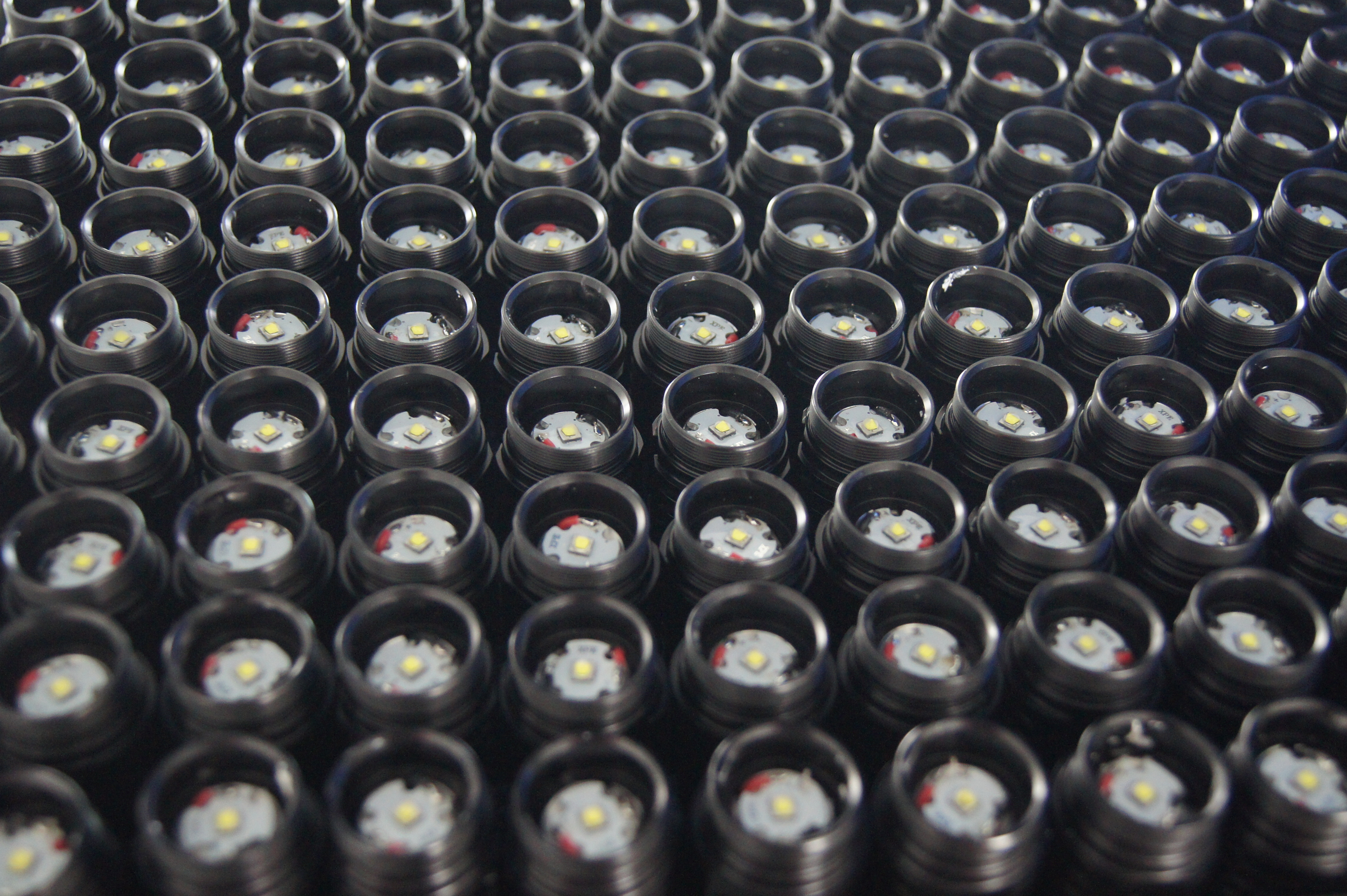
Imagine you grab your Branded Flashlights during an emergency, but it does not work because it is not safe. If it does not have certification, you might face unsafe lighting parts and electrical dangers. You need lights you can trust to keep you safe every time. Certified flashlights protect you, your family, and your workplace. You feel calm knowing your lights are tested, dependable, and really safe.
Key Takeaways
Pick flashlights with certifications for safety. Check for CE, RoHS, and FCC marks. These marks show the flashlight follows safety rules.
Strong flashlights last longer. Choose ones made from tough materials. They should not break if dropped or get wet. They should work in hot or cold places.
Buy from trusted brands. Brands like Pelican and Maglite are safe. They work well even in hard situations.
Do not buy flashlights without certifications. These can be dangerous. Batteries might leak or catch fire. This is worse in risky places.
Look for warranties. Certified flashlights often have warranties. This gives you more value and helps you feel safe.
Branded Flashlights Durability
Performance and Longevity
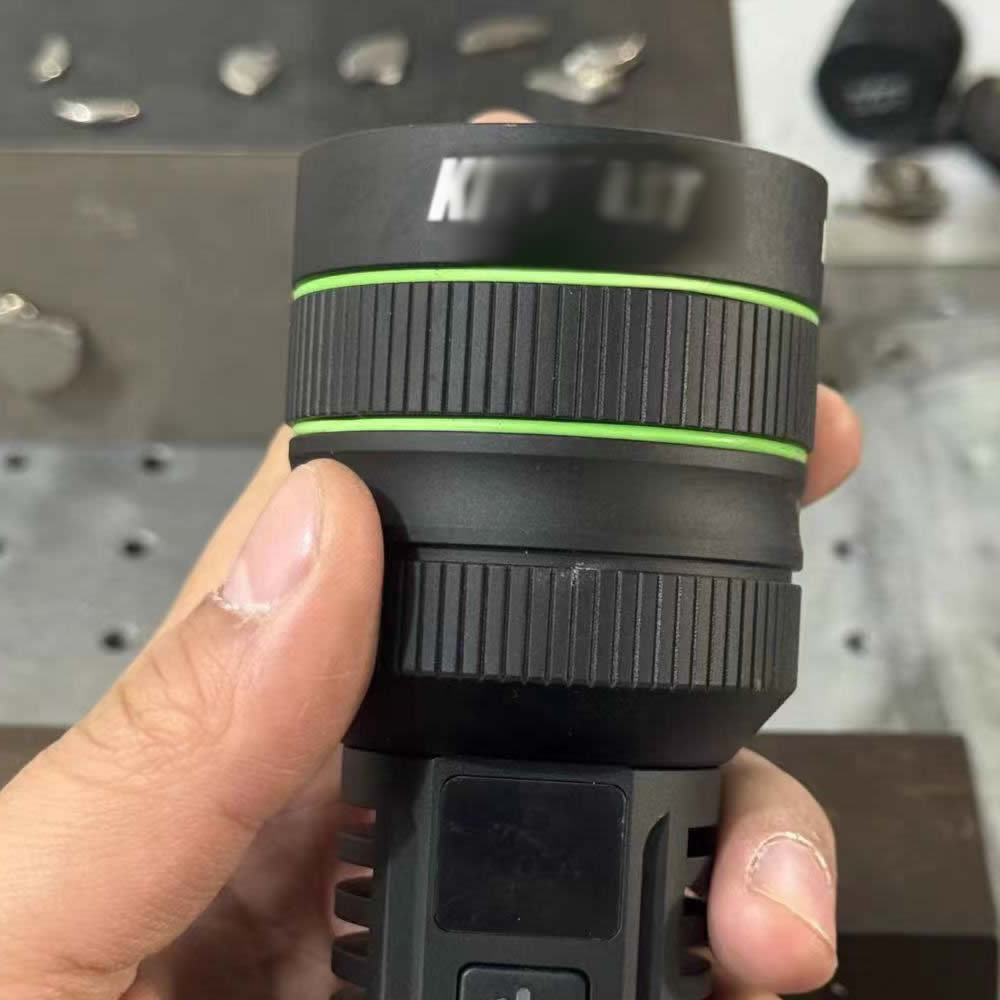
Branded flashlights should work well in hard situations. You want a flashlight that stays bright and works every day. It should also work in emergencies. Makers build these flashlights to last a long time. They use strong materials and smart ways to put them together. This keeps you safe and makes sure your light does not stop working.
Tip: Check how tough a flashlight is before you buy it. This helps you stay safe and ready for anything.
Here is a table that lists the top things that make branded flashlights durable:
Durability Factor | Description |
|---|---|
Impact Resistance | Tough materials and smart design help stop damage from drops. |
Ingress Protection (IP) | High IP ratings keep your light working in water or dust. |
Corrosion Resistance | Good aluminum, stainless steel, or strong plastic stop rust and harm. |
Temperature Extremes | Special batteries and parts keep your flashlight safe in heat or cold. |
Ease of Maintenance | Simple designs let you change batteries or bulbs fast. |
Meeting strict rules, like Class 2 Division 1, keeps your flashlight safe in risky places. |
Good branded flashlights pass tests for brightness, battery life, and strength. Makers drop them to see if they still work. You get a flashlight that lasts long, shines bright, and can handle rough use. This means you can trust your light to keep you safe when camping, working, or in an emergency.
Real-World Use Cases
You see how strong branded flashlights help in real life. These flashlights stop accidents and keep people safe in dangerous places. Here are some examples:
In 2010, a coal mine in West Virginia had a big explosion because of unsafe gear, like flashlights. After they used safer lights, there were no more fires from equipment.
A gold mine in South Africa started using safe flashlights in 2005. Since then, there have been no fires from equipment.
In 2001, a silo explosion killed two firefighters. A non-safe flashlight may have started the fire. This shows why safe lights are needed in emergencies.
You count on branded flashlights with the right certification to keep you safe. These flashlights protect you from electric dangers and help you stay out of trouble. When you use safe lighting, you feel calm and sure about your gear.
Lighting Certifications Overview
Product Certifications Explained
It is important to know what makes a flashlight safe. Certifications like CE, RoHS, and FCC show that a flashlight follows safety rules. These certifications help you trust your flashlight. You know it will not put you in danger.
CE certification is needed for LED lights in Europe. If you see the CE mark, the flashlight meets safety and health standards. It also follows rules for protecting the environment. RoHS certification checks that the flashlight does not have harmful substances. This keeps you and the environment safe from bad chemicals.
FCC certification matters in the United States. FCC rules make sure electronics do not mess up other devices. Here is a table with the main rules for CE and RoHS:
Certification | Requirements |
|---|---|
CE | Follows EU rules for safety, health, and the environment. |
RoHS | Limits dangerous substances in electrical equipment. |
To get these certifications, makers must do a few things:
Check if the product follows the rules.
Test the product and look for risks.
Make papers that prove the product is safe.
RoHS stops makers from using things like lead, mercury, and cadmium. It also blocks hexavalent chromium, polybrominated biphenyls, and polybrominated diphenyl ethers. You can feel safe because your flashlight does not have these bad materials.
Lighting certifications are different in each region. The EU uses the ATEX rule and needs the CE mark. The US uses UL certification and the Class/Division system. These rules can make it hard for companies to sell flashlights everywhere.
Safety and Compliance
Lighting certifications do more than help you pick a good flashlight. They keep you safe when you use your light. If a flashlight has CE, RoHS, and FCC, it passed safety tests.
Without certification, you face real dangers. Flashlights can explode if batteries leak gas. Using the wrong batteries or mixing types makes this worse. Some flashlights have been recalled because they can catch fire or burn people. Reports show flashlights have exploded and hurt firefighters.
You want to stay away from these risks. Certifications lower the chance of electrical problems and bad chemicals. If you pick a flashlight with CE, RoHS, and FCC, you protect yourself and others. You also help the environment by choosing safe products.
Note: Always look for lighting certifications before you buy. This helps keep you safe and makes sure your flashlight is high quality.
Certified Flashlights Benefits
User Safety
You need lights that keep you safe everywhere. Certified flashlights follow strict safety rules. These flashlights work well in tough places. They do not spark or get too hot. You can use them where there are flammable gases or dust. Many people say certified flashlights give:
Strength for rough places
Safety to stop fires from starting
Following safety rules for peace of mind
Steady light, even in risky spots
Choosing a certified flashlight lowers your chance of accidents. These things help you stay safe at work, outside, or in emergencies.
Reliability and Value
Certified flashlights go through hard tests before you buy them. For example, the 20W HID AEX20-EP Explosion Proof Light meets tough standards for dangerous places. This means your light works when you need it most. Certified flashlights do not make sparks. They do not build up dangerous energy. They keep their surface cool. You can trust them to work safely every time.
Certification Body | Standard | Description |
|---|---|---|
FM Approvals | FM3610 | Safety for hazardous environments |
ANSI | ANSI/ISA 60079-1 | Performance in explosive atmospheres |
UL | UL 1203 | Explosion-proof lighting for hazardous atmospheres |
Many makers give limited lifetime warranties for certified flashlights. A good warranty makes the flashlight worth more. It shows the brand stands behind its product. You get more value and feel calm with certified lights.
Brand Trust
You want to trust the brand that makes your light. Brands like Pelican, Maglite, and Streamlight earn trust by passing strict safety tests. Safety experts suggest these brands for their strong performance in tough places. When you see a certification mark, you know the brand cares about safety and rules. This trust helps you pick the right flashlight and feel sure about your gear.
Risks of Ignoring Certifications
Hazards and Failures
If you pick a flashlight without certification, you could get hurt. Non-certified lights might stop working when you need them most. Batteries can leak, get too hot, or even explode. These problems happen more in dangerous places. One spark can start a fire. Many brands get recalled because they skip safety rules. If your branded flashlight does not follow strict rules, you could get injured or lose things. Unsafe lights can also make you look bad at work.
Note: Always make sure your flashlight meets safety rules before using it in dangerous places.
Legal and Warranty Issues
Skipping certifications can get you in trouble with the law. If your flashlight causes an accident, you might get sued or fined. Many companies will not fix or replace products that do not meet standards. You lose protection as a buyer if you buy non-certified lights. Brands that skip certification get recalled more and lose trust. You keep yourself and your money safe by picking intrinsically safe products that follow all safety rules.
Issue | Impact on You |
|---|---|
No Certification | No warranty, no legal protection |
Product Recalls | Loss of money, possible injury |
Legal Violations | Fines, lawsuits, business shutdowns |
Intrinsically Safe Flashlights
Intrinsically safe flashlights help you feel safe in dangerous places. These lights are made to work safely where there are flammable gases, vapors, or dust. They control energy so they do not make sparks or get too hot. You can use intrinsically safe flashlights in oil and gas, chemical, or medicine jobs. These flashlights follow strict safety rules and pass hard tests. When you pick intrinsically safe lights, you lower the chance of fires and explosions. You keep yourself and your team safe every time you use your light.
Feature | Description |
|---|---|
Certification | Class 2 Division 1, safe for hazardous environments |
Design | Limits energy, prevents sparks and heat |
Application | Used in oil & gas, chemical, and pharmaceutical industries |
Tip: Pick intrinsically safe flashlights for any job in dangerous places. This easy step keeps your lights safe and working well.
When you pick branded flashlights, you get safe lights. You stay safe by choosing strong materials and trusted certification. Experts say to look for waterproof ratings and safe standards. People who buy flashlights like long battery life and comfort. Always check for certifications like CE, RoHS, and ISO before buying. Use this table to help you choose safe lights every time:
Certification | Description |
|---|---|
ISO | Quality management for safe products |
CE | European safety and environmental standards |
RoHS | Restricts hazardous substances for safe lighting |
FAQ
What does CE certification mean for my flashlight?
CE certification means your flashlight is safe to use. It follows European safety and environmental rules. The product passed hard tests. You can trust it at home, work, or outside.
Why should I care about RoHS compliance?
RoHS compliance means your flashlight does not have bad chemicals. It does not have lead or mercury. You help your health and the planet by picking RoHS-certified products.
How do certifications affect flashlight performance?
Certifications make makers test flashlights for safety and strength. You get a flashlight that works well in tough places. It lasts longer and stays reliable.
Can I use a non-certified flashlight at work?
Using a non-certified flashlight at work is risky. You could face safety or legal trouble. Many jobs need certified lights for rules and insurance.
How do I check if my flashlight is certified?
Look for marks like CE, RoHS, or FCC on the box or flashlight. You can also visit the maker’s website to see if it is certified.
See Also
Navigating Quality Criteria for LED Flashlights From Suppliers
Comprehensive Insights on Wholesale Flashlights: Features and Specs
Key Strategies for Finding Dependable Wholesale Flashlights
Selecting Top Quality Flashlights for Wholesale Buying
Mastering Quality Assurance in Flashlight Wholesale Transactions