Tips for Choosing the Best Batteries for Bulk Flashlight Orders

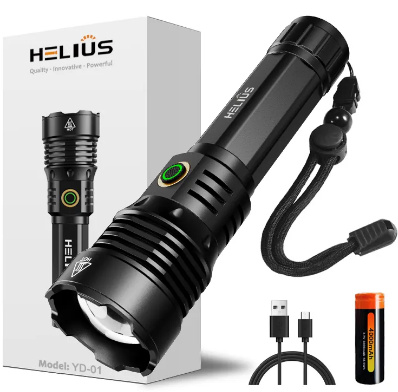
Batteries play a vital role in flashlight performance. Choosing the right battery type ensures reliability and reduces costs. Bulk flashlight purchases benefit from economies of scale, lowering per-unit costs. Long-lasting batteries minimize replacements, saving money over time. By selecting suitable options, you enhance efficiency and user satisfaction while meeting diverse operational needs.
Key Takeaways
Pick the right battery for your flashlight's needs. Alkaline batteries are cheap and good for light use. Lithium batteries work well in tough conditions.
Use rechargeable batteries if you use flashlights often. They save money and help the environment, great for daily users.
Check battery quality by choosing trusted brands. This keeps them safe and working well, avoiding leaks or problems.
Understanding Battery Types for Flashlights
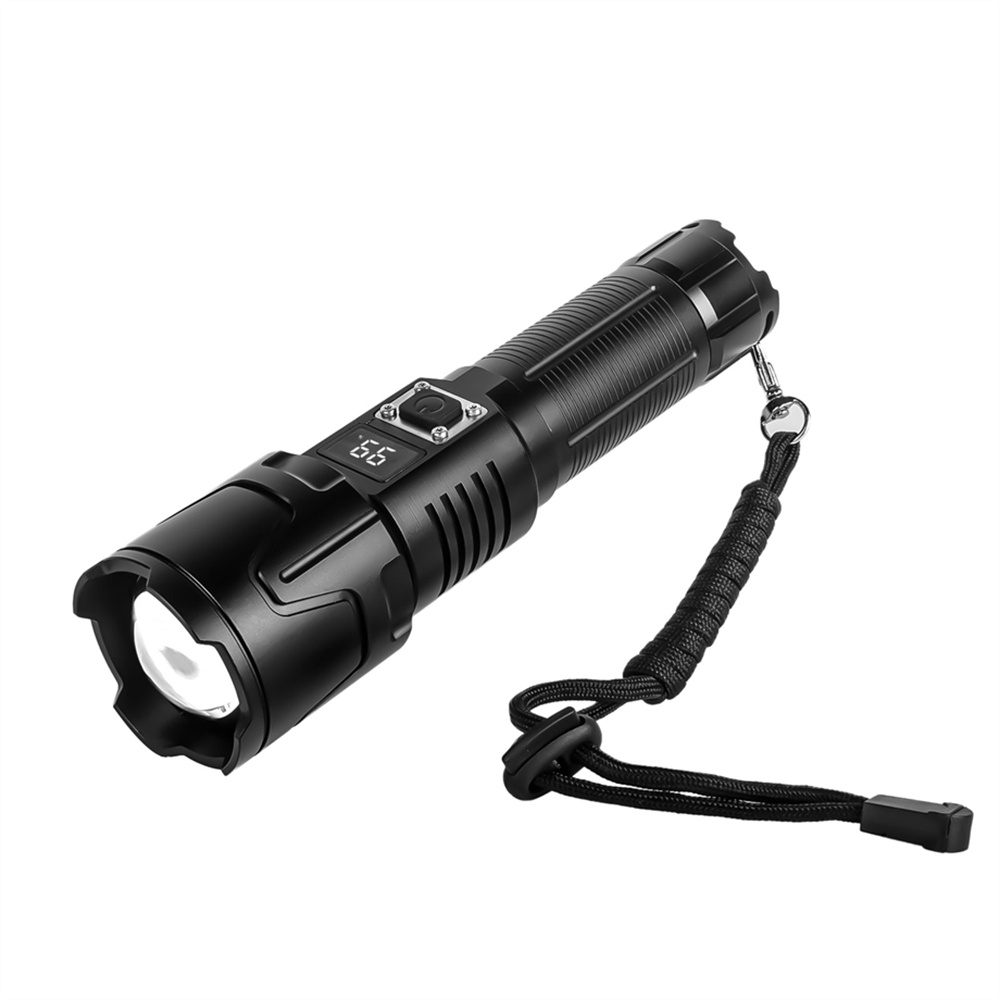
Alkaline Batteries: Affordable and Widely Available
Alkaline batteries are among the most common primary battery types used in flashlights. They are affordable and widely available, making them a practical choice for bulk orders. These batteries typically operate at 1.5V and offer a capacity ranging from 1500mAh to 3000mAh. Their low cost makes them ideal for low-drain flashlights or occasional use. However, they may not perform well under high-drain conditions, as their runtime and brightness can diminish quickly.
Tip: If you prioritize cost over performance, alkaline batteries are a reliable option for general-purpose flashlights.
Lithium Batteries: High Performance and Temperature Resilience
Lithium batteries excel in high-performance flashlights due to their extended runtime and ability to sustain brightness. They operate at higher voltages, often 3V or more, and maintain optimal performance in extreme temperatures. Unlike alkaline batteries, lithium options like LiFePO4 perform consistently in both freezing and hot environments, ensuring durability and reliability. While they cost more upfront, their longer lifespan and superior performance make them a cost-effective choice for demanding applications.
Note: Lithium batteries are ideal for outdoor or emergency flashlights where extreme conditions are common.
Rechargeable Batteries (NiMH and Lithium-Ion): Cost-Effective for Frequent Use
Rechargeable batteries, such as NiMH and lithium-ion, are excellent for frequent flashlight users. NiMH batteries are eco-friendly and offer good capacity, while lithium-ion batteries provide higher energy density and longer runtimes. Although they require specialized chargers, their reusability reduces long-term costs and environmental impact. For bulk orders, rechargeable batteries are a sustainable and economical choice, especially for industrial or professional use.
Specialty Batteries: CR123A, 18650, and 21700 for High-Performance Flashlights
Specialty batteries cater to high-performance flashlights with specific power needs. The CR123A battery, with a capacity of 700mAh to 1000mAh, is compact and ideal for tactical flashlights. The 18650 battery offers a higher capacity range of 2000mAh to 3400mAh, making it suitable for extended use. For even greater capacity, the 21700 battery provides up to 5000mAh, making it popular among advanced flashlight users. These batteries ensure consistent performance and are often used in professional or outdoor settings.
Pro Tip: Match specialty batteries to your flashlight’s requirements to maximize efficiency and performance.
Key Performance Factors to Consider in Bulk Battery Purchases
Battery Life and Discharge Rate: Balancing Capacity and Performance
When purchasing batteries in bulk, understanding battery life and discharge rate is essential. Battery capacity determines how long a flashlight operates before requiring a replacement or recharge. Discharge rate, on the other hand, affects how quickly stored energy is released. For example, rechargeable Ni-MH batteries offer consistent discharge rates, making them ideal for high-drain flashlights. Proper storage and usage practices also play a significant role in maintaining performance.
Tip: Store AA and AAA batteries in a cool, dry place to prevent capacity loss and extend their lifespan.
Extreme temperatures can impact battery life. High temperatures accelerate chemical reactions, leading to faster discharge rates. Low temperatures slow chemical processes, reducing power output. Selecting quality batteries with stable discharge rates ensures reliable performance in various conditions.
Temperature Tolerance: Choosing Batteries for Extreme Environments
Temperature extremes can significantly affect battery efficiency and safety. Lithium-ion batteries perform well in both hot and cold environments but may experience reduced lifespan if exposed to prolonged heat. Ni-MH batteries, while durable, may lose efficiency in freezing conditions.
High temperatures can cause thermal runaway, posing safety risks.
Low temperatures reduce chemical activity, lowering power output.
For outdoor or emergency flashlights, prioritize batteries designed for temperature resilience. Rechargeable Ni-MH batteries are a reliable choice for moderate climates, while lithium-ion options excel in extreme conditions.
Shelf Life and Storage: Ensuring Longevity for Bulk Orders
Longevity is critical when storing batteries in bulk. Alkaline batteries typically last 1–7 hours in use, while lithium-ion options like 18650 cells can last up to 650 hours. Proper storage practices maximize shelf life and prevent damage.
Battery Type | Average Lifespan (Hours) |
|---|---|
Alkaline | 1 – 7 |
Lithium-ion (18650) | Up to 650 |
Zinc Chloride | ~55 |
To ensure longevity:
Remove batteries from flashlights if unused for extended periods.
Store in a cool, dry place away from sunlight.
Avoid exposure to water or physical damage.
By selecting quality batteries and following these practices, you can maintain performance and reduce waste in bulk orders.
Matching Batteries to Flashlight Requirements
Usage Environment: Outdoor, Emergency, and Industrial Applications
The environment where you use flashlights plays a significant role in selecting the right batteries. Outdoor activities, such as camping or hiking, often require batteries that can withstand extreme temperatures. Lithium batteries perform exceptionally well in these conditions due to their resilience and long runtime. Emergency flashlights, on the other hand, benefit from rechargeable options like Ni-MH batteries, which ensure readiness for frequent use. For industrial applications, durability and capacity are critical. High-capacity batteries, such as 18650 lithium-ion cells, provide extended performance, making them ideal for demanding tasks.
Tip: Always check the flashlight’s user manual to identify the recommended battery type for your specific application.
Flashlight Power Needs: Compatibility with Battery Sizes and Types
Matching the flashlight’s power requirements with the correct battery size and type ensures optimal performance. Using the wrong size can lead to poor fit or reduced efficiency. For compact flashlights, AA batteries are a common choice due to their affordability and availability. However, larger flashlights often require 18650 batteries for higher brightness and longer runtime.
Battery Size | Runtime Impact | Brightness Impact |
|---|---|---|
18650 | Longer duration | Higher output |
AA/AAA | Shorter duration | Lower output |
Smaller batteries, such as AA or AAA, are lightweight and portable, making them suitable for everyday use. Larger batteries, while heavier, deliver more power and are better suited for high-performance flashlights.
Frequency of Use: Maintenance and Rechargeability Considerations
How often you use your flashlight determines whether disposable or rechargeable batteries are the better choice. For frequent use, rechargeable Ni-MH batteries offer a cost-effective and eco-friendly solution. These batteries can be recharged hundreds of times, reducing waste and long-term expenses. Disposable alkaline batteries, while convenient for occasional use, may not provide the same value for bulk purchases.
Proper maintenance also extends battery life. Store unused batteries in a cool, dry place and remove them from flashlights when not in use. This practice prevents leakage and ensures your batteries remain ready for use.
Note: Rechargeable batteries are ideal for flashlights used daily, while disposable options work well for infrequent or emergency use.
Ensuring Quality and Reliability in Bulk Battery Orders
Choosing Reputable Brands: Avoiding Counterfeit Products
When purchasing batteries for flashlights in bulk, choosing reputable brands ensures consistent quality and safety. Trusted brands like Duracell, Energizer, and Panasonic stand out for their advanced technology, rigorous quality control, and long-lasting performance. For example:
Brand | Key Features |
|---|---|
Duracell | Long-lasting power, exceptional performance, advanced technology for safety. |
Energizer | High energy output, longevity, rigorous quality control for safety. |
Panasonic | Highly efficient, durable, excellent value for money, dedication to safety. |
Counterfeit products often fail to meet safety standards, leading to poor performance or even safety hazards. To avoid these risks, always source batteries from authorized distributors or directly from manufacturers.
Tip: Verify the brand’s authenticity by checking for holograms or unique serial numbers on the packaging.
Verifying Quality Assurance Standards: Certifications and Testing
Quality assurance is critical when ordering batteries in bulk. Certifications and testing standards ensure that the batteries meet safety and performance benchmarks. The table below highlights key certifications to look for:
Certification/Standard | Description |
|---|---|
UL 1642 | Lithium Cell |
UL 2054 | Nickel Cell or Lithium/Nickel Packs |
UL 1989 | Standby Batteries |
UL 4200A | Products with Button or Coin Cell Batteries |
IEC 60086-1 | Non-rechargeable Performance |
IEC 61951-2 | Rechargeable Ni-Cd or Ni-MH Performance |
IATA/UN DOT/UN 38.3 | Transportation Testing Standards |
These certifications confirm that the batteries are safe for use and transportation. Always request documentation from suppliers to verify compliance with these standards.
Prioritizing Quality Over Cost: Long-Term Savings and Safety
While cost is a factor in bulk supply, prioritizing quality over cost delivers better long-term value. High-quality batteries reduce the risk of leakage, extend flashlight runtime, and enhance overall performance. This is especially important for maximizing flashlight performance in demanding environments.
To ensure quality, follow these strategies:
Choose suppliers with a proven track record and adherence to international safety standards.
Conduct factory visits to observe production processes and quality control measures.
Review customer feedback to identify patterns of reliability or failure.
Note: Investing in quality batteries minimizes replacements and maintenance, saving costs over time.
By focusing on quality considerations, you can optimize flashlight performance and ensure user satisfaction.
Selecting the right batteries for bulk flashlight orders requires careful consideration of battery types, performance factors, and compatibility. By understanding these elements, you can ensure reliable power delivery and long-term efficiency.
Evaluate flashlight specifications to match battery characteristics with operational demands.
Choose reputable brands and suppliers to guarantee consistent performance and safety.
Invest in batteries tested and certified for quality assurance.
These steps will help you make informed decisions, optimize flashlight performance, and enhance user satisfaction.
FAQ
What is the best battery type for flashlights used daily?
Rechargeable ni-mh batteries are ideal for daily use. They offer reusability, cost savings, and eco-friendliness, making them perfect for frequent flashlight users.
How do you store bulk flashlight batteries to ensure longevity?
Store batteries in a cool, dry place. Remove them from flashlights when not in use. This prevents leakage and extends the lifespan of aa and aaa batteries.
Are aaa batteries suitable for high-performance flashlights?
Aaa batteries work well for compact flashlights but may not provide sufficient power for high-performance models. Consider larger options like 18650 lithium-ion batteries for demanding applications.
See Also
Enhancing Efficiency: Selecting Premium Batteries for Bulk Flashlights
Selecting Ideal LED Flashlights for Wholesale Buying
Identifying Top Flashlights for Bulk Buying Options
Guidelines for Finding Trustworthy Wholesale Flashlight Suppliers
Strategies for Selecting Superior Flashlights for Bulk Orders