What Battery Types Should You Consider for Bulk Flashlight Orders?

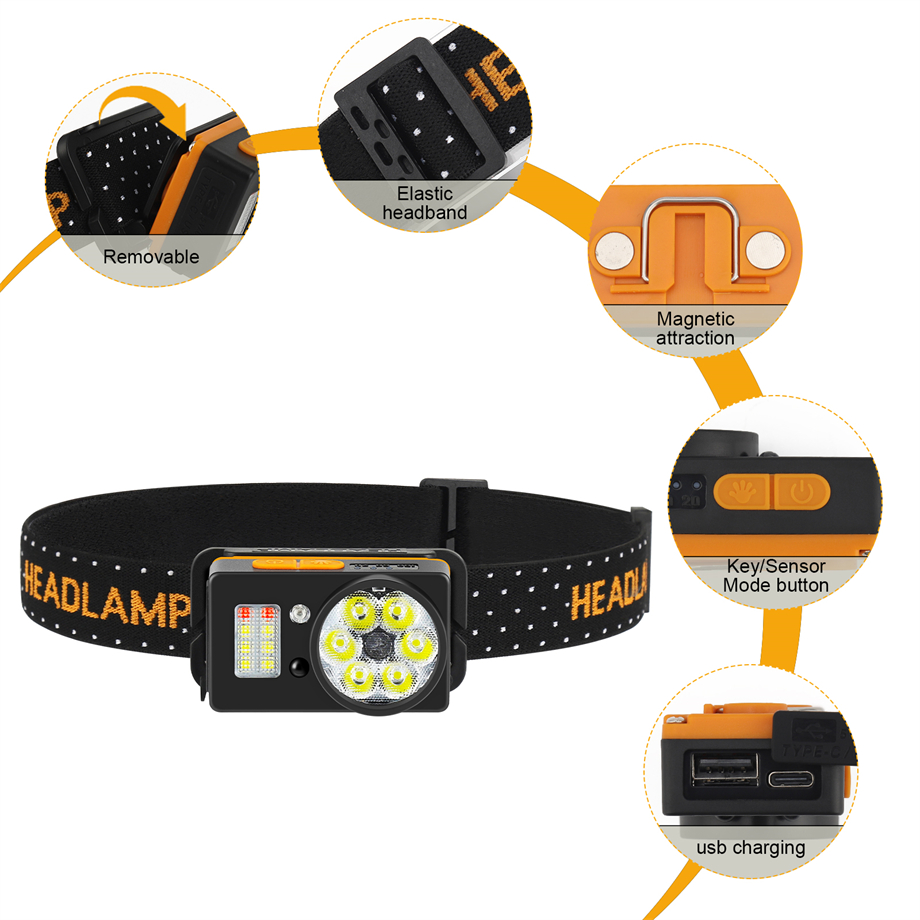
When you're ordering flashlights in bulk, one important question to ask is, "What Battery Types Should You Consider for Bulk Flashlight Orders?" Choosing the right batteries is crucial. AA batteries are the most common option, thanks to their affordability and wide availability. Rechargeable AA batteries, on the other hand, are gaining popularity because they save money over time and are better for the environment. Specialty batteries like CR123A and 18650 are perfect for high-performance flashlights, offering long life and reliability.
Lithium-ion batteries stand out for their high energy density and long lifespan, making them ideal for LED flashlights. Alkaline batteries remain a popular choice for non-rechargeable models. If you're looking for eco-friendly options, nickel-metal hydride (NiMH) batteries are worth considering. Factors like battery life, rechargeability, and performance in extreme conditions should guide your decision. Supplier reliability and safety standards also play a big role in ensuring you get the best value.
Key Takeaways
Pick alkaline batteries for daily use. They are cheap and easy to find, making them great for home flashlights.
Use rechargeable batteries like NiMH or lithium-ion to save money. You can use them many times, which cuts waste and costs.
Special batteries like CR123A and 18650 work best for strong flashlights. They give steady power and last long in emergencies or tactical uses.
Think about price, power, and fit when choosing batteries. Always check your flashlight's guide to pick the right one.
For tough weather, lithium batteries are the best. They work well in both freezing and hot weather, perfect for outdoor trips.
Overview of Common Battery Types
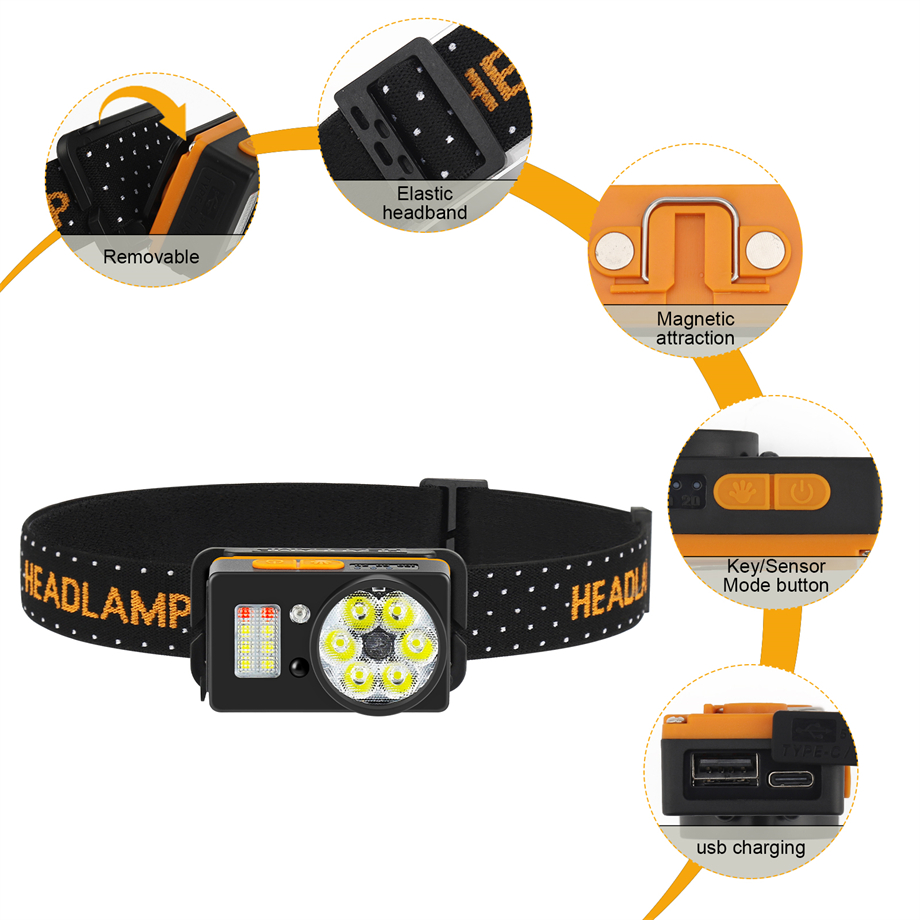
When choosing batteries for bulk flashlight orders, understanding the different types of batteries can help you make the best decision. Let’s break down the most common options.
Alkaline Batteries
Pros of Alkaline Batteries
Alkaline AA batteries are a popular choice for flashlights. They are affordable and widely available, making them convenient for bulk purchases. These batteries typically provide a stable voltage of 1.5V and have a capacity ranging from 1500mAh to 3000mAh. They perform well in standard flashlights and are easy to replace when needed.
Cons of Alkaline Batteries
While alkaline AA batteries are convenient, they are non-rechargeable. This means you’ll need to replace them frequently, which can add up over time. They also don’t perform as well in extreme temperatures, such as very cold weather, and may leak if left unused for long periods.
Best Use Cases for Alkaline Batteries
Alkaline AA batteries work best in consumer flashlights used for everyday tasks. They’re ideal for general household use, such as finding items in dark spaces or during short power outages. Their affordability makes them a great option for flashlights that don’t require high performance.
Rechargeable Batteries
Types of Rechargeable Batteries (NiMH, Lithium-ion)
Rechargeable batteries come in several types, including nickel-metal hydride (NiMH) and lithium-ion AA batteries. NiMH batteries are less toxic and have a higher capacity than older nickel-cadmium (NiCd) batteries. Lithium-ion AA batteries, on the other hand, offer high energy density and no memory issues, but they require a special charger.
Pros of Rechargeable Batteries
Rechargeable batteries save money in the long run. You can reuse them multiple times, reducing waste and environmental impact. Lithium-ion AA batteries, in particular, provide excellent performance and longevity, making them perfect for high-output flashlights.
Cons of Rechargeable Batteries
The upfront cost of rechargeable batteries and chargers can be high. For example, a set of eight rechargeable AA batteries might cost $24, with an additional $40 for a charger. Over time, these batteries degrade, so you’ll need to replace them eventually.
Best Use Cases for Rechargeable Batteries
Rechargeable batteries are ideal for flashlights used frequently, such as in professional or tactical settings. They’re also great for eco-conscious users who want to reduce waste.
Specialty Batteries
Examples of Specialty Batteries (CR123A, 18650, etc.)
Specialty batteries like CR123A and 18650 lithium-ion batteries are designed for specific flashlight models. CR123A batteries offer high capacity and voltage, while 18650 batteries are rechargeable and provide large capacity for high-performance flashlights.
Pros of Specialty Batteries
These batteries deliver exceptional performance. CR123A batteries are reliable for high-drain devices, and 18650 batteries are perfect for flashlights requiring long runtimes. Their advanced technology ensures consistent power output.
Cons of Specialty Batteries
Specialty batteries are less common and more expensive than alkaline AA batteries. They also require specific flashlight compatibility and, in the case of 18650 batteries, a dedicated charger.
Best Use Cases for Specialty Batteries
Specialty batteries are best for high-performance flashlights used in professional, tactical, or outdoor settings. They’re also a great choice for emergency flashlights that need to perform reliably in extreme conditions.
Key Factors to Consider When Choosing Batteries
When selecting batteries for bulk flashlight orders, you need to weigh several factors. Cost, performance, and compatibility are key considerations that can impact your decision.
Cost-effectiveness for Bulk Orders
Comparing Costs of Alkaline vs. Rechargeable vs. Specialty Batteries
If you're ordering in bulk, cost is a major factor. Alkaline batteries are the cheapest upfront, making them a popular choice for everyday flashlights. However, rechargeable AA batteries offer better long-term value. Specialty batteries, like lithium-based CR123A or 18650, are pricier but deliver superior performance for high-end flashlights.
Long-term Savings with Rechargeable AA Batteries
Rechargeable AA batteries can save you money over time.
They pay for themselves after just 5-10 recharge cycles.
You can recharge them hundreds of times, reducing waste and your carbon footprint.
Bulk discounts often lower the per-unit price, making them even more affordable.
If you're looking for a cost-effective and eco-friendly option, rechargeable AA batteries are a smart choice.
Performance and Longevity
Battery Life in Different Flashlight Models
Battery life varies depending on the type and flashlight model. Here's a quick comparison:
Battery Type | Lifespan (High) | Lifespan (Low) |
|---|---|---|
AAA | 1.5 to 7 hours | Up to 50 hours |
AA | 1.5 to 7 hours | Up to 50 hours |
CR123A | 1.5 to 7 hours | Up to 50 hours |
Rechargeable AA batteries tend to last longer in high-performance flashlights, while alkaline AA batteries are better for low-drain devices.
Performance in Extreme Conditions (e.g., cold weather)
Batteries struggle in extreme temperatures. Cold weather slows down chemical reactions in lithium batteries, reducing their power output. Prolonged exposure to freezing temperatures can even cause permanent damage. On the other hand, high temperatures can also affect performance, requiring proper thermal management. If you need reliable performance in harsh conditions, lithium batteries are your best bet.
Availability and Compatibility
Availability of Common Battery Types
Some battery types are easier to find than others. Widely available options include:
Alkaline batteries for general use.
Lithium and lithium-ion batteries for high-performance devices.
Nickel-metal hydride batteries for rechargeable needs.
Manufacturers like MANLY Battery offer a wide range of options, including lithium batteries, with global certifications and warranties for bulk orders.
Ensuring Compatibility with Flashlight Models
Always check the manufacturer's specifications to ensure compatibility.
Match the battery size (e.g., AA or AAA) to your flashlight.
Use batteries with the correct voltage to avoid damage.
For high-performance flashlights, opt for batteries with higher capacity.
If you plan to use flashlights in extreme conditions, choose lithium batteries for their durability. Following these steps ensures your flashlights perform reliably.
Recommendations for Different Use Cases
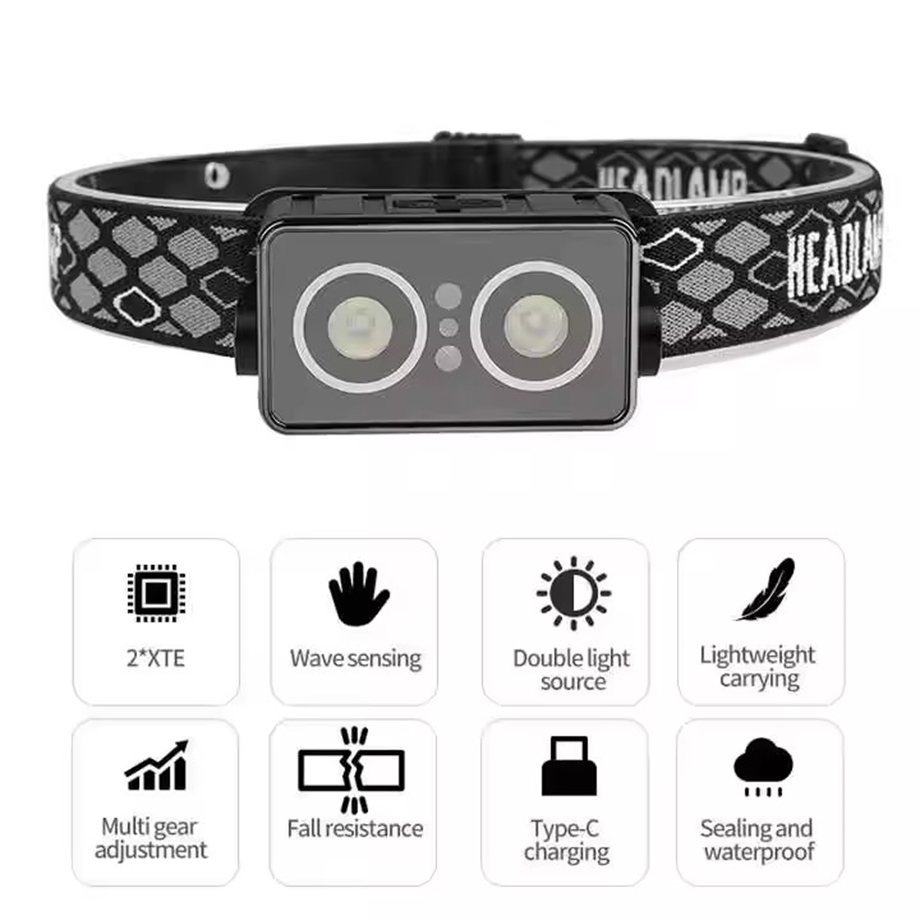
Everyday Use Flashlights
Best Battery Types for General Household Use
For everyday tasks like finding items in dark spaces or handling short power outages, you need batteries that balance cost and convenience. Here's a quick comparison of the best options:
Battery Type | Advantages | Disadvantages |
|---|---|---|
Alkaline | Affordable, widely available | Shorter runtime, lower performance in high-drain devices |
Lithium | Long runtime, sustained brightness | Higher cost, limited availability in some areas |
NiMH | Rechargeable, eco-friendly | Lower energy density compared to lithium batteries |
Rechargeable Li-ion | High energy density, reusable, cost-effective | Requires specialized chargers, safety considerations |
If you're looking for specific recommendations, Energizer Recharge Universal offers great capacity and affordability. For higher performance, Eneloop Pro is a reliable rechargeable option.
Balancing Cost and Convenience
Alkaline AA batteries are the most budget-friendly choice for household flashlights. They’re easy to find and work well for low-drain devices. However, if you want to save money in the long run, rechargeable AA batteries like Eneloop Pro are worth considering. They can be reused hundreds of times, reducing waste and saving you money over time.
Professional or Tactical Flashlights
Battery Types for High-Performance Flashlights
Professional or tactical flashlights demand batteries that deliver consistent power and long runtimes. Here’s what you should consider:
Alkaline Batteries: Affordable and widely available, but not ideal for high-drain devices.
Lithium Batteries: Perfect for demanding situations due to their high energy density and extended runtime.
Rechargeable Batteries: Options like NiMH and Li-ion provide long-term savings and sustainability.
Specialty Batteries: Models like CR123A or 18650 Li-ion cells are designed for tactical flashlights.
Importance of Longevity and Reliability
In professional settings, reliability is non-negotiable. Lithium batteries or rechargeable Li-ion options like Nitecore NL1835HP are excellent for tactical flashlights. They offer high energy density and extended lifespans, ensuring your flashlight performs when you need it most.
Emergency or Outdoor Flashlights
Battery Types for Emergency Preparedness
For emergencies, you need batteries with long shelf lives and reliable performance. Here’s a comparison of top options:
Battery Model | Key Features |
|---|---|
Ufine 18650 3500mAh | High capacity, long runtime, ideal for 18650 flashlights. |
Energizer Ultimate Lithium | Long-lasting, performs well in extreme temperatures. |
SureFire Lithium | Consistent power output, designed for high-performance flashlights. |
Panasonic CR123A | Reliable, affordable, compatible with various flashlight models. |
Performance in Outdoor and Extreme Conditions
Outdoor adventures and emergencies often involve extreme conditions. Lithium batteries like Energizer Ultimate Lithium excel in both freezing and high temperatures. They maintain consistent power output, ensuring your flashlight stays bright even in challenging environments. For high-capacity needs, the Ufine 18650 is a dependable choice.
When deciding what battery types should you consider for bulk flashlight orders, focus on your specific needs. Alkaline AA batteries are affordable and perfect for general use. Rechargeable AA options, like NiMH or lithium-ion, save money over time and reduce waste. Specialty batteries, such as CR123A or 18650 cells, deliver high performance for tactical or emergency flashlights.
To make the best choice, evaluate cost, performance, and compatibility. Always check flashlight specifications to avoid mismatches. For long-term savings, rechargeable AA batteries are a smart pick. If you're unsure, consult flashlight manufacturers for guidance. This ensures your flashlights perform reliably, no matter the situation.
FAQ
What’s the best battery type for bulk flashlight orders?
It depends on your needs! For affordability, go with alkaline batteries. If you want long-term savings, rechargeable AA batteries are a great choice. Specialty batteries like CR123A or 18650 are perfect for high-performance flashlights.
Are rechargeable batteries worth the upfront cost?
Absolutely! Rechargeable batteries save you money over time. You can reuse them hundreds of times, reducing waste and cutting costs. They’re especially useful if you use flashlights frequently or need high-performance options. ♻️
How do I know if a battery is compatible with my flashlight?
Check the flashlight’s user manual or specifications. Look for the required battery size (e.g., AA, AAA) and voltage. If you’re unsure, contact the flashlight manufacturer for guidance. Compatibility ensures your flashlight works safely and efficiently.
Which batteries work best in extreme conditions?
Lithium batteries perform best in extreme temperatures. They handle freezing cold and scorching heat better than alkaline or NiMH batteries. If you’re planning outdoor adventures or emergency use, lithium options like CR123A or Energizer Ultimate Lithium are reliable. 🥶🔥
Can I mix different battery types in one flashlight?
No, you shouldn’t mix battery types. Combining alkaline and rechargeable batteries, for example, can cause uneven power output or damage your flashlight. Always use the same type and brand of batteries for optimal performance and safety.
Tip: Stock up on the same battery type for bulk orders to avoid compatibility issues!
See Also
Selecting Ideal LED Flashlights for Large Quantity Orders
Enhancing Efficiency: Selecting Premium Batteries for Bulk Flashlights
Top Wholesale Providers for Bulk Flashlight Purchases
Identifying Superior Flashlights for Wholesale Buying Options
Comprehensive Guide to Purchasing Flashlights in Bulk Wholesale