How to Avoid Import Delays and Customs Issues When Purchasing Flashlights from China


When you're learning how to avoid import delays and customs issues when purchasing flashlights from China, proactive planning is your best ally. Shipment delays can disrupt your operations and frustrate your customers. Imagine running out of stock just when demand peaks or losing a loyal customer because their order arrived late. These delays can also force you to pay for expedited shipping, cutting into your profits.
The flashlight industry faces unique challenges, from customs compliance to supply chain disruptions. For instance, customs inspections often uncover errors in documentation, causing unnecessary delays. By staying ahead of these issues, you can avoid costly mistakes and keep your business running smoothly. Proper planning, clear communication, and compliance with regulations are essential to ensure your imports arrive on time and hassle-free.
Key Takeaways
Pick trustworthy suppliers by reading reviews and asking for references. This ensures good quality and on-time delivery.
Check products carefully during every production step. This avoids problems and makes sure flashlights are high quality.
Fill out correct paperwork to prevent customs delays. Check invoices and packing lists to make sure they are complete.
Choose DDP shipping to make customs easier. This lowers paperwork and keeps costs steady.
Talk often with suppliers. This fixes problems fast and keeps shipments moving.
Choosing Reliable Suppliers
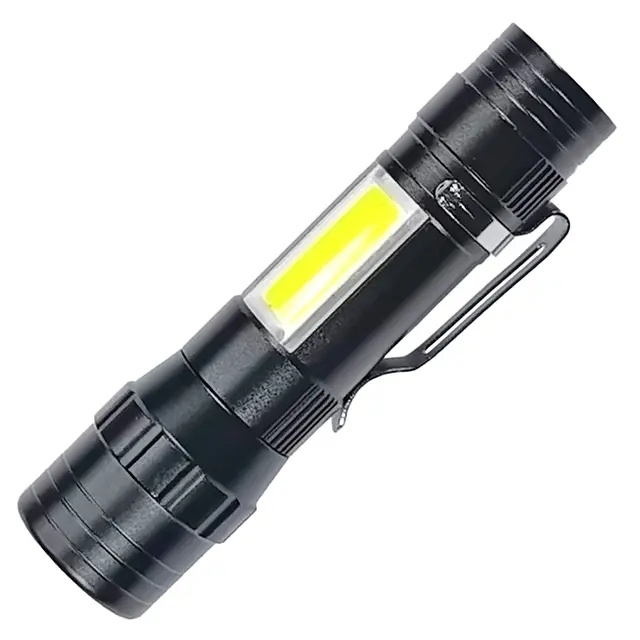
Finding the right supplier is the first step to avoiding delays and ensuring the quality of your flashlight bulk orders. A reliable supplier can save you time, money, and headaches. Here’s how you can identify and work with the best overseas suppliers.
Researching Supplier Reputation
Checking reviews and ratings on sourcing platforms
Start by looking at reviews and ratings on platforms like Alibaba or Global Sources. Positive feedback from other businesses shows that the supplier delivers value. Strong relationships with clients also reflect reliability. Avoid suppliers with a history of low-quality products or inconsistent communication. These red flags can harm your business in the long run.
Requesting references from previous clients
Ask suppliers for references from their past clients. This step helps you verify their claims and understand their performance. Suppliers unwilling to share references might lack transparency, which is a major warning sign. Always prioritize suppliers who are open and honest about their track record.
Evaluating Supplier Capabilities
Assessing production capacity and lead times
You need to ensure the supplier can handle your flashlight bulk orders. Evaluate their production capacity and lead times. A supplier with limited capacity might struggle to meet your deadlines. Conducting inspections, such as pre-production checks, can help you confirm they have the necessary materials and equipment.
Verifying certifications and compliance with international standards
Certifications are crucial when working with overseas suppliers. Look for certifications like CE, UL, and RoHS. These ensure the products meet safety and environmental standards. For example, CE certification indicates compliance with European requirements, while UL certification confirms product safety. The table below highlights some key certifications:
Certification | Description |
|---|---|
CE | Indicates compliance with European safety and environmental requirements. |
UL | Certifies that the product has been tested for safety. |
RoHS | Ensures the product does not contain harmful substances. |
Negotiating Clear Terms
Setting expectations for delivery timelines and quality standards
Clear communication is key when negotiating terms. Set expectations for delivery timelines and quality standards upfront. This ensures both you and the supplier are on the same page. Use specific metrics to define quality, such as compliance with IS 2083 standards, which guarantee product reliability and safety.
Including penalties for delays in contracts
Protect your business by including penalties for delays in your contracts. This motivates suppliers to stick to agreed timelines. It also gives you leverage if something goes wrong. A well-drafted contract can save you from unnecessary costs and disputes.
Tip: Conducting thorough supplier evaluations not only enhances quality assurance but also helps you control costs and mitigate risks. It’s an investment that pays off in the long run.
Conducting Inspections to Prevent Shipment Delays
Inspections are your safety net when importing flashlights. They help you catch potential issues early and ensure your products meet the required standards. By conducting thorough inspections at every stage, you can avoid shipment delays and maintain product quality.
Pre-Production Inspections
Pre-production inspections set the foundation for smooth manufacturing. They ensure that everything is in place before production begins.
Verifying raw materials and components
You need to confirm that the factory has all the necessary materials and components. This step ensures that the production process won’t face interruptions. Inspectors also check the quality of these materials to prevent defects later.
Ensuring production processes meet agreed standards
Make sure the factory’s processes align with your agreed standards. This includes verifying equipment functionality and production methods. The table below highlights effective methods for pre-production inspections:
Inspection Method | Description |
|---|---|
Pre-Production Inspection | Inspectors verify that the factory has necessary materials and equipment before production starts. |
During Production Inspection | Quality assessment of randomly selected samples, checking materials, dimensions, and workmanship. |
Final Random Inspection | Evaluation of overall quality of the flashlight batch with detailed reports on non-conformities. |
Loading Supervision | Supervision of packaging and loading to ensure correct quantity and safe transportation. |
In-Process Inspections
In-process inspections help you monitor production progress and address issues before they escalate.
Monitoring production progress to identify potential issues early
Real-time data from the manufacturing floor allows you to spot problems as they arise. Predictive quality control systems can even forecast defects before they occur, saving you time and money.
Checking for consistency in quality during manufacturing
Inspectors assess randomly selected samples to ensure consistency in product quality. Continuous improvement mechanisms, like feedback loops, help refine the process and maintain high standards.
Evidence Type | Description |
|---|---|
Real-time Data | In-process inspections provide real-time data from the manufacturing floor to quality control teams. |
Predictive Quality Control | Systems that predict defects before they occur, using data analytics to identify potential issues early. |
Continuous Improvement Mechanisms | Feedback mechanisms and data-driven decisions enhance the effectiveness of inspections and adjustments. |
Pre-Shipment Inspections
Pre-shipment inspections are your last line of defense before the products leave the factory.
Confirming product quality and quantity before shipping
Inspectors verify the operation of switches, buttons, and other controls. They also check for safety features like overheating protection and battery safeguards. Compliance with standards such as ANSI/NEMA FL1 and CE Marking is essential.
Functionality: Verify the operation of switches, buttons, and other controls.
Safety: Check for overheating protection, battery protection features, and electrical insulation.
Compliance with Standards: Ensure adherence to ANSI/NEMA FL1, IEC 60529, CE Marking, and UL Listing.
Ensuring packaging meets international shipping requirements
Proper packaging prevents damage during transit. Inspectors confirm that the packaging complies with international shipping standards. This step reduces the risk of customs issues and ensures your products arrive in perfect condition.
Pre-shipment inspections also facilitate smoother customs clearance. By ensuring compliance with safety and labeling requirements, you can avoid delays and penalties.
Tip: Investing in inspections at every stage not only protects your product quality but also saves you from costly delays and disputes.
Ensuring Customs Compliance for Flashlights

When importing flashlights, ensuring customs compliance is critical to avoid delays, penalties, or even shipment rejections. By preparing accurate documentation, understanding tariff classifications, and staying updated on import regulations, you can streamline the process and keep your imports on track.
Preparing Accurate Documentation
Incomplete or incorrect documentation is one of the most common reasons for customs delays. You need to double-check that all invoices, packing lists, and certificates are complete and meet customs requirements. Missing or ineligible documents can lead to shipment retention or even rejection at the border.
Avoid errors in product descriptions and values. For example, inaccurate weight, quantity, or country of origin can trigger customs inspections. These mistakes often result in higher fees for extended storage or transportation. To prevent such issues, create a checklist for all required documents and verify their accuracy before shipping.
Tip: Use digital tools to automate documentation processes and reduce human error. This can save you time and money in the long run.
Understanding Tariff Classifications
Tariffs play a significant role in determining the cost of importing flashlights. Identifying the correct HS codes for your products is essential. Incorrect codes can lead to penalties or unexpected costs. For flashlights, consult a licensed customs broker to ensure you’re using the right classifications.
Once you’ve identified the correct HS codes, calculate duties and taxes accurately. Customs and duties typically range from 2% to 8%, depending on the product and destination. Accurate calculations help you budget effectively and avoid surprises during customs clearance.
Staying Updated on Import Regulations
Import regulations for flashlights can change frequently, especially in major markets like the US and EU. For instance, environmental and safety standards often dictate material selection and manufacturing processes. Ethical sourcing laws, such as the Uyghur Forced Labor Prevention Act, may also require audits to ensure compliance.
Stay informed by monitoring regulatory updates and engaging with trade associations. Leveraging technology can also provide timely updates on compliance requirements. Consulting with customs brokers is another effective way to navigate complex regulations and avoid costly mistakes.
Note: Staying proactive about customs compliance not only ensures smoother imports but also protects your product quality and reputation.
Managing Production Timelines and Communication
Managing production timelines and maintaining clear communication with your suppliers is essential to avoid shipment delays and ensure smooth imports. By setting realistic timelines, staying in touch with your suppliers, and addressing issues proactively, you can keep your flashlight bulk orders on track.
Setting Realistic Timelines
Accounting for production, inspection, and shipping times
When importing flashlights, you need to account for every step of the process. This includes production, inspection, and shipping. Set clear quality benchmarks for your flashlights and communicate them to your suppliers. Accurate forecasting is also critical. It helps you avoid stockouts or overstocking, both of which can disrupt your business.
Building in buffer time for unexpected delays
Delays happen, even with the best planning. Build buffer time into your production schedule to handle unexpected issues like production delays or customs inspections. Strong supplier relationships can also help you navigate these challenges more effectively. Contracts with specific delivery timelines and penalties for delays can keep everyone accountable.
Tip: Real-time tracking tools give you visibility into your supply chain, helping you stay ahead of potential delays.
Maintaining Regular Communication
Using project management tools to track progress
Project management tools can streamline communication with your overseas suppliers. Here’s how you can use them effectively:
Establish channels or groups for specific projects to keep discussions focused.
Set guidelines for communication to ensure organized and efficient exchanges.
Encourage regular check-ins to align with project goals and address issues early.
Scheduling regular updates with suppliers
Regular updates are key to maintaining transparency. Define clear expectations by communicating your business needs, requirements, and deadlines. Encourage suppliers to share challenges openly. Tools like shared document management systems can make this process even smoother.
Note: Regular performance reviews with suppliers can help you assess their adherence to standards and provide constructive feedback.
Addressing Issues Proactively
Resolving disputes quickly to avoid further delays
Disputes with suppliers often stem from misunderstandings or unclear communication. Review contracts carefully to identify potential problem areas. If disputes arise, approach negotiations with an open mind to find solutions that work for both parties. Mediation can also be a helpful tool when direct negotiations stall.
Adjusting plans based on real-time updates
Flexibility is crucial when managing imports. Use real-time updates from your suppliers to adjust your plans as needed. This proactive approach can help you avoid production delays and keep your shipping deadlines intact.
Tip: Open and transparent communication with your suppliers minimizes misunderstandings and keeps your imports running smoothly.
Additional Tips to Avoid Import Delays and Customs Issues
When importing flashlights, a few extra steps can make a big difference in avoiding shipment delays and customs issues. These tips will help you streamline your imports and keep your flashlight bulk orders on track.
Avoiding Complications with Batteries
Properly labeling packages containing batteries
Shipping flashlights with batteries requires extra care. Improper labeling can lead to customs inspections or even rejected shipments. Make sure your packages include clear labels and documentation that comply with hazardous material regulations. For instance, labels should indicate the presence of lithium batteries and include handling instructions. This ensures your shipment meets international shipping requirements and avoids unnecessary delays.
Considering alternative shipping options for battery-included flashlights
Battery-included flashlights often face stricter shipping regulations. You might want to explore alternative shipping methods, such as air freight services that specialize in hazardous materials. These services can help you navigate complex requirements and reduce the risk of delays. Always confirm that your shipping provider understands the specific needs of your products.
Using DDP (Delivered Duty Paid) Shipping
Benefits of DDP for streamlining customs clearance
DDP shipping can simplify the process of importing flashlights. Here’s why it’s worth considering:
Reduced paperwork and administrative tasks
Predictable total costs with all-inclusive pricing
Enhanced trust when dealing with international suppliers
Less risk as the seller assumes responsibility for the shipment
Increased confidence in international transactions
By choosing DDP, you can focus on your business while your supplier handles customs and duties.
How to negotiate DDP terms with suppliers
When negotiating DDP terms, be clear about your expectations. Discuss who will handle customs clearance, duties, and tariffs. Ensure the agreement includes all costs to avoid surprises. A well-negotiated DDP contract can save you time and prevent shipment delays.
Securing Shipping Insurance
Importance of insurance for mitigating losses due to delays
Shipping insurance is a must when importing flashlights. It protects you from financial losses caused by delays, damaged goods, or lost shipments. Without insurance, you could face significant setbacks that disrupt your operations and hurt your bottom line.
Choosing the right insurance provider for international shipments
Not all insurance providers are created equal. Look for one that specializes in international shipping and understands the unique challenges of importing flashlights. Compare coverage options, costs, and customer reviews to find the best fit for your needs. A reliable provider ensures peace of mind and keeps your imports secure.
Tip: Investing in proper labeling, DDP shipping, and insurance not only reduces risks but also builds trust with your customers by ensuring timely and safe deliveries.
Avoiding shipment delays and customs issues when purchasing flashlights from China requires a proactive and strategic approach. By choosing reliable suppliers, conducting thorough inspections, and ensuring compliance with customs requirements, you can streamline your importing process and avoid unnecessary setbacks.
Here are some key strategies to keep in mind:
Use real-time tracking tools to monitor shipments and stay ahead of potential delays.
Double-check all documentation to ensure accuracy and completeness.
Work with a trusted customs broker to navigate complex regulations.
Build buffer time into your schedule to handle unexpected disruptions.
Navigating the import process may seem challenging, but with proper planning and clear communication, you can minimize risks and keep your shipments on track. Whether you're importing flashlights for retail or wholesale, these steps will help you meet your deadlines and maintain customer satisfaction.
Tip: Strong relationships with suppliers and customs brokers can make all the difference. Invest in these partnerships to ensure smoother operations and fewer delays.
By implementing these strategies, you’ll not only avoid common issues but also set your business up for long-term success. Start planning today, and you’ll see the benefits in your next shipment.
FAQ
What are the most common reasons for customs delays when importing flashlights?
Customs delays often happen due to incomplete or incorrect documentation, misclassified tariff codes, or non-compliance with import regulations. Double-checking your paperwork and working with a customs broker can help you avoid these issues.
How can I ensure the quality of flashlights before they’re shipped?
Conduct inspections at every stage—pre-production, in-process, and pre-shipment. These checks help verify materials, monitor production, and confirm the final product meets your standards. Inspections also reduce the risk of receiving defective flashlights.
Are there specific regulations for shipping flashlights with batteries?
Yes, shipping flashlights with batteries requires proper labeling and compliance with hazardous material regulations. Lithium batteries, in particular, need special handling. Work with a shipping provider experienced in transporting battery-included products to avoid complications.
What’s the best way to calculate duties and taxes for importing flashlights?
Use the correct HS code for your flashlights to calculate duties and taxes accurately. Customs brokers can assist with this process, ensuring you don’t face unexpected costs or penalties during clearance.
Should I always choose DDP shipping for importing flashlights?
DDP shipping simplifies the process by including customs clearance and duties in the supplier’s responsibility. It’s a great option if you want predictable costs and less paperwork. However, compare costs with other shipping methods to decide what works best for your business.
See Also
Comprehensive Tips for Importing Wholesale Flashlights from China
Key Strategies for Finding Dependable Wholesale Flashlights
Steps to Acquire Premium Flashlights for Your Wholesale Business