How to Avoid Common Flashlight Issues in Bulk Orders

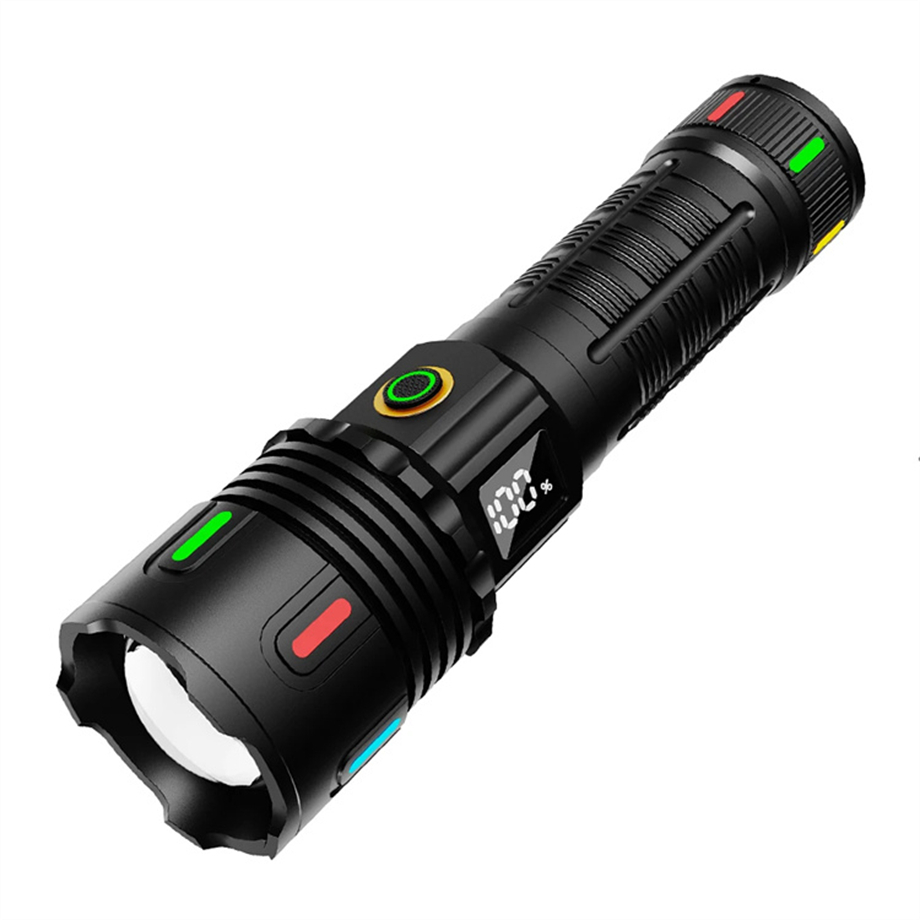
Bulk flashlight orders often come with unexpected challenges that can disrupt your business operations. Many businesses encounter issues such as legal compliance hurdles, limited supplier options, and quality control failures. These problems can lead to increased costs, unreliable products, and damaged reputations. For example, unreliable flashlights can result in higher returns and warranty expenses, while negative reviews may push customers toward competitors.
Taking proactive steps is essential to avoid these setbacks. By addressing potential risks early, you can ensure smooth operations and maintain customer trust. This blog will guide you on how to avoid common flashlight issues in bulk orders, helping you make informed decisions.
Key Takeaways
Pick trusted suppliers with good reviews. Check their reputation and ask for samples to check quality.
Do careful quality checks when items arrive. Look for problems and use outside services for extra checks.
Learn and follow rules and laws. Find out what certifications are needed to avoid trouble and sell your products.
Talk clearly with your supplier. Share exact details and stay in touch to match expectations.
Plan and order smartly. Order early and think about smaller, more frequent shipments to lower risks and handle stock better.
Identifying Common Issues in a Bulk Flashlight Order
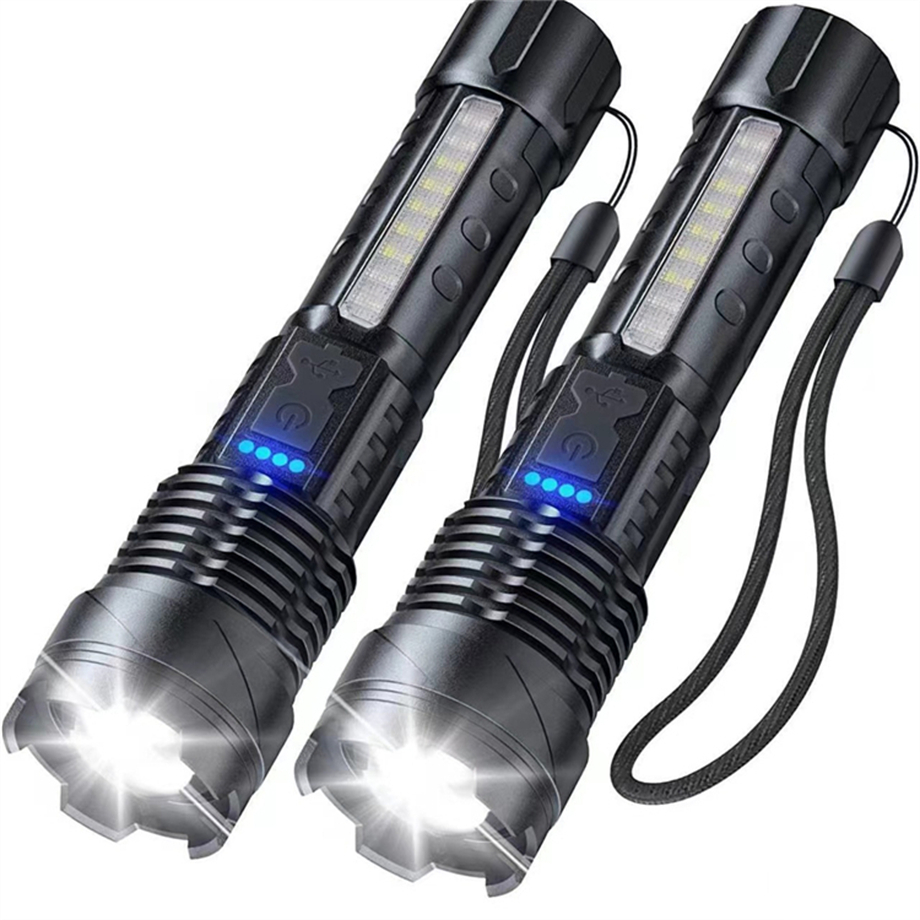
Defective Products
Faulty components or manufacturing defects
Defective products are one of the most common issues in a bulk flashlight order. Faulty components, such as low-quality circuits or substandard materials, often lead to product failures. For example, overheating can occur due to complex circuits, while buzzing noises may result from overloaded ones. Quick LED burnouts are another frequent problem caused by low-grade materials.
Defect | Cause |
|---|---|
Overheating | Complex circuits |
Buzzing noises | Overloaded circuits |
Quick LED burnouts | Low-grade materials |
Other defects include tint variations, glued threads, and flimsy clips. These flaws not only reduce the flashlight's usability but also harm your reputation.
Inconsistent performance or durability
Inconsistent performance is another challenge. Some flashlights may exhibit issues like low-frequency PWM (pulse-width modulation) or audible driver whine. These problems can make the product unreliable. Durability concerns, such as lights not fitting protected batteries or breaking under minimal stress, further complicate matters. Addressing these defects early ensures your bulk orders meet customer expectations.
Shipping and Delivery Delays
Late shipments affecting project timelines
Shipping delays can disrupt your operations. Common causes include supply chain disruptions, such as factory closures or shipping container shortages. Weather-related challenges, like hurricanes or snowstorms, also halt transportation. Errors in shipping details, such as incorrect addresses, add to the problem. High demand during peak seasons often leads to stock shortages, further delaying deliveries.
Supply chain disruptions (e.g., factory closures, container shortages)
Weather-related challenges (e.g., hurricanes, snowstorms)
Errors in shipping details (e.g., incorrect addresses)
High demand during peak seasons
Damaged goods during transit
Improper handling during shipping can result in damaged goods. Poor packaging or rough transit conditions often lead to broken flashlights. This not only increases costs but also delays your projects as you wait for replacements. Ensuring proper packaging and working with reliable shipping partners can minimize these risks.
Compliance and Certification Problems
Non-compliance with safety or industry standards
Compliance issues can arise if your supplier fails to meet safety or industry standards. Certifications like UL (Underwriters Laboratories) or FCC (Federal Communications Commission) are essential for ensuring product safety and electromagnetic compatibility. Missing these certifications can prevent you from selling in specific markets.
Certification | Description |
|---|---|
UL | Underwriters Laboratories certification for safety. |
FCC | Federal Communications Commission certification for electromagnetic compatibility. |
Energy Star | Certification for energy efficiency. |
DLC | DesignLights Consortium certification for lighting products. |
Missing required certifications for specific markets
Different markets require specific certifications. For example, CE marking is mandatory for products sold in Europe, while ANSI/NEMA FL 1 standards are crucial for flashlight performance metrics. Failing to meet these requirements can lead to legal penalties or product recalls. Researching compliance standards for your target market is vital to avoid these setbacks.
Poor Packaging and Labeling
Inadequate protection leading to damage
Poor packaging often results in damaged products during transit. When you order flashlights in bulk, inadequate protection can cause scratches, dents, or even broken components. Thin or low-quality packaging materials fail to absorb shocks during shipping. For example, flashlights packed without proper padding may collide with each other, leading to visible damage.
You can avoid this issue by ensuring your supplier uses durable packaging materials. Bubble wrap, foam inserts, and sturdy boxes provide better protection. Additionally, request suppliers to test their packaging under simulated shipping conditions. This step ensures your orders arrive intact and ready for use.
Incorrect or missing labels causing confusion
Incorrect or missing labels create unnecessary confusion and delays. Imagine receiving a shipment of flashlights without clear labels indicating model numbers or specifications. Sorting through such a shipment wastes time and increases the risk of distributing the wrong products to customers. Missing labels also make it harder to track inventory or identify defective items.
To prevent this, provide your supplier with detailed labeling instructions. Labels should include essential information like product names, batch numbers, and handling instructions. You can also request sample labels before finalizing your bulk orders. This proactive approach ensures clarity and reduces errors in your supply chain.
Tip: Always inspect packaging and labeling samples before approving a bulk order. This small step can save you from bigger problems later.
Causes of Common Flashlight Issues in Bulk Orders
Poor Supplier Quality
Lack of experience or expertise in manufacturing
Suppliers with limited experience in flashlight manufacturing often produce subpar products. They may lack the technical knowledge required to design durable and reliable flashlights. This inexperience can lead to common failures, such as inconsistent brightness or short battery life. To avoid these issues, you should establish clear quality standards with your supplier. Regular communication ensures they understand your expectations and can meet them effectively.
Use of substandard materials
Some suppliers cut costs by using low-quality materials, which compromises the durability and performance of flashlights. For example, weak plastic casings may crack under pressure, while inferior LED components can result in quick burnouts. Defining measurable quality standards and implementing proactive quality control measures can help you avoid these common failures. Always verify the materials your supplier uses before placing bulk orders.
Inadequate Quality Control
Insufficient testing before shipment
When suppliers skip thorough testing, defective products often slip through the cracks. This leads to unreliable performance and customer dissatisfaction. Flashlights that fail during critical use can even pose safety risks. You can mitigate these problems by requiring your supplier to conduct rigorous testing before shipment. Third-party quality assurance services can also help identify defects early.
Overlooking minor defects that escalate
Small defects, such as loose threads or slight misalignments, may seem insignificant at first. However, these flaws can escalate into major failures over time. For instance, a poorly secured battery compartment might cause the flashlight to stop working unexpectedly. By addressing minor defects during production, you can prevent larger issues and maintain customer trust.
Tip: Partnering with suppliers who prioritize quality control reduces the risk of product failures and financial losses.
Regulatory Challenges
Misunderstanding local or international regulations
Navigating regulatory requirements can be challenging, especially when dealing with international markets. Suppliers who misunderstand these regulations may fail to meet necessary certifications. For example, CE marking is mandatory for products sold in Europe, while UL certification ensures safety in the U.S. Non-compliance can lead to hefty fines, legal penalties, and reputational damage.
Certification | Description |
|---|---|
UL | Underwriters Laboratories certification for safety. |
FCC | Federal Communications Commission certification for electromagnetic compatibility. |
CE marking | Conformité Européenne marking for product safety in Europe. |
ANSI/NEMA FL 1 | Standard for flashlight performance metrics. |
Failure to meet certification requirements
Missing certifications can block your products from entering specific markets. For instance, flashlights without ANSI/NEMA FL 1 certification may not meet performance standards, making them unsuitable for professional use. To avoid these setbacks, research the certifications required for your target market and ensure your supplier complies with them.
Note: Non-compliance not only disrupts operations but also damages your reputation, leading to lost customer trust.
Communication Gaps
Misaligned expectations between buyer and supplier
Misaligned expectations often lead to common failures in bulk flashlight orders. When you and your supplier are not on the same page, the final product may not meet your needs. For instance, you might expect high-performance flashlights, but the supplier delivers products with inconsistent brightness or short battery life. These mismatches occur when you fail to communicate your requirements clearly or when the supplier misunderstands your specifications.
To avoid such issues, you should establish a detailed agreement with your supplier. This agreement should outline every aspect of the order, including design, materials, and performance standards. Regular updates during the production process also help ensure alignment. By maintaining open communication, you can minimize the risk of receiving products that fail to meet your expectations.
Tip: Always request a prototype or sample before finalizing bulk orders. This step allows you to verify the product's quality and performance.
Lack of clear instructions or specifications
Unclear instructions often result in common failures like incorrect labeling, poor packaging, or substandard materials. For example, if you do not specify the type of LED or battery required, the supplier might choose cheaper alternatives that compromise the flashlight's durability. These oversights can lead to customer dissatisfaction and increased costs for replacements or repairs.
Providing detailed specifications is crucial. You should include information about materials, dimensions, and performance metrics. Visual aids, such as diagrams or photos, can further clarify your expectations. Additionally, you should confirm that the supplier understands these instructions before production begins. Clear communication ensures that the final product aligns with your requirements and reduces the likelihood of costly errors.
Note: Miscommunication is one of the most preventable issues in bulk orders. Taking the time to provide clear and detailed instructions can save you from significant failures down the line.
How to Avoid Common Flashlight Issues in Bulk Orders
Work with Reliable Suppliers
Research supplier reputation and reviews
Choosing a reliable supplier is the first step in ensuring the success of your bulk orders. Look for suppliers with a proven track record of delivering high-quality flashlights. Positive testimonials and case studies often highlight a supplier’s ability to meet compliance standards and provide durable products. Certifications like CE and RoHS further confirm their commitment to quality and safety.
Criteria | Details |
|---|---|
Product Quality | Durable materials, high-performance LEDs, and certifications like CE or ISO. |
Customization Options | Branding, design, and functional modifications. |
After-Sales Support | Warranty, return policies, and customer service availability. |
Suppliers who use high-quality materials ensure that flashlights can withstand rough conditions. This durability enhances performance and extends the product's lifespan, making it essential to partner with such suppliers.
Request samples before placing bulk orders
Requesting samples allows you to test the durability, brightness, and battery life of the flashlights. Evaluating performance under extreme conditions ensures reliability. Custom samples can also reflect specific needs, aligning the final product with your expectations.
Testing samples reduces the risk of receiving defective products.
It helps build trust with suppliers, ensuring a better purchasing experience.
By requesting samples, you can identify potential issues early and avoid costly mistakes in your bulk orders.
Conduct Thorough Quality Checks
Inspect products upon delivery
Thorough inspections upon delivery help you identify defects early. Check for proper labeling, consistent dimensions, and durable construction. Random inspections of bulk shipments can also reveal hidden issues.
Tip: Partner with suppliers who conduct regular quality checks and provide detailed inspection reports.
Use third-party quality assurance services
Third-party quality assurance services add an extra layer of reliability. These services perform supplier audits and verify adherence to quality control processes. They also inspect products for defects, ensuring that your bulk orders meet your standards.
Request samples before committing to a bulk order.
Conduct random inspections of shipments.
Partner with suppliers with a proven track record of quality.
Understand Regulatory Requirements
Research compliance standards for your market
Understanding regulatory requirements is crucial to avoid legal and financial penalties. For example, ANSI/NEMA FL 1-2009 defines performance metrics like brightness and runtime, while OSHA ensures safety in hazardous environments.
Standard | Description |
|---|---|
ANSI/NEMA FL 1-2009 | Defines performance metrics such as brightness, runtime, and beam distance. |
OSHA Requirements | Ensures safety in hazardous environments, including spark-free operation. |
UL 1576 | Certifies safety and performance for various flashlight types. |
Failing to meet these standards can result in fines, product recalls, or lawsuits.
Ensure suppliers provide necessary certifications
Always verify that your supplier provides the required certifications. Look for marks like CE, UL, or RoHS on the packaging or flashlight body. Request documentation, including certification numbers and validity periods, to confirm authenticity.
Recognize certification marks like UL and ANSI FL1.
Request certification documents from the supplier.
Research the certifying body to ensure its credibility.
By ensuring compliance, you can prevent supply chain disruptions and maintain customer trust.
Establish Clear Communication
Provide detailed specifications and expectations
Clear communication with your supplier is essential to avoid misunderstandings during bulk orders. Start by providing detailed specifications for your flashlights. Include information such as material quality, LED type, battery requirements, and packaging preferences. Visual aids like diagrams or photos can further clarify your expectations. When your supplier has a clear understanding of your needs, they can deliver products that meet your standards.
A written agreement outlining these details ensures accountability. This document should include performance metrics, delivery timelines, and quality benchmarks. By setting clear expectations upfront, you reduce the risk of receiving defective or non-compliant products.
Maintain regular updates with the supplier
Regular communication with your supplier helps you stay informed about the production process. Schedule periodic updates to discuss progress, address potential issues, and confirm timelines. This practice strengthens supplier coordination and ensures that your bulk orders remain on track.
Use tools like email or project management software to document these updates. Written records provide a reference point for resolving disputes or clarifying instructions. Consistent communication also builds trust, making your supplier more likely to prioritize your orders.
Tip: Establish a single point of contact for all communications to streamline the process and avoid confusion.
Plan and Order Strategically
Place orders early to avoid delays
Placing orders well in advance minimizes the risk of order processing delays. Early planning gives your supplier enough time to source materials, conduct quality checks, and meet compliance standards. This approach is especially important during peak seasons when demand is high.
Advance orders also allow you to address unforeseen challenges, such as shipping disruptions or production errors. By planning ahead, you ensure that your bulk orders arrive on time, keeping your projects on schedule.
Consider smaller, frequent orders to reduce risks
Instead of placing one large order, consider splitting your bulk orders into smaller, frequent shipments. This strategy reduces the impact of potential issues, such as defective products or shipping delays. Smaller orders also make it easier to inspect and manage inventory.
Frequent orders help you maintain a steady supply of flashlights without overburdening your storage facilities. This approach also allows you to adjust future orders based on customer feedback or market trends.
Note: Discuss this strategy with your supplier to ensure they can accommodate smaller, frequent shipments without compromising quality.
Immediate Solutions for Problems in a Bulk Flashlight Order

Contact the Supplier
Report issues promptly and request replacements
When you encounter defective products or damaged shipments, contacting your supplier immediately is crucial. Prompt reporting ensures that your concerns are addressed before they escalate. Provide detailed descriptions of the issues, including photos or videos, to support your claims. Suppliers often offer replacements for defective items as part of their service agreements. Acting quickly helps you avoid delays in resolving the problem and keeps your operations running smoothly.
Negotiate refunds or discounts for defective products
If replacements are not feasible, negotiating refunds or discounts can be an effective solution. Open communication with your supplier is key to reaching a fair agreement. Discuss the extent of the defects and their impact on your business. Suppliers may offer price reductions or tiered pricing models to compensate for the inconvenience. Demonstrating reliability through timely payments and showing appreciation for their efforts can also foster goodwill, making negotiations more successful.
Explore Alternative Suppliers
Identify backup suppliers for urgent needs
Having backup suppliers ensures that you can meet urgent demands when your primary supplier fails to deliver. Evaluate potential suppliers based on their production capacity, reputation, and pricing. Reliable backup suppliers can handle bulk orders efficiently and provide real-time inventory updates to prevent overselling inventory. Building strong relationships with these suppliers ensures you have access to quality products during emergencies.
Criteria | Details |
|---|---|
Production Capacity | Ability to handle bulk orders and meet deadlines. |
Reputation | Check reviews, testimonials, and case studies. |
Pricing | Evaluate long-term cost benefits. |
After-Sales Support | Assess warranty policies and customer service. |
Evaluate new suppliers for future orders
Exploring new suppliers can help you avoid recurring issues and improve the quality of your bulk orders. Look for suppliers with a proven track record of delivering reliable products. Assess their delivery processes to ensure timely shipments and transparent communication. Testing their products through samples allows you to verify their quality and suitability for your needs. This proactive approach minimizes the risk of lost orders and ensures a steady supply chain.
Implement Damage Control Measures
Repair minor defects in-house if feasible
For minor defects, in-house repairs can save time and reduce costs. Issues like loose threads, buzzing noises, or quick LED burnouts often have simple fixes. For example, replacing faulty LED drivers or securing loose components can restore functionality. Training your team to handle these repairs ensures that you can address problems quickly without waiting for replacements.
Defect Type | Description |
|---|---|
Overheating | Can lead to illumination failure. |
Buzzing noise | Indicates overloaded circuits. |
Quick LED light burnouts | Often caused by low-grade materials. |
Inappropriate LED drivers | May cause malfunctioning due to overheating. |
Wrong color displays | Result from wiring or LED controller problems. |
Use temporary alternatives to meet immediate needs
When repairs are not possible, temporary alternatives can help you meet immediate demands. For instance, using existing inventory or sourcing similar products from local suppliers can bridge the gap. This approach ensures that your customers receive their orders on time, maintaining their trust in your business. Planning for such contingencies minimizes disruptions and keeps your operations on track.
Tip: Always maintain a small buffer stock of flashlights to handle unexpected delays or defects in bulk orders.
Troubleshoot Common Flashlight Issues
Check for loose threads or components
Loose threads or components often cause flashlights to malfunction. You should start by inspecting the flashlight’s body. Look for any visible gaps or misaligned parts. A loose battery compartment or headpiece can disrupt the electrical connection, leading to flickering or complete failure. Tighten these parts using your hands or a small tool, such as a screwdriver, to ensure a secure fit.
Pay attention to the tail cap and bezel. These areas often loosen during shipping or frequent use. Remove the tail cap and check for any debris or dirt that might interfere with the connection. Clean it with a soft cloth before reassembling. If the flashlight still doesn’t work, examine the internal components, such as the spring or contact points. Bent or damaged springs can prevent proper battery contact. Straighten them gently with pliers or replace them if necessary.
Tip: Always handle the flashlight carefully to avoid damaging delicate components. Regular maintenance can prevent loose parts from becoming a recurring issue.
Follow a troubleshooting guide for quick fixes
When a flashlight stops working, a troubleshooting guide can help you identify and resolve the problem quickly. Start by checking the batteries. Ensure they are inserted correctly, with the positive and negative ends aligned as indicated. Replace old or depleted batteries with fresh ones. Rechargeable flashlights may require a full charge before functioning properly.
If the flashlight still doesn’t turn on, test the bulb or LED. A burnt-out bulb often causes the issue. Replace it with a compatible one. For LED flashlights, inspect the driver circuit. Overheating or power surges can damage the driver, requiring replacement.
Note: Keep a basic repair kit handy. Include spare bulbs, batteries, and small tools to address common issues on the spot.
By following these steps, you can restore most flashlights to working condition without professional help. Regular checks and quick fixes ensure your flashlights remain reliable for long-term use.
Identifying and addressing common issues in bulk flashlight orders ensures smooth operations and customer satisfaction. Proactively managing these challenges offers long-term benefits, such as improved inventory efficiency and reduced stockouts.
Strategy | Benefit |
|---|---|
Setting reorder points | Ensures inventory is replenished before reaching critically low levels. |
Maintaining safety stock | Provides a buffer to fulfill customer orders during unexpected demand spikes. |
Reduces stockouts and improves operational efficiency. |
Working with reliable suppliers and conducting regular quality inspections prevents product failures and builds trust. Strong supplier relationships also lead to prioritized orders and cost-effective solutions like bulk discounts. By implementing these strategies, you can maintain consistent product quality and avoid costly mistakes.
Tip: Always prioritize quality over quantity to protect your brand reputation and ensure customer satisfaction.
FAQ
What should you look for when choosing a flashlight supplier?
Focus on reputation, product quality, and certifications. Check reviews and request samples to evaluate performance. Reliable suppliers often provide warranties and after-sales support. Look for those who meet compliance standards like CE or UL certifications.
Tip: Always verify the supplier’s experience in manufacturing bulk orders.
How can you ensure your bulk flashlight order meets quality standards?
Inspect products upon delivery and conduct random checks. Use third-party quality assurance services to verify compliance. Request detailed inspection reports from your supplier. Testing samples before placing a bulk order also helps identify potential issues early.
What certifications are essential for flashlights in international markets?
Certifications like CE (Europe), UL (USA), and RoHS (environmental compliance) are crucial. ANSI/NEMA FL 1 ensures performance metrics, while FCC certification confirms electromagnetic compatibility. Research your target market’s requirements to avoid compliance issues.
Certification | Region/Use Case |
|---|---|
CE | Europe |
UL | USA |
RoHS | Environmental |
How do you handle defective products in bulk orders?
Contact your supplier immediately. Provide evidence like photos or videos. Request replacements or negotiate refunds. For minor defects, consider in-house repairs to save time. Always document the issue to prevent future occurrences.
Note: Maintain a buffer stock to handle delays caused by defective products.
Why is clear communication important in bulk orders?
Clear communication ensures your supplier understands your specifications. Misaligned expectations often lead to defective or non-compliant products. Provide detailed instructions, including materials, dimensions, and performance metrics. Regular updates help you track progress and address issues early.
Tip: Use written agreements to outline expectations and avoid misunderstandings.
See Also
Selecting Quality LED Flashlights for Large Orders
Mastering Quality Assurance in Flashlight Wholesale Buying
Tips for Selecting Premium Flashlights for Wholesale Orders