How to Avoid Importing Counterfeit Flashlights from China

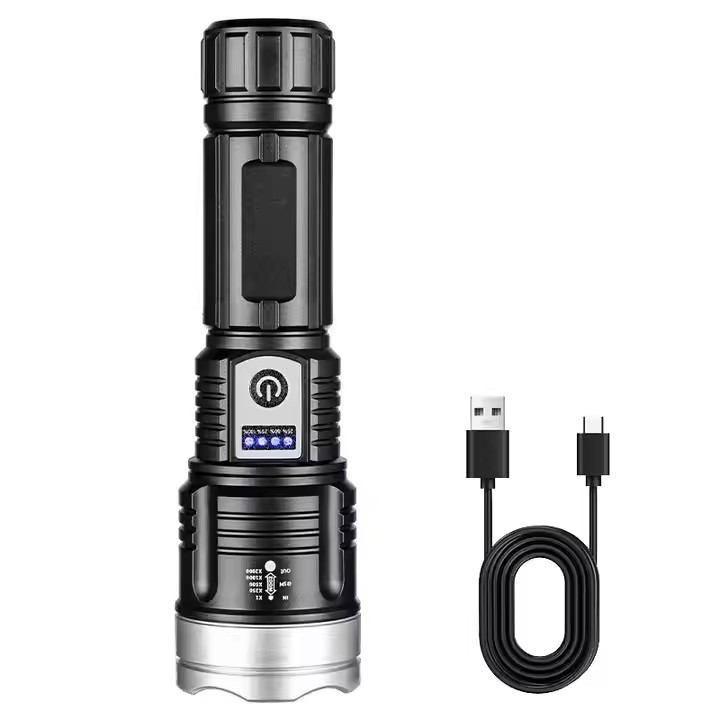
Counterfeit flashlights can harm your business in many ways. These fake products often lead to financial losses, legal troubles, and safety risks. Poor-quality materials in counterfeit items may cause malfunctions or even accidents. You must take proactive steps to protect your business. Verifying suppliers, inspecting products, and understanding how to avoid importing counterfeit flashlights from China will help you ensure authenticity. By staying vigilant, you can safeguard your reputation and provide safe, reliable products to your customers.
Key Takeaways
Check suppliers carefully by looking into their history and reviews. This helps you find trustworthy manufacturers.
Look at product samples closely for quality and branding issues. Comparing them to real products can show fakes.
Hire inspection services to check suppliers and their products. Experts can spot fake items before they reach buyers.
Add rules about fake products in contracts with suppliers. This makes sure they follow rules and provide real items.
Watch online stores for fake products. Report suspicious items to protect your brand and customers.
Understanding the Counterfeit Flashlight Problem
Common Signs of Counterfeit Flashlights
Poor build quality and materials
Counterfeit flashlights often use substandard materials. You may notice weak plastic casings, uneven seams, or fragile components. These products fail to meet durability expectations, making them unreliable for regular use.
Inconsistent branding or logos
Pay close attention to branding. Counterfeit goods frequently feature misspelled logos, incorrect fonts, or inconsistent designs. These errors are clear indicators that the product is not authentic.
Unusually low prices compared to market standards
If a flashlight's price seems too good to be true, it probably is. Counterfeit products are often sold at significantly lower prices to attract buyers. Always compare prices with market standards to identify suspiciously cheap items.
Risks of Importing Counterfeit Flashlights
Legal consequences and intellectual property violations
Importing counterfeit goods can lead to serious legal issues. You risk violating intellectual property laws, which may result in fines or lawsuits. Protect your business by ensuring all products comply with legal standards.
Customer dissatisfaction and damage to brand reputation
Counterfeit goods harm your relationship with customers.
Substandard imitations dilute your brand's value.
Customers lose trust when they receive poor-quality products.
Negative experiences damage your reputation and reduce your customer base.
Safety hazards associated with low-quality products
Counterfeit flashlights often lack proper safety measures. Poor wiring or defective batteries can cause overheating, fires, or explosions. These hazards endanger users and expose your business to liability risks.
Why Counterfeit Flashlights Are Prevalent in China
High demand for affordable products
The global demand for cheap flashlights drives counterfeit production. Many buyers prioritize low prices over quality, creating opportunities for counterfeiters to flood the market with imitations.
Lack of strict enforcement in some manufacturing regions
Certain regions in China struggle with enforcing intellectual property laws.
Counterfeiting is highly profitable, often surpassing the drug trade.
Minimal enforcement and penalties make it a low-risk activity.
Local officials sometimes prioritize economic growth over cracking down on counterfeit operations.
This environment allows counterfeit goods to thrive, making it essential for you to remain vigilant when sourcing products.
Steps to Verify the Authenticity of Suppliers
Conducting Background Checks on Suppliers
Researching supplier history and reviews
Finding a supplier you can trust begins with thorough research. Start by examining the flashlight manufacturer's online presence, including their website and social media profiles. Look for reviews from previous customers to gauge their reputation. Use accredited vendor screening services to ensure the supplier meets standardized guidelines. Avoid counterfeit goods by identifying vendors with a history of unethical practices or legal issues.
To dig deeper, conduct interviews with the supplier. Prepare questions about their quality control processes, pricing, and compliance with safety standards. If possible, arrange a site visit to inspect their facilities and assess their production capabilities. This hands-on approach helps you verify their claims and build trust.
Verifying business licenses and certifications
Request copies of the supplier's business licenses and certifications. Check the validity and expiration dates of these documents. Contact the issuing authorities to confirm their authenticity. Online verification tools and databases can also help you validate these credentials. Ensuring the supplier operates legally protects your business from potential risks.
Requesting Product Samples
Inspecting the quality and branding of samples
Requesting product samples is a critical step in finding a supplier. Examine the samples closely for signs of counterfeiting. Look for inconsistencies in surface texture, mold marks, and part markings. Pay attention to the logo's quality and ensure it matches the branding of authentic products. Use acetone to test for blacktopping, a common counterfeit tactic.
Comparing samples to authentic products
Compare the samples to known authentic flashlights. Check the physical dimensions against datasheet specifications. Evaluate the lead conditions, such as straightness and distance. Any deviations could indicate counterfeit products. This step ensures the flashlight manufacturer delivers genuine, high-quality items.
Checking for Certifications and Compliance
Ensuring compliance with international safety standards
Flashlights must meet international safety standards to ensure reliability and safety. Look for certifications like ANSI FL1, which measures performance metrics such as light output and runtime. In North America, UL 913 ensures flashlights are safe for hazardous locations. The ATEX Directive and IECEx System govern safety standards for explosive atmospheres in Europe and globally, respectively.
Standard | Description |
|---|---|
ANSI FL1 | Establishes consistent metrics for flashlight performance, including light output and runtime. |
UL 913 | Covers safety standards for intrinsically safe flashlights in hazardous locations in North America. |
ATEX | Governs safety standards for equipment used in explosive atmospheres in Europe. |
IECEx | Provides a global certification system for equipment used in explosive atmospheres. |
Verifying product certifications with relevant authorities
To verify certifications, review the requirements and available test tools. Prepare a package of evidence and submit it to the relevant certification authority. Sign the necessary legal documents and pay the recognition fee. The authority will evaluate the evidence and, if validated, recognize the product as compliant. This process ensures the flashlight manufacturer adheres to global safety standards.
Using Third-Party Inspection Services
Hiring professional inspection agencies
Third-party inspection agencies play a vital role in ensuring the authenticity of your suppliers. These agencies specialize in evaluating products and production processes, helping you identify counterfeit items before they reach your customers. By hiring professionals, you gain access to their expertise and impartial assessments.
Using third-party inspectors offers several advantages:
Improved product quality through defect identification and process adjustments.
Enhanced relationships with customers by ensuring transparency and aligning expectations.
Reduced disruption during inspections by utilizing professional inspectors who are efficient and familiar with the process.
These agencies also provide detailed reports, giving you a clear understanding of the supplier's practices. Their findings help you make informed decisions about whether to proceed with a supplier or explore other options. This proactive approach minimizes risks and protects your business from counterfeit products.
Conducting factory audits to assess production practices
Factory audits are another essential step in verifying suppliers. These audits involve a thorough evaluation of the supplier's facilities, equipment, and production processes. By conducting factory audits, you can assess whether the supplier adheres to quality standards and ethical practices.
During an audit, inspectors examine key aspects such as:
The condition and maintenance of machinery.
The supplier's quality control measures.
The working conditions and compliance with labor laws.
Factory audits also reveal any red flags, such as poor hygiene, unsafe working environments, or inconsistent production methods. These insights allow you to address potential issues early and avoid costly mistakes.
By combining third-party inspections with factory audits, you create a robust system for verifying suppliers. This ensures that the flashlights you import meet safety standards and align with your brand's quality expectations.
Preventive Measures to Avoid Counterfeit Products
Registering Trademarks and Intellectual Property
Protecting your brand legally in China
Securing intellectual property protection in China is essential for safeguarding your brand. Follow these steps to register your trademark:
Confirm your eligibility. Foreign entities can file directly with the China National Intellectual Property Administration (CNIPA) or through the World Intellectual Property Organization (WIPO).
Appoint a qualified Chinese agent for national applications. For international applications, direct filing is allowed.
Ensure your goods and services align with the Nice Classification system. CNIPA has the discretion to accept or reject classifications.
Obtain your registration certificate. CNIPA issues electronic certificates for national registrations, while international certificates may require additional steps.
Completing these steps strengthens your legal standing and provides a solid foundation for enforcing your rights against counterfeit goods.
Monitoring for unauthorized use of your trademarks
Monitoring your trademark is crucial for maintaining intellectual property protection. Use these strategies to detect unauthorized use:
Employ social media monitoring tools to track misuse across platforms.
Conduct regular reviews of online and offline markets.
Connect monitoring efforts with enforcement actions to address infringements efficiently.
By staying vigilant, you can identify and address counterfeit activities before they escalate.
Working with Trusted Partners
Building relationships with reputable suppliers
Establishing trust with suppliers reduces the risk of counterfeit products entering your supply chain. Focus on building long-term partnerships with manufacturers who have a proven track record of quality and compliance. Regular communication and site visits help strengthen these relationships.
Using verified sourcing platforms
Verified sourcing platforms simplify the process of finding reliable suppliers. Consider platforms like:
SAP Ariba: Offers an extensive supplier network and procurement solutions.
Coupa: Provides real-time insights for better visibility and control.
GEP SMART: Combines advanced technology with user-friendly design.
These platforms ensure you connect with suppliers who prioritize quality and compliance.
Monitoring for Counterfeit Products Online
Tracking online marketplaces for counterfeit listings
Online marketplaces are hotspots for counterfeit goods. Use tools like real-time alerts and QR codes to track suspicious listings. Employ RFID or NFC tags for product verification. Monitoring across e-commerce platforms ensures comprehensive coverage.
Reporting counterfeit products to relevant authorities
When you identify counterfeit products, report them to authorities like US Customs and Border Protection (CBP). Provide detailed product identification guides and collaborate with law enforcement agencies. As CBP states, “Trademark owners play a critical role in identifying counterfeit goods and ensuring enforcement.” Building strong relationships with authorities enhances your anti-counterfeiting efforts.
Establishing Clear Contracts with Suppliers
Including anti-counterfeit clauses in agreements
Clear contracts with suppliers act as your first line of protection against counterfeit goods. Including specific anti-counterfeit clauses ensures accountability and sets expectations. These clauses outline the supplier's responsibility to prevent counterfeit products from entering your supply chain.
For example, you can include clauses like DFARS 252.246-7007, which requires suppliers to implement risk-based policies to detect and avoid counterfeit items. Another useful clause is DFARS 252.244-7001, which mandates reviews of purchasing systems to ensure counterfeit detection. For suppliers not subject to full reviews, DFARS 252.244-7001 Alternate I provides a simplified system for counterfeit detection.
Clause | Description |
|---|---|
DFARS 252.246-7007 | Requires contractors to develop risk-based policies and procedures to detect and avoid counterfeit electronic parts. |
DFARS 252.244-7001 | Mandates contractor purchasing system reviews to cover systems for detecting and avoiding counterfeit parts. |
DFARS 252.244-7001 Alternate I | Provides a mini CPSR for contractors not subject to the full CPSR but still required to have detection systems. |
These clauses strengthen your contract and ensure suppliers prioritize quality control. They also provide a legal framework for addressing counterfeit issues if they arise.
Setting penalties for non-compliance
Penalties for non-compliance serve as a deterrent and reinforce the importance of adhering to quality control measures. Specify financial penalties for suppliers who fail to meet anti-counterfeit standards. For instance, you can impose fines or withhold payments if counterfeit goods are discovered.
You should also include clauses that allow you to terminate the contract if the supplier repeatedly violates the agreement. This ensures you can protect your business from long-term risks. By setting clear consequences, you encourage suppliers to maintain high standards and prioritize product authenticity.
Tip: Regularly review and update your contracts to address new risks and ensure ongoing protection.
Identifying counterfeit flashlights is crucial to protecting your business and customers. Thorough supplier verification and preventive measures reduce risks significantly. Use tools like Acviss for product verification and familiarize yourself with genuine product traits. Purchase from authorized retailers and inspect packaging for tampering. Proactively safeguard your supply chain by conducting risk assessments, validating tax information, and verifying partner legitimacy. These steps ensure authenticity when importing flashlights from China. Take action today to secure your brand and maintain customer trust.
Tip: Implement brand protection strategies and track industry-standard pricing to stay ahead of counterfeiters.
FAQ
What should you do if your shipment is held by customs?
If customs holds your shipment, contact your freight forwarder or customs broker immediately. Provide all necessary documents, including invoices and product certifications. Cooperate with customs officials to resolve the issue quickly. This ensures your goods clear customs without unnecessary delays.
How can you ensure compliance with Chinese customs regulations?
Research Chinese customs requirements before importing. Verify that your supplier provides accurate documentation, including invoices and product descriptions. Ensure your products meet safety and quality standards. Working with a customs broker familiar with Chinese customs can simplify the process and reduce risks.
What happens if counterfeit goods are detected by customs?
Customs will seize counterfeit goods and may impose penalties. You could face fines or legal action depending on the severity of the violation. To avoid this, verify your supplier's authenticity and ensure all products comply with customs regulations before shipping.
Can customs inspections delay your shipment?
Yes, customs inspections can delay shipments, especially if documentation is incomplete or products raise suspicions. To minimize delays, ensure all paperwork is accurate and complete. Cooperate with customs officials and address any issues promptly to expedite the process.
Why is it important to declare your goods accurately to Chinese customs?
Accurate declarations help you avoid penalties and ensure smooth customs clearance. Misdeclared goods may lead to fines, shipment seizures, or legal issues. Always provide detailed and truthful information about your products to comply with Chinese customs regulations.
See Also
Key Strategies for Finding Dependable Wholesale Flashlights
Comprehensive Tips for Importing Flashlights from China
Effective Methods to Acquire Quality Flashlights at Wholesale