Why Accurate Forecasting Is Crucial for Managing Flashlight Inventory

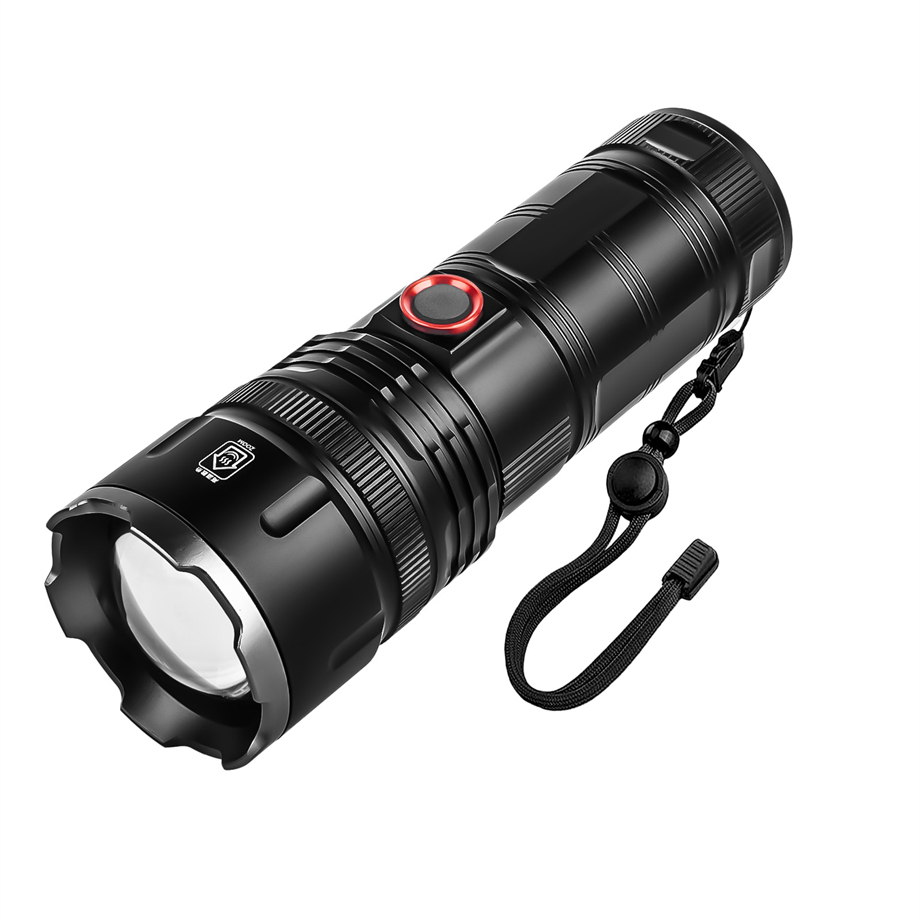
Why Accurate Forecasting Is Crucial for Managing Flashlight Inventory lies in its ability to ensure effective inventory management. Accurate forecasting helps maintain optimal stock levels, allowing you to meet customer demand without the risks of overstocking or running out of products. Statistics show that sellers experience stockouts approximately 5% of the time, resulting in missed sales opportunities, while understocking occurs at a similar rate, potentially frustrating customers and damaging your reputation. By understanding why accurate forecasting is crucial for managing flashlight inventory, you can sidestep these challenges, reduce costs, enhance operational efficiency, and keep your business competitive while ensuring customer satisfaction.
Key Takeaways
Good forecasting keeps the right amount of stock. This stops having too much or too little. It helps meet customer needs well.
Use past sales and market trends to guess future demand. This helps you get ready for busy times and avoid errors.
Use tools like inventory software and AI to forecast better. These tools give quick updates and help make smarter choices.
Update your forecasts often to match market changes. Changing them regularly helps you meet customer needs and handle outside changes.
Understanding Inventory Forecasting

What Is Inventory Forecasting?
Inventory forecasting is the process of predicting your stock inventory needs based on historical data, market trends, and anticipated customer demand. It helps you determine how much inventory to order and when to order it. By analyzing past sales and identifying patterns, you can anticipate customer needs and prepare for future demand. This ensures you maintain optimal stock levels, avoiding both stockouts and excess inventory.
Key components of inventory forecasting include:
Inventory Planning: Establishes the right stock levels by considering customer demand and supplier lead times.
Demand Forecasting: Uses tools like machine learning to analyze past sales and predict future demand.
Supply Chain Design: Creates an efficient network to improve responsiveness and reduce inefficiencies.
By focusing on these areas, you can align your inventory with customer expectations and streamline your operations.
Why Accurate Forecasting Is Crucial for Managing Flashlight Inventory
Accurate forecasting is essential for managing flashlight inventory effectively. It allows you to meet customer demand without overstocking or running out of products. Flashlights often experience fluctuating demand due to seasonal trends or emergencies. By predicting future demand accurately, you can prevent overstocking and avoid unnecessary storage costs.
When you manage your inventory well, you also reduce the risk of stockouts. This ensures customers find what they need when they need it, boosting satisfaction and loyalty. Accurate forecasting also improves cash flow management by keeping your resources focused on the right inventory levels.
Benefits of Inventory Forecasting
Preventing Stockouts and Overstocking
Inventory forecasting helps you balance supply and demand. By predicting future demand, you can avoid stockouts that lead to lost sales and unhappy customers. At the same time, it helps you prevent overstocking, which ties up cash and increases storage costs.
Reducing Costs and Improving Profit Margins
Efficient forecasting reduces unnecessary expenses. You save on storage costs and avoid losses from unsold inventory. This improves your profit margins and ensures your business remains competitive.
Enhancing Customer Satisfaction and Loyalty
When you maintain the right stock levels, customers can rely on you to meet their needs. This builds trust and encourages repeat business. Satisfied customers are more likely to recommend your brand, further strengthening your market position.
Benefit | Description |
|---|---|
Cost savings | Efficient ordering reduces unnecessary inventory costs and storage expenses. |
Customer & supplier satisfaction | Maintaining stock levels enhances customer happiness and strengthens supplier relationships. |
Back-end improvements | Better forecasting streamlines supply chain management and reduces manual labor through automation. |
Strategic insights | Improved communication aids in meeting company goals and optimizing inventory based on demand. |
By leveraging inventory forecasting, you can align your operations with customer expectations and achieve long-term success.
Methods for Effective Demand Forecasting
Qualitative Forecasting Techniques
Leveraging Expert Insights and Market Research
Qualitative forecasting relies on expert opinions and market research to predict demand. This approach is especially useful when historical data is unavailable or insufficient. You can use several techniques to improve forecasting accuracy:
Delphi method: This structured process gathers insights from expert panels through multiple rounds of questions and feedback.
Market research: Surveys, focus groups, and interviews help you understand customer preferences and shifting industry trends.
Sales force estimates: Frontline employees provide valuable perspectives on market trends based on their direct interactions with customers.
Expert insights and market research enhance qualitative forecasting by offering a deeper understanding of external factors. For example, a well-constructed survey can reveal new market opportunities or help you assess the viability of entering a new region. These methods allow you to make informed decisions and adapt to changing market conditions.
Quantitative Forecasting Approaches
Using Historical Sales Data and Statistical Models
Quantitative forecasting uses numerical data to predict future demand. This method is highly accurate when you have reliable historical data. By analyzing past sales and applying statistical models, you can identify patterns and trends that inform your inventory decisions.
This approach offers several advantages:
Accuracy: Reliable data ensures precise demand forecasting.
Consistency: Quantitative methods produce consistent results, making them dependable for planning.
Objectivity: Data-driven insights eliminate bias, providing a clear picture of demand.
Replicability: You can replicate these methods across different time periods or product lines.
For flashlight inventory, analyzing historical sales data helps you anticipate demand spikes during specific times of the year. This ensures you maintain optimal stock levels and avoid costly mistakes.
Trend-Based Forecasting for Flashlight Inventory
Identifying Seasonal and Market Trends
Understanding seasonality and trends is crucial for managing flashlight inventory. Demand often fluctuates due to seasonal factors or regional preferences. For instance, portable USB flashlights see a surge in demand during spring and summer, driven by outdoor activities. In North America, emergency preparedness and outdoor recreation influence demand, while Europe focuses on sustainability and outdoor hobbies. In Asia Pacific, industrial growth and emergency needs play a significant role.
By identifying these trends, you can align your inventory with market demands. Preparing for seasonal peaks ensures you meet customer expectations while avoiding overstocking during slower periods. Trend-based forecasting helps you stay ahead of the competition and adapt to diverse consumer needs.
Best Practices for Accurate Inventory Forecasting
Leveraging Technology for Forecasting
Inventory Management Software and AI Tools
Technology plays a vital role in improving inventory forecasting accuracy. Advanced tools like inventory management software and AI-powered systems help you make data-driven decisions. These tools analyze large datasets, identify patterns, and predict future demand with precision. Machine learning, for instance, enhances inventory planning by offering advanced predictive capabilities. It surpasses traditional forecasting methods by providing faster and more accurate results.
Here are some ways technology can optimize your forecasting process:
Predictive analytics and machine learning analyze historical data to uncover trends.
Real-time data integration ensures your forecasts are based on the latest information.
Scenario planning and simulation prepare you for various demand situations.
AI tools also dynamically optimize safety stock levels by predicting demand and supply variations. Unlike traditional methods, AI adapts to changing conditions and learns from past data. This ensures your inventory levels align with market needs, reducing errors and improving efficiency. By leveraging these technologies, you can optimize inventory levels and achieve effective supply chain management.
Analyzing Historical Data and Market Trends
Historical data provides valuable insights into customer behavior and purchasing patterns. By analyzing past sales, you can identify trends and predict future demand. For example, flashlight sales often spike during emergencies or specific seasons. Reviewing this data helps you prepare for such fluctuations.
Market trends also play a crucial role in inventory forecasting. Shifts in consumer preferences or new product innovations can impact demand. Staying updated on these trends allows you to adjust your inventory strategy accordingly. Combining historical data with market insights ensures your forecasting remains accurate and relevant.
Considering External Factors
Seasonal Demand and Supply Chain Dynamics
External factors like seasonal demand and supply chain dynamics significantly influence inventory forecasting. Flashlight sales often rise during storm seasons or outdoor activity periods. Weather conditions, economic indicators, and market trends also affect demand. Recognizing these factors helps you prepare for sudden changes in customer needs.
Supply chain dynamics, such as lead times and supplier reliability, impact your ability to maintain stock levels. Delays or disruptions can lead to stockouts, affecting customer satisfaction. By accounting for these variables, you can create a more resilient inventory management system. This approach ensures you meet demand while maintaining effective supply chain management.
Regularly Updating Forecasts
Adapting to Real-Time Market Changes
Updating your inventory forecasts regularly is essential for staying ahead in a dynamic market. Customer preferences, industry trends, and external factors can shift quickly. By adapting to these changes in real time, you ensure your flashlight inventory aligns with current demand.
To manage demand variability effectively, you need to monitor key factors that influence inventory levels. For example:
Track industry trends to identify shifts in customer behavior. This helps you make informed decisions about stock adjustments.
Use demand forecasting tools integrated with inventory management systems. These tools enhance efficiency and reduce errors.
Adjust inventory levels proactively to mitigate the effects of sudden demand changes.
Real-time updates to your forecasts allow you to respond to market fluctuations with agility. For instance, during storm seasons, flashlight demand often spikes. By monitoring weather patterns and sales data, you can prepare your inventory to meet this surge.
Technology plays a critical role in adapting to market changes. Advanced forecasting systems analyze real-time data and provide actionable insights. These systems help you identify trends and adjust your inventory strategy quickly. For example, if a new flashlight model gains popularity, you can increase stock levels to meet demand without delay.
Regular updates to your forecasts also improve communication across your supply chain. Suppliers and distributors benefit from accurate, up-to-date information. This reduces delays and ensures your customers receive their orders on time.
By staying proactive and leveraging real-time data, you can maintain optimal inventory levels. This approach minimizes risks, reduces costs, and keeps your business competitive in a fast-changing market.
Consequences of Poor Forecasting

Financial Impacts of Overstocking
Increased Storage Costs and Obsolete Inventory
Poor inventory forecasting often leads to overstocks, which can significantly increase storage costs. When you hold excess inventory, you need more space, which raises warehousing expenses. Additionally, unsold products may become obsolete over time, especially in industries like flashlights where technology evolves rapidly.
Several factors contribute to obsolete inventory:
Inaccurate forecasting creates excess stock that fails to sell.
Poor product quality or design reduces customer interest, leaving items unsold.
Manual inventory management systems often result in errors, leading to surplus stock.
Long lead times from suppliers can cause over-ordering, especially when demand shifts unexpectedly.
Failing to manage obsolete inventory compounds the problem, increasing inefficiencies and costs.
By improving your forecasting accuracy, you can avoid these financial pitfalls and maintain a leaner, more cost-effective inventory.
Risks of Stockouts
Lost Sales and Customer Dissatisfaction
Stockouts occur when you fail to meet customer demand due to insufficient inventory. This not only results in lost sales but also damages your reputation. Customers expect reliability, and when they cannot find the products they need, they may turn to competitors.
Inaccurate forecasting often causes stockouts by underestimating demand. Supply chain disruptions further complicate the issue, making it harder to replenish inventory on time. For example, unpredictable lead times or sudden changes in consumer behavior can leave you unprepared. To prevent stockouts, you need to monitor demand closely and adjust your inventory levels proactively.
Operational Challenges
Supply Chain Disruptions and Inefficiencies
Poor forecasting creates significant operational challenges, particularly in supply chain management. When your demand predictions are inaccurate, it disrupts the flow of goods and creates inefficiencies.
Common challenges include:
Supply chain disruptions, which lead to inventory shortages and delays. Diversifying suppliers and planning for contingencies can mitigate these risks.
Obsolete inventory, as rapid technological advancements in flashlights can render products unsellable. Regular inventory reviews help address this issue.
Inaccurate forecasting also exacerbates supply chain disruptions. For instance, production delays caused by mismatched supply and demand can ripple through your operations. To minimize these challenges, you need to adopt robust forecasting methods and maintain flexibility in your supply chain.
Accurate forecasting forms the foundation of effective flashlight inventory management. It enables you to maintain optimal stock levels, reducing the risks of overstocking or stockouts. By leveraging methods like demand forecasting and tools such as AI, you can adapt swiftly to market changes and improve operational efficiency.
Adopting best practices ensures long-term success. For instance:
Predict future demand to align inventory with customer needs.
Use just-in-time inventory to minimize holding costs.
Conduct regular audits to maintain accurate stock records.
These strategies not only enhance inventory forecasting but also improve customer satisfaction and profitability. With the right approach, you can streamline operations and achieve sustainable growth.
FAQ
What is the best way to start forecasting flashlight inventory?
Begin by analyzing historical sales data. Identify patterns in customer demand, such as seasonal spikes or emergencies. Use inventory management software to track trends and predict future needs. Combine this data with market research to create a reliable forecast.
How often should you update your inventory forecasts?
Update your forecasts regularly, ideally monthly or quarterly. Frequent updates help you adapt to market changes, such as shifts in customer preferences or supply chain disruptions. Real-time updates ensure your inventory aligns with current demand.
Can small businesses afford advanced forecasting tools?
Yes, many affordable tools exist for small businesses. Cloud-based inventory management software and AI-powered solutions offer cost-effective options. These tools provide accurate forecasts without requiring large investments, helping you optimize inventory and reduce costs.
How do seasonal trends affect flashlight inventory?
Seasonal trends significantly impact flashlight demand. For example, sales often increase during storm seasons or outdoor activity periods. Understanding these trends helps you prepare for demand spikes, ensuring you maintain adequate stock levels without overstocking.
What happens if you ignore external factors in forecasting?
Ignoring external factors, like supply chain delays or economic shifts, can lead to inaccurate forecasts. This may result in stockouts, overstocking, or financial losses. Always consider factors like weather, market trends, and supplier reliability to improve forecasting accuracy.
Tip: Regularly monitor external factors to stay ahead of demand fluctuations and avoid costly mistakes.
See Also
Guidelines for Finding Trustworthy Wholesale Flashlight Suppliers
Exploring Future Trends in Flashlight Demand Across Markets
Boosting Revenue by Sourcing Flashlights from Wholesale Vendors
Selecting Premium Flashlights for Your Wholesale Inventory
Successful Marketing Approaches for Your Flashlight Wholesale Venture